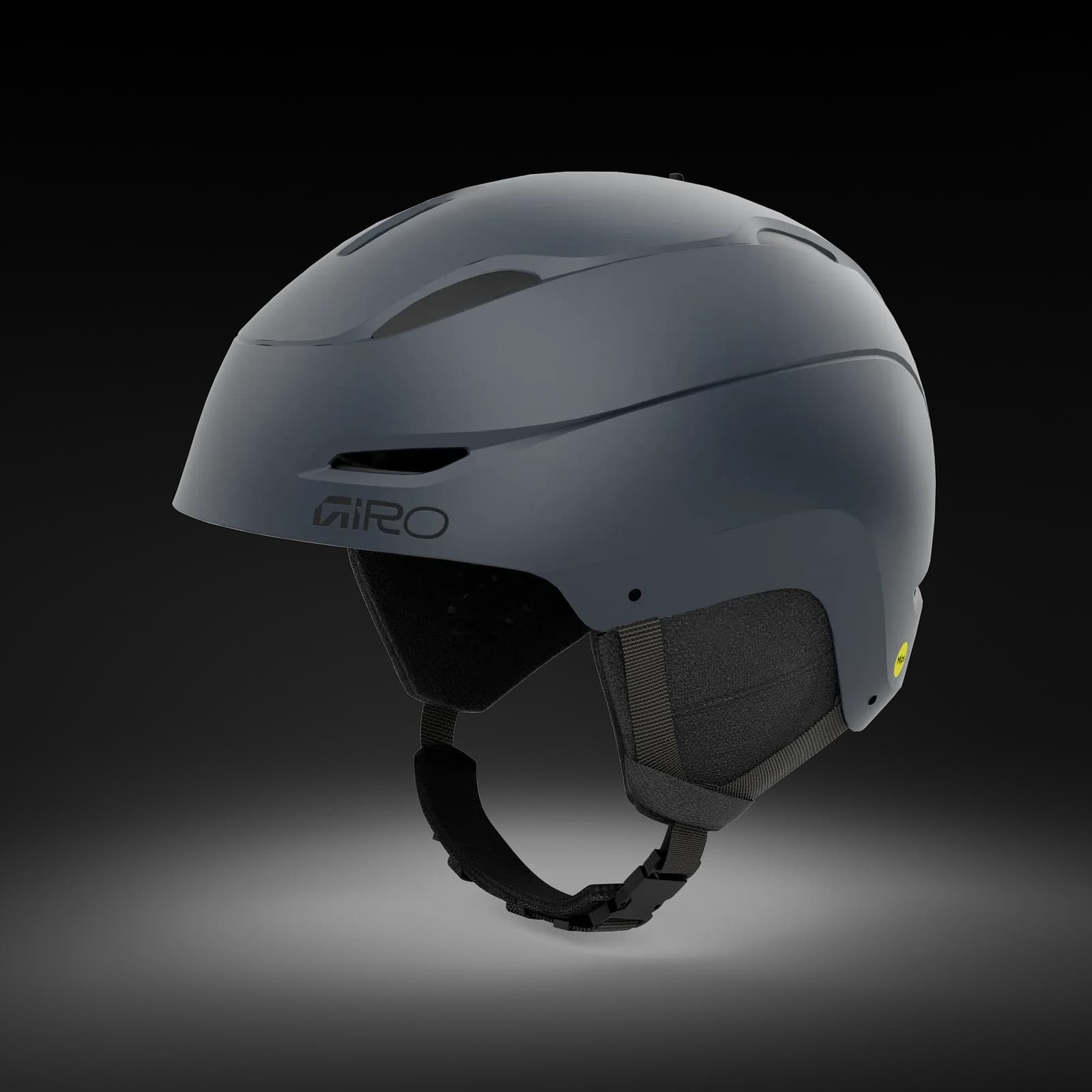
Giro Ratio MIPS.
The Ratio MIPS delivers Giro's MIPS rotational protection, adjustable Thermostat Control venting with Stack Vent, and the In Form dial fit at one of the lowest prices in the category. The trade for the value is weight and bulk — at roughly 610g it's a heavier, larger-profile helmet than the premium picks, but for casual resort riders on a budget it's hard to beat.
The Verdict.
Gavler Meta-Score
“Buy this if you ski a handful of resort days a year and want MIPS protection, adjustable venting, and a warm, comfortable fit for around $150 — nothing at this price does more. Pass on it if you ski hard all season; the ~610g weight and larger profile become noticeable over long days, and a lighter premium helmet is worth the upgrade for die-hards.”
The Gavler Verdict
The Gavler Review.
Giro Ratio MIPS Review: The Value Anchor of Giro's Snow Line
The Giro Ratio MIPS sits at number seven on our Best Ski Helmets list with an 8.7, and it earns that score as the value anchor of Giro's entire snow line — real MIPS rotational protection, adjustable venting, and a warm liner for around $150. Buy it if you ski a handful of resort days a year and want genuine protection without a premium price. The honest trade-off is weight: at roughly 610 grams it's noticeably heavier and bulkier than the in-mold helmets ranked above it.
What it actually is
The Ratio MIPS is built on hardshell construction over an EPS foam liner rather than the lighter in-mold builds used higher up Giro's range — a straightforward, deliberate trade that's exactly why it costs less. What it doesn't skip is the important safety technology: the MIPS slip-plane layer for rotational-impact protection, the same system found in helmets that cost significantly more.
Beyond MIPS, the Ratio carries Giro's Stack Vent and Thermostat Control system for adjustable airflow that pairs with goggle venting to fight fogging, plus an In Form fit dial with up to six centimeters of adjustment for a secure, one-handed fit. It's the kind of feature set that would have been a premium-tier helmet a few product cycles ago, now sitting at the budget end of Giro's own lineup.
In use
OutdoorGearLab's testing lands squarely on why this helmet earns a spot on the list at all: "Featuring MIPS, adjustable vents, a warm liner, and an adjustable dial system, you'll be hard-pressed to find a better value." That's a specific, testable claim from a publication that tests the whole category side by side, not a generic budget-pick endorsement — and it's the kind of praise that's rare for a helmet at this price point.
The same review is equally direct about who it isn't for: "Highly recommended to casual resort riders who want to stick to a budget; the larger profile and heavier weight might deter the 100-day, die-hard skier." That's the honest core of this helmet in one sentence — real protection and real features, with a weight penalty that matters more the more days you actually spend wearing it.
Where it shines
- Category-best value, full stop. MIPS rotational protection, adjustable Stack Vent airflow, and a warm liner at a price where competitors typically cut at least one of those three.
- The same MIPS layer as premium helmets. The protective technology isn't downgraded to hit the price — the savings come entirely from the heavier hardshell construction, not a lesser safety system.
- A genuinely adjustable fit. The In Form dial's six centimeters of range and the Stack Vent airflow system are premium-feeling touches on a budget helmet.
The trade-offs — who should skip it
- You ski 100-plus days a season. OutdoorGearLab is explicit that the weight and bulk are built for casual riders, not die-hards who feel every ounce over a full season.
- You want the lightest, lowest-profile helmet available. At roughly 610 grams, the Ratio is meaningfully heavier than the in-mold premium picks on this list, and the larger profile is noticeable on the head.
- You already own a helmet and are chasing marginal comfort gains. The Ratio's value case is strongest for a first real helmet purchase, not as an upgrade from an existing mid-tier lid.
How it compares
One rank up on the list, Smith Level MIPS sits in the same accessible tier with its own construction trade-offs, giving budget-conscious skiers a genuine choice at a similar price point. At the top of the list, the Smith Vantage 2 MIPS shows what the premium end of the category buys — a lighter in-mold build without the Ratio's weight penalty, at a correspondingly higher price.
The Ratio's case isn't that it matches those helmets ounce-for-ounce — it can't, given its construction. It's that nothing else on this list delivers MIPS, adjustable venting, and a warm liner for this little money.
The Gavler verdict
An 8.7 for the smartest budget buy in the category. The Giro Ratio MIPS proves that real MIPS rotational protection and genuinely adjustable venting don't have to come with a premium price tag — OutdoorGearLab's own testing backs up the value claim directly. The honest cost is weight: at roughly 610 grams and a larger profile, it's not the helmet for a skier chasing every ounce over a 100-day season. For a casual or occasional resort rider who wants real protection without the premium spend, it's hard to beat — see where it ranks on our Best Ski Helmets list.
Common Questions
For a skier who hits the resort a handful of days a year, yes — it's Gavler's number-seven-ranked ski helmet at an 8.7 and OutdoorGearLab calls it one of the best value-per-dollar options available. At around $150, it delivers MIPS protection and adjustable venting that budget helmets often skip. Frequent skiers should weigh the roughly 610-gram weight before buying.
Around 610 grams in a medium, which OutdoorGearLab notes is noticeably heavier and bulkier than premium in-mold helmets like the Giro Tenaya Spherical or POC Obex MIPS. The extra weight comes from its hardshell-over-EPS-foam construction, which is also what keeps the price down.
It uses the same MIPS slip-plane layer for rotational-impact protection found in helmets that cost significantly more — the technology itself isn't downgraded, the savings come from the heavier hardshell construction rather than the lighter in-mold builds on premium models.
Skiers who spend 100-plus days a season on snow. OutdoorGearLab specifically notes the weight and bulk 'might be a deterrent for the 100-day, die-hard skier' — that group is better served by a lighter premium in-mold helmet even at a higher price.
Where to Buy.
Prices checked regularly
90-day price history
Price History
Steady at $150 for the entire 90-day tracking window — no increases, no discounts, across 91 tracked days.
Tracked daily across retailers. Vote Want itabove and we’ll alert you the moment the price drops.
Some links are affiliate links — Gavler may earn a commission. This never affects rankings or scores. Learn more.
Precision Engineering
MIPS Rotational Protection
The same MIPS slip-plane layer found in helmets twice the price reduces rotational forces in angled impacts.
Stack Vent + Thermostat Control
Adjustable venting aligns with goggle vents to move air through the helmet and fight fogging.
In Form Fit Dial
Ergonomic rear dial with up to 6 cm of adjustment locks in a secure fit one-handed.
Technical Specifications
The Scoreboard
8.7 reflects category-best value — MIPS, adjustable Stack Vent airflow, and a warm liner at a budget price; held back by heavier weight and a larger profile than the premium picks above it.
Cast Your Vote
Do you think Giro Ratio MIPS deserves the #7 spot in Best Ski Helmets?
Global Critique
“Featuring MIPS, adjustable vents, a warm liner, and an adjustable dial system, you'll be hard-pressed to find a better value.”
“Highly recommended to casual resort riders who want to stick to a budget; the larger profile and heavier weight might deter the 100-day, die-hard skier.”
More from Best Ski Helmets.
See how other top picks compare in this category.
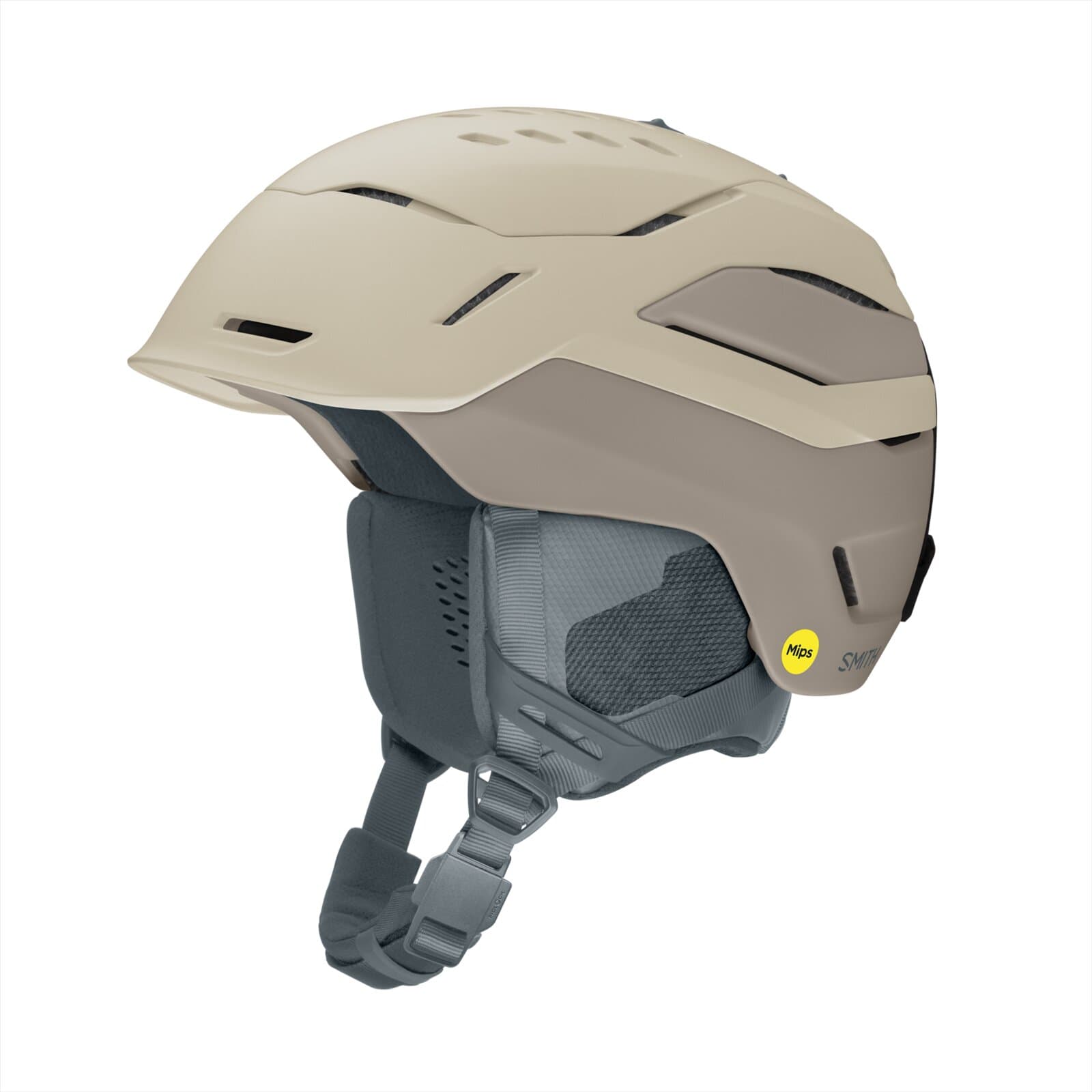
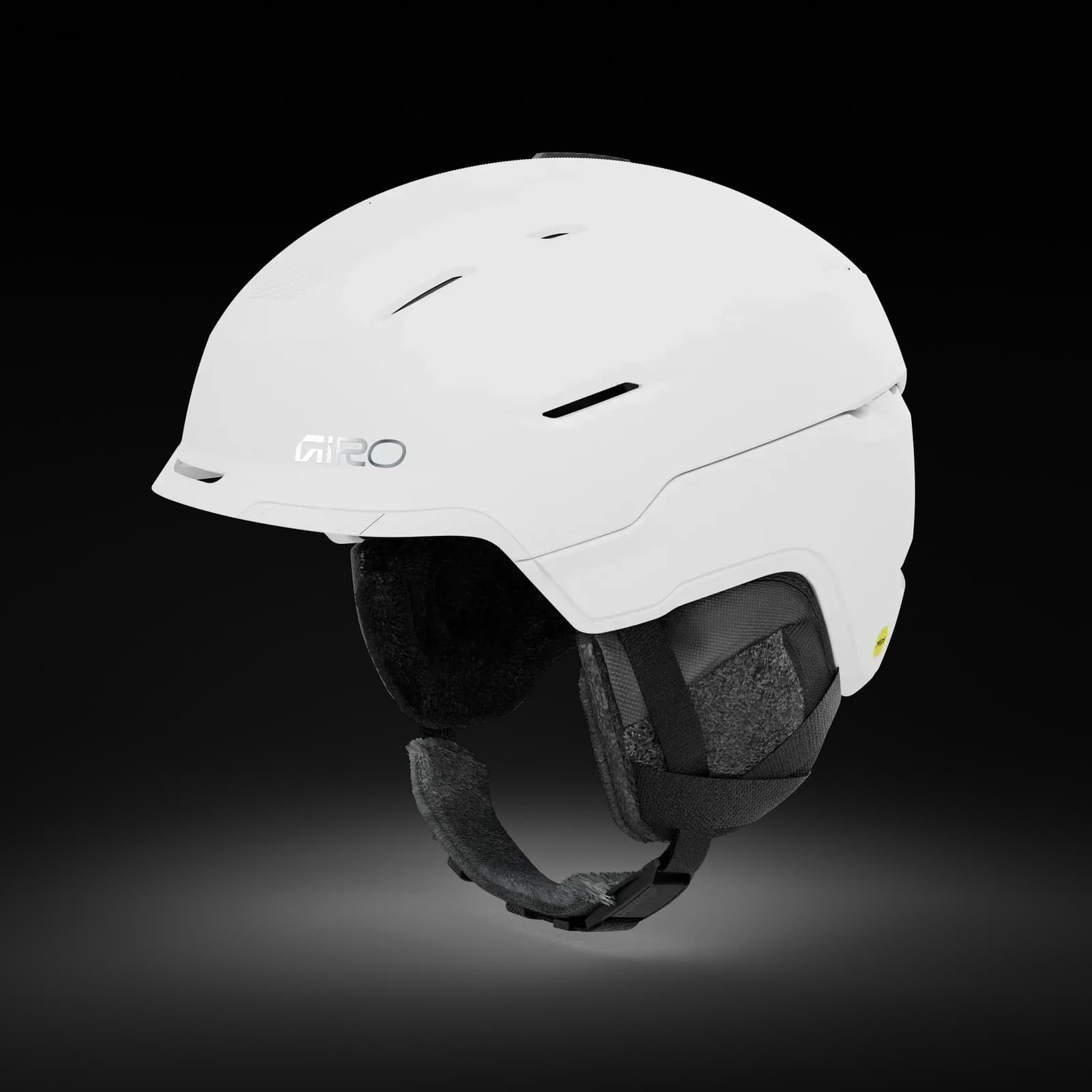
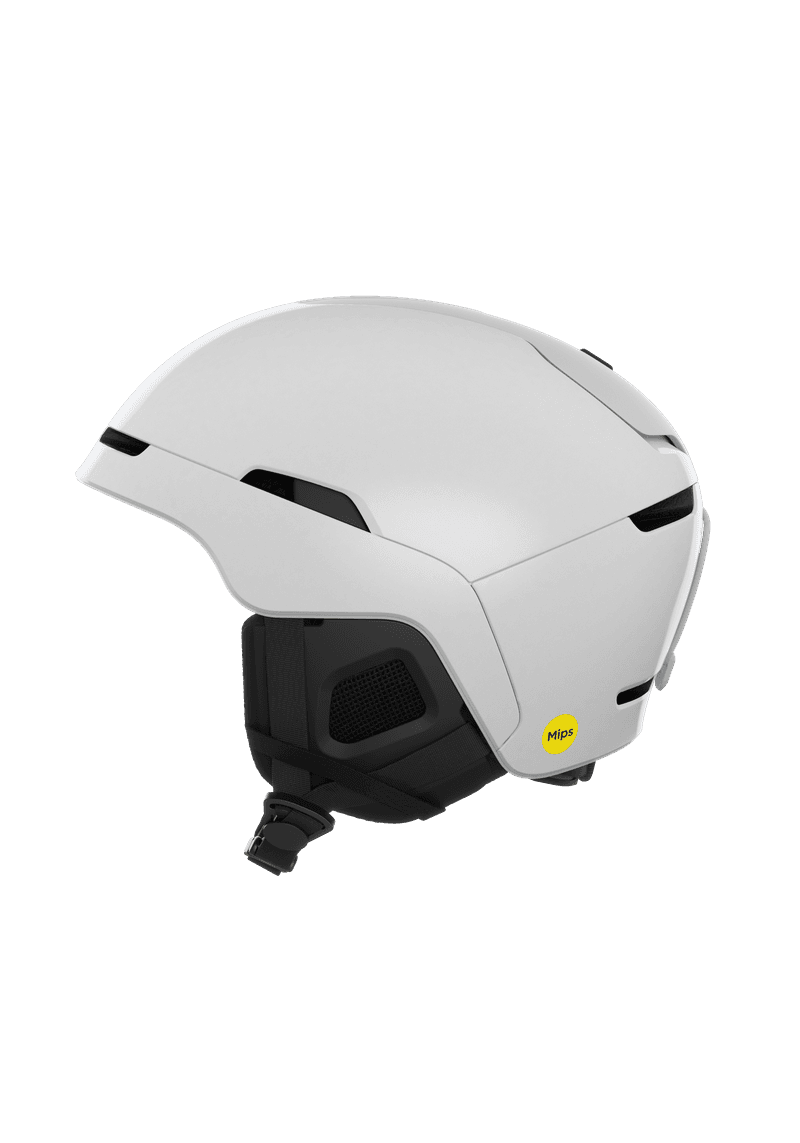
Resort Koroyd, Touring Grams, or a Race Shell?
Vent hangtags are the wrong first question. All-mountain Koroyd, touring grams, or a FIS race shell is the lid. Then shop Gavler's live community ranking.
The Best Ski Helmets in 2026, Ranked by the Riders Buying Them Off-Season
Smith, Giro, POC, Sweet Protection. Gavler's community ranks the helmets worth buying — from full-Koroyd flagships to the 14-ounce touring outliers.