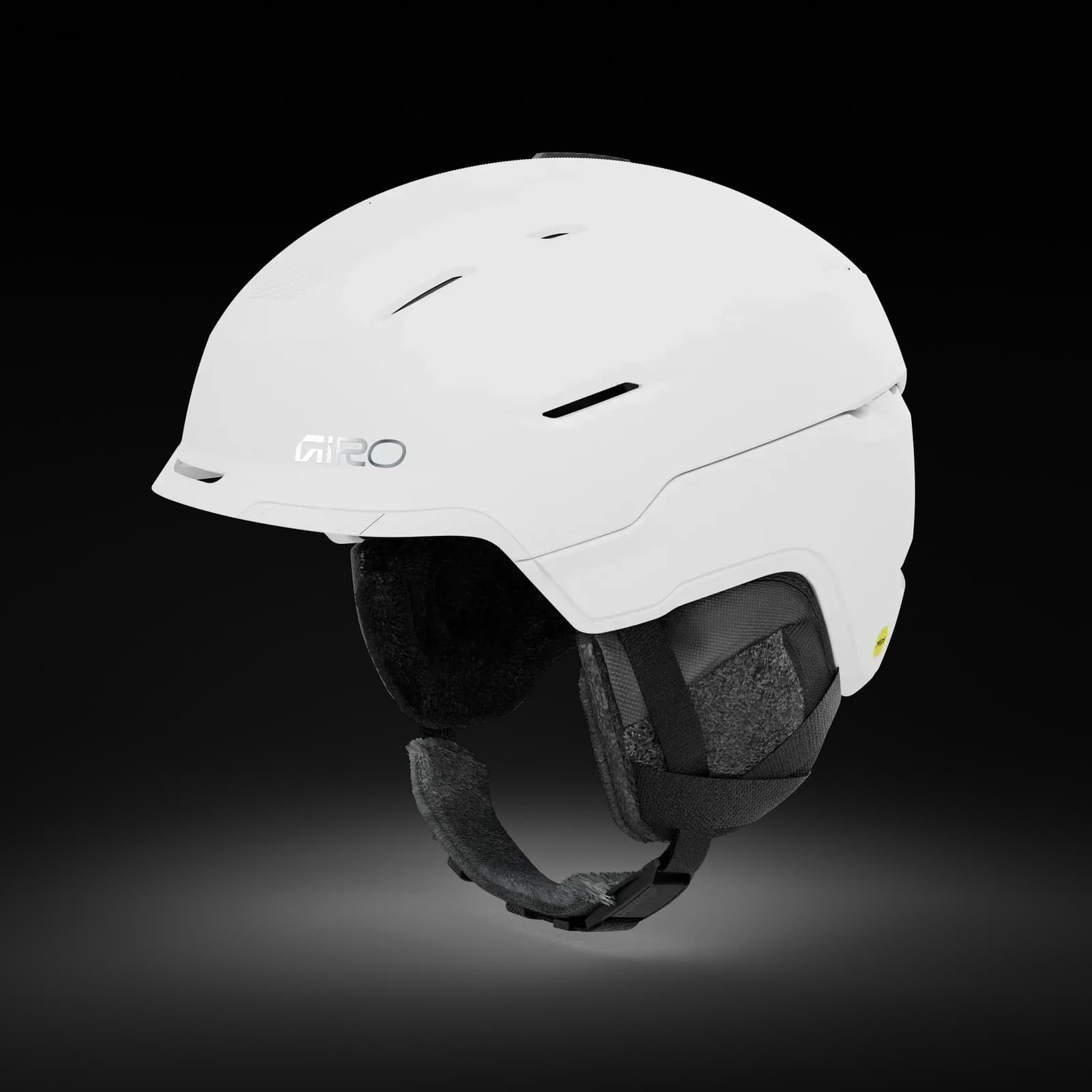
Giro Tenaya Spherical.
Two EPS layers rotate independently around a ball-and-socket interface to redirect rotational impact in any crash angle. The In Form 2 fit with On-the-fly Vertical Tuning and the slim goggle-friendly brim let the Tenaya integrate with goggles better than any taller-profile helmet in the price tier.
The Verdict.
Gavler Meta-Score
“Buy this if the goggle gap has driven you crazy on other helmets, or if your head shape leans rounder than the Smith fits comfortably. The Spherical Technology MIPS is the more refined rotational-protection system on paper, the magnetic Fidlock buckle is the best chinstrap closure in the category, and the Plush Max liner is the most all-day-comfortable lining at this price tier. Pass on it if you ski hot — the Tenaya's ventilation is less adjustable than the Vantage 2.”
The Gavler Verdict
The Gavler Review.
Giro Tenaya Spherical Review: The Ski Helmet That Fixes the Goggle Gap
The Giro Tenaya Spherical ranks second on our Best Ski Helmets list with a 9.4, and it earns that spot on the strength of two things almost no other resort helmet nails at once: a genuinely more sophisticated rotational-protection system and a fit that finally solves the goggle gap. Buy it if you've ever skied a run with cold air leaking across your forehead because your helmet and goggles don't sit flush, or if your head shape runs rounder than the market-leading Smith fits comfortably. Skip it if you ski hot and need maximum adjustable airflow — that's still the Vantage 2's job.
What it actually is
Giro partnered with Bell to develop Spherical Technology, and the Tenaya Spherical is the cleanest expression of that platform in Giro's snow lineup — nominally a women's-line helmet, but with a fit that's drawn buyers across both shopper segments. Instead of a single slip-plane MIPS liner sitting inside one EPS shell, the Tenaya uses two independent EPS shells connected by a ball-and-socket interface. In a crash, the outer shell can rotate relative to the inner shell in essentially any direction, which is a more uniform way of managing rotational impact forces than a liner that only slides along one plane.
The rest of the helmet is built around that core idea. The In Form 2 fit system uses On-the-fly Vertical Tuning — a single dial that adjusts how the helmet sits relative to your goggle frame without pulling the helmet apart — specifically to close the gap that shows up between the helmet's brim and a goggle's upper frame on taller-profile helmets. A slim brim, a Plush Max removable liner, and a magnetic Fidlock buckle round it out, and the helmet carries CE EN1077 and ASTM F2040 certification, the same dual-standard baseline as its main competitors on this list.
In use
The fit is where reviewers consistently land. Slope Magazine called out "comfort and fit stood out as a top highlight of this helmet," noting testers found it noticeably more comfortable than heavier helmets in the same test group — a meaningful claim given the Tenaya weighs roughly 17 ounces (482 g) in a size medium, lighter than the full-Koroyd Vantage 2. REI's Expert Advice team confirmed the goggle-integration promise holds up in practice: "Seamlessly compatible with all Giro goggles, though Oakley and Smith goggles also work well with it" — in other words, the fit tuning isn't a locked-in ecosystem play, it genuinely plays well with goggles outside the Giro family.
The magnetic Fidlock buckle deserves its own mention. It's a small detail, but it's the kind of thing that changes how a helmet feels every single time you put it on: one-handed, works with ski gloves on, no fumbling with a side-release clip in the cold. Once you've used a Fidlock buckle, a standard clip buckle starts to feel like a step backward.
Where it shines
- A more uniform rotational-protection response. The dual-shell ball-and-socket design isn't a marketing repaint of MIPS — it changes how the helmet manages oblique impacts, rotating freely in any crash direction rather than along a single slip-plane.
- The goggle gap, actually solved. On-the-fly Vertical Tuning is a real fix for a real problem, and it's compatible with goggles beyond Giro's own lineup per REI's testing.
- All-day comfort at a lighter weight. At ~17 oz, it's lighter than the Vantage 2, and the Plush Max liner and magnetic buckle both reinforce the same theme: this is a helmet built to disappear on your head for a full resort day.
The trade-offs — who should skip it
This isn't the vent-forward option in the category, and the honest reasons to look elsewhere are specific:
- You run hot on the mountain. Gavler's own scoring notes a "slight downward pull from less-adjustable venting versus the Smith Vantage 2" — the Tenaya's ventilation simply isn't as tunable as the Vantage 2's two-zone AirEvac 2 system, so warm-weather or high-exertion skiers may find themselves overheating on spring days or steep skin-up approaches.
- You're between sizes. The Tenaya runs slightly small. If your head measurement lands on a size boundary, sizing up is the safer call — and it's worth trying the helmet on with the exact goggles you'll wear, since the fit tuning is built around that pairing.
- You want the single best-tested, highest-consensus option regardless of fit nuance. The Vantage 2 MIPS holds the top rank on this list for a reason — full-Koroyd construction across the whole shell and the most adjustable venting in the category. If you don't have goggle-gap or head-shape issues to solve, it's the safer default pick.
How it compares
The Smith Vantage 2 MIPS sits one rank above the Tenaya at number one, and the contrast is instructive: the Vantage 2 wraps its entire shell in Koroyd's honeycomb-tube impact material and gives you 40 vents across two adjustable zones, which is the better system if venting and all-mountain versatility are your top priority. The Tenaya answers back with the more refined rotational-protection geometry and a fit system purpose-built to solve the goggle-integration problem the Vantage line has historically had. Neither is strictly better — they're solving slightly different problems, and which one wins depends on whether your last helmet failed you on heat management or on goggle fit.
The Gavler verdict
A 9.4, built on a strong 95/92 expert-to-community split that reflects real reviewer enthusiasm tempered only by the ventilation trade-off. The Giro Tenaya Spherical isn't trying to out-vent the Vantage 2 — it's solving a different, equally real problem, and it solves it better than anything else on this list. Buy it if goggle fit or head shape have been a recurring frustration; buy the Vantage 2 instead if you ski hot and want maximum adjustable airflow.
Common Questions
Yes, for skiers who have fought helmet-goggle fit issues on other helmets. It ranks second on Gavler's Best Ski Helmets list with a 9.4, and testers at Slope Magazine and REI Co-op Expert Advice singled out its comfort and goggle compatibility. The honest caveat is that its ventilation is less adjustable than the class-leading Smith Vantage 2 MIPS, so hot-running skiers may want to look elsewhere.
It comes down to head shape and priorities. The Vantage 2 MIPS sits at number one on Gavler's list with full-Koroyd construction and more adjustable AirEvac 2 venting, which is the better pick if you run warm on the mountain. The Tenaya's Spherical Technology MIPS and On-the-fly Vertical Tuning make it the better pick for rounder head shapes, goggle-gap sufferers, and anyone who wants the most refined magnetic buckle in the category.
Yes — Gavler's product data flags that it runs slightly small, and the recommendation is to size up if you're between sizes. Try it on with the exact goggles you plan to ski in before committing, since the In Form 2 fit system is tuned around that pairing.
On paper, yes, in one specific way: a slip-plane liner only lets the inner shell rotate along a single low-friction layer, while Giro and Bell's ball-and-socket Spherical design lets two independent EPS shells rotate around each other in any crash direction. That's a more uniform response to oblique impacts, which is exactly the kind of hit a rotational-protection system is built to address.
Where to Buy.
Prices checked regularly
90-day price history
Price History
Steady at $280 for the entire 90-day tracking window — no increases, no discounts, across 91 tracked days.
Tracked daily across retailers. Vote Want itabove and we’ll alert you the moment the price drops.
Some links are affiliate links — Gavler may earn a commission. This never affects rankings or scores. Learn more.
Precision Engineering
Spherical Technology MIPS
Two EPS shells acting as a ball-in-socket redirect rotational impact forces in any crash direction; co-developed with Bell.
In Form 2 Fit with On-the-fly Vertical Tuning
Single-handed dial-and-vertical adjustment eliminates the goggle gap that plagues taller-profile helmets without manual disassembly.
Magnetic Fidlock Buckle
Magnet-assisted closure secures one-handed with gloves on; once you try it, side-release buckles feel archaic.
Technical Specifications
The Scoreboard
9.4 average across 32 community votes and expert testing. Slight downward pull from less-adjustable venting versus the Smith Vantage 2; goggle-integration and Spherical MIPS pull upward.
Cast Your Vote
Do you think Giro Tenaya Spherical deserves the #2 spot in Best Ski Helmets?
Global Critique
“Comfort and fit stood out as a top highlight of this helmet; testers found it to be a very comfortable option compared to heavier helmets.”
“Seamlessly compatible with all Giro goggles, though Oakley and Smith goggles also work well with it.”
“Hybrid construction optimizes protection while remaining lightweight.”
More from Best Ski Helmets.
See how other top picks compare in this category.
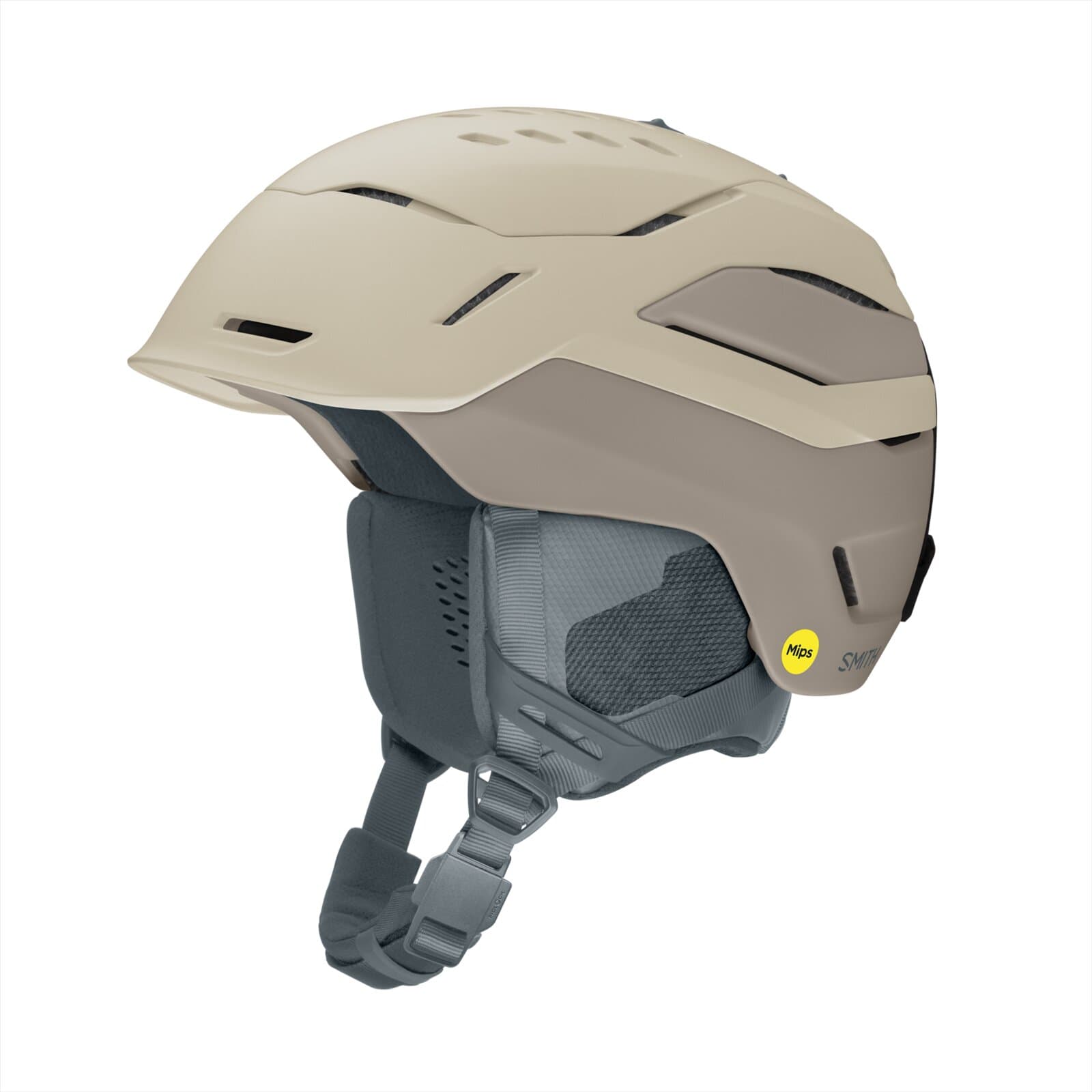
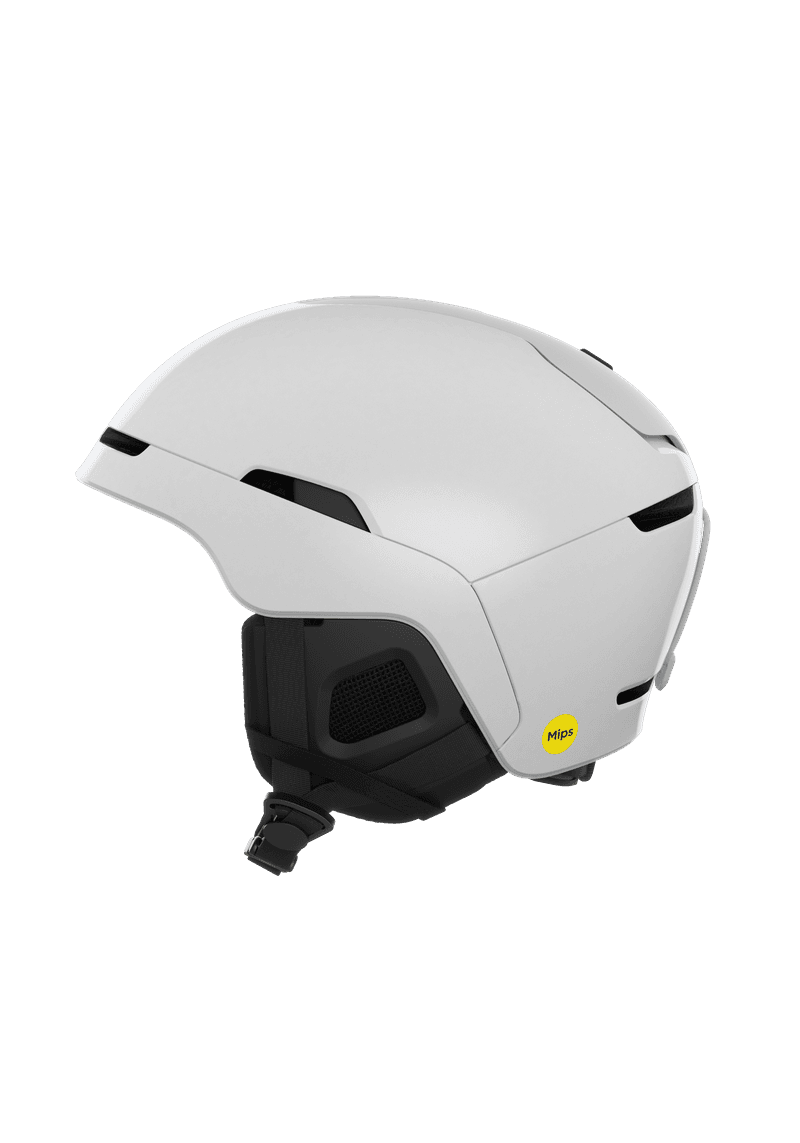
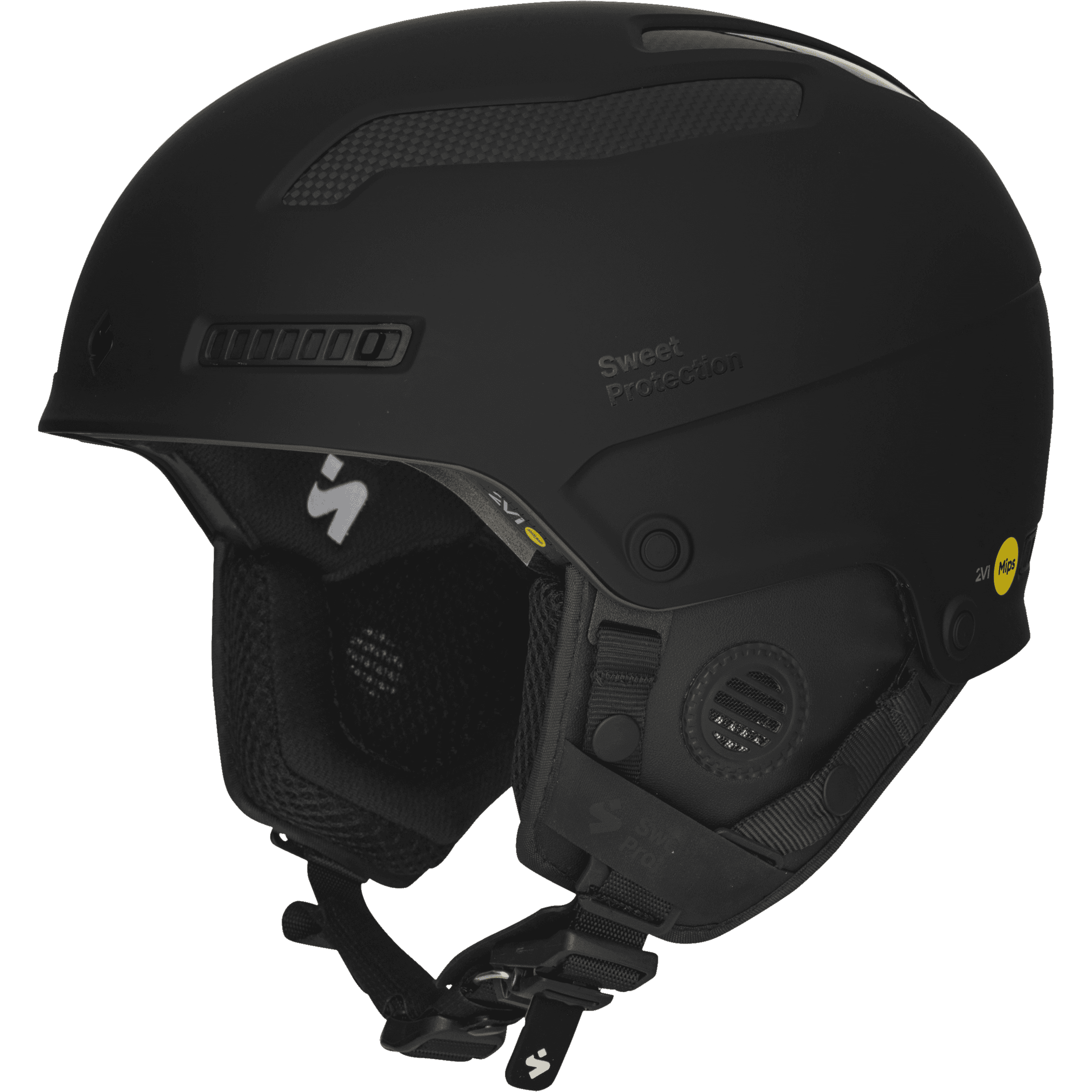
Resort Koroyd, Touring Grams, or a Race Shell?
Vent hangtags are the wrong first question. All-mountain Koroyd, touring grams, or a FIS race shell is the lid. Then shop Gavler's live community ranking.
The Best Ski Helmets in 2026, Ranked by the Riders Buying Them Off-Season
Smith, Giro, POC, Sweet Protection. Gavler's community ranks the helmets worth buying — from full-Koroyd flagships to the 14-ounce touring outliers.