Atomic Redster CTD.
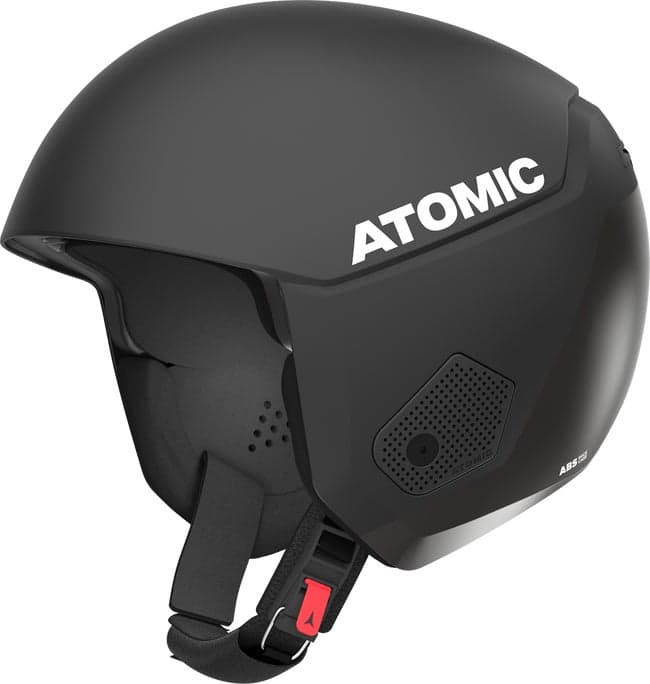
The Redster CTD is Atomic's amateur-racing helmet, built on the shape its World Cup team wears: a low, aerodynamic ABS Racecase shell with the AMID (Atomic Multi-directional Impact Deflector) system for rotational protection and a built-in Shocksense sensor that logs impacts to your phone and can send an SOS after a hard hit. FIS-certified and race-focused — a narrower use case than the all-mountain helmets around it.
The Verdict.
Gavler Meta-Score
“Buy this if you race gates or ski fast and want a FIS-certified, low-profile helmet with real safety telemetry — the AMID system and the Shocksense sensor (which flags when the helmet should be retired and can fire an SOS) are features no all-mountain helmet here offers. Pass on it if you're a casual resort skier; the race fit, stiff feel, limited venting, and premium price are wasted on lift-served cruising.”
The Gavler Verdict
The Gavler Review.
Atomic Redster CTD Review: A Race Helmet With a Sensor That Tells You When to Retire It
The Atomic Redster CTD ranks eleventh on Gavler's Best Ski Helmets list with an 8.5 — the highest score of the list's bottom tier, earned by being genuinely different from everything ranked above it. Gavler's verdict doesn't hedge about who this helmet is for: "Buy this if you race gates or ski fast and want a FIS-certified, low-profile helmet with real safety telemetry... Pass on it if you're a casual resort skier; the race fit, stiff feel, limited venting, and premium price are wasted on lift-served cruising." That's a helmet review answering the only question that actually matters before you spend $200 on a ski helmet: is this built for what you actually do on the mountain?
What it is
This is modeled directly on the helmet Atomic's World Cup athletes wear, and it's FIS-certified for gate skiing — a narrower, more specific use case than every all-mountain helmet around it on this list. The low, aerodynamic ABS Racecase shell sits close to the head to cut drag and deliver the locked-in feel that racers want at speed, and Atomic claims the construction delivers up to 30% higher impact protection than the FIS standard requires.
Rotational protection comes from AMID — Atomic's own Multi-directional Impact Deflector, which absorbs shock from all angles beneath the shell. It's worth being precise about this: AMID is Atomic's proprietary system, not a MIPS-branded layer, even though it's built to solve the same rotational-impact problem. The standout feature, and the one that genuinely separates this helmet from anything else on Gavler's list, is Shocksense — a built-in sensor that links to your phone over Bluetooth, evaluates the helmet's condition after impacts, tells you when it needs replacing, and can transmit an SOS alert with your location to emergency contacts after a serious hit. A 360-degree RS Fit system with heat-moldable Live Fit pads locks in the race-snug fit the helmet is built around.
In use
The safety case for this helmet rests heavily on two specific claims, and both are attributed directly to the brand and its testing partners. On impact protection: "An AMID system under the shell absorbs shock from all angles to deliver up to 30% higher impact protection than FIS standards require." That's a specific, checkable number rather than a vague "safer" claim, which matters for a helmet whose entire positioning is built around race-level protection.
On the Shocksense feature, GearJunkie's framing captures why it's genuinely novel rather than a gimmick: "The first helmet that records impacts and tells you when to replace it." That's solving a real, underappreciated problem — most skiers have no reliable way to know whether a helmet that's taken a hard fall has been compromised internally, and the industry-standard advice ("replace after any significant impact") is hard to follow when you can't tell how significant an impact actually was. A sensor that answers that question directly, and can call for help after a serious one, is a legitimate safety upgrade, not just a tech feature bolted on for marketing.
Where the honest limitations show up is in daily comfort. This is a race helmet first: the low profile, stiff fit, and limited venting that make it fast and locked-in on a race course are the same things that make it uncomfortable for a full day of lift-served cruising, where an all-mountain helmet's more generous venting and relaxed fit are simply the better tool for the job.
Strengths
- A real, specific impact-protection claim — up to 30% higher than the FIS standard requires, not just a marketing adjective.
- Shocksense is a genuine safety innovation — impact logging, replacement guidance, and SOS alerting that no all-mountain helmet on this list currently offers.
- FIS certification means it's built and tested to the standard actual gate racers compete under.
- 360° RS Fit with heat-moldable pads delivers a genuinely individualized, race-snug fit.
- AMID rotational protection addresses the same angled-impact risk MIPS targets, via Atomic's own engineering.
The trade-offs — who should skip it
- You're a casual resort skier. The low profile, stiff race feel, and limited venting are built for speed and aerodynamics, not comfort on a normal day of lift laps.
- You want MIPS specifically. AMID is Atomic's own system, not MIPS — if MIPS branding or certification is a requirement for you, look elsewhere on this list.
- You're budget-conscious. At $200 and up (with a carbon Racecase version priced higher still), this sits well above typical resort-helmet pricing for a use case most skiers won't need.
How it compares
Rank 9's K2 Diversion MIPS is almost the direct opposite product: an affordable, all-mountain value helmet with genuine MIPS protection and adjustable venting, built for comfort on ordinary resort days rather than race-day performance. A shopper choosing between the two isn't really comparing helmets — they're deciding what kind of skiing they actually do. Rank 8's Salomon MTN Lab offers a different specialist angle: it drops rotational protection entirely to chase the lowest possible weight for backcountry touring, where the Redster CTD keeps rotational protection (via AMID) while chasing aerodynamic speed instead of climbing efficiency. All three are specialist helmets solving different problems — the Redster CTD's problem is racing fast and knowing exactly when a hard fall has compromised your gear.
The Gavler verdict
An 8.5 — the highest score among Gavler's bottom-tier ski helmets — with an 86 expert consensus against an 83 community rating, reflecting a specialized product judged fairly on its own terms rather than penalized for not being an all-mountain helmet. The scoreNote is precise about this: safety tech and race fit rate highly, while limited venting and a narrow use case keep it below the versatile all-mountain helmets ranked above it. If you race gates, push speed, or want the peace of mind Shocksense provides after a hard fall, the Atomic Redster CTD offers something genuinely unavailable elsewhere on this list. If you're skiing groomers on a Saturday, save your money and your comfort for a helmet actually built for that day.
Common Questions
Only for a specific buyer: it ranks eleventh on Gavler's Best Ski Helmets list with an 8.5, and it's a purpose-built race helmet, not an all-mountain one. If you race gates, ski fast, or want the Shocksense impact-tracking sensor, it's a genuinely differentiated option. Casual resort skiers are better served by an all-mountain helmet elsewhere on the list.
Shocksense is a built-in Bluetooth sensor that connects to your phone, assesses the helmet's condition after impacts, tells you when it should be replaced, and can send an SOS alert with your location to emergency contacts after a heavy hit. It's a feature no all-mountain helmet on Gavler's list currently offers.
No — it uses Atomic's own AMID (Multi-directional Impact Deflector) system instead of MIPS. AMID is Atomic's proprietary answer to the same rotational-impact problem MIPS addresses, not a MIPS-branded or MIPS-certified layer, so it's a different system aimed at a similar goal.
Not really. It's FIS-certified for gate racing, built with a low aerodynamic profile and a stiff, race-snug fit, and has more limited venting than all-mountain helmets. Casual resort skiers will find it less comfortable and less ventilated than helmets designed specifically for lift-served cruising.
Where to Buy.
Prices checked regularly
90-day price history
Price History
Steady at $200 for the entire 90-day tracking window — no increases, no discounts, across 91 tracked days.
Tracked daily across retailers. Vote Want itabove and we’ll alert you the moment the price drops.
Some links are affiliate links — Gavler may earn a commission. This never affects rankings or scores. Learn more.
Precision Engineering
AMID Rotational System
Atomic's Multi-directional Impact Deflector absorbs shock from all angles beneath the shell (Atomic's alternative to MIPS).
Shocksense Impact Sensor
Bluetooth sensor logs impacts, flags when the helmet should be replaced, and can send an SOS with location after a heavy hit.
360° RS Fit + Live Fit Pads
Heat-moldable pads and a full-circumference dial deliver a race-snug, individualized fit.
Technical Specifications
The Scoreboard
8.5 reflects a specialized race helmet judged on its own terms — safety tech and race fit rate highly, while limited venting and a narrow use case keep it below the versatile all-mountain helmets above it.
Cast Your Vote
Do you think Atomic Redster CTD deserves the #11 spot in Best Ski Helmets?
Global Critique
“An AMID system under the shell absorbs shock from all angles to deliver up to 30% higher impact protection than FIS standards require.”
“The first helmet that records impacts and tells you when to replace it.”
More from Best Ski Helmets.
See how other top picks compare in this category.
Resort Koroyd, Touring Grams, or a Race Shell?
Vent hangtags are the wrong first question. All-mountain Koroyd, touring grams, or a FIS race shell is the lid. Then shop Gavler's live community ranking.
The Best Ski Helmets in 2026, Ranked by the Riders Buying Them Off-Season
Smith, Giro, POC, Sweet Protection. Gavler's community ranks the helmets worth buying — from full-Koroyd flagships to the 14-ounce touring outliers.