The Best Golf Drivers in 2026, Ranked by the Players Actually Bagging Them
TaylorMade, Callaway, Titleist, Ping. Gavler's community ranks the drivers worth bagging — from Qi35 Max forgiveness to the 10K-MOI Ping G430 outlier.
Driver season in 2026 has settled into a known shape. The big four — TaylorMade, Callaway, Titleist, Ping — own roughly 80% of bag share on tour and in the launch-monitor bays of every fitting center in the country. The challenger brands — Cobra, Cleveland, Mizuno — each carve out a defensible niche: Cobra on adjustability, Cleveland on slice correction at sub-$500, Mizuno on iron-forging pedigree applied to woods. The differences between any two top-tier 2026 drivers are real but narrower than the marketing budgets suggest, and the right pick has more to do with your swing speed, miss pattern, and willingness to get fit than with which company shipped the most carbon fiber.
With Father's Day six weeks out and the U.S. Open landing in two, this is the buying window. Gavler's community has ranked ten drivers by lived experience — the heads people actually game on Saturday mornings, not the ones the brands paid tour pros to put in the bag. The picks below are pulled from the live Best Golf Drivers list. Architecture first — fairway finder vs tight window vs last-gen value — is the golf-driver buying guide.
How the Rankings Work
One vote per person on the Best Golf Drivers list. Pick the driver you would put in the bag tomorrow morning for an 8am tee time — the head you trust to start your round without a warm-up bucket. Switched drivers mid-season after a fitting? Move your vote. The result is a ranking built on what real players are actually swinging, not what manufacturers paid tour pros to wave around on television.
The Top Picks
TaylorMade Qi35 Max — The Most Forgiving Driver TaylorMade Has Ever Made
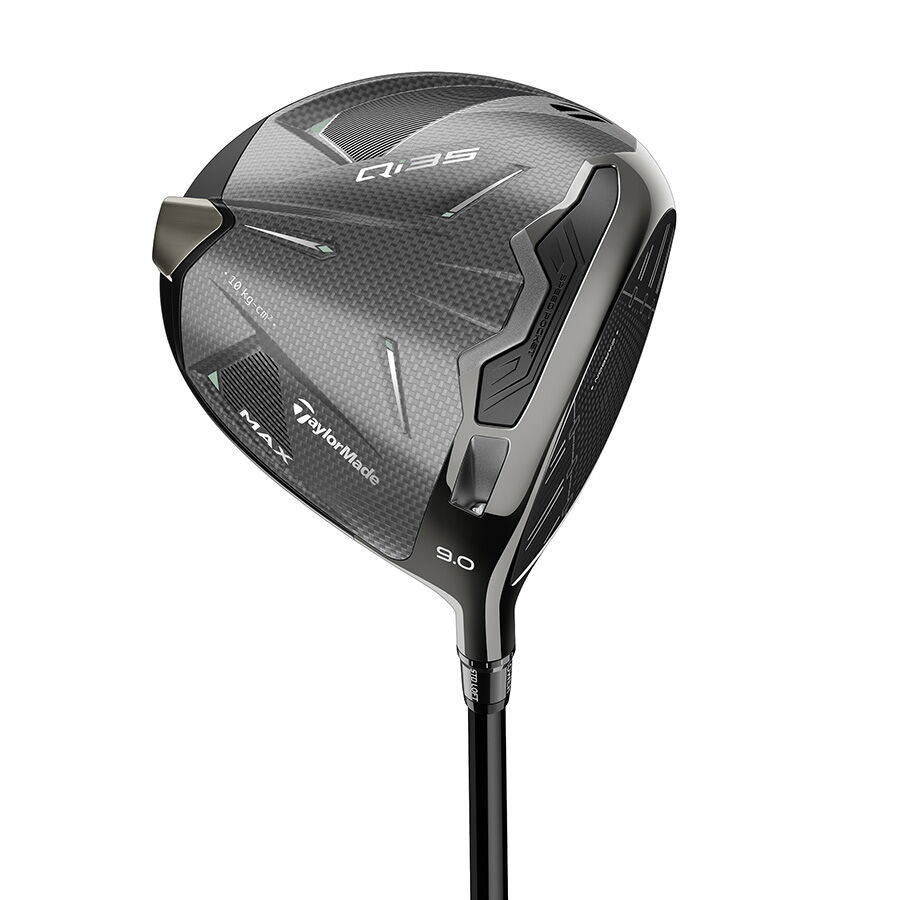
TaylorMade Qi35 Max
TaylorMade's Qi35 Max carries forward the 60X Carbon Twist Face and pushes MOI even higher with refined mass redistribution. The result is the most forgiving driver TaylorMade has ever produced.
Amazon affiliate · price subject to change
The Qi35 Max is the 2026 successor to the Qi10 Max and the consensus best max-forgiveness driver of the year. The 60X Carbon Twist Face — 60 percent lighter than titanium — carries over from the prior generation, but TaylorMade refined the mass redistribution to push MOI higher and tighten the dispersion pattern on heel-toe mishits. The redesigned hosel adjustability lets fitters dial swing-specific launch, the 60X Carbon crown saves grams that get repurposed into a heavier sole weight, and the result is a 460cc head that quietly refuses to punish the off-center contact that costs amateur and weekend golfers the most distance.
MyGolfSpy and Golf Digest 2026 testing both rate it the top max-forgiveness driver of the year. The honest framing: this is not the longest driver on the rack — that title belongs to the Qi35 LS for tour-speed players. The Qi35 Max is the driver that puts you in the fairway five more times per round. For the 80 percent of golfers who index between 8 and 24, that trade is exactly the right one. 40 community votes confirm the loyalty.
Callaway Paradym Ai Smoke Max — The AI-Designed Forgiveness Pick

Callaway Paradym Ai Smoke Max
Callaway's AI-designed face uses machine learning across 50,000 virtual prototypes to optimize ball speed at every impact point. The Jailbreak AI Speed Frame connects the crown and sole for a satisfying, stable impact feel.
Amazon affiliate · price subject to change
Callaway's AI-designed face is the most aggressive engineering bet any driver brand made in the last two product cycles. Machine learning across 50,000 virtual prototypes shaped each zone of the face differently — Callaway calls them "micro-deflection patterns" — based on where common-handicap golfers actually make contact. The Jailbreak AI Speed Frame connects the crown and sole for a stable impact feel that rivals the Qi35 Max in side-by-side testing.
MyGolfSpy's 2026 mid-swing-speed testing rated the Ai Smoke Max the most accurate driver in the category. The catch they flagged: distance performance is merely average versus the top of the rack — the AI optimization trades peak speed for dispersion. Whether that's the right trade depends on your typical miss. If you lose more strokes per round to spray than to distance loss, the Ai Smoke Max is the right answer. 36 community votes and a 9.5 score reflect a strong second-place loyalty pattern.
Titleist TSR3 — The Tour Player's Driver
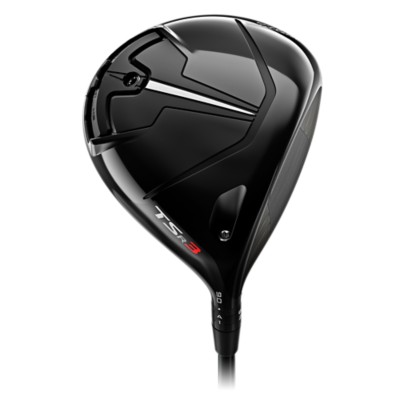
Titleist TSR3
The TSR3's SureFit adjustable CG track lets fitters dial in draw or fade bias with precision no other driver matches. Titleist's multi-plateau face design optimizes ball speed across the entire hitting area for tour-level consistency.
Amazon affiliate · price subject to change
The TSR3 is the most-played driver on the PGA Tour from the most-played brand on tour, and the SureFit Adjustable CG Track is the reason. An 8g weight moves through five positions on a rail along the rear of the head, letting fitters dial in draw, fade, or neutral bias with a precision no other driver matches. Pair that with the SureFit hosel for loft and lie adjustment and the TSR3 is the most fittable driver in 2026 — assuming you have access to a fitter who knows what to do with five weight positions.
The trade-off is the more compact 460cc head shape and the Speed Ring VFT face, which Titleist tuned to maximize speed in the center of the face at the cost of slightly less mishit tolerance than the bigger TSR2. This is a driver for low-handicap players who reward their fitters with center-face contact — the player whose miss is more often a result of swing setup than swing path. For 8-and-under handicaps, this is the pick. 32 community votes and a 9.4 score reflect that targeted-but-loyal user base.
Ping G430 Max 10K — The Forgiveness Outlier
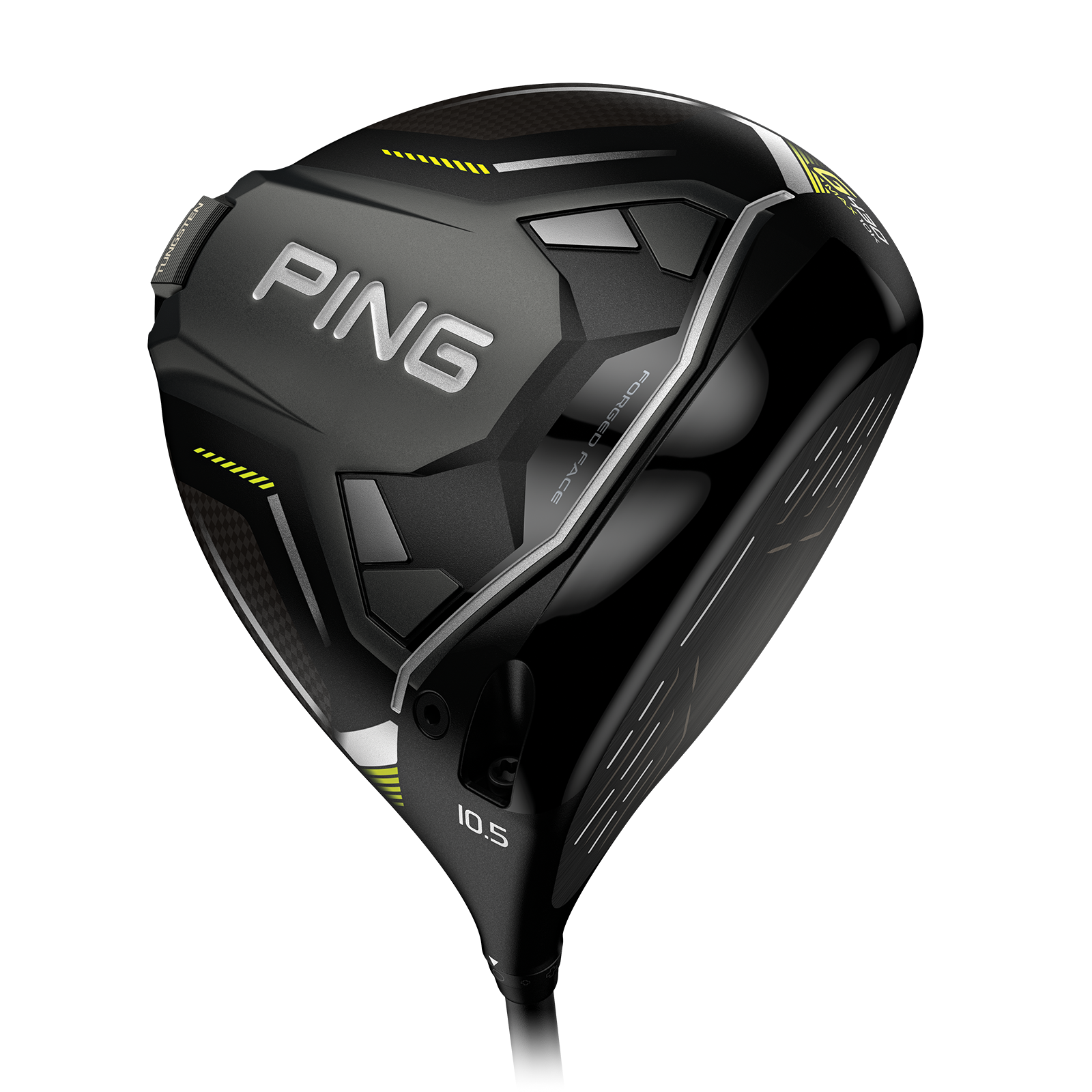
Ping G430 Max 10K
Ping's 10K MOI rating is the highest in golf — achieved through a 10-gram tungsten back weight and forged face insert. The G430 Max 10K is the ultimate 'fairway finder' for golfers who need to eliminate one side of the course.
Amazon affiliate · price subject to change
Ping built the first driver to break the 10,000 g-cm² combined MOI barrier and the G430 Max 10K is still the benchmark every other forgiveness-oriented driver gets measured against. A 28g fixed back weight pulls CG low and deep, the Carbonfly Wrap crown saves grams that get redistributed for stability, and Plugged In Golf measured 16 percent tighter dispersion versus the standard G430 Max. If your miss is anywhere on the face, this is the driver that keeps you in play.
The honest trade-off: the back weight is fixed, not movable, which removes the draw/fade bias adjustability the Titleist TSR3 and Callaway Triple Diamond offer. You dial launch with the hosel, not with the head. For mid-handicap players who want pure forgiveness and trust the fitter to set launch via shaft and loft, this is the rational pick. Today's Golfer called it "the King of Forgiveness" and the community ranking agrees — 30 votes, a 9.2 score, and a steady third-place share in the high-MOI segment.
The Performance Tier
Cobra DS-ADAPT Max — The Value-Tier Adjustability King
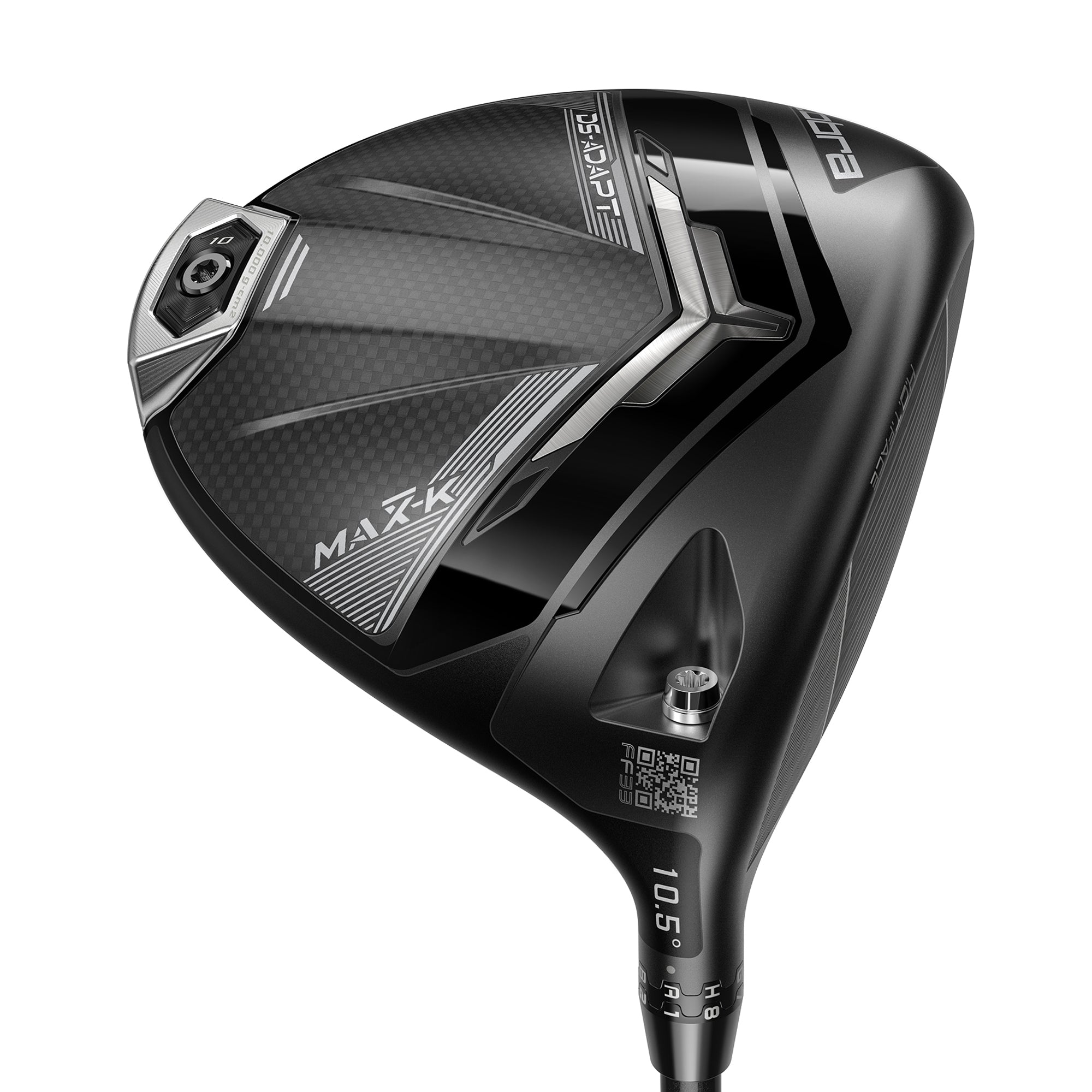
Cobra DS-ADAPT Max
Cobra's DS-ADAPT Max uses a FutureFit33 hosel with 33 unique loft/lie configurations and a refined PWR-BRIDGE weight pad. Near-premium performance at a price below the big three.
Amazon affiliate · price subject to change
Cobra retired the Darkspeed line in 2026 and the DS-ADAPT Max is the line successor. The headline feature is the FutureFit33 hosel — 33 distinct loft and lie configurations, independent loft and lie adjustment of plus-or-minus two degrees each. That's more granular adjustability than any competitor at this price band, and it matters specifically for buyers who do not have access to a full custom fitting. The PWR-BRIDGE weight pad carries over from the Darkspeed generation, connecting internal and external mass to reduce spin on mishits.
At $549 the DS-ADAPT Max sits $50 below the TaylorMade, Callaway, and Titleist flagships, and that price gap has historically held through the season. Multiple reviewers have called it "the smart shopper's pick" — 90 percent of premium-tier feel for 90 percent of the price. The driver does not produce the absolute refinement of the Qi35 Max in side-by-side testing, but the gap is much smaller than the price gap. 28 community votes and a 9.1 score back the value framing.
Callaway Paradym Ai Smoke Triple Diamond — The Tour-Head Bomber

Callaway Paradym Ai Smoke Triple Diamond
The Triple Diamond is the workable, better-player head in Callaway's Ai Smoke line: a compact 450cc profile with a movable weight that shifts from the rear (near-Max forgiveness) to the front (unapologetic low spin). It launches easier than most low-spin drivers and shapes shots on command.
Amazon affiliate · price subject to change
The Triple Diamond is the tour-head variant of the Ai Smoke lineup — a more compact 450cc profile, a neutral CG, and lower spin than the Max. This is the head Callaway tour staff actually game, and the head Callaway-loyal high-swing-speed amateurs reach for when the Ai Smoke Max is launching too high or spinning too much. The face technology is identical to the Max; the geometry is what changes.
Pair this with a stiff or X-stiff shaft and the Triple Diamond becomes a serious bomber's option for players who want Callaway's AI face technology in a tour-spec head. The shape demands center-face contact — there's less mishit forgiveness than the Max — but the lower spin profile unlocks distance for high-speed swingers. 26 community votes and a 9.0 score reflect the niche-but-loyal positioning.
The Specialist Tier
TaylorMade Qi35 LS — The Low-Spin Sibling to the Qi35 Max
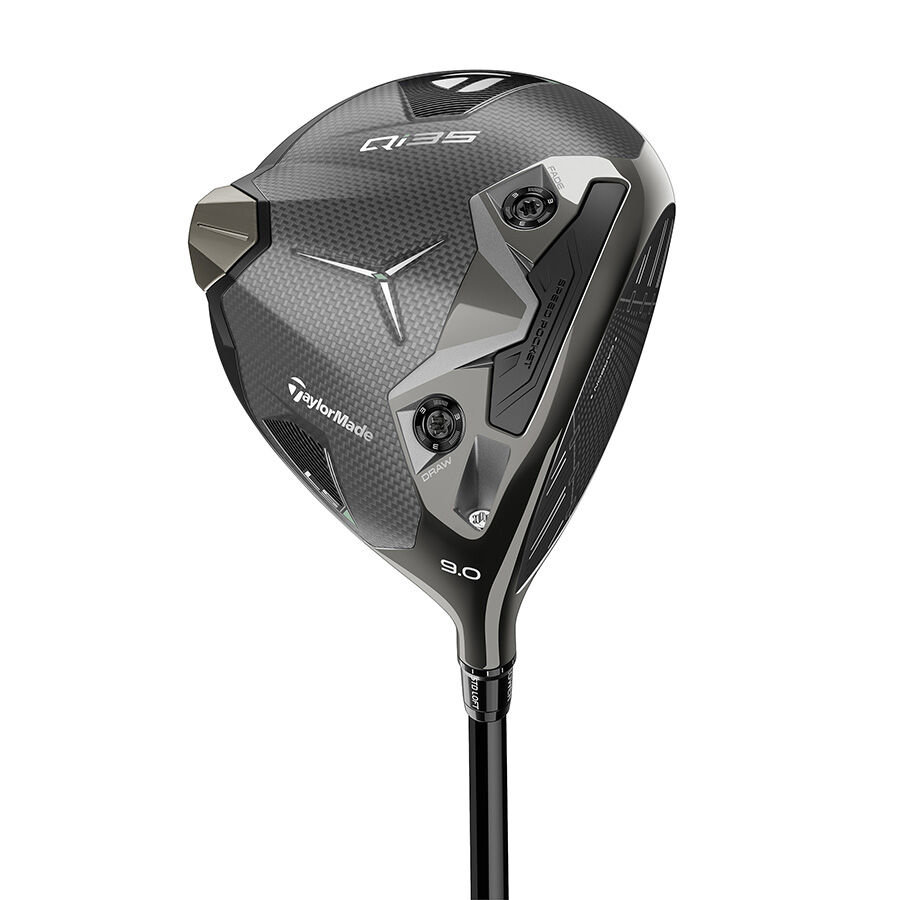
TaylorMade Qi35 LS
The low-spin variant of the Qi35 family drops spin versus the Max, unlocking distance for high-swing-speed players. The 60X Carbon Twist Face carries over, giving it the same mishit forgiveness in a lower-spin package.
Amazon affiliate · price subject to change
The LS is the head you reach for if your driver swing speed clears 105 mph and the Qi35 Max is leaving distance on the tee due to excess spin. The 60X Carbon Twist Face carries over from the Max, but the head shape is more compact and the CG sits lower-and-more-forward to drop spin by roughly 200-400 RPM. Stock shaft options trend stiffer and lower-launching: Mitsubishi Diamana T+, Fujikura Ventus Black TR, and the TaylorMade-spec Qi35 LS graphite.
This is the bomber's TaylorMade. The Qi35 LS rewards center-face contact with serious distance gains versus the Max — and punishes mishits more than the Max, which is the whole point. If you swing the driver under 100 mph or your miss pattern is inconsistent, this is the wrong driver. If you're 105-plus and your fitter is sending you home with a Max because your spin is too low, ignore the fitter. 24 community votes and an 8.8 score from a small but committed user base.
Titleist TSR2 — The Set-and-Forget Titleist
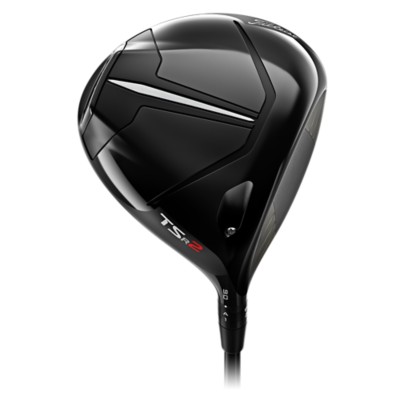
Titleist TSR2
The TSR2 is Titleist's do-everything driver: a 460cc head with a Multi-Plateau variable-thickness face that holds ball speed on off-center hits and a low-forward CG that launches high with reduced spin. The 16-position SureFit hosel gives more fitting range than any rival, with a tour-credible, slightly draw-biased flight.
Amazon affiliate · price subject to change
The TSR2 is Titleist's highest-MOI driver — a 460cc head with a fixed back weight that maximizes forgiveness — and it's the Titleist for golfers who do not want the SureFit Adjustable CG Track learning curve. The face is tuned to deliver high ball speed across the entire hitting area, which makes it a more forgiving option than the TSR3 for mid-to-high handicaps. At $549 it also sits $30 below the TSR3, which is meaningful for golfers who weren't planning to spend $599 on a driver in the first place.
This is the right Titleist for buyers who want the tour brand without the tour adjustability. If you don't have a fitter you trust, the TSR2 is the simpler spend. If you do, you probably want the TSR3. 22 community votes and an 8.6 score reflect that "Titleist for the rest of us" positioning.
Cleveland Launcher XL2 — The Anti-Slice Pick
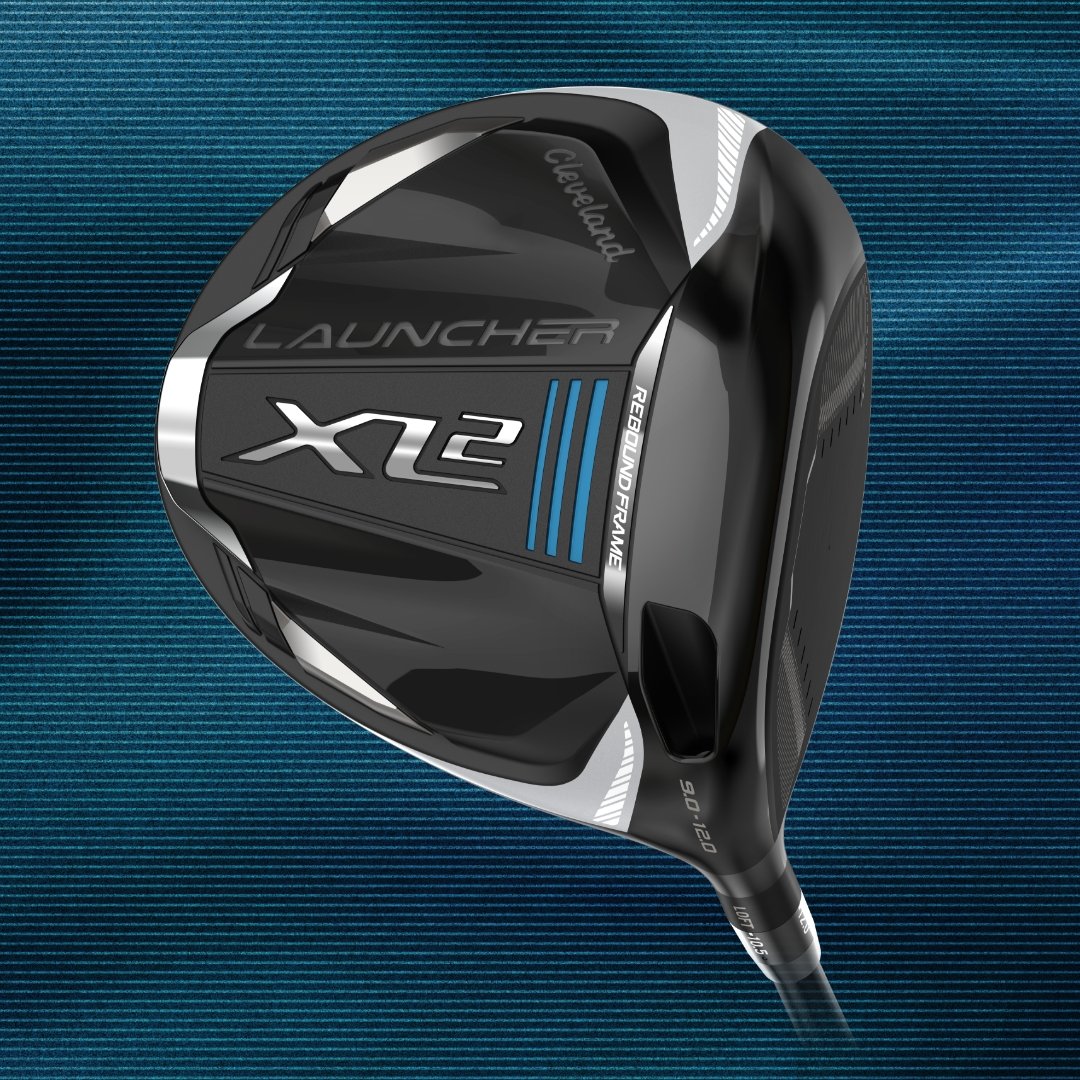
Cleveland Launcher XL2
The Launcher XL2 is Cleveland's forgiveness-and-value play: a high-MOI 460cc head with a Rebound Frame face for ball speed and an 8-gram Action Mass CB counterweight in the butt of the shaft that steadies tempo and helps square the face. It comes in a standard head and a dedicated Draw model built to fight a slice — both at roughly 25% less than the big-brand flagships.
Amazon affiliate · price subject to change
Cleveland's Action Mass CB technology puts 8g in the back of the shaft — not the head — to slow swing tempo and square the face at impact. For high-handicap golfers whose primary miss is a slice, this is the most genuinely useful technology in the 2026 driver field. The Launcher XL2 also runs $449, which makes it the most credible spend in the sub-$500 tier for golfers who want a real driver and not a budget-shelf compromise.
The trade-off is that the Launcher XL2 won't produce the premium feel of the flagship four — the impact sound is slightly tinnier, the dispersion pattern on center-face contact is wider, and the resale value will be lower in two seasons. For golfers who are unlikely to upgrade for at least three more years, none of that matters. If you slice the ball and you want a driver that helps you stop, this is the cheapest credible answer in the 2026 field. 20 votes, an 8.4 score.
Mizuno ST-Max 230 — The Quiet Value Flagship
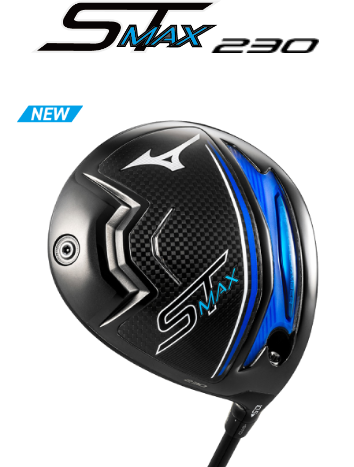
Mizuno ST-Max 230
The max-forgiveness model in Mizuno's ST 230 line and the value pick of this list — a 460cc, high-MOI head with a fast Cortech-chamber titanium face and an adjustable hosel, now down to around $300 as prior-generation stock. Mizuno rotated it off its direct catalog after launching the 2026 JPX One flagship, but the ST-Max 230 is still widely stocked at retail and remains the smart buy for forgiveness-first players who don't need the newest face tech.
Amazon affiliate · price subject to change
Mizuno does not have the woods marketing budget of TaylorMade or Callaway, but the Cortech face technology — variable-thickness zones mapped to real player impact data — is real engineering, not marketing copy. The ST-Max 230 carries Mizuno's iron-forging pedigree into the wood category at $399, which is the cheapest driver on this list and the easiest spend for golfers stepping up from a sub-$200 entry head.
The honest framing: you will not find a Mizuno tour pro to validate the choice. Mizuno's tour presence in woods is essentially zero, which costs the brand mindshare and resale value. But the head itself is well-built, the face technology is credible, and the price-to-performance ratio on a fitted ST-Max 230 is better than most casual buyers expect. 18 votes and an 8.2 score reflect that quiet-but-loyal user base.
Buying Guide: The Three Decisions That Matter
Forgiveness or distance — pick one, then optimize for it. Driver decisions get hijacked by golfers who try to maximize both. The Qi35 Max and G430 Max 10K maximize forgiveness; the Qi35 LS and Ai Smoke Triple Diamond maximize distance for high swing speeds. Trying to do both produces a compromise driver that does neither well. Decide which problem is costing you more strokes per round, then pick the head that solves it. Under 100 mph driver swing speed → forgiveness; over 105 mph with consistent center-face contact → distance; everything in between → forgiveness, because variance kills more strokes than distance gains.
Get fit. Seriously. The driver matters less than the shaft. A $599 head with the wrong shaft will play worse than a $399 head with the right one. Driver shafts vary in weight from 40g to 80g, in flex from senior to extra-stiff, and in launch profile from low-spin-bomber to high-launch-easy-up. The right driver-and-shaft combination depends on club-head speed, attack angle, and swing tempo — three numbers a fitter measures in 20 minutes on a launch monitor. Without a fitting, picking a driver off the shelf is mostly aesthetic preference dressed up as analysis. If you're spending $400-plus on a head, spend the $50-$150 on a fitting first.
The 2025 model is almost always the smart buy. Driver heads are on a 12-to-18-month refresh cycle and the year-old model usually drops to 50-70 percent of the launch price by Father's Day. The 2026 Qi35, Paradym Ai Smoke, TSR3, and G430 Max 10K are real refinements over their 2025 predecessors, but the differences are 2-3 percent at the margins. If your budget tops out at $400, last year's flagship is meaningfully better than this year's value pick. For dad gifts this Father's Day, a refurbished Qi10 Max at $349 from a major retailer beats a brand-new ST-Max 230 at $399 on raw performance.
For the full community ranking with current prices and live vote counts, head to Gavler's Best Golf Drivers list. Architecture first — a 10K MOI hangtag vs a compact low-spin head vs a prior-generation remnant — is the golf-driver buying guide. If you are also shopping the broader sports category, the Gavler Sports hub covers community-ranked picks across golf, tennis, running, surfing, pickleball, road biking, and ski helmets. For golfers who also play tennis, the companion Best Tennis Rackets list and the Best Tennis Rackets brief cover the most-decided racket-sport category in the 2026 field.
See all 10 products ranked by the community
Best Golf Drivers
See Full Rankings →276 community votes cast
Common Questions
The TaylorMade Qi35 Max tops Gavler's community ranking with a 9.7 score and 40 votes. The 60X Carbon Twist Face — 60% lighter than titanium — pairs with refined mass redistribution that pushes MOI higher than the outgoing Qi10 generation. It's the most forgiving driver TaylorMade has ever shipped, and the consensus pick for moderate-swing-speed players who want to stop punishing themselves on heel-toe mishits. MyGolfSpy and Golf Digest 2026 testing both rate it the top max-forgiveness driver of the year.
Yes. The G430 Max 10K is the first driver to break the 10,000 g-cm² combined MOI barrier and still holds the title for the most forgiving driver any major brand has shipped. A 28g fixed back weight pulls CG low and deep, the Carbonfly Wrap crown saves grams that get redistributed for stability, and Plugged In Golf measured 16% tighter dispersion versus the standard G430 Max. If your miss is anywhere on the face, this is the driver that keeps you in play. The trade-off is that the fixed weight removes draw/fade adjustability — you tune launch with the hosel, not with the head.
TSR2 if you want maximum forgiveness and a deeper, more confidence-inspiring head shape at address. TSR3 if you want adjustability. The TSR3's SureFit Adjustable CG Track lets fitters move an 8g weight across five positions to dial in draw, fade, or neutral bias — adjustability the TSR2 does not offer. The TSR3 is also the most-played driver on the PGA Tour, which tells you who its target buyer is. For mid-to-high handicaps the TSR2 is the smarter spend; for 8-handicap-and-under players who want tour-grade adjustability, the TSR3 is the right choice.
The Cleveland Launcher XL2 at $449 is the consensus answer for golfers who fight a slice. Cleveland's Action Mass CB technology puts 8g in the back of the shaft to slow tempo and square the face at impact, which is genuinely useful for high-handicap players whose primary miss is a slice. For value distance and forgiveness, the Mizuno ST-Max 230 at $399 — Cortech variable-thickness face mapped to real player impact data — is the cheapest credible driver in the 2026 field. Above $500 the Cobra DS-ADAPT Max at $549 is the price-leader on adjustability with 33 loft/lie combinations through the FutureFit33 hosel.
Max-MOI drivers (TaylorMade Qi35 Max, Ping G430 Max 10K, Titleist TSR2, Cobra DS-ADAPT Max) prioritize forgiveness — the head resists twisting on off-center hits, so heel-toe mishits lose less ball speed and stay in play. Low-spin drivers (TaylorMade Qi35 LS, Callaway Paradym Ai Smoke Triple Diamond, Titleist TSR3 in some setups) prioritize distance for high-swing-speed players whose centered strikes were leaving distance on the tee due to excessive spin. The right pick depends on your swing speed and miss pattern. Under 100 mph driver swing → max-MOI. Over 105 mph driver swing with center-face contact → low-spin. Between 100-105 mph or inconsistent strike → max-MOI for the safer outcome.
The Callaway Paradym Ai Smoke uses machine learning across 50,000 virtual prototypes to shape each individual zone of the face differently based on common impact locations, optimizing ball speed and spin across the entire hitting surface. MyGolfSpy's 2026 mid-swing-speed testing rated it the most accurate driver in the category. The catch: independent testing has shown the Ai Smoke Max is merely average in raw distance versus top performers — the AI optimization trades peak speed for tighter dispersion. Whether that trade is worth it depends on whether your typical miss is distance loss or directional spray. For most weekend players, dispersion matters more.
Rankings come from community votes by people who actually game the drivers. Each user gets one vote on the Best Golf Drivers list — pick the head you would put in the bag tomorrow for your Saturday round. Switched drivers mid-season after a fitting? Move your vote. No affiliate commissions or manufacturer sponsorships influence the ranking. Vote totals at the time of publication appear next to each pick on the live list.
Products Mentioned
Jump to the full ranking and community verdict for each pick named above.
- TaylorMade Qi35 MaxSports · Best Golf Drivers
- Callaway Paradym Ai Smoke MaxSports · Best Golf Drivers
- Titleist TSR3Sports · Best Golf Drivers
- Ping G430 Max 10KSports · Best Golf Drivers
- Cobra DS-ADAPT MaxSports · Best Golf Drivers
- Callaway Paradym Ai Smoke Triple DiamondSports · Best Golf Drivers
- TaylorMade Qi35 LSSports · Best Golf Drivers
- Titleist TSR2Sports · Best Golf Drivers
- Cleveland Launcher XL2Sports · Best Golf Drivers
- Mizuno ST-Max 230Sports · Best Golf Drivers