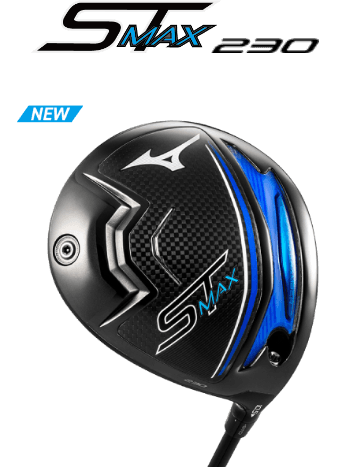
Mizuno ST-Max 230.
The max-forgiveness model in Mizuno's ST 230 line and the value pick of this list — a 460cc, high-MOI head with a fast Cortech-chamber titanium face and an adjustable hosel, now down to around $300 as prior-generation stock. Mizuno rotated it off its direct catalog after launching the 2026 JPX One flagship, but the ST-Max 230 is still widely stocked at retail and remains the smart buy for forgiveness-first players who don't need the newest face tech.
The Verdict.
Gavler Meta-Score
“The value pick of the list. Now that Mizuno's 2026 JPX One is the flagship, the prior-generation ST-Max 230 has slid to around $300 at retail — a forgiving, adjustable 460cc driver with real brand pedigree for roughly half the price of the newest thing. Buy it if you value forgiveness and price over having the latest face tech.”
The Gavler Verdict
The Gavler Review.
Mizuno ST-Max 230 Review: The Value Play in a Flagship-Priced Category
Ranked 10th on Gavler's Best Golf Drivers list with a score of 8.2, the Mizuno ST-Max 230 is the value pick of the group, and it earns that label honestly. This is a 460cc, high-MOI driver with real forgiveness, an adjustable hosel, and Mizuno's build quality, now selling for around $300 at retail after the brand's 2026 JPX One took over as the flagship. The trade-off is equally honest: you're buying a prior-generation head, not the newest face technology on the market. If that trade is fine with you, the ST-Max 230 is one of the smarter buys on this entire list. If you want Mizuno's latest materials, look elsewhere in the lineup.
What it is
The ST-Max 230 is the forgiveness-first member of Mizuno's ST 230 driver family, a line that also included the more compact ST-Z and ST-X models. It's a 460cc head tuned for high launch and maximum stability, built around Mizuno's Cortech Chamber construction — a fast titanium face paired with an internal weighted chamber set low and back in the head. That placement pushes the center of gravity toward the rear, which is the mechanism behind the driver's forgiveness on off-center strikes. An adjustable hosel lets a fitter dial in roughly plus or minus 2 degrees of loft along with draw or fade weighting, so the head can be set up neutral or biased toward correcting a slice.
What's changed since launch isn't the club, it's the calendar. Mizuno confirmed it had no new driver release in 2025, meaning the ST 230 lineup carried the brand through three full seasons before the 2026 JPX One arrived — Mizuno's first driver built with a Nanoalloy face, a material developed with Toray that the company says stores and releases more energy at impact than traditional titanium. Mizuno's Chris Voshall told Golf.com the new face technology "didn't feel like an evolution of anything we'd done before... it felt like the start of something completely new," which is why the brand reset its driver naming from ST back to JPX rather than calling it an ST 240. With JPX One now the $599 flagship, Mizuno rotated the ST-Max 230 off its direct catalog. It remains widely stocked at retailers, typically around $300 — well below its original launch price and roughly half the cost of the new flagship.
In use
Golf Monthly's Joe Ferguson tested the ST-Max 230 head-to-head against the TaylorMade Qi10 Max and Ping G430 Max 10K at Saunton Golf Club, using a SkyTrak+ launch monitor, and came away impressed with how it stacked up against two of this list's own top-ranked drivers: "Directly competing with the TaylorMade Qi10 Max and the Ping G430 Max 10K drivers is a brave play, but Mizuno have produced a very competitive product. The classy looks will appeal to many and the sophisticated impact feel will please the purists." He also called it "very easy to launch" and noted the feel at impact was "more subtle than some of the other most forgiving drivers on the market," with sound that stayed controlled rather than loud.
The dispersion numbers backed up the eye test. Ferguson set up an imaginary 25-yard-wide fairway using range flags and, over roughly 100 test swings, missed it cleanly with just 11 balls — an 89% simulated fairway-hit rate he called "one I would be very happy with." The one real performance caveat was spin: he measured spin rates roughly 250 rpm higher than the Qi10 Max and G430 Max 10K, which cost him a bit of raw distance in his testing, though he flagged that a higher-spin profile can actually help golfers with different launch conditions than his own.
MyGolfSpy's testing team reached a similar conclusion about where the driver lands in the market, calling it "a top performer in current driver testing" — a thin quote on its own, but one that lines up with the more detailed, independently verified data from Golf Monthly's on-course session.
Strengths
- Genuine 460cc forgiveness. The Cortech Chamber's low-and-back weighting is built specifically to maximize stability on off-center strikes, and both the design intent and Golf Monthly's dispersion testing back that up.
- An adjustable hosel that's actually useful. Roughly plus or minus 2 degrees of loft plus draw or fade weighting options mean a fitter can genuinely tailor the head to a swing rather than offering adjustability as a checkbox feature.
- Confidence-inspiring feel and sound. Golf Monthly specifically praised the "sophisticated impact feel" and a strike sound that's powerful without being obnoxious on the range.
- Real Mizuno build quality at a discount. You're getting the same head, the same materials, and the same engineering that earned strong reviews at full price — just at roughly half the JPX One's cost.
The trade-offs — who should skip it
The honest read is that this is a prior-generation head being sold as value remnant stock, not the newest thing Mizuno makes. If you want the brand's latest face material — the Nanoalloy technology in the JPX One that Mizuno says expands the high-speed rebound zone by more than 15% versus the ST-Max — you should buy the JPX One and pay flagship pricing for it. Golf Monthly's testing also flagged a real trade-off worth weighing: spin ran roughly 250 rpm higher than category rivals, which can cost some golfers a bit of total distance depending on their swing speed and launch conditions. And because Mizuno has rotated it off its direct catalog, availability depends on retailer stock rather than a guaranteed pipeline — worth confirming before you commit to a fitting.
How it compares
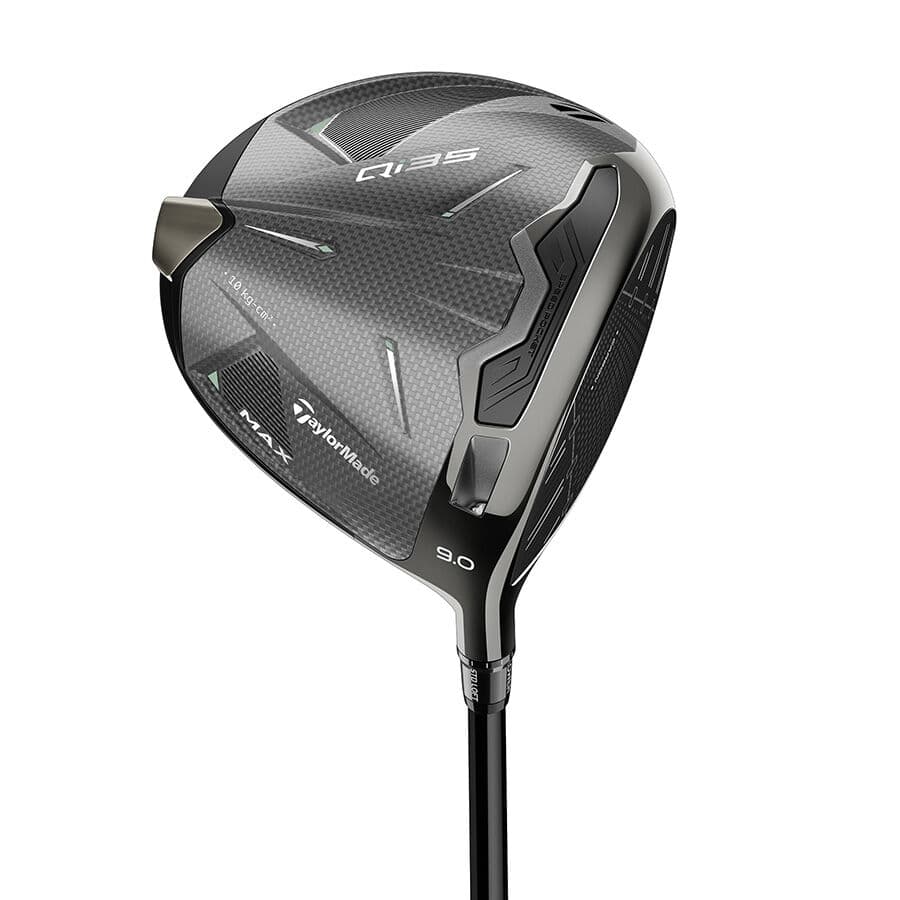
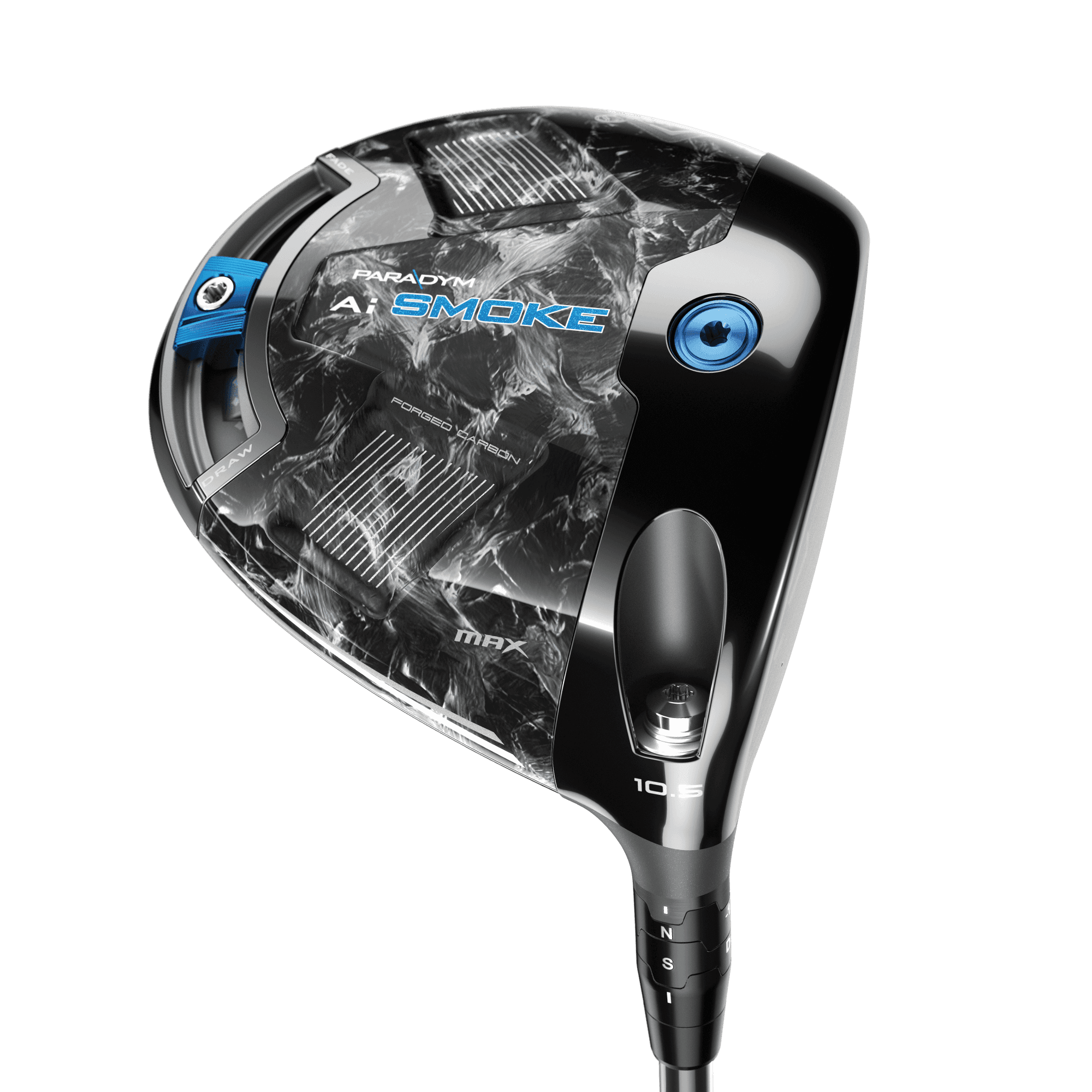
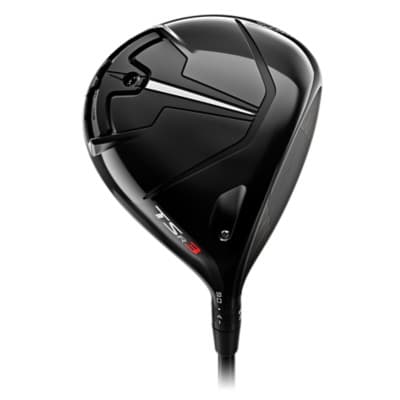
Against the current-generation drivers that occupy the top of this same list, the ST-Max 230 is playing a different game on purpose. The TaylorMade Qi10 Max and Callaway Paradym Ai Smoke Max sit at ranks 1 and 2 with newer face technology and higher scores, built for golfers who want the latest engineering and are willing to pay full flagship price for it. The Titleist TSR3 at rank 3 is a precision tool for better players who find the center of the face consistently — not really a forgiveness play at all, and not a fair comparison for the ST-Max 230's target buyer. The closest philosophical match is the Ping G430 Max 10K at rank 4, another high-MOI, forgiveness-first head, though the Max 10K is a current-generation model at a current-generation price near $599–$650, versus the ST-Max 230's roughly $300 street cost for a similar forgiveness proposition.
The practical way to think about it: if budget is a real constraint and forgiveness matters more to you than having 2026's newest materials, the ST-Max 230 gets you most of the performance these higher-ranked drivers offer at a fraction of the cost. If you can afford the newest tech and want every incremental gain, the higher-ranked, current-generation options on this list are the better buy.
The Gavler verdict
At 8.2 and rank 10 on Gavler's Best Golf Drivers list, the Mizuno ST-Max 230 is the value pick of the category, and it earns that spot honestly rather than by default. Now that Mizuno's 2026 JPX One is the flagship, the prior-generation ST-Max 230 has slid to around $300 at retail — a forgiving, adjustable 460cc driver with real brand pedigree for roughly half the price of the newest thing. Buy it if you value forgiveness and price over having the latest face tech. Skip it if the newest materials and the highest possible ball speed matter more to you than saving $300 — in that case, the JPX One or one of the current-generation drivers ranked ahead of it on this list is the smarter fit.
Common Questions
Yes, if you're buying on value rather than chasing the newest face technology. At around $300 street price, the ST-Max 230 gives you a genuinely forgiving, adjustable 460cc head with real Mizuno build quality for roughly half the cost of the 2026 JPX One flagship. It's the rank-10, value-tier pick on Gavler's Best Golf Drivers list for exactly that reason.
Mizuno confirmed it had no new driver release in 2025, so the ST 230 lineup carried the brand for three product cycles before the 2026 JPX One arrived as the new flagship with an industry-first Nanoalloy face. That transition pushed the ST-Max 230 into prior-generation, value-remnant territory, and Mizuno rotated it off its direct catalog — but it's still widely stocked at retail, now discounted well below its original launch price.
Buy the JPX One if you want Mizuno's newest face material and are prepared to pay flagship pricing near $599. Buy the ST-Max 230 if forgiveness and price matter more to you than having the latest tech — it's a proven, high-MOI head at roughly half the cost, and most golfers won't out-swing what it offers.
Yes. It's built as Mizuno's max-forgiveness model, with a large sweet area, low-and-back CG placement, and an adjustable hosel that a fitter can use to add draw bias. Golf Monthly's on-course testing found the driver kept shots startlingly on-line, missing a simulated fairway on only 11 of roughly 100 swings.
Yes. It offers roughly plus or minus 2 degrees of loft adjustment along with draw or fade weighting options, so a fitter can dial in launch and shot shape rather than locking you into one static setup.
Where to Buy.
Prices checked regularly
90-day price history
Price History
Steady at $399 for the entire 90-day tracking window — no increases, no discounts, across 91 tracked days.
Tracked daily across retailers. Vote Want itabove and we’ll alert you the moment the price drops.
Some links are affiliate links — Gavler may earn a commission. This never affects rankings or scores. Learn more.
Precision Engineering
AI-Designed Face Geometry
Variable-thickness face and CG placement engineered to maximize ball speed across the face.
Adjustable Hosel + Weights
Loft, lie, and CG adjustability lets fitters dial swing-specific launch and shot shape.
Technical Specifications
The Scoreboard
Value remnant — prior-generation ST 230 lineup, still retail-stocked at ~$300 after the 2026 JPX One took over as Mizuno's flagship. Score reflects rank 10 (value tier) in Best Golf Drivers.
Cast Your Vote
Do you think Mizuno ST-Max 230 deserves the #10 spot in Best Golf Drivers?
Global Critique
“A top performer in current driver testing.”
More from Best Golf Drivers.
See how other top picks compare in this category.
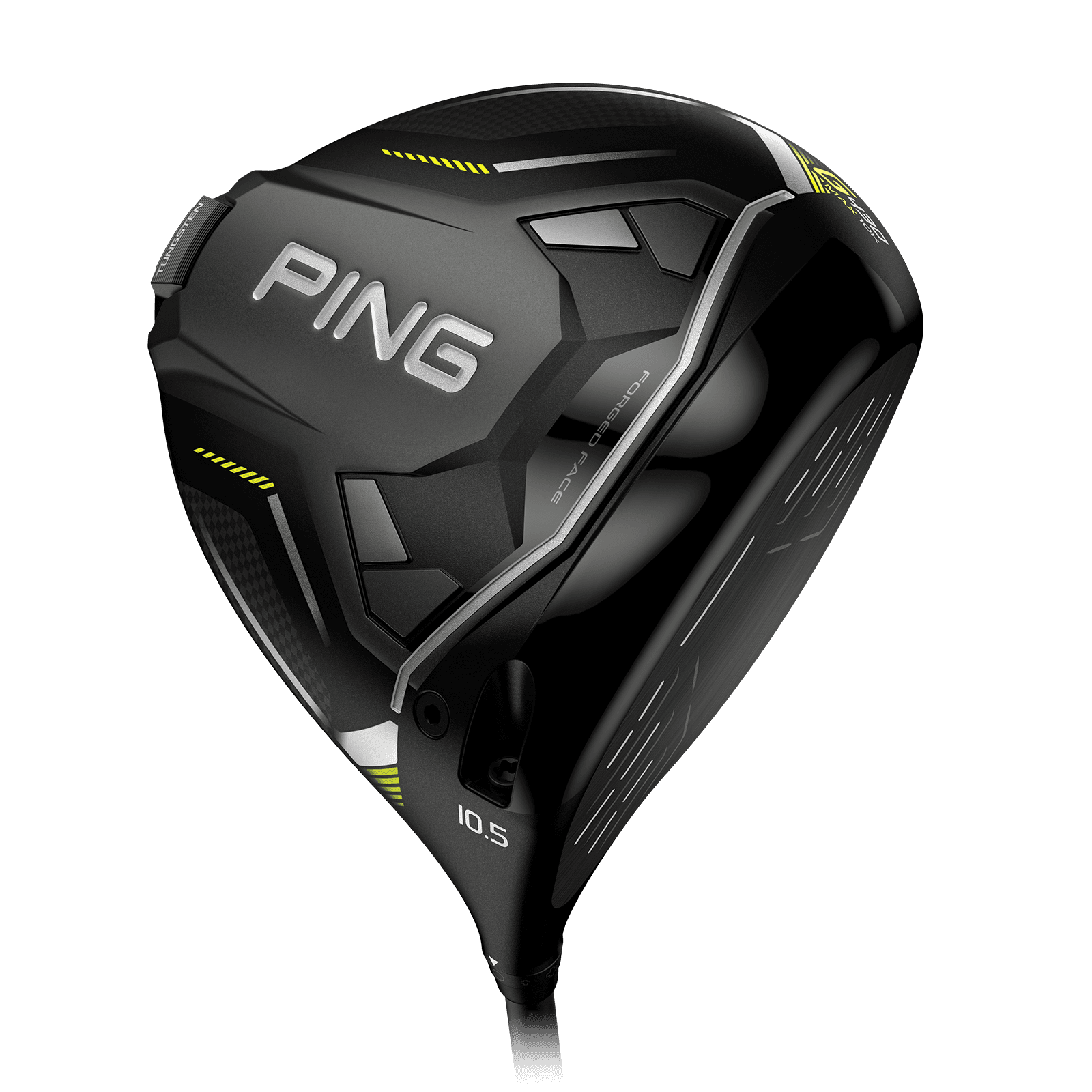
A Fairway Finder, a Tight Window, or Last-Gen Value?
A 10K MOI hangtag is the wrong first question. Fairway finder, tight window, or last-gen value is the head. Then shop Gavler's live ranking.
The Best Golf Drivers in 2026, Ranked by the Players Actually Bagging Them
TaylorMade, Callaway, Titleist, Ping. Gavler's community ranks the drivers worth bagging — from Qi35 Max forgiveness to the 10K-MOI Ping G430 outlier.