The Verdict
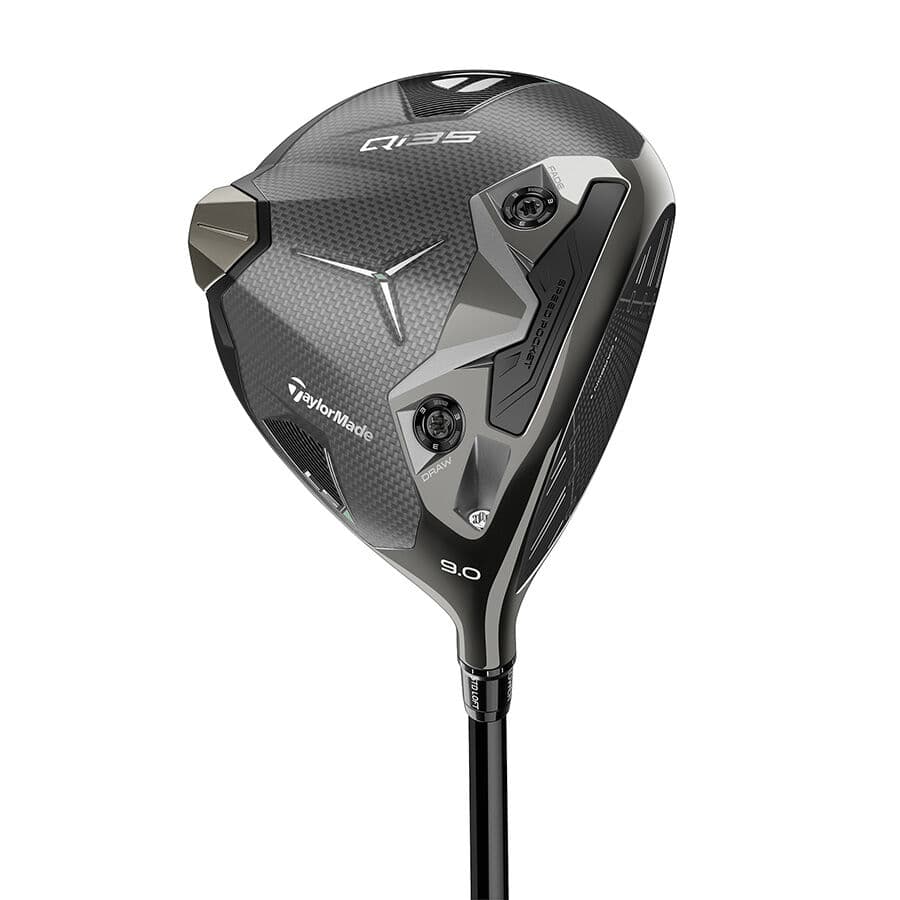
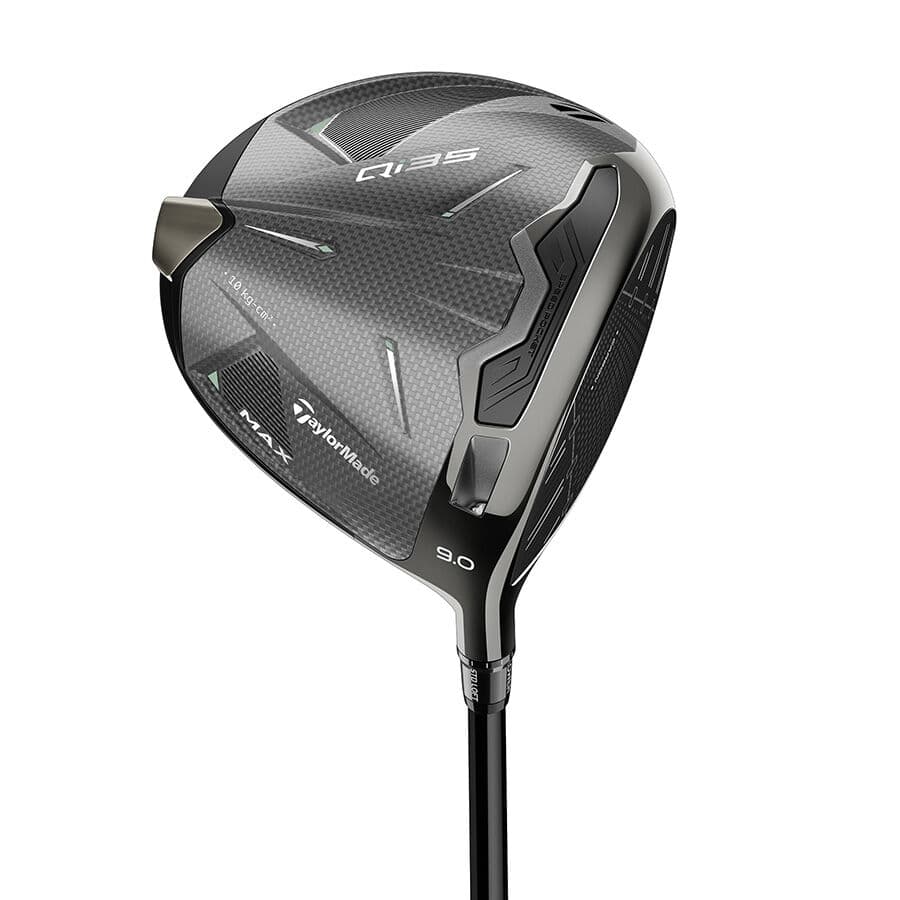
“TaylorMade's Qi35 Max carries forward the 60X Carbon Twist Face and pushes MOI even higher with refined mass redistribution. The result is the most forgiving driver TaylorMade has ever produced.”
14% STABLE
The longest, most forgiving drivers on the market — tested on launch monitors for ball speed, spin rates, and dispersion.

“TaylorMade's Qi35 Max carries forward the 60X Carbon Twist Face and pushes MOI even higher with refined mass redistribution. The result is the most forgiving driver TaylorMade has ever produced.”
14% STABLE

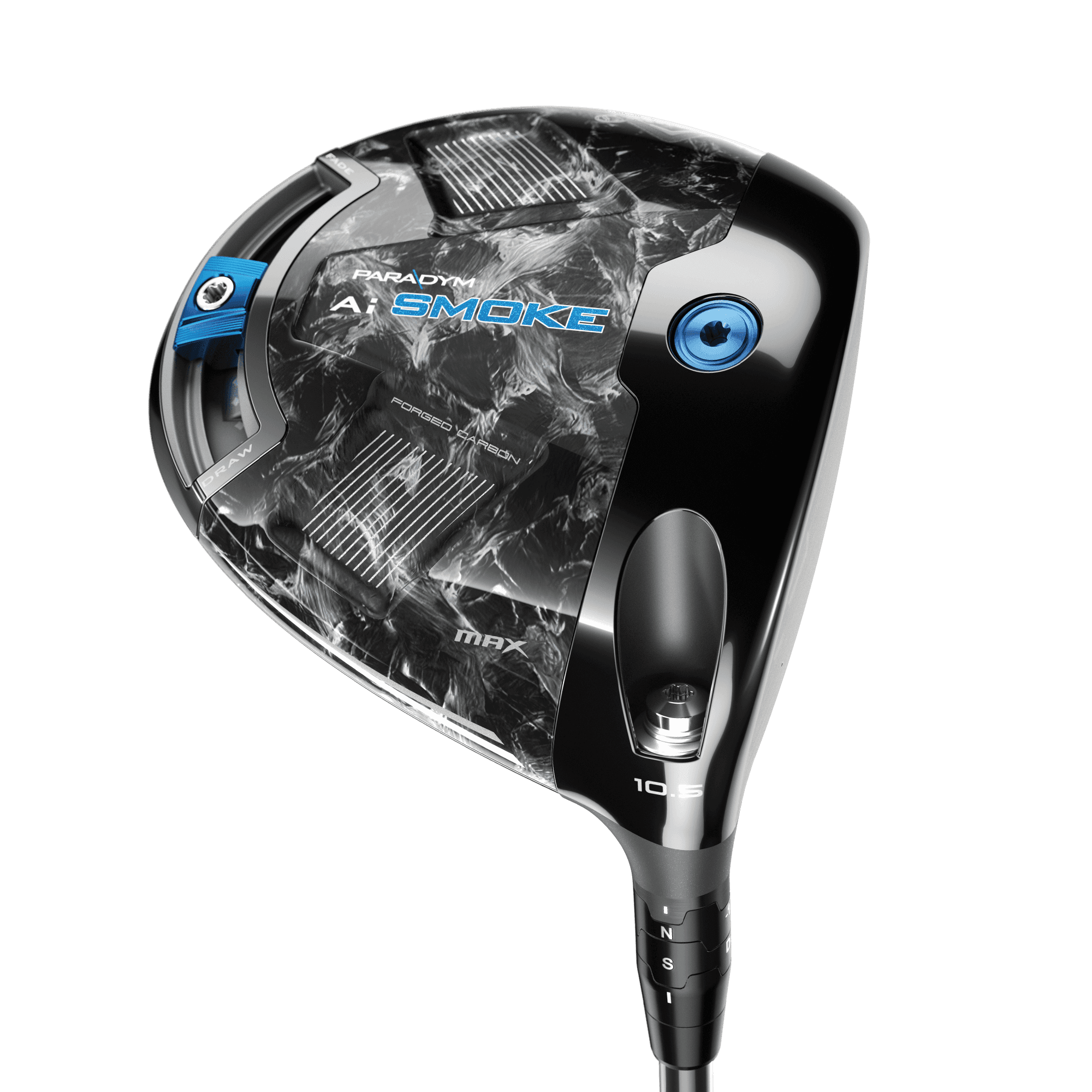
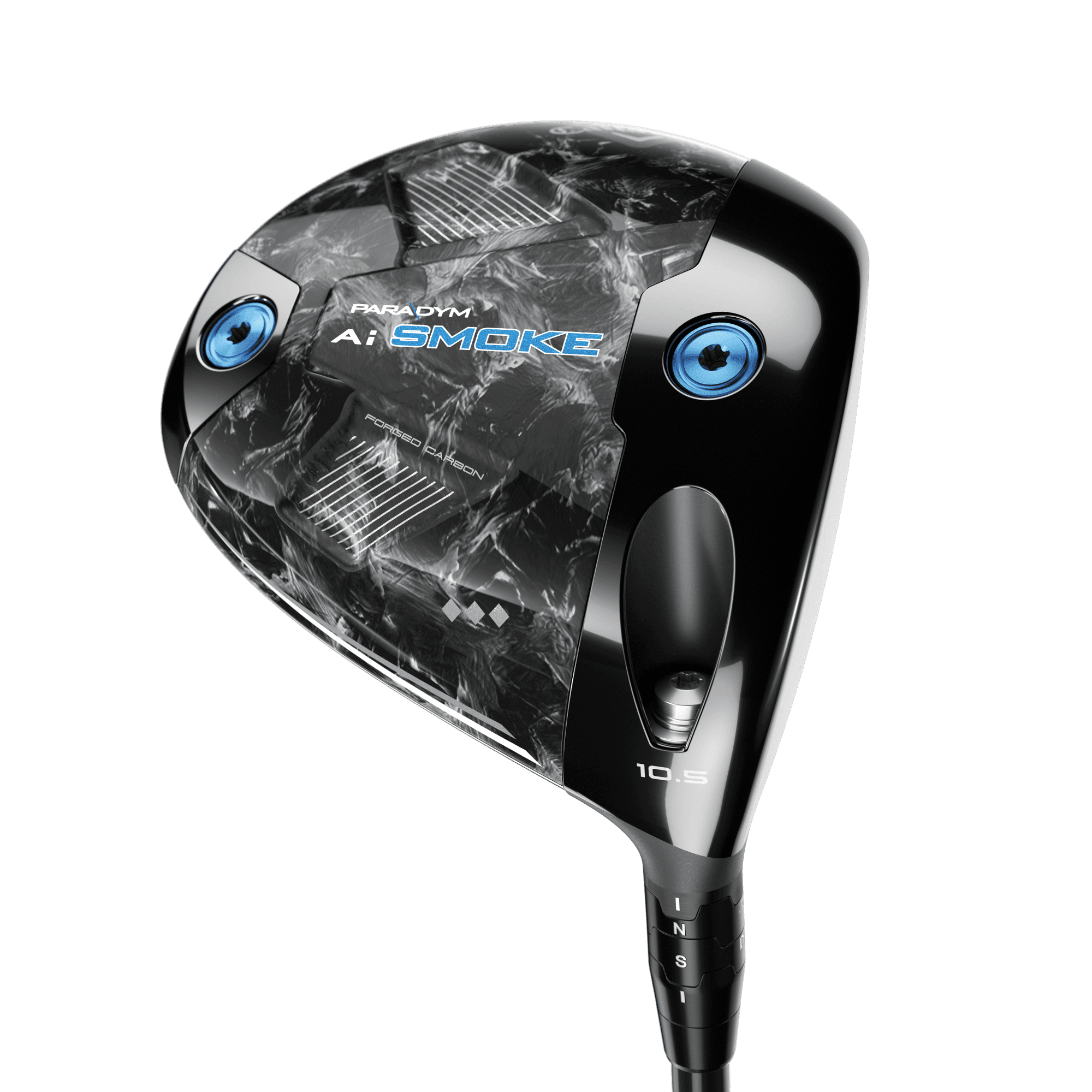
“Callaway's AI-designed face uses machine learning across 50,000 virtual prototypes to optimize ball speed at every impact point. The Jailbreak AI Speed Frame connects the crown and sole for a satisfying, stable impact feel.”
13% STABLE

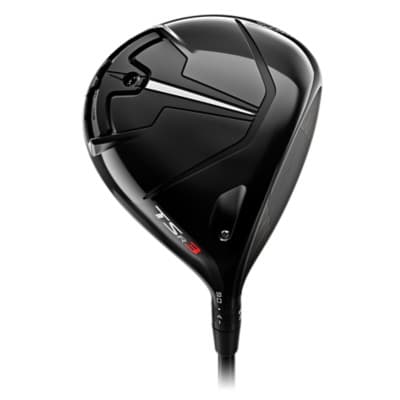
“The TSR3's SureFit adjustable CG track lets fitters dial in draw or fade bias with precision no other driver matches. Titleist's multi-plateau face design optimizes ball speed across the entire hitting area for tour-level consistency.”
12% STABLE

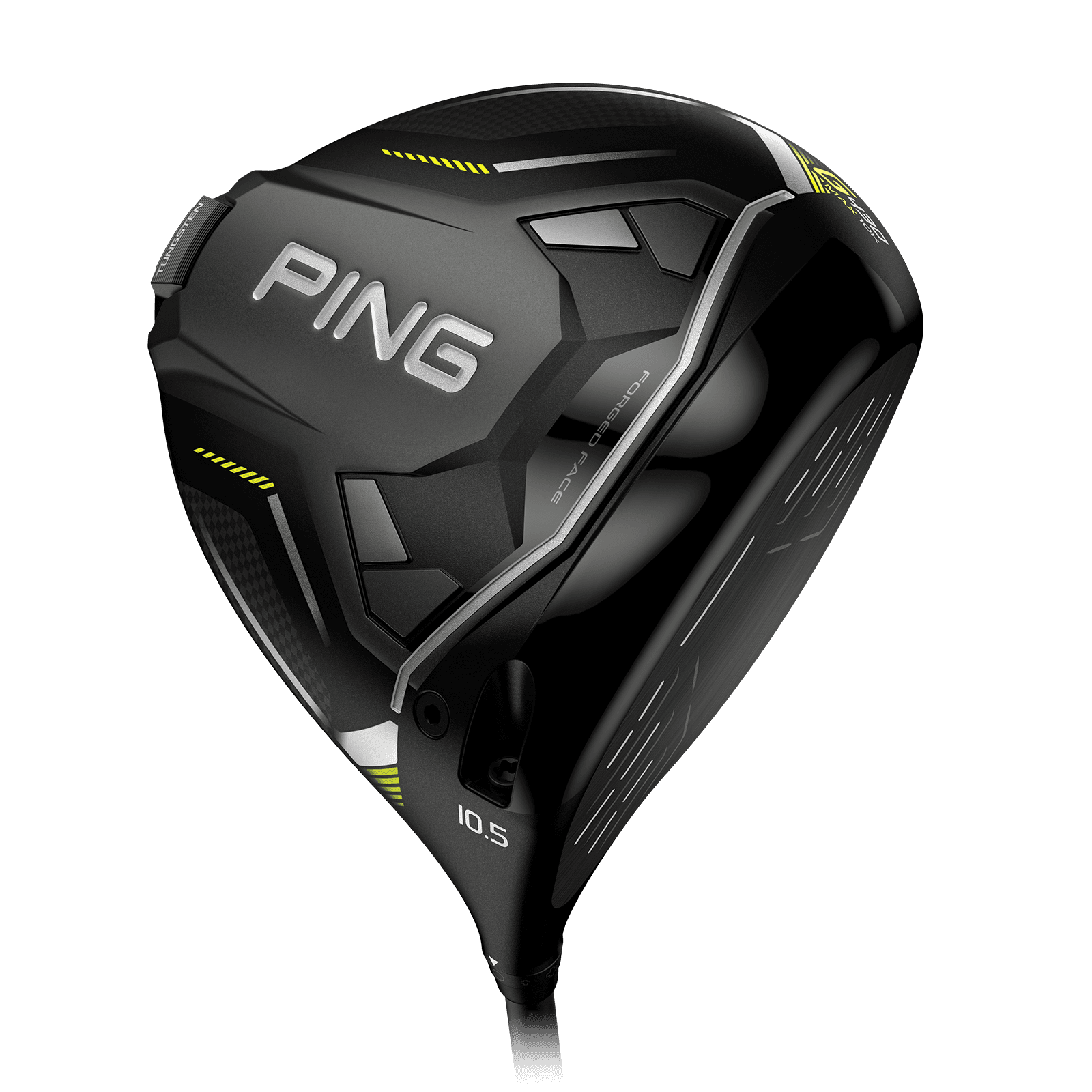
“Ping's 10K MOI rating is the highest in golf — achieved through a 10-gram tungsten back weight and forged face insert. The G430 Max 10K is the ultimate 'fairway finder' for golfers who need to eliminate one side of the course.”
11% STABLE

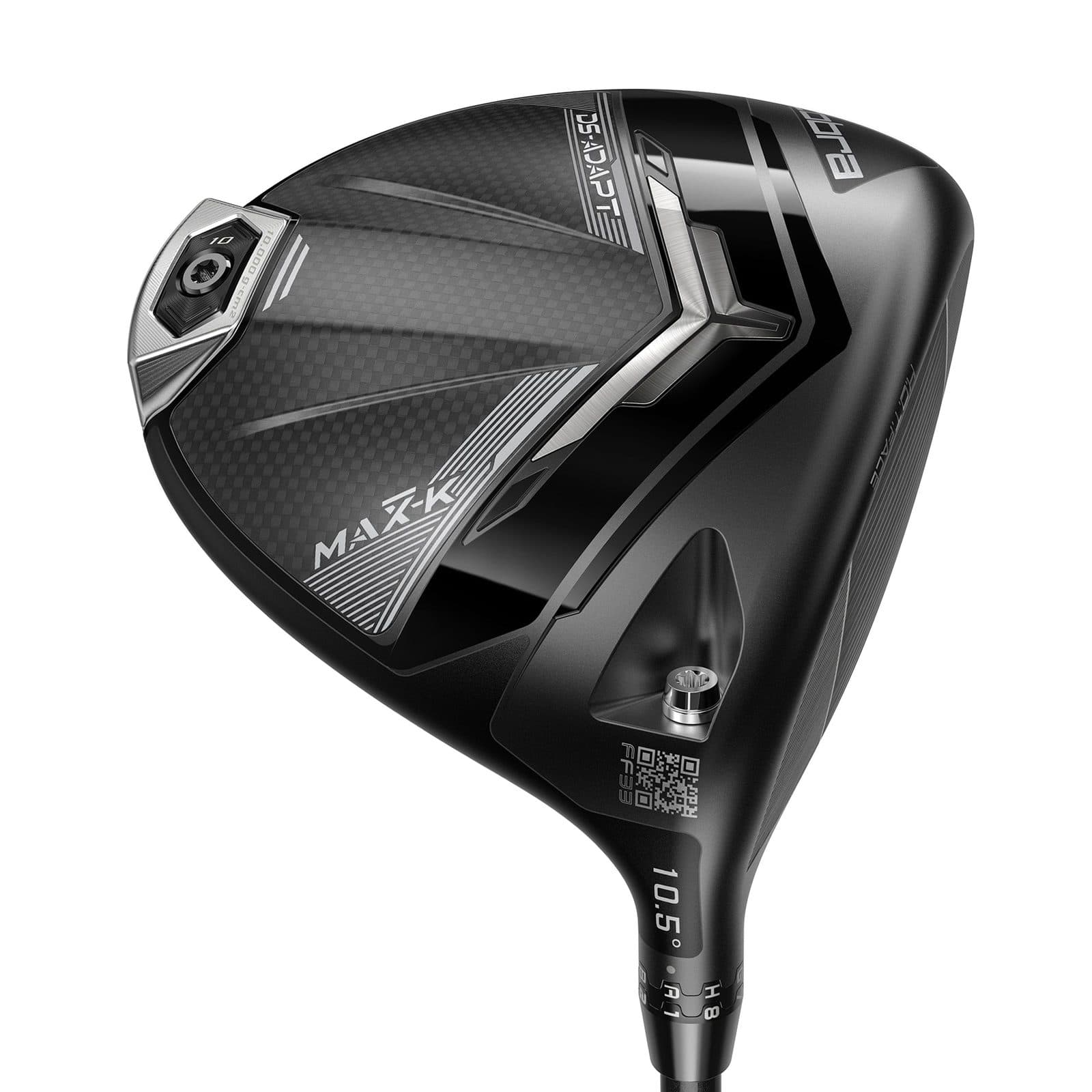
“Cobra's DS-ADAPT Max uses a Future Fit33 hosel system with 33 unique loft/lie configurations and a refined PWR-BRIDGE weight pad for tighter face-to-body integration. Near-premium performance at a price below the big three.”
10% STABLE

“The Tour head in Callaway's lineup — a compact 450cc profile with a neutral CG that better players shape into draws and fades on command. Lower spin than the Max makes it the bomber's choice when paired with a stiff shaft.”
9% STABLE

“The low-spin variant of the Qi35 family drops spin versus the Max, unlocking distance for high-swing-speed players. The 60X Carbon Twist Face carries over with refined hosel adjustability.”
9% STABLE

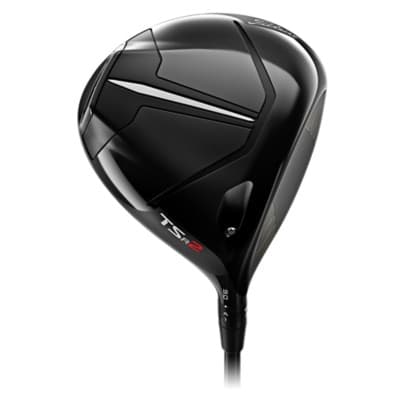
“The TSR2 is Titleist's highest-MOI driver — a 460cc head with a fixed back weight that maximizes forgiveness. It's the set-and-forget choice for mid-handicappers who want Titleist tour credibility without the adjustability learning curve.”
8% STABLE

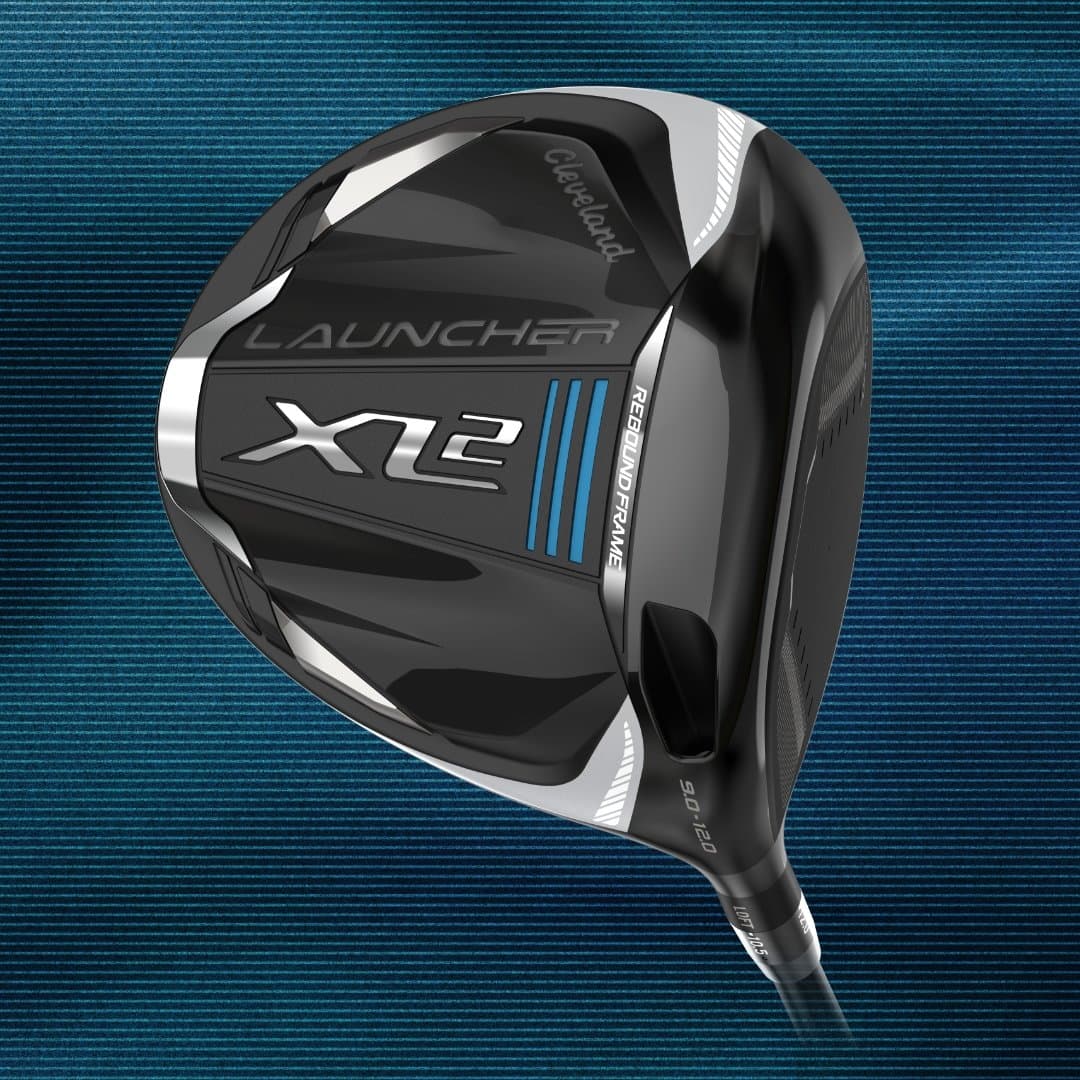
“Cleveland's Action Mass CB technology puts 8g in the back of the shaft to improve tempo and square the face at impact. The Launcher XL2 is the best driver under $450 for golfers who fight a slice.”
7% STABLE
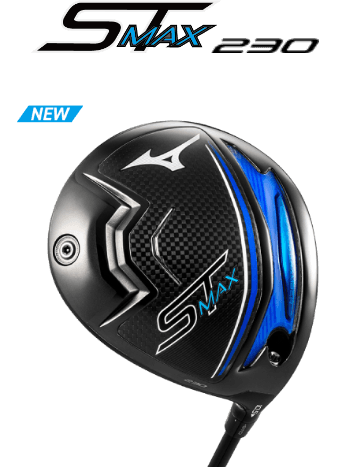
“Mizuno's Cortech face uses variable thickness zones mapped to real player impact data for optimized ball speed where you actually hit it. The ST-Max 230 carries Mizuno's iron-forging pedigree into woods at an accessible price.”
7% STABLE
Match loft to your clubhead speed: under 90 mph favors 12-13 degrees to maximize launch; 90-105 mph is the sweet spot for 10-11 degrees; over 105 mph can play 8-9 degrees without losing carry. The TaylorMade Qi35 Max ships in 9, 10.5, and 12 degrees with ±2 degrees of adjustable loft sleeve, so one head covers most swing profiles. Modern adjustable hosels mean the printed loft is a starting point — get fit on a launch monitor if you can. The goal is launching at 14-17 degrees with 2,200-2,800 rpm of spin for max carry.
Yes — for the vast majority of amateur golfers, mishits are the rule, not the exception. High-MOI heads like the TaylorMade Qi35 Max (10K MOI) and Ping G430 Max 10K hold ball speed across the face better than tour-style heads, meaning off-center strikes lose less distance and curve less. The tradeoff is workability: forgiving heads launch high with neutral-to-draw bias and don't shape shots easily. Unless you carry a single-digit handicap and shape your tee shots intentionally, the forgiveness pick almost always plays better.
Modern adjustable drivers (Cobra DS-ADAPT Max, TaylorMade Qi35, Ping G430) let you change loft (±2 degrees), lie angle (upright/flat), and on some heads face angle or weight distribution. Loft sleeves are the most impactful — adding 1-2 degrees of loft is the single biggest fix for low-launch low-spin players who balloon shots or lose carry. Movable weights (Callaway Paradym Ai Smoke models, Titleist TSR3) shift the center of gravity to bias draw, fade, or pure neutrality. Get fit before adjusting — random tinkering rarely improves outcomes.
More than the clubhead, for most golfers. The stock shaft on a $600 driver is often a basic version of a premium shaft — fine for many players, but a fitter-recommended upgrade (Fujikura Ventus Blue, Mitsubishi Tensei AV Blue/White, Project X HZRDUS Black) can add 5-15 yards of carry and tighten dispersion measurably. Shaft weight (50-70g) and flex (Regular/Stiff/X-Stiff) matter as much as the brand. The clubhead is the chassis; the shaft is the engine. A great head on the wrong shaft is worse than a mid-tier head on the right shaft.
Driver heads do not wear out structurally for 5-7 years of normal play — the face does not crack and the COR does not degrade in any meaningful way. The reason to upgrade is technology drift: every 2-3 years brings real ball-speed and forgiveness gains across the top brands. A driver from 2019 (e.g., TaylorMade M5/M6, Callaway Epic Flash) is meaningfully behind a 2026 TaylorMade Qi35 Max or Callaway Paradym Ai Smoke Max in MOI and off-center performance. If your current driver is more than 4 years old, a fitting is worth the appointment fee.
Rankings combine expert review aggregation with community voting. Each driver receives a Gavler Score (out of 10) based on professional reviews from MyGolfSpy, Golf Digest, Today's Golfer, Plugged In Golf, and TXG evaluating ball speed, forgiveness (MOI), workability, sound and feel, adjustability, and stock-shaft quality. Community members cast one vote per list, so rankings reflect both expert testing and real-amateur preference across TaylorMade, Callaway, Titleist, Ping, Cobra, Cleveland, and Mizuno.
Think a product deserves a spot on this list? Submit a formal proposal with documented specs and the community will review it.