The Verdict
“The industry-standard nearfield monitor trusted in studios worldwide. The HS8's flat frequency response and tight low-end extension deliver brutally honest mixes that translate across every playback system.”
14% Solid
of 272 votes
Top-rated studio monitors for mixing, mastering, and music production — from budget nearfield speakers to high-end midfield references.

“The industry-standard nearfield monitor trusted in studios worldwide. The HS8's flat frequency response and tight low-end extension deliver brutally honest mixes that translate across every playback system.”
14% Solid
of 272 votes

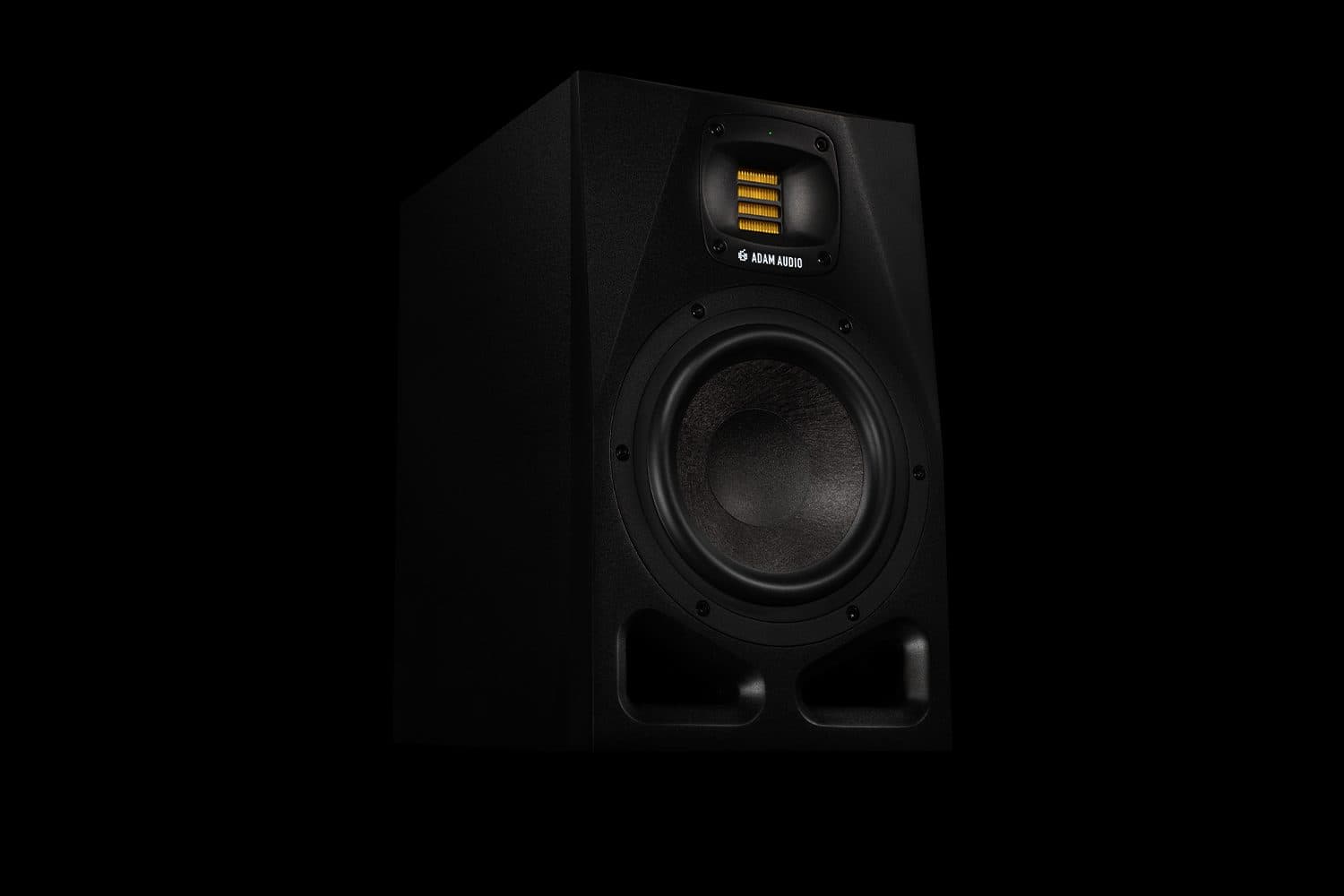
“Adam's X-ART ribbon tweeter delivers exceptional transient detail and an airy top end that reveals mix problems other monitors miss. The A7V adds DSP room correction to tame awkward acoustics.”
13% Solid
of 272 votes

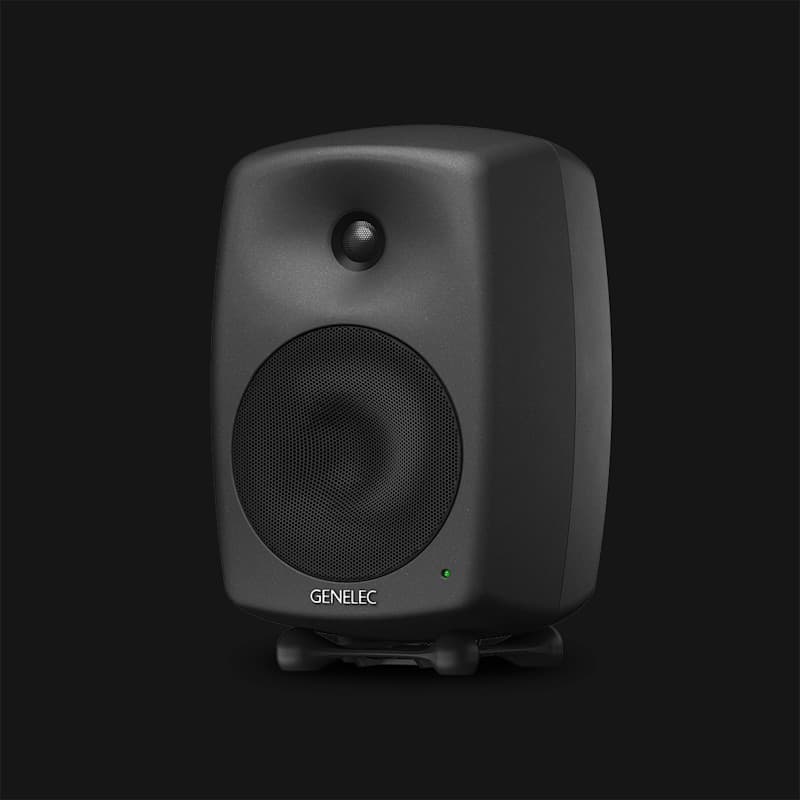
“Genelec's die-cast aluminum enclosure eliminates cabinet resonance, delivering a reference-grade midrange clarity that has made the 8040B a mastering-room staple for decades.”
11% Solid
of 272 votes

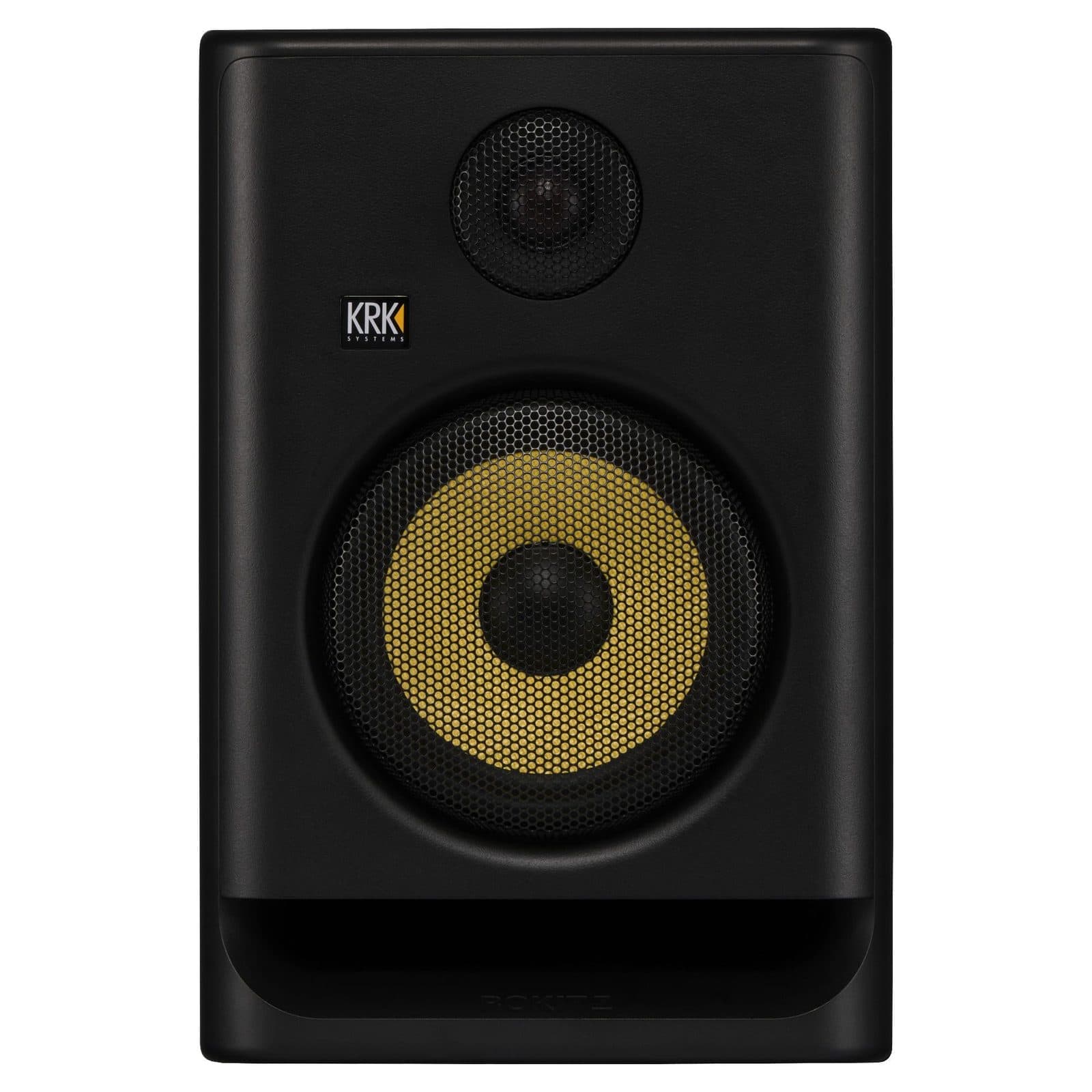
“The fifth-generation Rokit brings DSP-driven room correction and a matching app to a price point that's hard to beat. The voicing leans slightly warm, making long mixing sessions easy on the ears.”
10% Solid
of 272 votes

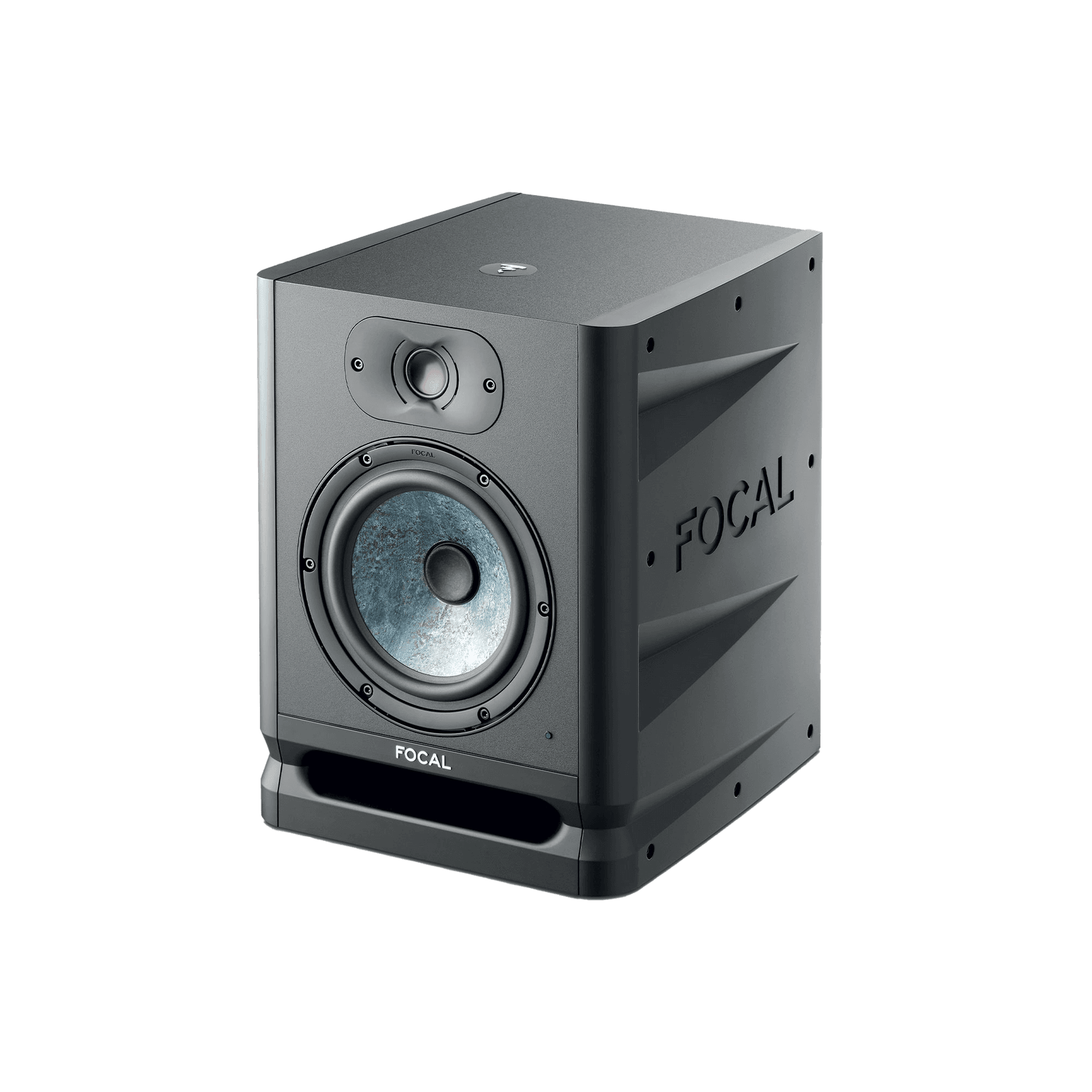
“Focal's Slatefiber cone and aluminum-magnesium tweeter produce a detailed, natural midrange that excels at vocal-heavy production. The Alpha Evo series brings Focal's French engineering to a mid-range price.”
12% Solid
of 272 votes

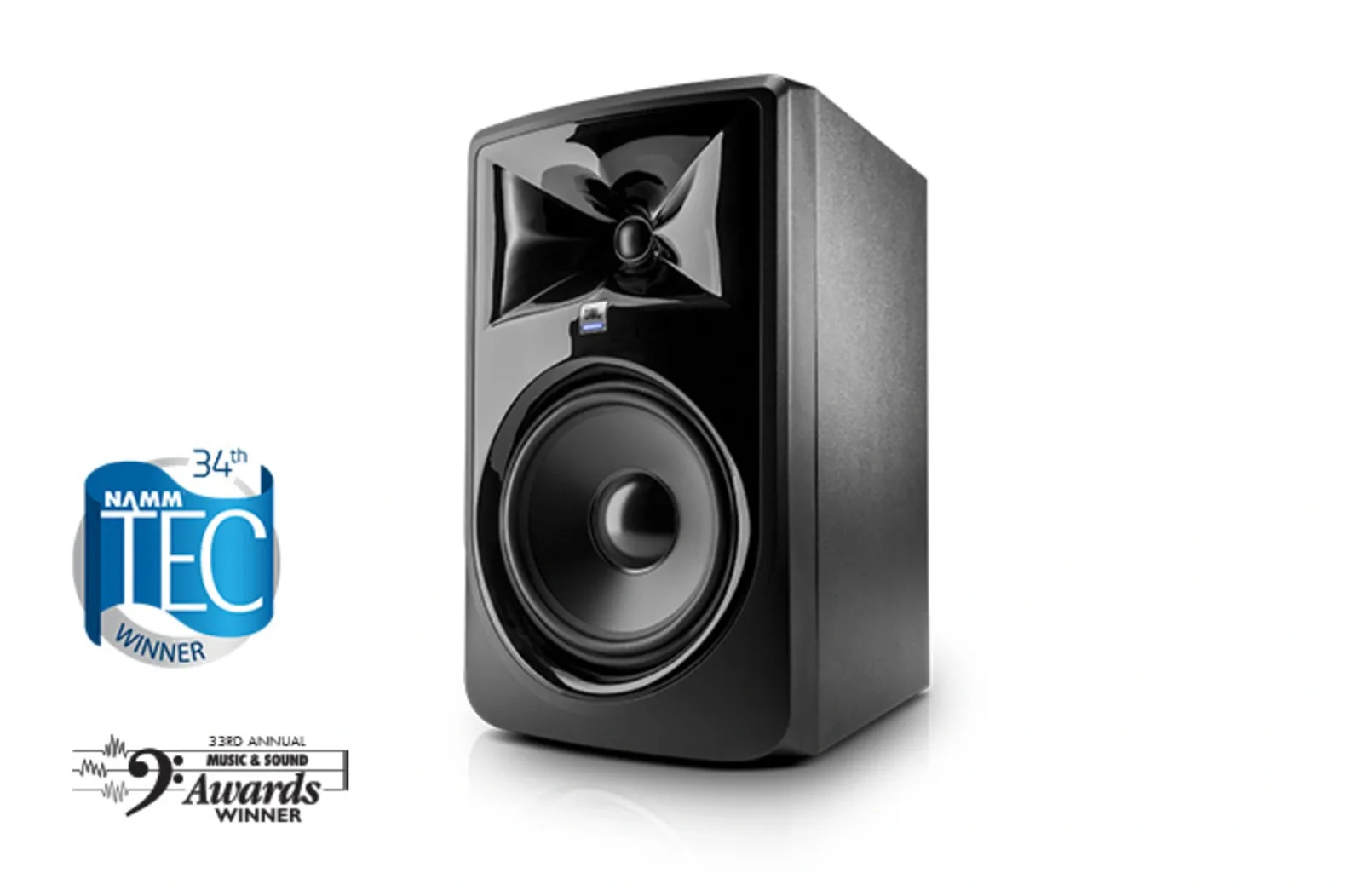
“JBL's patented Image Control Waveguide creates an ultra-wide sweet spot, letting you move around the mix position without losing stereo accuracy. Outstanding value for home studios.”
10% Solid
of 272 votes

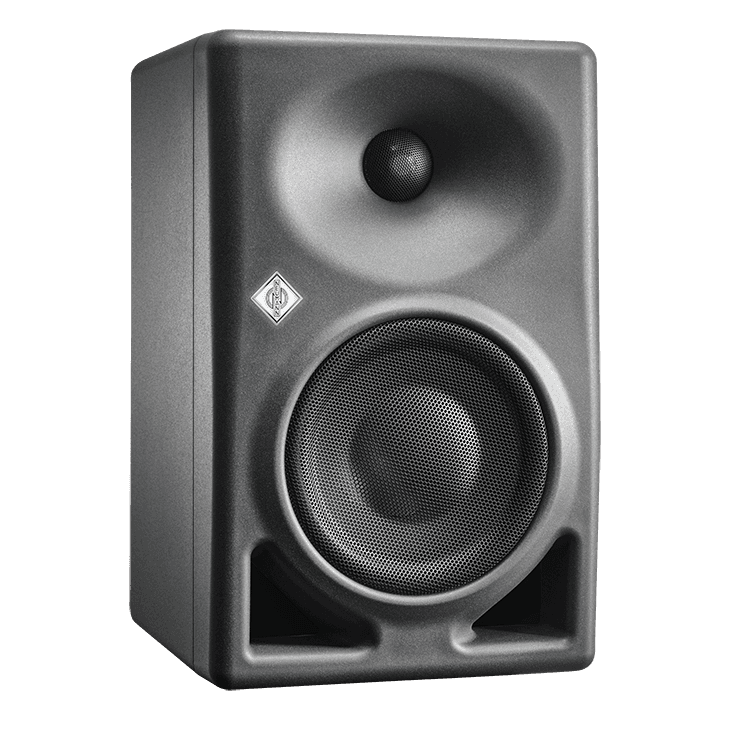
“From the microphone legends, the KH 120 II packs mathematically optimized waveguide dispersion and alignment-free DSP into a compact enclosure. Surgical precision for critical listening.”
9% Solid
of 272 votes

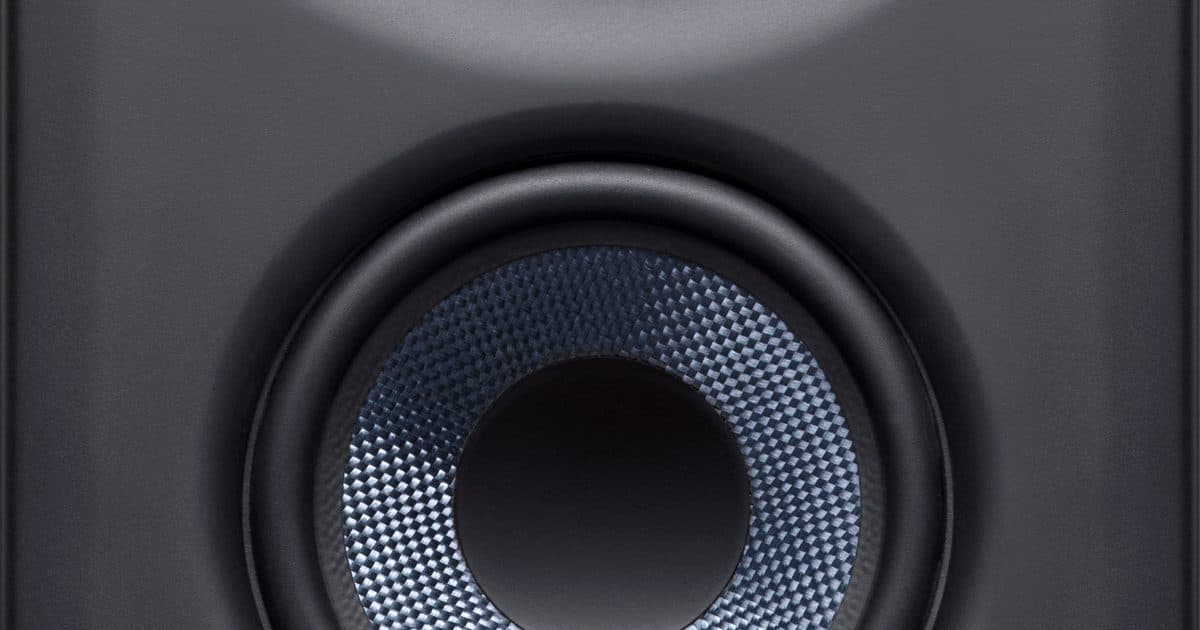
“The Eris E5 XT adds an EBM waveguide for controlled dispersion at a price that undercuts most competitors. Acoustic tuning controls on the back panel let you dial in the response for any room.”
8% Solid
of 272 votes

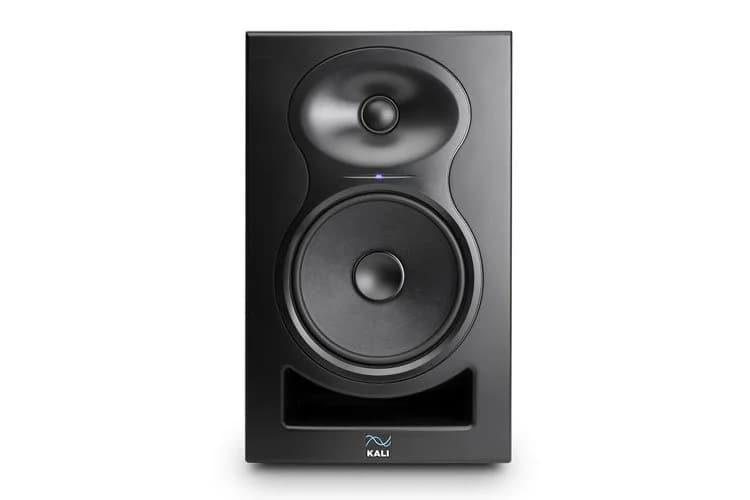
“Kali's 3D-printed waveguide and boundary EQ dip switches make the LP-6 V2 one of the most acoustically adaptable budget monitors. Punches well above its price in frequency response accuracy.”
7% Niche
of 272 votes

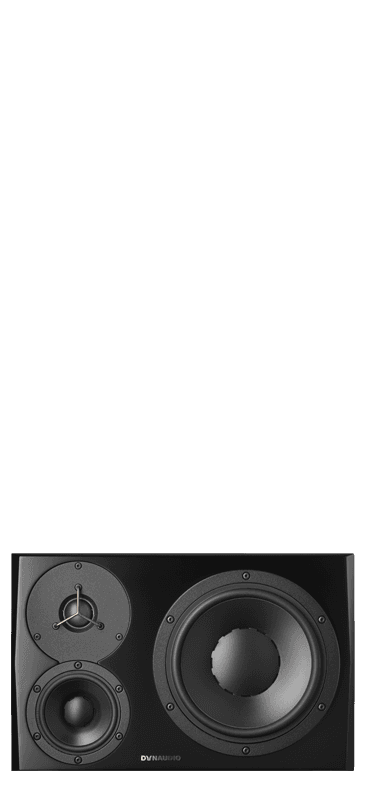
“Dynaudio's flagship 3-way midfield monitor uses a dedicated midrange driver for crossover-free vocal reproduction. The LYD 48's Class-D amplification delivers massive headroom for large control rooms.”
7% Niche
of 272 votes
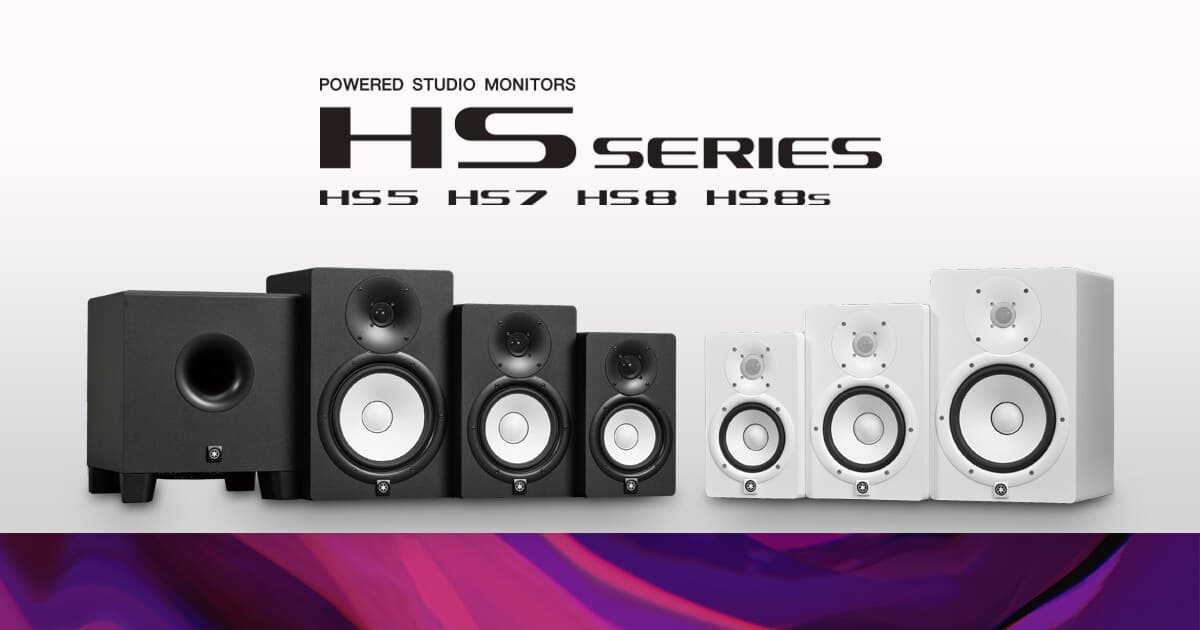
The Yamaha HS8 tops Gavler's community ranking with a 9.7 score and 38 votes. The HS8's brutally flat frequency response — extending from 38 Hz to 30 kHz at -10 dB — is the reason it has become a modern reference standard. Sound On Sound and MusicRadar both place it among the most trustworthy translation monitors near its price, and the bi-amplified 120 W design (75 W LF + 45 W HF) delivers clean headroom in mid-sized control rooms. The honest caveat: the HS8 is unflinchingly honest, which means it can be fatiguing for long casual listening — but that is the point. If you want flattering, buy hi-fi speakers. If you want monitoring, this is the cheapest credible answer at $449 each.
Nearfields are correct for most home studios. The general rule is that the speaker-to-listener distance should be one to two meters for nearfields, which matches almost every project studio and bedroom mix room ever built. Midfields like the Dynaudio LYD 48 expect a three-to-five-meter listening triangle and a treated room large enough to support it — typically over 30 square meters with bass traps and absorption panels. If your room is smaller than a two-car garage, a nearfield will translate better than a midfield because room reflections will not have time to color the signal between speaker and ear. Go midfield only when you have a purpose-built control room and a separate set of nearfields for cross-referencing.
These two answer different questions. The Yamaha HS8 is the cheapest credible 8-inch nearfield with class-leading low-end extension to 38 Hz, which means you can make bass decisions without a subwoofer in most rooms. It runs $449 each. The Neumann KH 120 II is a 5.25-inch reference-class monitor with Mathematically Modeled Dispersion waveguide and onboard DSP for room correction — it costs $799 each but resolves detail that the HS8 simply cannot reach. Pick the HS8 if your room is over 12 square meters and bass extension matters. Pick the KH 120 II if your room is smaller, your work is detail-critical (mastering, classical, jazz, voiceover), and you have a subwoofer or do not need below 50 Hz. Studios with budget for both run the HS8 as the workhorse and the KH 120 II as the detail-check reference.
The PreSonus Eris E5 XT at $179 is the cheapest credible answer with carbon-fiber LF cone construction, EBM waveguide for controlled dispersion, and rear-panel acoustic tuning controls (three low-cut options, three room-placement presets, plus mid and high trim knobs) that the Kali Audio LP-6 V2 lacks. The Kali Audio LP-6 V2 at $199 has the better measured frequency response — Audio Science Review consistently rates it higher than the Eris on raw acoustic performance — and the 3D-printed waveguide and dual-layer voice coil deliver more low-end excursion than its size suggests. The right pick depends on whether you can treat your room (Kali wins) or need on-monitor EQ to compensate for an untreated room (Eris wins). For first-time buyers with an untreated bedroom, the Eris is the more forgiving spend. For producers committed to acoustic treatment, the Kali is the better monitor.
The Genelec 8040B is the consensus answer among professionals. The 6.5-inch woofer extends down to 41 Hz with Genelec's Directivity Control Waveguide and Minimum Diffraction Enclosure, delivering pristine off-axis response and rock-solid imaging that mastering engineers need to confirm tonal decisions across the entire listening position. The 8040B is documented in Billie Eilish's 'The World's a Little Blurry' as the monitor she and Finneas use in the studio that produced six Grammy wins. At $1,350 each it is a real spend but well below the typical $3,000-and-up mastering monitor tier, and the cabinet construction and ISS power-management features mean these monitors will outlast most studio careers. The honest caveat: the 8040B is unforgiving on poorly treated rooms — these monitors expose acoustic problems other speakers hide.
Think a product deserves a spot on this list? Submit a formal proposal with documented specs and the community will review it.