Adam Audio A7V.
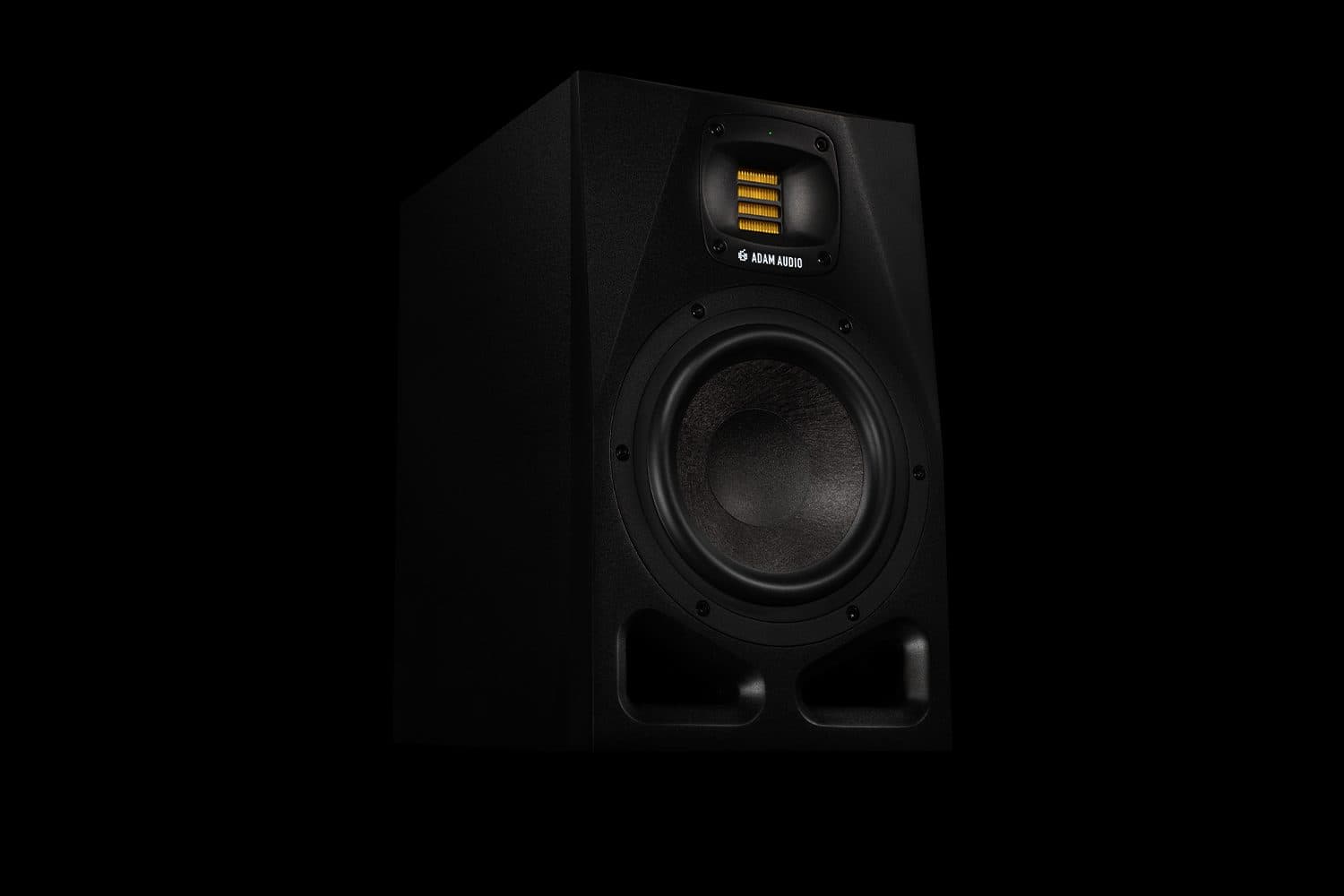
Adam's X-ART tweeter reveals transient detail other monitors miss, while onboard DSP tames difficult rooms.
The Verdict.
Gavler Meta-Score
“The A7V's X-ART tweeter delivers a level of high-frequency detail that dome-based monitors cannot match — once you hear it, everything else sounds slightly veiled. The integrated DSP room correction is the cherry on top, making these monitors adaptable to imperfect rooms without external investment. At $749 each, they represent serious value for the technology on offer.”
The Gavler Verdict
The Gavler Review.
Adam Audio A7V Review: The Ribbon Tweeter That Reveals What You've Been Missing
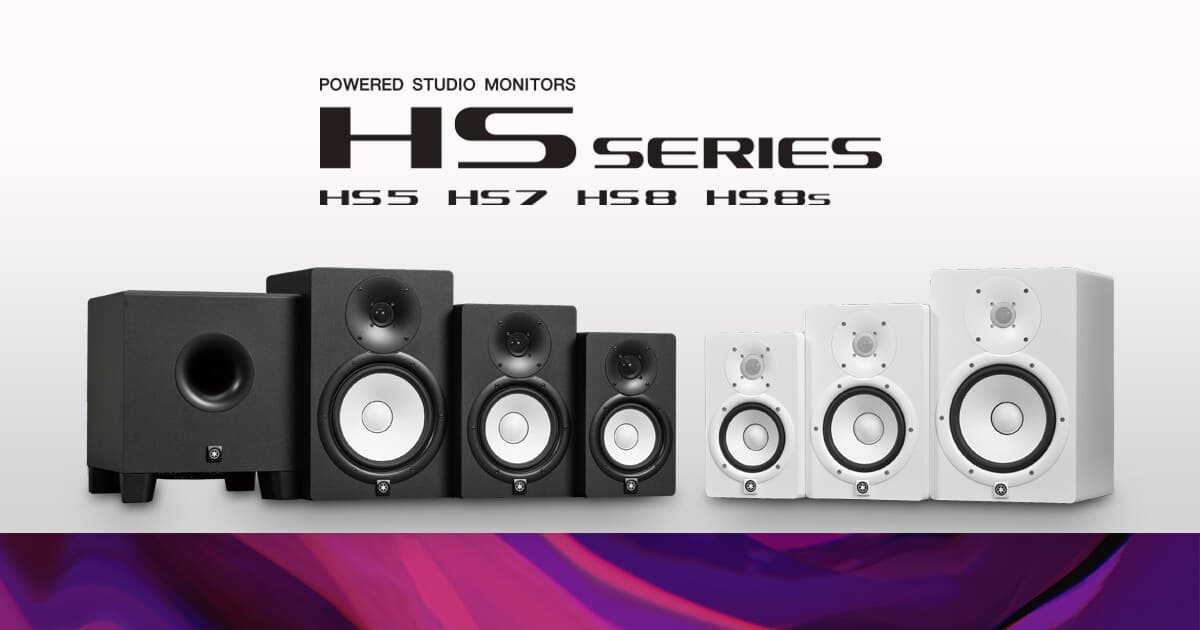
The Adam Audio A7V sits at number two on our Best Studio Monitors list with a 9.5, and what it delivers that the monitor ranked above it doesn't is detail — specifically, the kind of transient and high-frequency detail that a folded-ribbon tweeter reveals and a conventional dome tweeter simply can't. Buy it if you want the sharpest top-end resolution in this price bracket and appreciate having DSP-based room correction built in rather than bolted on. If you want the more proven, slightly cheaper flat-response reference, the Yamaha HS8 at rank one is the honest alternative. For engineers who obsess over the top two octaves of a mix, the A7V is the pick.
What it actually is
The A7V is built around Adam Audio's signature X-ART (eXtended Accelerating Ribbon Technology) tweeter — a folded-ribbon design that moves air four times faster than a conventional dome tweeter. That speed translates directly into transient response: cymbal shimmer, vocal sibilance, and reverb tails all gain a clarity and dimensionality that's immediately obvious on first listen, even to ears that don't normally notice tweeter design.
That tweeter is paired with a 7-inch carbon/glass fiber composite woofer and, notably, a substantial onboard DSP engine — the first time Adam has put DSP at the center of a monitor's design rather than treating it as an afterthought. The DSP integrates with Sonarworks SoundID Reference for measurement-based room correction using a calibration microphone, plus voicing presets (Pure, UNR, and custom) that let you tailor the monitor's character to your workflow. Power comes from Class-D amplification — 100W to the low end, 50W to the high end — and frequency response reaches down to 39Hz at -6dB. At $749 per speaker, it costs $300 more than the HS8, and the case for that premium rests almost entirely on the tweeter and the DSP.
In use
Sound On Sound's review frames the A7V as a genuine step forward for the brand, calling it "a significant step forward in the evolution of ADAM Audio's nearfield monitoring — one of the best nearfield monitors at its price point, both technically and sonically." That's a meaningful claim from a publication that reviews monitors across every price tier, and it lines up with what the spec sheet promises: real technical advancement, not just a refreshed enclosure.
Tape Op's listening impressions get more specific about what that advancement sounds like day to day: "the X-ART treble/midrange driver and MLM bass driver combine to produce a highly detailed presentation that is attractive to listen to and easy to work with." That combination — detailed but not fatiguing, precise but still pleasant across long sessions — is the balance a lot of monitors fail to strike, and it's the A7V's clearest advantage over monitors that achieve flatness through sheer blandness.
The DSP integration is the other half of the story, and Sound On Sound singled it out as a structural shift for Adam: "the first time ADAM has put DSP at the center of the design — room compensation, voicing, EQ, and crossover all handled in software, delivering greater tuning precision than all-analogue monitors." In practice, that means the A7V can be measured and corrected for a specific room's problems — reflections, room modes, boundary buildup — rather than relying on generic switches that assume a "typical" placement.
Where it shines
- Transient detail that changes how you hear a mix. The X-ART ribbon's four-times-faster response reveals cymbal decay, sibilance, and reverb tails that dome tweeters blur together — once you've heard it, lesser tweeters sound slightly veiled by comparison.
- DSP room correction that's measured, not guessed. The Sonarworks SoundID integration corrects for your actual room using a calibration microphone, which is a meaningfully more precise fix than the manual switches found on non-DSP monitors like the HS8.
- Voicing flexibility. The Pure, UNR, and custom presets let you tailor the monitor's character to different tasks — mixing versus mastering versus casual reference listening — without external hardware.
The trade-offs — who should skip it
The A7V is an excellent monitor, not a universal upgrade over cheaper options, and the honest reasons to consider something else are specific:
- The ribbon can read bright in an untreated room. Gavler's own scoring notes flag this directly: some users find the ribbon tweeter slightly bright without acoustic treatment, though the DSP correction largely mitigates it. If your room is genuinely untreated and you don't plan to use the calibration microphone, budget for that adjustment period.
- It costs $300 more per speaker than the HS8. That's a real budget difference for a two-speaker purchase — $600 across a stereo pair. If your priority is the most trusted flat reference at the lowest reasonable price, the HS8 remains the safer, cheaper call.
- The DSP is a feature you need to actually use. The room correction is only as good as your willingness to run the calibration process with a measurement microphone. Skip that step, and you're paying a premium mostly for the tweeter — still worthwhile, but worth knowing going in.
How it compares
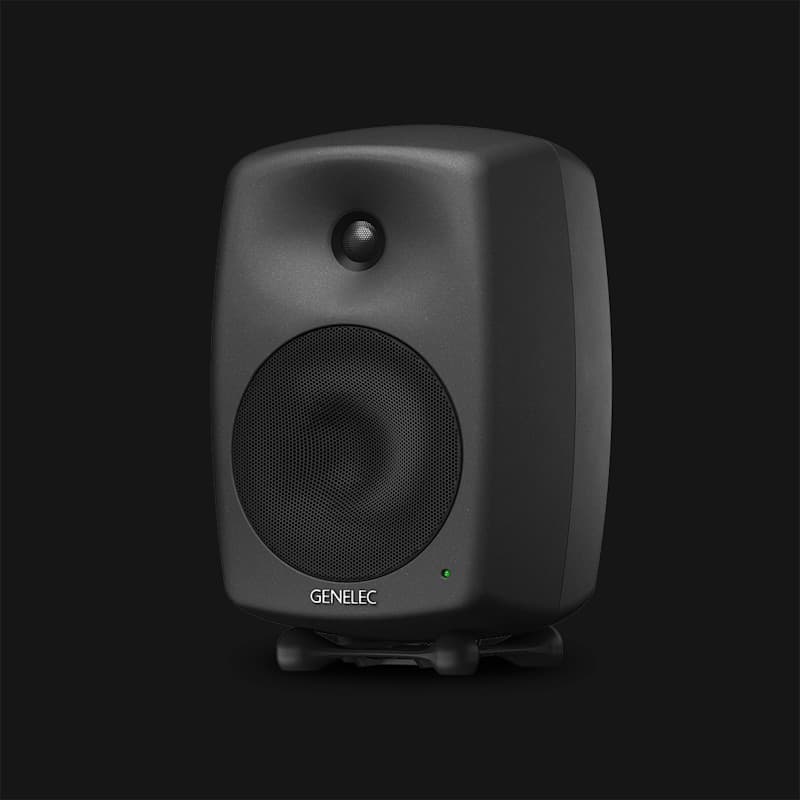
Within its own list, the A7V sits one rank below the Yamaha HS8, which remains the more proven, flatter-response reference at a lower price — the safer first purchase for most home studios. One rank below the A7V sits the Genelec 8040B, which takes a third approach entirely: a die-cast aluminum enclosure engineered to eliminate cabinet resonance for mastering-grade midrange clarity, without the A7V's DSP or ribbon tweeter.
The A7V's case is specific: if transient detail and automated room correction matter more to you than saving $300 per speaker, it's the clear step up from the HS8. If they don't, the HS8's track record and price make it the harder monitor to argue against.
The Gavler verdict
A 9.5, reflecting strong expert consensus that the X-ART tweeter is genuinely best-in-class for transient reproduction, tempered slightly by user notes about brightness in untreated rooms. The Adam Audio A7V is the monitor for engineers who've outgrown a flat-but-basic reference and want more resolution in the top two octaves, plus the flexibility to measure and correct their specific room. Buy it if detail and DSP correction are worth $300 more per speaker to you; stick with the Yamaha HS8 if you want the proven, cheaper reference instead. Either choice lands you with one of the two best nearfield monitors available at this level — the difference is which trade-off you'd rather live with.
Common Questions
Yes, for engineers who value high-frequency detail and want room correction built in. It ranks second on Gavler's Best Studio Monitors list with a 9.5, and at 749 dollars per speaker its X-ART ribbon tweeter and onboard DSP room correction justify the price gap over cheaper monitors. The one caveat some users flag: the ribbon tweeter can read as slightly bright in an untreated room, though the built-in DSP correction largely addresses that.
The A7V integrates with Sonarworks SoundID Reference, using a calibration microphone to measure your specific room's acoustics — reflections, boundary effects, room modes — and then automatically adjusts the monitor's output to compensate. That's a meaningfully more precise fix than the manual switches found on non-DSP monitors, because it's based on an actual measurement of your room rather than a general assumption.
Buy the HS8 if you want the proven, flatter-response industry reference at a lower price. Buy the A7V if you want more high-frequency resolution from the X-ART ribbon tweeter and automated DSP room correction, and you're willing to pay 300 dollars more per speaker for it. Both are excellent monitors — the choice comes down to whether treble detail and room-correction convenience are worth the premium to you.
No — it sounds excellent out of the box using its factory voicing presets (Pure, UNR, and custom). The calibration microphone and Sonarworks integration are there for engineers who want to measure and correct their specific room, which is a meaningful upgrade if your room is imperfect, but not a requirement to get a great-sounding monitor from day one.
Where to Buy.
Prices checked regularly
90-day price history
Price History
Steady at $749 for the entire 90-day tracking window — no increases, no discounts, across 91 tracked days.
Tracked daily across retailers. Vote Want itabove and we’ll alert you the moment the price drops.
Some links are affiliate links — Gavler may earn a commission. This never affects rankings or scores. Learn more.
Precision Engineering
X-ART Ribbon Tweeter
Folded-ribbon tweeter moves air 4x faster than dome designs, revealing transient detail and high-frequency extension that conventional monitors miss.
DSP Room Correction
Onboard Sonarworks SoundID integration with measurement-based room correction compensates for acoustic problems automatically.
Voicing Presets
Pure, UNR, and custom DSP presets let you tailor the monitor's character to different mixing workflows.
Technical Specifications
The Scoreboard
Experts consistently highlight the X-ART tweeter as best-in-class for transient reproduction. Some users note the ribbon can sound slightly bright in untreated rooms, but the DSP correction largely mitigates this.
Cast Your Vote
Do you think Adam Audio A7V deserves the #2 spot in Best Studio Monitors?
Global Critique
“A significant step forward in the evolution of ADAM Audio's nearfield monitoring — one of the best nearfield monitors at its price point, both technically and sonically.”
“The X-ART treble/midrange driver and MLM bass driver combine to produce a highly detailed presentation that is attractive to listen to and easy to work with.”
“The first time ADAM has put DSP at the center of the design — room compensation, voicing, EQ, and crossover all handled in software, delivering greater tuning precision than all-analogue monitors.”
More from Best Studio Monitors.
See how other top picks compare in this category.
Before You Buy Studio Monitors, Size the Room
Driver hangtags are the wrong first question. Nearfield vs midfield, room, and mix vs hi-fi come first. Then shop Gavler's live ranking.
The Best Studio Monitors in 2026, Ranked by the Engineers Who Mix on Them
Yamaha, Adam Audio, Genelec, Neumann, Focal. Gavler's community ranks the reference monitors worth buying — from $179 starters to $1,999 midfields.