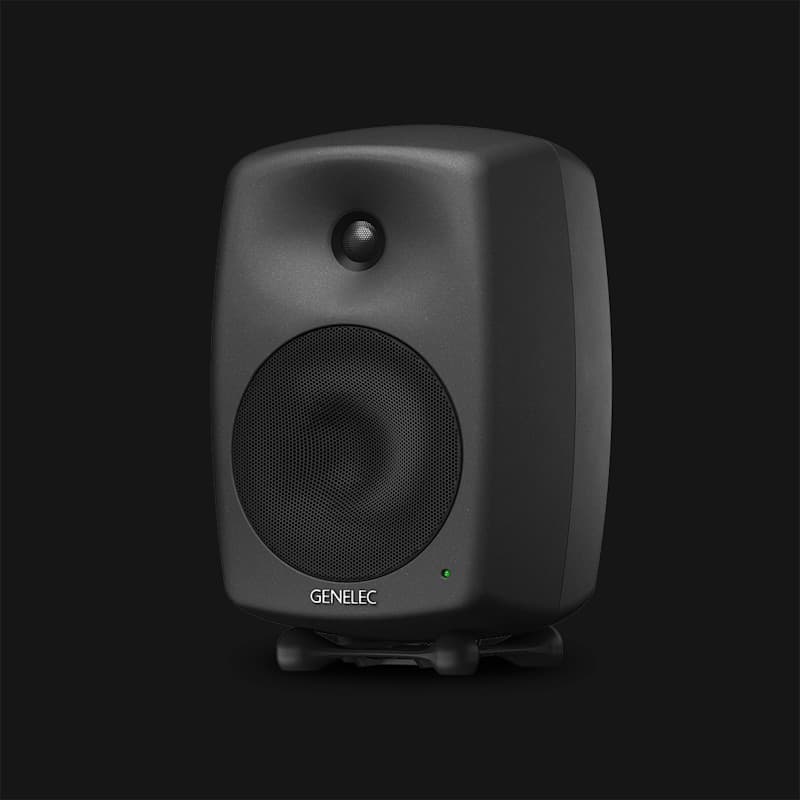
Genelec 8040B.
Genelec's iconic aluminum enclosure eliminates cabinet resonance, delivering reference midrange clarity for critical listening.
The Verdict.
Gavler Meta-Score
“The 8040B delivers Genelec's legendary accuracy in a nearfield format that fits professional and advanced home studios. The aluminum enclosure is not a gimmick — it produces measurably cleaner midrange than wood cabinets, and the build quality ensures these monitors will outlast most careers. The price is justified for anyone whose livelihood depends on hearing the truth.”
The Gavler Verdict
The Gavler Review.
Genelec 8040B Review: The Aluminum Monitor That Mastering Engineers Trust
The Genelec 8040B sits at rank three on our Best Studio Monitors list with a 9.4, and it earns that spot on a single, uncompromising idea: eliminate everything the cabinet itself could add to the sound. This is the monitor mastering engineers reach for when the job is hearing precisely what's on the recording, nothing more. Buy it if your income depends on that last percentage of accuracy and $1,350 per speaker is a reasonable tool investment. If you want comparable honesty for a fraction of the price, the Yamaha HS8 at rank one is the more sensible default for most home and project studios.
What it actually is
The 8040B is built around Genelec's signature die-cast aluminum Minimum Diffraction Enclosure (MDE) — a cabinet material choice that isn't cosmetic, it's the whole engineering premise of the product. Wood and MDF cabinets flex and resonate under driver excursion, adding coloration that a listener never consciously identifies but that changes what they hear. The aluminum enclosure essentially removes that variable. Inside, a 6.5-inch woofer and 0.75-inch metal dome tweeter are driven by dual 90W amplifiers (180W combined), with a Directivity Control Waveguide shaping the tweeter's dispersion to match the woofer's natural pattern — the goal being a consistent soundfield whether you're dead-center or off-axis.
At $1,350 per speaker, this is priced for professional and serious advanced-home studios, not casual upgraders. The frequency response runs 43Hz to 20kHz (±2dB) — a tighter, more conservative spec than the 8-inch competitors on this list, but Genelec's published distortion figures are among the best in the category at any price. Intelligent Signal Sensing (ISS) automatically powers the amps down during idle stretches, a small but genuinely useful touch for a monitor that's likely to sit powered for entire studio days.
In use
Sweetwater's editorial coverage describes the 8040B as "a top choice of recording professionals the world over, delivering pristine performance with impressive SPLs and ample low-frequency extension — truthfulness and energy with equal aplomb." That word — truthfulness — is the throughline in how people who actually work on these monitors talk about them. It isn't a monitor you fall in love with on a first listen; it's one you learn to trust after a few sessions of catching mix problems you didn't know were there.
A Gearspace user review focused on a specific, practical claim that matters more than most marketing copy: "When doing EQ sweeps, the Genelecs had much more clarity and detail than the competing monitors I had been using — tiny moves were clearly audible even in the low frequencies." That's the aluminum enclosure and DCW waveguide doing their job — resolving small changes that get smeared or masked on a monitor with more cabinet coloration. Genelec's own manufacturer positioning claims "industry-leading clarity, a compact form factor, and intelligent features — a definitive choice for professionals who demand precision in every mix," and while manufacturer copy always deserves a skeptical read, the independent reviews above back the clarity claim specifically.
Room correction on the 8040B is handled the old-fashioned way: rear-panel DIP switches for bass tilt, bass rolloff, treble tilt, and desktop proximity. It's less flexible than DSP-based correction, but it's reliable, requires no companion software, and — like the HS8's switches — is aimed squarely at the most common nearfield problem, boundary-induced bass buildup.
Where it shines
- Midrange resolution that's hard to overstate. The aluminum cabinet's elimination of resonance shows up most clearly on vocals and acoustic instruments, where subtle harmonic detail that a wood cabinet blurs comes through cleanly.
- Consistent off-axis performance. The DCW waveguide means the sound doesn't change dramatically as you move slightly off the sweet spot — useful in real studio setups where more than one person is listening.
- Distortion figures that lead the category. Genelec's published THD numbers at this price point are among the best available, which matters directly for anyone making critical EQ or dynamics decisions.
- Built to outlast the career, not just the project. The die-cast enclosure and conservative electronics design are why so many 8040-series monitors from a decade-plus ago are still in daily studio use.
The trade-offs — who should skip it
The 8040B asks for real trade-offs in exchange for its accuracy:
- The price is a genuine barrier. At $1,350 per speaker — nearly three times the Yamaha HS8 — this only makes sense for people whose work directly depends on that incremental accuracy. A hobbyist producer will get excellent, honest monitoring from the HS8 for a third of the cost.
- Bass extension is comparatively modest. At 43Hz (±2dB), the 6.5-inch woofer doesn't reach as deep natively as the 8-inch drivers in the HS8 or Adam Audio A7V. Serious low-end mixing work often means budgeting for a matched Genelec subwoofer, which adds further cost.
- Room correction is manual, not automated. Like the HS8, the 8040B relies on DIP switches rather than measured DSP correction — engineers working in acoustically difficult rooms will get more out of a monitor with built-in calibration software.
How it compares
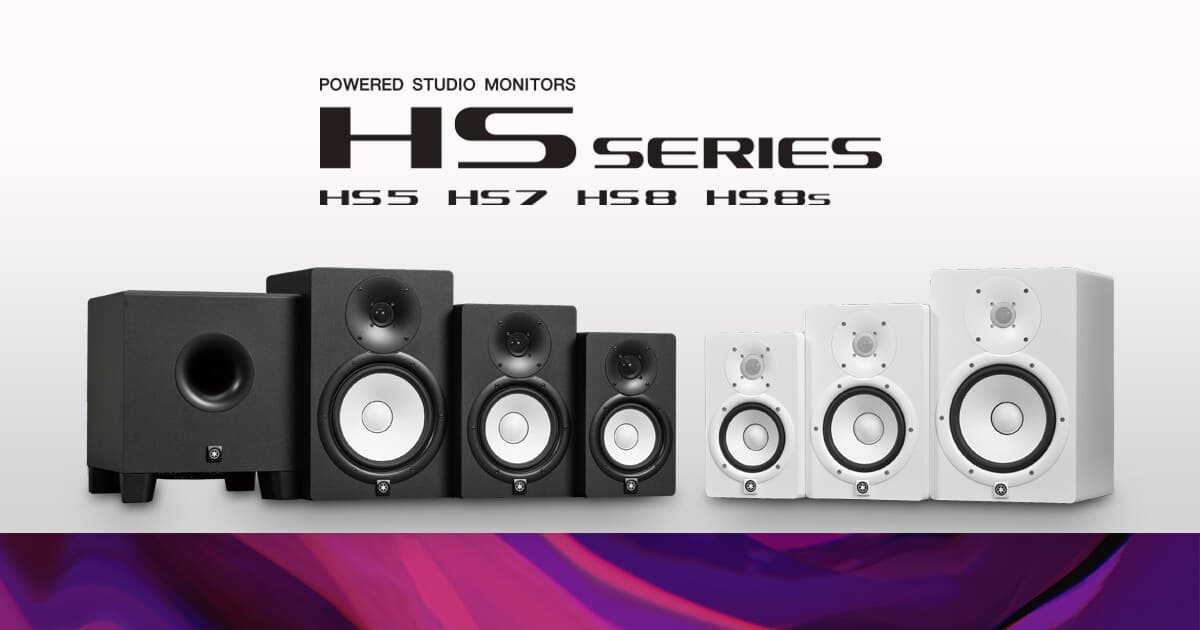
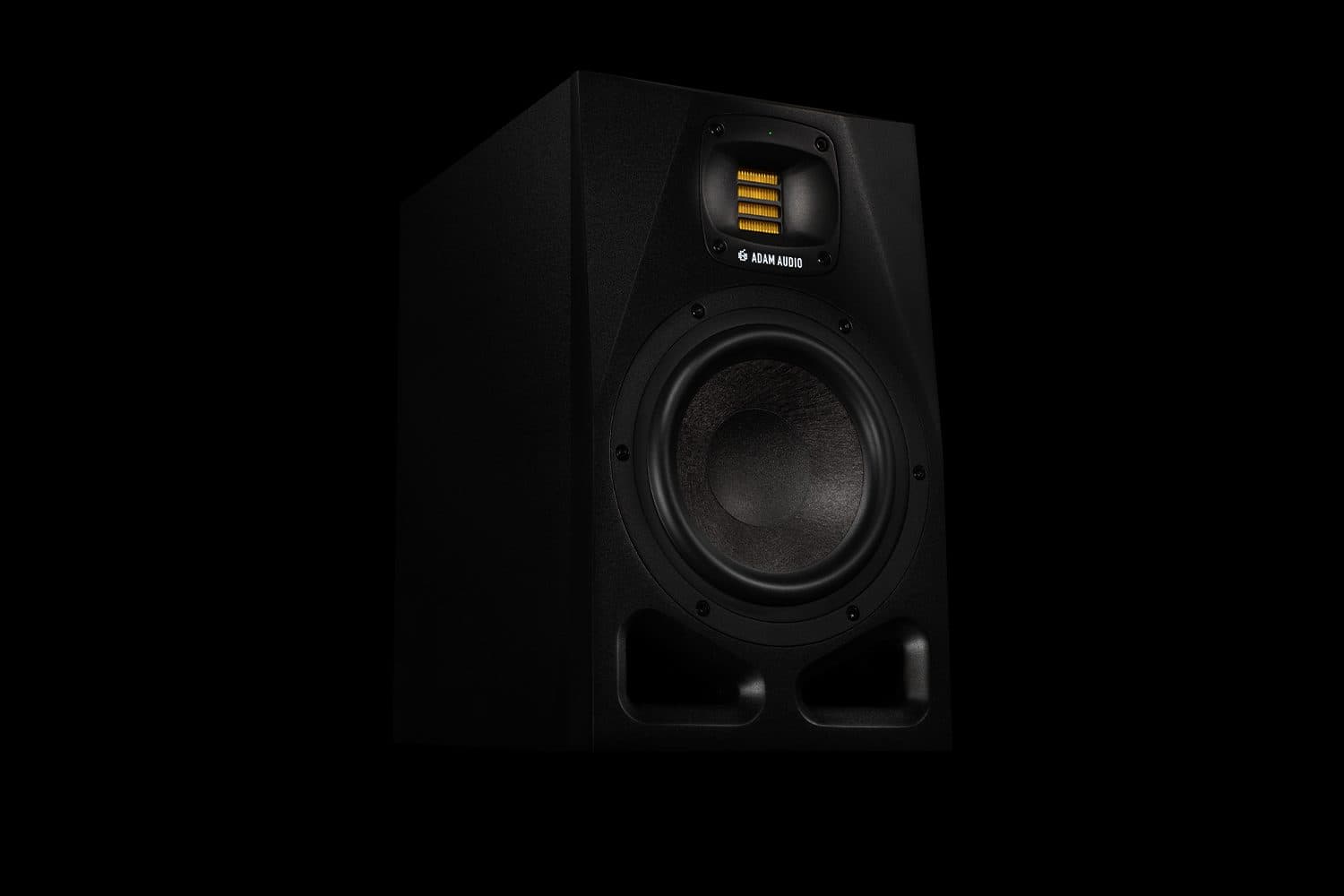
Within its own list, the 8040B sits directly below two 8-inch monitors that undercut it on price. The Yamaha HS8 at rank one costs $449 per speaker and delivers a deeper native low end at 38Hz — the harder case to argue against for most home studios. The Adam Audio A7V at rank two sits in between at $749, adding a folded-ribbon tweeter and built-in DSP room correction that the 8040B's DIP switches can't match. The 8040B's case against both isn't value — it's the single best midrange resolution and lowest cabinet coloration on the list, which is exactly what mastering suites and post-production facilities are paying for.
The Gavler verdict
A 9.4, reflecting a monitor built for a specific, demanding job rather than for broad appeal. The Genelec 8040B is not the pick for most home studios — the Yamaha HS8 gets you 90% of the honesty for a third of the price — but for engineers doing mastering, post-production, or broadcast work where cabinet-free midrange accuracy is the entire point, it remains a category benchmark. Buy it when the work justifies the tool; otherwise, start with the HS8 and let your ears tell you if you ever actually need the upgrade.
Common Questions
Yes, if your work depends on hearing the truth and your budget supports it. It ranks third on Gavler's Best Studio Monitors list with a 9.4, and at $1,350 per speaker it delivers midrange clarity that wood and MDF cabinets simply cannot match. The trade-off is the price and a comparatively modest 43Hz low-end extension next to 8-inch competitors — this is a tool for people whose income depends on precision, not a casual upgrade.
More often than with an 8-inch monitor. The 6.5-inch woofer's response extends to 43Hz, which covers most vocals and midrange instrumentation cleanly, but producers doing serious low-end work in bass-heavy genres will want a matched Genelec subwoofer to get a full picture below that point. For mastering and mix-check work focused on tonal balance, the 8040B alone is plenty.
Buy the HS8 if you want the industry-standard flat reference, deeper native bass extension (38Hz), and a lower price at $449 per speaker. Buy the 8040B if midrange resolution and cabinet-free accuracy matter more than anything else and $1,350 per speaker is within budget. Both are honest monitors; the Genelec simply pushes accuracy further at a proportionally higher cost.
Yes — it's a real engineering difference, not marketing language. Genelec's die-cast aluminum cabinet eliminates the panel resonance and vibration that wood and MDF enclosures inevitably add to the sound, however subtly. On critical midrange material — vocals, acoustic instruments, orchestral work — that absence of cabinet coloration is audible, which is why the 8040B shows up in mastering suites and broadcast facilities where that last percentage of accuracy is the entire job.
Where to Buy.
Prices checked regularly
90-day price history
Price History
Steady at $1,350 for the entire 90-day tracking window — no increases, no discounts, across 91 tracked days.
Tracked daily across retailers. Vote Want itabove and we’ll alert you the moment the price drops.
Some links are affiliate links — Gavler may earn a commission. This never affects rankings or scores. Learn more.
Precision Engineering
Die-Cast Aluminum MDE
Minimum Diffraction Enclosure eliminates cabinet resonance and panel vibration for measurably cleaner midrange reproduction.
DCW Waveguide
Directivity Control Waveguide matches tweeter and woofer dispersion patterns for seamless off-axis consistency.
180W Bi-Amplified
Dual 90W amplifiers provide clean headroom with Genelec's ultra-low distortion output stage.
Technical Specifications
The Scoreboard
Universally respected among professionals. The high price and relatively modest bass extension (43Hz) compared to 8-inch competitors are the only reservations. Most agree the midrange accuracy justifies the investment.
Cast Your Vote
Do you think Genelec 8040B deserves the #3 spot in Best Studio Monitors?
Global Critique
“A top choice of recording professionals the world over, delivering pristine performance with impressive SPLs and ample low-frequency extension — truthfulness and energy with equal aplomb.”
“When doing EQ sweeps, the Genelecs had much more clarity and detail than the competing monitors I had been using — tiny moves were clearly audible even in the low frequencies.”
“Industry-leading clarity, a compact form factor, and intelligent features — a definitive choice for professionals who demand precision in every mix.”
More from Best Studio Monitors.
See how other top picks compare in this category.
Before You Buy Studio Monitors, Size the Room
Driver hangtags are the wrong first question. Nearfield vs midfield, room, and mix vs hi-fi come first. Then shop Gavler's live ranking.
The Best Studio Monitors in 2026, Ranked by the Engineers Who Mix on Them
Yamaha, Adam Audio, Genelec, Neumann, Focal. Gavler's community ranks the reference monitors worth buying — from $179 starters to $1,999 midfields.