Yamaha HS8.
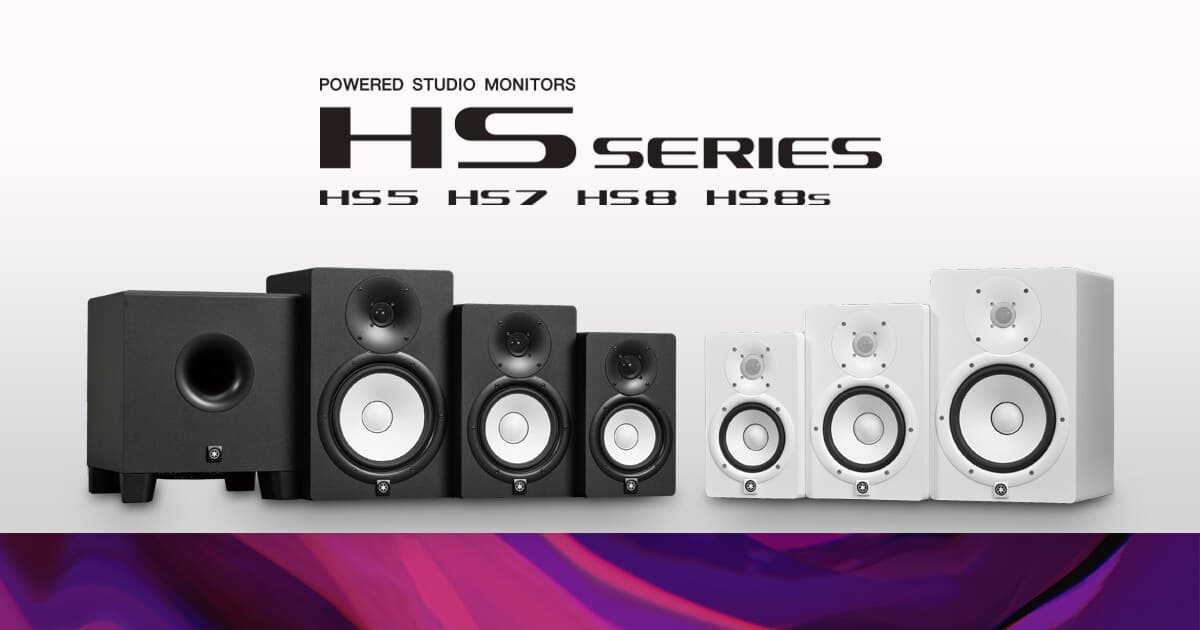
Yamaha's HS8 delivers a flat, uncolored frequency response that reveals every detail in your mix — for better or worse.
The Verdict.
Gavler Meta-Score
“The HS8 is the monitor you buy when you want the truth, not flattery. Its ruthlessly flat response means mixes that translate — what you hear is what your audience gets. At $449 per speaker, there is no better investment in honest monitoring for home and project studios.”
The Gavler Verdict
The Gavler Review.
Yamaha HS8 Review: The Studio Monitor That Tells You the Truth
The Yamaha HS8 sits at number one on our Best Studio Monitors list with a 9.7, and it earns that spot the hard way: by refusing to make anything sound better than it actually is. This is the modern-day successor to the legendary NS-10 — a monitor so unflinchingly flat that if your mix translates on these, it will translate everywhere. Buy it if you want an honest, reference-grade nearfield monitor at a price that doesn't require a loan, and if you can accept that "honest" sometimes means "not the most fun speaker in the room." If you want more top-end sparkle and built-in DSP room correction, the Adam Audio A7V at rank two is the natural step up. For everyone doing serious mixing work on a home-studio budget, the HS8 is the default.
What it actually is
The HS8 is Yamaha's flagship nearfield monitor in the HS series, built around an 8-inch white polypropylene woofer and a 1-inch dome tweeter in a bi-amplified design — 75W to the low end, 45W to the high end, for 120W of combined clean power. At $449 per speaker, it is priced like a serious tool, not an impulse buy, and the specs back that up: frequency response runs from 38Hz to 30kHz (-10dB), wide enough that most producers can make real low-end decisions without a subwoofer.
What separates the HS8 from cheaper monitors at a glance isn't a headline feature — it's the absence of one. There's no hyped bass to flatter kick drums, no scooped midrange to make vocals sit forward, no artificial top-end air. The dense MDF cabinet with internal bracing minimizes resonance, and the rear-ported bass reflex design is tuned to avoid the chuffing noise that plagues cheaper ported cabinets. At 10.2 kg per speaker, these are substantial monitors that plant themselves on stands and don't rattle under load.
In use
The HS8's reputation rests entirely on translation — how a mix made on these speakers holds up when played somewhere else. Sound On Sound, reviewing the HS series broadly, wrote that the speakers are "well engineered and perform well compared with similarly priced competitors — and the larger HS models have enough low-end extension to work perfectly well without a sub in a typical home studio." That's the practical payoff of the 38Hz extension: fewer surprises when a mix moves from the studio to a car stereo or a pair of earbuds.
Yamaha's own positioning for the HS series is unusually candid about what these monitors are for: "designed to give you the most honest, precise reference possible, providing an ideal sonic platform to build on throughout the mixing process." Higher Hz's independent testing backs that framing, describing "a smooth response across all frequencies that producers and engineers reach for when they want honest, reliable sound." None of these sources describe the HS8 as exciting — they describe it as trustworthy, which is a different and more useful compliment for a mixing tool.
The rear-panel room control and high-trim switches are the HS8's only concession to real-world rooms. They're coarse compared to DSP correction, but they solve the single most common nearfield problem — a monitor placed too close to a rear wall, which builds up bass. Dial in the room control, and the low end tightens up noticeably.
Where it shines
- Translation you can trust. The flat response means what you hear in the room is close to what listeners hear everywhere else — the entire reason a mixing monitor exists.
- Real bass extension without a sub. 38Hz (-10dB) from an 8-inch driver is genuinely useful range for most genres, saving the cost and desk space of a subwoofer for the majority of home studios.
- Build quality that disappears. The braced MDF cabinet and well-tuned port mean the enclosure itself isn't adding coloration you have to mentally subtract — a cheaper cabinet's resonances become part of your mix decisions whether you notice or not.
The trade-offs — who should skip it
The HS8 is a reference tool first, and that comes with real caveats:
- It can be fatiguing for casual listening. Community scores sit a few points below the expert consensus specifically because unflinching honesty is tiring over long, casual sessions. If you want a monitor that also doubles as a pleasant living-room speaker, this isn't it — and that's by design.
- Room correction is manual, not automated. The rear switches help with boundary placement, but they can't measure and correct your specific room the way DSP-based systems can. If your room is acoustically difficult, you'll get more mileage out of the Adam Audio A7V's onboard Sonarworks integration.
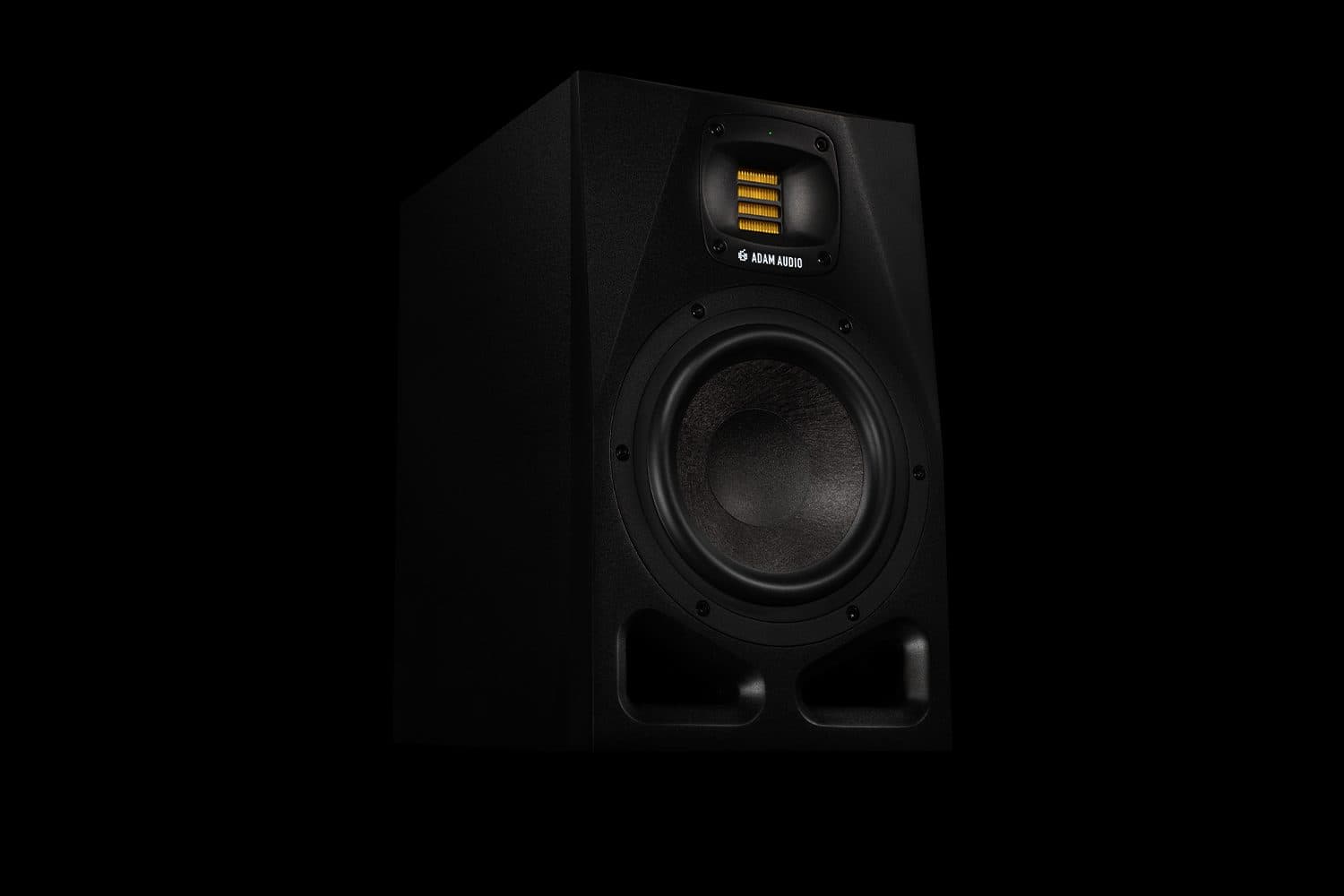
- No thrilling top-end. The HS8 doesn't add sparkle or air the way a ribbon tweeter does. If transient detail and high-frequency extension are what you're chasing, the A7V's X-ART tweeter is a genuine step up — at a genuine step up in price.
How it compares
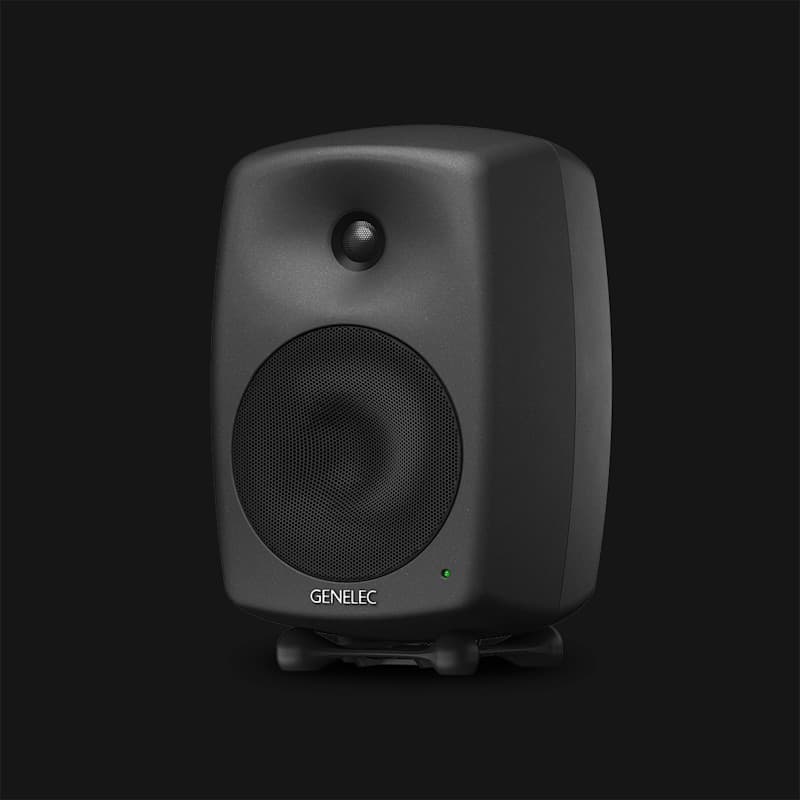
Within its own list, the HS8's closest rival sits directly below it. The Adam Audio A7V at rank two costs $300 more per speaker but adds a folded-ribbon X-ART tweeter and built-in DSP room correction — the pick for engineers who want more top-end detail and automated room tuning. The Genelec 8040B at rank three leans on a die-cast aluminum enclosure for even lower cabinet resonance, at a price that reflects Genelec's mastering-suite reputation. The HS8's case against both isn't that it out-specs them — it doesn't — it's that it delivers the core promise of a reference monitor (accuracy you can build a mix on) at a price that doesn't require justifying to a project budget.
The Gavler verdict
A 9.7, and the number reflects a monitor that has earned its reputation over more than a decade of studio use, not a flashy new feature set. The Yamaha HS8 is not the most exciting speaker you'll ever hear, and that's exactly the point — it's the speaker that tells you what's actually happening in your mix, so the mix holds up everywhere else. Buy it as your first serious pair of studio monitors, or as the dependable reference next to a fancier secondary pair. Step up to the Adam Audio A7V only if you specifically need more high-frequency resolution or automated room correction; otherwise, the HS8 remains the smartest first investment in honest monitoring a home studio can make.
Common Questions
Yes, for anyone who wants a monitor that tells the truth about a mix rather than flattering it. It ranks first on Gavler's Best Studio Monitors list with a 9.7, and at $449 per speaker it remains the reference standard for flat-response nearfield monitoring in home and project studios. The trade-off is that flat honesty is not always a fun listen — this is a working tool, not a hi-fi speaker.
Not for most genres. The 8-inch woofer extends response down to 38Hz (-10dB), which covers the fundamental range of the vast majority of instruments and vocals without a sub. Producers working in bass-heavy electronic genres that push well below 40Hz may still want a dedicated sub for extreme low-end decisions, but for rock, pop, acoustic, and most hip-hop mixing, the HS8 handles it alone.
Buy the HS8 if you want the industry-standard flat reference and a lower price per speaker; buy the A7V if you want more high-frequency detail and built-in DSP room correction. The HS8 is $449 and relies on manual room-control switches; the A7V is $749 and includes Sonarworks SoundID integration. Both are excellent — the HS8 wins on proven track record and value, the A7V wins on technology and treble extension.
Yes, within their limits. The rear-panel room control and high-trim switches are coarse, not surgical — they compensate for boundary proximity (monitors near a wall or in a corner) and general room brightness. They will not fix a genuinely bad-sounding room the way DSP-based correction can, but for the common problem of a monitor placed too close to a rear wall, they make a real, audible difference.
Where to Buy.
Prices checked regularly
90-day price history
Price History
Steady at $449 for the entire 90-day tracking window — no increases, no discounts, across 91 tracked days.
Tracked daily across retailers. Vote Want itabove and we’ll alert you the moment the price drops.
Some links are affiliate links — Gavler may earn a commission. This never affects rankings or scores. Learn more.
Precision Engineering
Bi-Amplified 120W
75W LF and 45W HF amplifiers deliver clean, undistorted power across the entire frequency range with precise crossover management.
8-Inch Woofer
White polypropylene cone extends bass response down to 38Hz, enabling low-end mix decisions without a dedicated subwoofer.
Room Control EQ
Rear-panel room control and high-trim switches compensate for boundary proximity and room acoustics without external DSP.
Technical Specifications
The Scoreboard
Experts universally praise the flat response and translation accuracy. Community scores are slightly lower only because the unforgiving honesty can be fatiguing during long casual listening sessions — which is exactly the point for mixing.
Cast Your Vote
Do you think Yamaha HS8 deserves the #1 spot in Best Studio Monitors?
Global Critique
“Like all Yamaha products, these speakers are well engineered and perform well compared with similarly priced competitors — and the larger HS models have enough low-end extension to work perfectly well without a sub in a typical home studio.”
“The HS Series speakers were designed to give you the most honest, precise reference possible, providing an ideal sonic platform to build on throughout the mixing process.”
“The Yamaha HS8 studio monitor offers a 38 Hz to 30 kHz frequency response from newly developed transducers, delivering a smooth response across all frequencies that producers and engineers reach for when they want honest, reliable sound.”
More from Best Studio Monitors.
See how other top picks compare in this category.
Before You Buy Studio Monitors, Size the Room
Driver hangtags are the wrong first question. Nearfield vs midfield, room, and mix vs hi-fi come first. Then shop Gavler's live ranking.
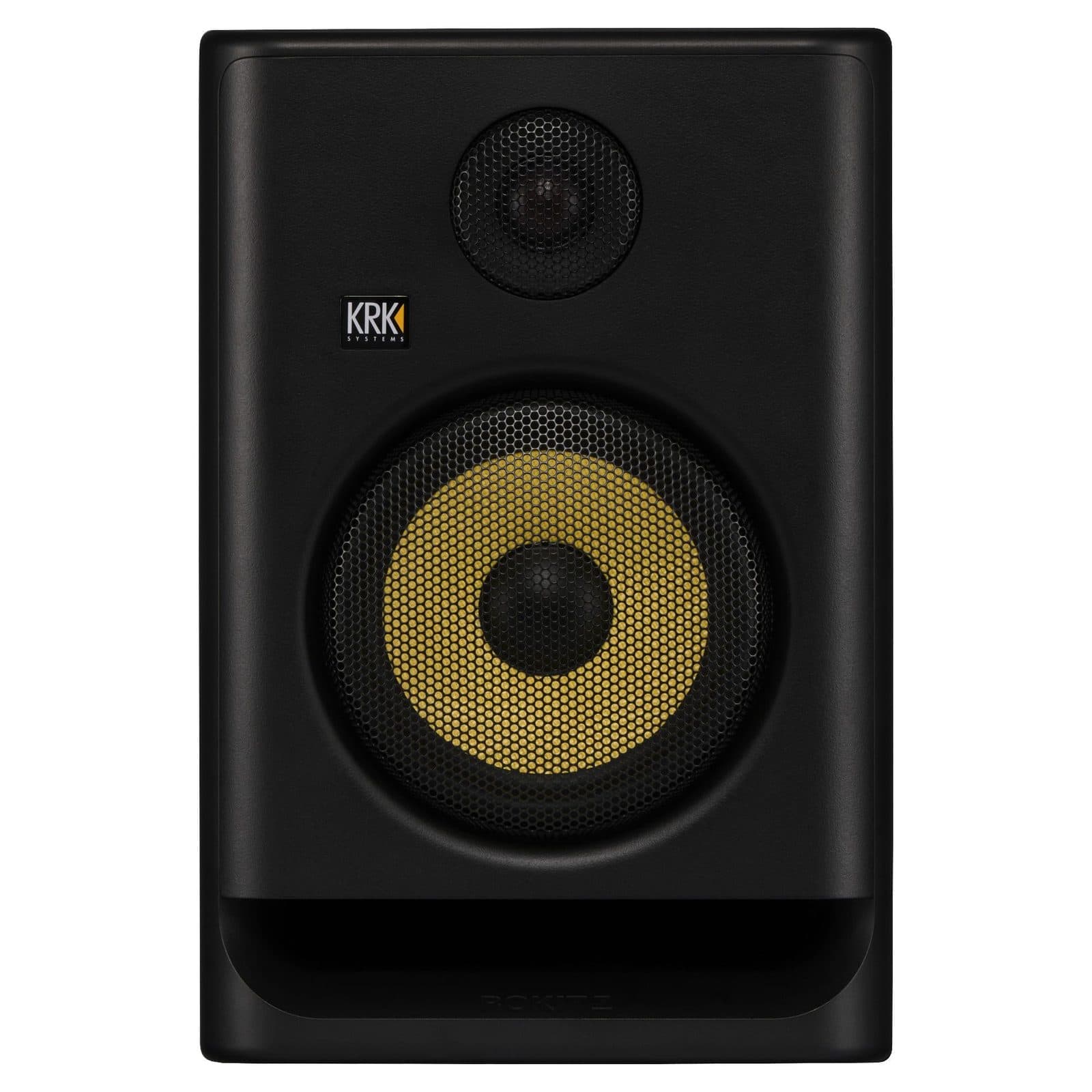
The Best Studio Monitors in 2026, Ranked by the Engineers Who Mix on Them
Yamaha, Adam Audio, Genelec, Neumann, Focal. Gavler's community ranks the reference monitors worth buying — from $179 starters to $1,999 midfields.