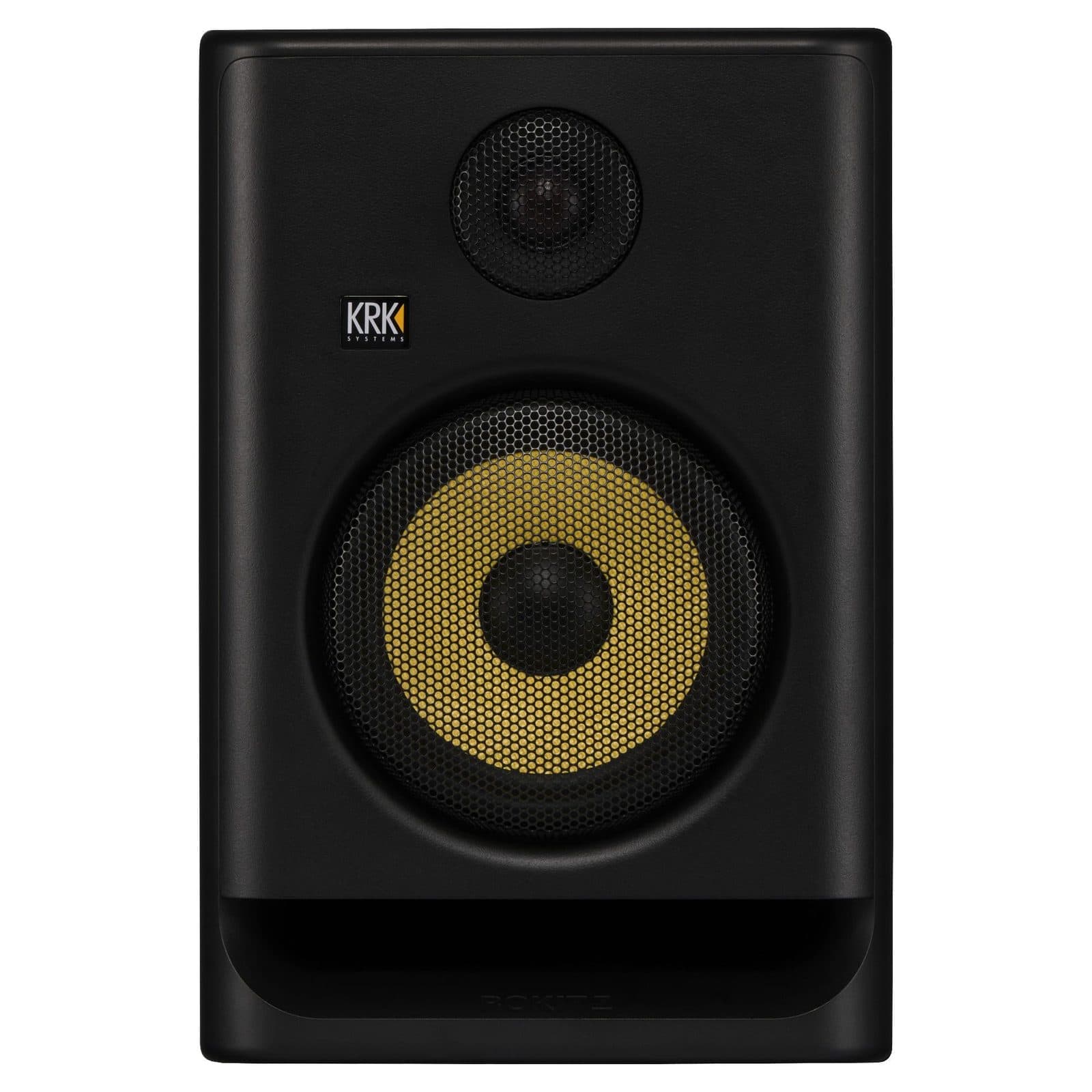
PreSonus Eris E5 XT.
The EBM waveguide and rear-panel tuning controls let you adapt the Eris E5 XT to any room for under $200.
The Verdict.
Gavler Meta-Score
“The Eris E5 XT is the best entry point into serious studio monitoring. The EBM waveguide provides a wider sweet spot than the price suggests, and the comprehensive rear-panel tuning controls make it adaptable to rooms that more expensive monitors simply cannot handle without external treatment. At under $200, it is an essential tool for any beginning producer.”
The Gavler Verdict
The Gavler Review.
PreSonus Eris E5 XT Review: The Budget Monitor That Tunes Itself to Your Room
The PreSonus Eris E5 XT ranks number 8 on Gavler's Best Studio Monitors list with an 8.6, and it earns that spot by solving a problem most budget monitors ignore: what happens when the room, not the speaker, is the weak link. It's built for beginning producers working in bedrooms, spare rooms, and other acoustically imperfect spaces who can't yet afford treatment or a second monitor pair. The trade-off is modest power and bass extension — 80 watts and a 48Hz low-end limit — which is the price of admission at $179. As B&H Photo's editorial review puts it, the E5 XT delivers "deep lows, smooth highs, and impressive imaging thanks to first-rate drivers that work in tandem with an innovative EBM waveguide."
What it is
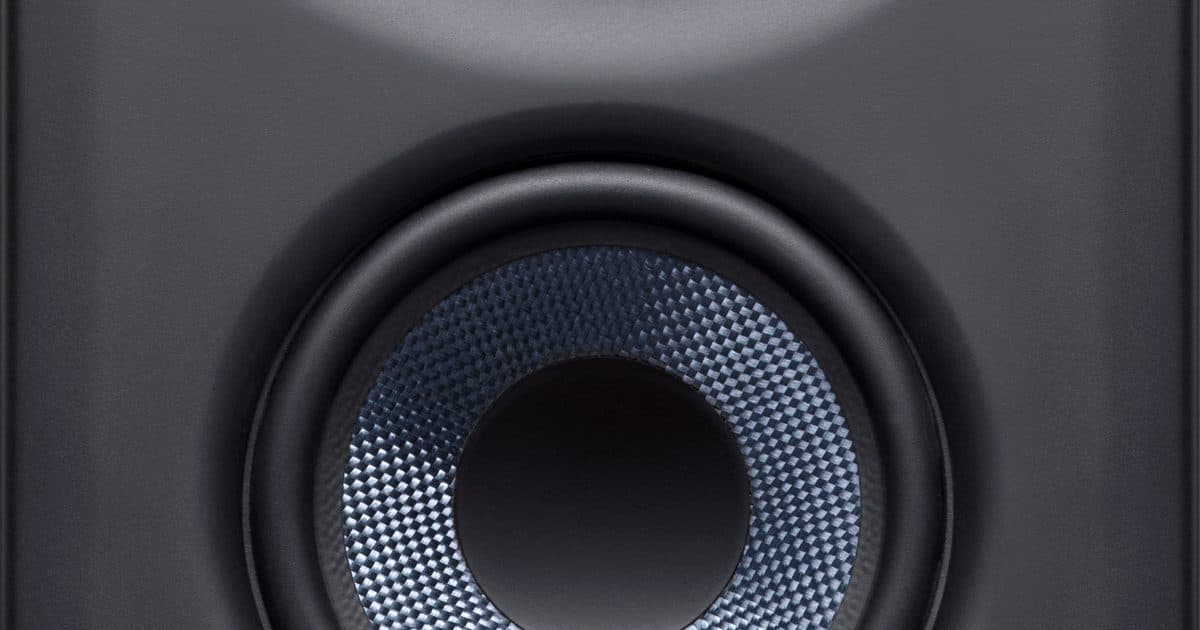
The Eris E5 XT is a 5.25-inch, bi-amplified nearfield monitor built around PreSonus's EBM (Elliptical Boundary Modeled) waveguide — a design that controls horizontal dispersion while leaving vertical dispersion more natural, which is the mechanism behind its wider-than-expected sweet spot. The woven composite woofer and 1-inch silk dome tweeter split 80 watts of total power (45W LF, 35W HF), and the frequency response runs 48Hz to 20kHz.
What separates it from most monitors in this bracket is the rear panel. A continuously variable high-frequency control (±6dB), a three-position midrange switch (flat, -1dB, -2dB), a three-position low-frequency switch (flat, -2dB, -4dB), and an acoustic space switch for corner or wall placement give you real corrective tools rather than a single "flat" setting and a prayer. Inputs cover XLR, TRS, and RCA, and the enclosure is a solid MDF build that feels sturdier than the price suggests.
In use
The tuning controls are the headline, and they hold up in practice. PreSonus's own materials describe the EBM waveguide as delivering "superior high-frequency response and wider 100-degree horizontal dispersion to create a broader sweet spot," and independent listening backs that up — the imaging doesn't collapse the moment you lean off-center, which matters in small rooms where the mix position isn't always dead-center. A Sweetwater user review calls the E5 XT "probably some of the clearest and smoothest in the midrange area, with crystal-clear dispersion that makes it hard to tell the location of the tweeter — which is exactly what you want" from a monitor whose job is to disappear and let the mix speak.
The 80-watt bi-amplification is enough for realistic nearfield listening at 1-1.5 meters, and B&H's editorial notes it can hit "102 dB of maximum continuous output via 80-watt Class-AB bi-amplification" — loud enough for most mixing sessions without strain. Where it runs out of room is at the bottom end: 48Hz is a reasonable limit for a 5.25-inch driver, but trap, EDM, and other bass-forward genres will want a subwoofer sooner rather than later.
Strengths
- The EBM waveguide genuinely widens the sweet spot. This isn't marketing language — the controlled horizontal dispersion is audible, and it's the single feature that makes the Eris E5 XT punch above its price class.
- Rear-panel tuning is comprehensive, not cosmetic. HF, mid, LF, and acoustic space controls give you real corrective range for corner, wall, or free-standing placement — tools that monitors twice the price sometimes skip.
- Build quality outpaces the price. A sturdy MDF enclosure and reliable XLR/TRS/RCA connections feel more durable than $179 typically buys.
- Exceptional community reception. Gavler's own scoreNote records that "community scores are exceptionally high for the price category — users consistently report being surprised by the quality."
The trade-offs — who should skip it
The Eris E5 XT's limitations are the ones you'd expect from an entry-level monitor, and Gavler's scoreNote is direct about them: "Experts note limited bass extension and power but acknowledge the value is outstanding." If you're mixing bass-heavy electronic music or need serious SPL for a larger room, 80 watts and a 48Hz low-end limit will feel constraining fast — budget for a subwoofer or plan to upgrade within a year or two. Producers who've already outgrown entry-level monitoring, or who work primarily in bass-forward genres, are better served stepping up to something like the Kali Audio LP-6 V2, which extends to 39Hz with a larger 6.5-inch woofer for a similar price.
How it compares
Within its own list, the Eris E5 XT sits directly ahead of the Kali Audio LP-6 V2 at rank 9 — a genuinely close call between two philosophies. The Kali trades the PreSonus's rear-panel EQ knobs for eight DIP-switch boundary compensation settings and extends bass response further (39Hz vs. 48Hz) for roughly $20 more. If your room forces you into a corner or against a wall, the Kali's boundary EQ is arguably the more scientifically grounded solution; if you want continuously variable tone shaping rather than switch-based presets, the PreSonus's controls are more flexible in small increments. Both undercut the Neumann KH 120 II at rank 7 by roughly $600, which is the reference-grade option once your budget and your ears are ready for it.
The Gavler verdict
An 8.6 for a monitor that does exactly what an entry point should do: get a new producer mixing accurately, in an imperfect room, without requiring a second mortgage. The EBM waveguide's wider sweet spot and the comprehensive rear-panel tuning are not gimmicks — they are the reason PreSonus's own verdict calls the Eris E5 XT "the best entry point into serious studio monitoring." Buy it if you're starting out and your room isn't treated. Skip it if you're already mixing bass-forward genres at volume, where the 80-watt ceiling and 48Hz floor will show up sooner than you'd like.
Common Questions
Yes, for anyone starting out on a tight budget. It ranks eighth on Gavler's Best Studio Monitors list with an 8.6, and at $179 it's the entry point Gavler's own curators call 'the best entry point into serious studio monitoring,' thanks to its EBM waveguide and unusually comprehensive rear-panel tuning controls.
For bass-heavy genres, yes. Frequency response is rated at 48 Hz to 20 kHz, which is respectable for a 5.25-inch woofer but not full-range. Sweetwater's editorial review notes 102 dB of maximum continuous output from the 80-watt bi-amplification, which is plenty of volume, but low-end extension below 50Hz is where a companion sub earns its keep.
A continuously variable HF control (±6dB), a three-position mid control, a three-position LF control, and an acoustic space switch let you compensate for room placement — corner, wall, or free-standing. PreSonus's own materials describe the EBM waveguide's 100-degree horizontal dispersion as designed to create 'a broader sweet spot,' and the tuning controls are what let that sweet spot survive contact with an imperfect room.
Where to Buy.
Prices checked regularly
90-day price history
Price History
Steady at $179 for the entire 90-day tracking window — no increases, no discounts, across 91 tracked days.
Tracked daily across retailers. Vote Want itabove and we’ll alert you the moment the price drops.
Some links are affiliate links — Gavler may earn a commission. This never affects rankings or scores. Learn more.
Precision Engineering
EBM Waveguide
Elliptical Boundary Modeled waveguide provides controlled horizontal dispersion for a wider, more stable sweet spot.
Acoustic Tuning Controls
HF, mid, LF, and acoustic space controls let you adapt the monitor's response to your specific room environment.
80W Bi-Amplified
45W LF and 35W HF amplifiers provide clean power for nearfield monitoring at typical mixing distances.
Technical Specifications
The Scoreboard
Community scores are exceptionally high for the price category — users consistently report being surprised by the quality. Experts note limited bass extension and power but acknowledge the value is outstanding.
Cast Your Vote
Do you think PreSonus Eris E5 XT deserves the #8 spot in Best Studio Monitors?
Global Critique
“The custom-designed EBM (Elliptical Boundary Modeled) waveguide provides superior high-frequency response and wider 100-degree horizontal dispersion to create a broader sweet spot — Acoustic Tuning controls let you configure the monitor perfectly for your room.”
“Deep lows, smooth highs, and impressive imaging thanks to first-rate drivers that work in tandem with an innovative EBM waveguide and state-of-the-art front-ported enclosure — 102 dB of maximum continuous output via 80-watt Class-AB bi-amplification.”
“Probably some of the clearest and smoothest in the midrange area, with crystal-clear dispersion that makes it hard to tell the location of the tweeter — which is exactly what you want.”
More from Best Studio Monitors.
See how other top picks compare in this category.
Before You Buy Studio Monitors, Size the Room
Driver hangtags are the wrong first question. Nearfield vs midfield, room, and mix vs hi-fi come first. Then shop Gavler's live ranking.
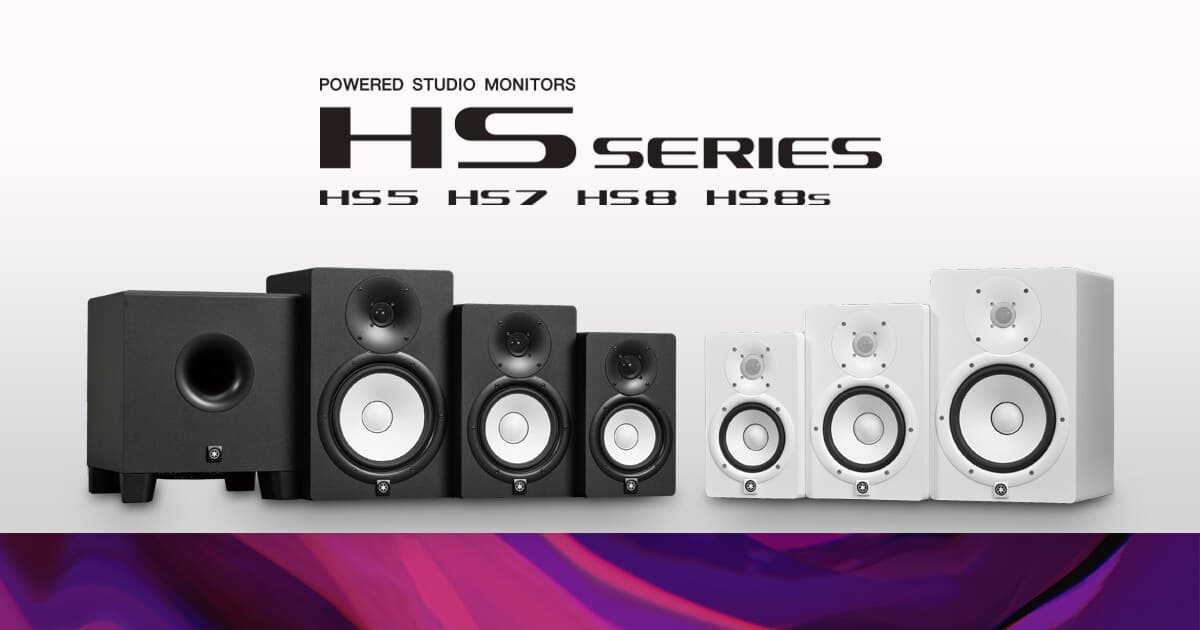
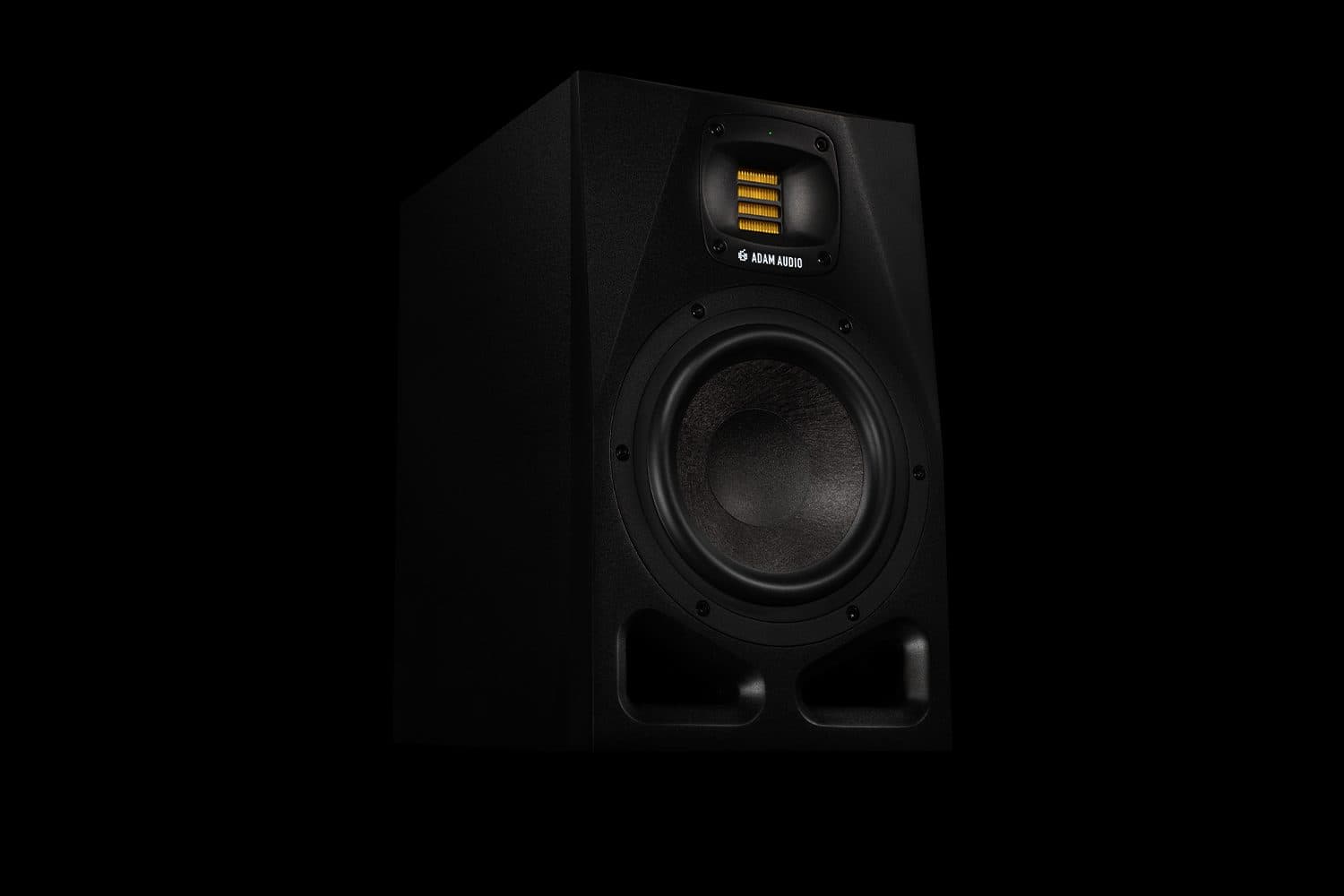
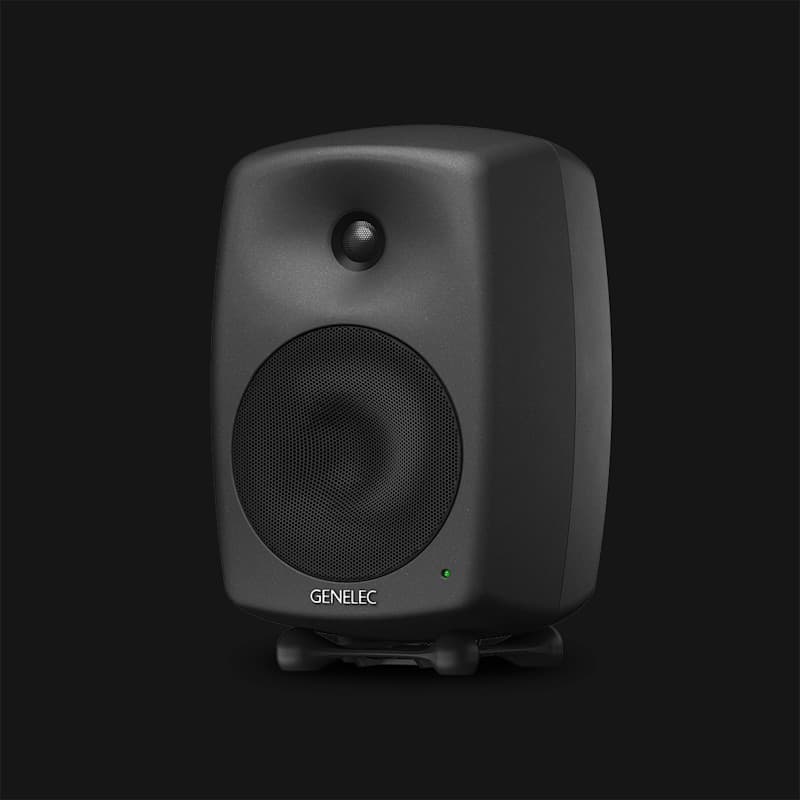
The Best Studio Monitors in 2026, Ranked by the Engineers Who Mix on Them
Yamaha, Adam Audio, Genelec, Neumann, Focal. Gavler's community ranks the reference monitors worth buying — from $179 starters to $1,999 midfields.