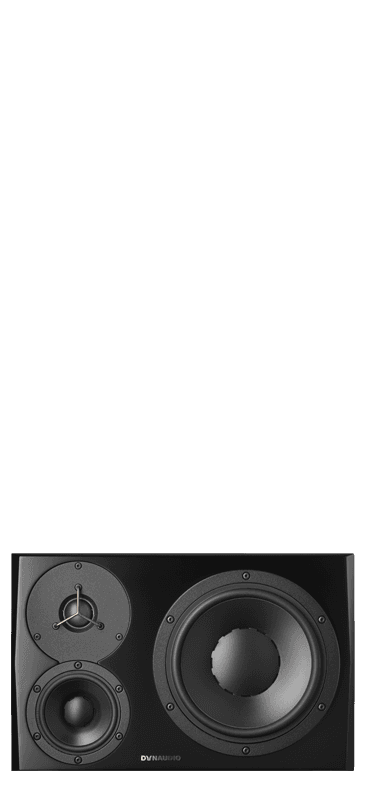
Dynaudio LYD 48.
Dynaudio's flagship 3-way design uses a dedicated midrange driver for crossover-free vocal reproduction with massive headroom.
The Verdict.
Gavler Meta-Score
“The LYD 48 is the monitor you step up to when nearfields can no longer deliver the clarity and headroom your room demands. The 3-way design keeps crossover artifacts out of the critical vocal range, and the Class-D amplification provides effortless dynamics at any volume. For large rooms and demanding production work, it is the best value in midfield monitoring.”
The Gavler Verdict
The Gavler Review.
Dynaudio LYD 48 Review: A 3-Way Midfield Monitor for Rooms Nearfields Can't Fill
The Dynaudio LYD 48 ranks number 10 on Gavler's Best Studio Monitors list with an 8.2 — the priciest and most specialized entry, built for engineers who've outgrown what nearfields can deliver. It's for larger control rooms and commercial post-production work, not home studios. The trade-off is obvious: at $1,999 per speaker, it's a serious financial commitment that most bedroom producers simply don't need. Sound On Sound's review captures the appeal succinctly: the LYD 48 "gives a phenomenally accurate picture of how well a tune is mixed, with a surprising amount of low-end accuracy and oomph."
What it is
The LYD 48 is a 3-way midfield monitor, and the 3-way architecture is the entire point. By adding a dedicated 4-inch midrange driver alongside the 8-inch woofer and 1-inch soft dome tweeter, Dynaudio pushes the crossover points to 460Hz and 5.6kHz — both outside the 200Hz-to-5kHz range where vocals, guitars, and snares live. That means the entire critical midrange comes from a single driver, without the phase and amplitude artifacts that crossover networks introduce in less-considered designs.
Each driver gets its own Class-D amplifier — 80W woofer, 50W midrange, 50W tweeter — for 180W total, managed by an onboard DSP engine that also handles time alignment and room correction. Dynaudio's proprietary MSP (Magnesium Silicate Polymer) cone material is used on both the woofer and midrange for internal damping without added mass. Bass extends to 42Hz (-3dB), and the enclosure is unusually compact for a 3-way design, which Mix Online notes "makes placement easy, even in smaller spaces" despite the midfield classification.
In use
The reviews converge on a specific strength: midrange clarity without listening fatigue. Tape Op's assessment is the most direct on long-session usability: "LYD 48s are non-fatiguing monitors that are enjoyable to work on for long days, with fantastic stereo imaging and a wide, even frequency response that not many other monitors in this price range can approach." That's a meaningful claim for a monitor intended for full production days, where fatigue-inducing treble or an uneven midrange compounds over hours.
Sound On Sound tested it in an atypically close setup and found it still worked: "The LYD 48 gives a phenomenally accurate picture of how well a tune is mixed, with a surprising amount of low end accuracy and oomph — when used as a true nearfield sitting on the desk, the image was very wide while the center stayed nicely grounded in the middle." That's a useful data point for anyone tempted to buy a midfield monitor for desk use — it's not the intended application, but it doesn't fall apart if you try.
Strengths
- Crossover-free midrange reproduction. The dedicated 4-inch driver keeps vocals, guitars, and snares off crossover points entirely — a genuine engineering advantage over 2-way designs at any price.
- Tri-amplified 180W delivers effortless headroom. Three independent Class-D amps mean the LYD 48 doesn't strain to fill a large room the way a 2-way monitor pushed past its comfort zone would.
- Compact enclosure for a 3-way. Mix Online notes it's "housed in one of the smallest enclosures for a three-way," which keeps placement flexible despite the midfield classification.
- Long-session comfort. Tape Op's non-fatiguing assessment matters for engineers logging full production days on these monitors.
The trade-offs — who should skip it
Price and room requirements are the real gatekeepers here, and Gavler's own data doesn't dress that up: community scores reflect both "the high price and the fact that most home studios cannot take full advantage of a midfield monitor's capabilities." The LYD 48 is designed for 1.5-3 meter listening distances — a larger control room or commercial suite, not a desk three feet from your face. If you're working in a typical home studio at nearfield distances, this is the wrong tool regardless of budget; a monitor like the Kali Audio LP-6 V2 or PreSonus Eris E5 XT will actually image better at those closer distances, for a fraction of the cost.
How it compares
The LYD 48 sits at the top of the price range on this list, a full order of magnitude above the Kali Audio LP-6 V2 at rank 9 and the PreSonus Eris E5 XT at rank 8. Those two budget monitors solve a different problem — accurate nearfield mixing in imperfect rooms on a tight budget — while the LYD 48 solves the problem of filling a large, acoustically considered room with undistorted, crossover-free sound. Gavler's own verdict frames the comparison honestly: it's "the best value in midfield monitoring" against high-end competition from Genelec and Neumann, but that's a different competitive set entirely from the nearfield monitors ranked below it on this same list.
The Gavler verdict
An 8.2 for a monitor that does exactly what it's built for — and nothing else. The 3-way design's crossover-free midrange and 180W of headroom make the LYD 48 the obvious step-up once nearfields hit their ceiling, but that ceiling only exists in larger rooms and commercial workflows. Buy it if you're outfitting a proper control room and need midfield clarity at volume. Skip it if you're mixing at a desk — that's not what this monitor is for, and your money is better spent on a nearfield pair and, eventually, room treatment.
Common Questions
Yes, but only for rooms and workflows that need it. It ranks tenth on Gavler's Best Studio Monitors list with an 8.2. Tape Op describes it as producing 'fantastic stereo imaging and a wide, even frequency response that not many other monitors in this price range can approach' — but at $1,999 per speaker, it's overkill for most home studios.
Most home studios are fine with nearfields. Gavler's own scoreNote is direct about this: community scores reflect the high price 'and the fact that most home studios cannot take full advantage of a midfield monitor's capabilities.' The LYD 48 is designed for 1.5-3 meter listening distances in larger control rooms and commercial post-production suites, not desk-distance mixing.
A dedicated 4-inch midrange driver lets Dynaudio place crossover points at 460Hz and 5.6kHz — both outside the 200Hz-5kHz range where vocals and most instruments live. That keeps a single driver responsible for the entire vocal range, avoiding the phase and amplitude anomalies a crossover network introduces right where accuracy matters most.
Where to Buy.
Prices checked regularly
90-day price history
Price History
Steady at $1,999 for the entire 90-day tracking window — no increases, no discounts, across 91 tracked days.
Tracked daily across retailers. Vote Want itabove and we’ll alert you the moment the price drops.
Some links are affiliate links — Gavler may earn a commission. This never affects rankings or scores. Learn more.
Precision Engineering
3-Way Design
Dedicated midrange driver keeps crossover points outside the critical vocal range for phase-coherent midrange reproduction.
180W Tri-Amplified
Three Class-D amplifiers (80W + 50W + 50W) provide effortless dynamics and clean headroom at any volume.
MSP Cone Technology
Magnesium Silicate Polymer cones offer excellent internal damping without the mass penalty of traditional driver materials.
Technical Specifications
The Scoreboard
Experts praise the 3-way midrange purity and midfield performance. Community scores reflect the high price and the fact that most home studios cannot take full advantage of a midfield monitor's capabilities.
Cast Your Vote
Do you think Dynaudio LYD 48 deserves the #10 spot in Best Studio Monitors?
Global Critique
“LYD 48s are non-fatiguing monitors that are enjoyable to work on for long days, with fantastic stereo imaging and a wide, even frequency response that not many other monitors in this price range can approach.”
“Equipped with an 8-inch woofer, a 4-inch midrange driver, and a 28 mm soft-dome tweeter, the LYD 48 is housed in one of the smallest enclosures for a three-way, which makes placement easy, even in smaller spaces.”
“The LYD 48 gives a phenomenally accurate picture of how well a tune is mixed, with a surprising amount of low end accuracy and oomph — when used as a true nearfield sitting on the desk, the image was very wide while the center stayed nicely grounded in the middle.”
More from Best Studio Monitors.
See how other top picks compare in this category.
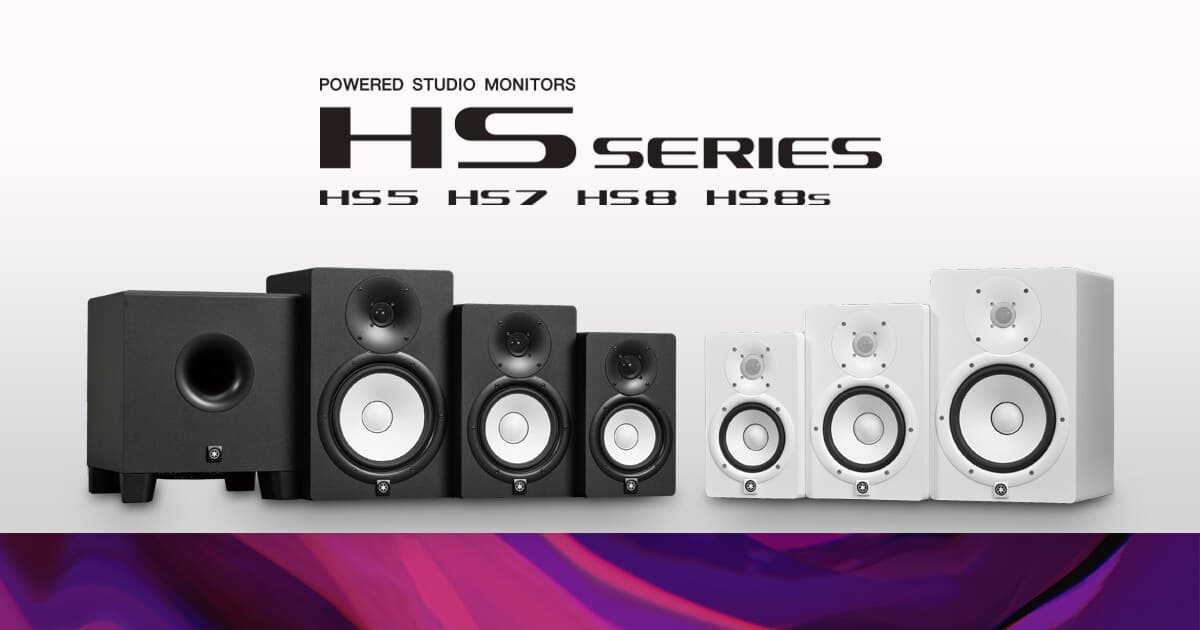
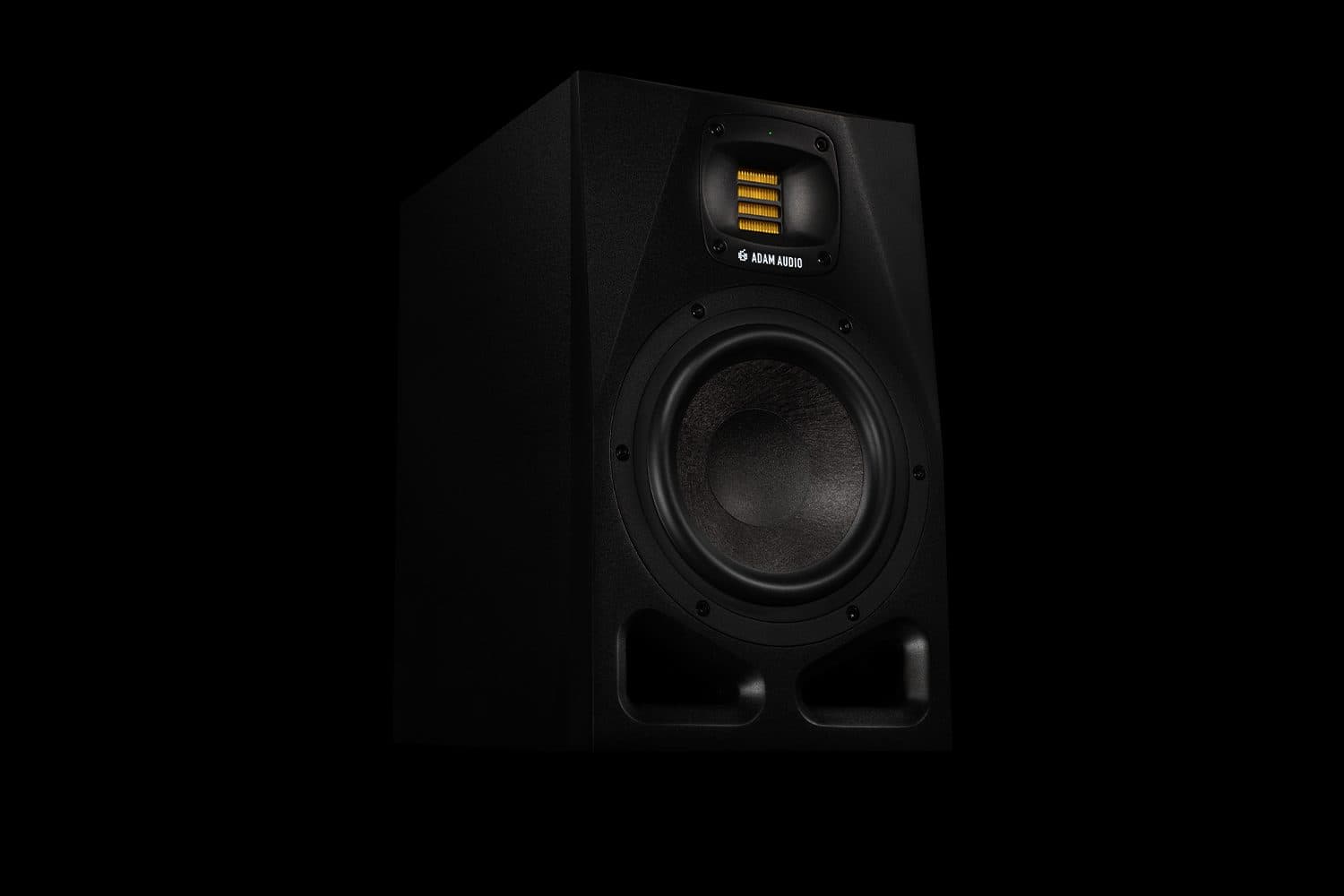
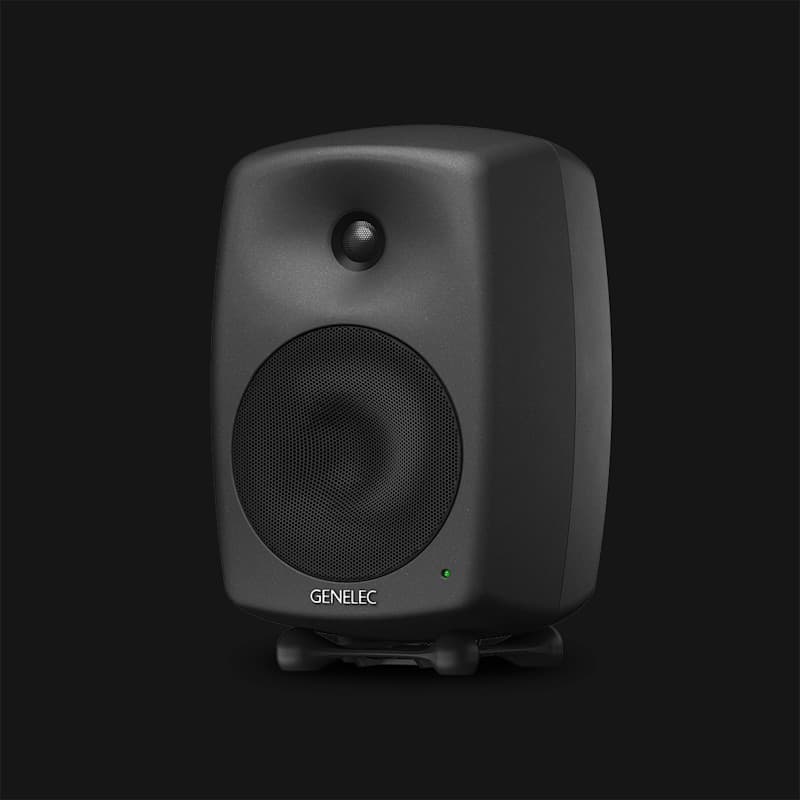
Before You Buy Studio Monitors, Size the Room
Driver hangtags are the wrong first question. Nearfield vs midfield, room, and mix vs hi-fi come first. Then shop Gavler's live ranking.
The Best Studio Monitors in 2026, Ranked by the Engineers Who Mix on Them
Yamaha, Adam Audio, Genelec, Neumann, Focal. Gavler's community ranks the reference monitors worth buying — from $179 starters to $1,999 midfields.