The 10 Best Drones in 2026, From Cinematic Flagships to Pocket Flyers
DJI dominates, but Autel and Skydio still matter. Gavler's pilots rank the drones worth flying — for cinema, mapping, and weekend hobby use.
Updated June 2026 — Amazon Prime Day is T-10, and DJI's current lineup defines the field now that Autel has exited the consumer market. Below: the drones from Gavler's Best Drones list worth flying right now, ranked by community vote.
The drone market in 2026 has a problem that's actually a luxury: there are too many good options. Camera quality that was flagship-tier two years ago is now in sub-$500 drones. Obstacle avoidance has gone from "helpful" to "it's genuinely hard to crash these things." Battery life keeps climbing.
So how do you choose? You listen to the people who fly. The Best Drones rankings on Gavler are built on votes from pilots — hobbyists, photographers, videographers — who've logged real flight hours and formed real opinions. No manufacturer relationships. No affiliate incentives. Just votes.
What's Changed in 2026
Three structural shifts in the category since this brief first published:
Autel exited the consumer drone market. Both the EVO Lite+ and EVO Nano+ are discontinued. Autel's privacy-first positioning was the most credible non-DJI consumer alternative for two years, and its exit leaves Skydio (now enterprise-only), Parrot (commercial-focused), and a tier of value brands as the remaining DJI alternatives. The competitive pressure DJI faced from Autel is gone, which makes the rest of this list more DJI-dominant than it was in early 2026.
The DJI Mini 5 Pro became the best sub-250g drone ever made. A 1-inch 50MP sensor, 52-minute flight time, omnidirectional obstacle avoidance, and a 225° gimbal rotation for vertical shooting — all under the 249g FAA registration threshold — pushed the Mini 5 Pro from "best sub-250g" to "best drone for most buyers" for any flying that does not require flagship sensor size. See our DJI Mini 4 Pro vs DJI Flip comparison for the budget-Mini decision tree.
The Holy Stone HS720G replaced Autel at the budget end. With a genuine 4K camera, 2-axis gimbal, GPS positioning, and a 26-minute flight time, the Holy Stone HS720G at $299 is the best non-DJI pick under $300 — a price point Autel used to own.
One Vote, One Drone
Every Gavler user gets a single vote on the Best Drones list. Pick the one drone you'd recommend above all others. The result is a ranking shaped by the collective judgment of people who actually fly these things.
The Rankings: What Pilots Actually Recommend
1. DJI Mavic 4 Pro — The Complete Package
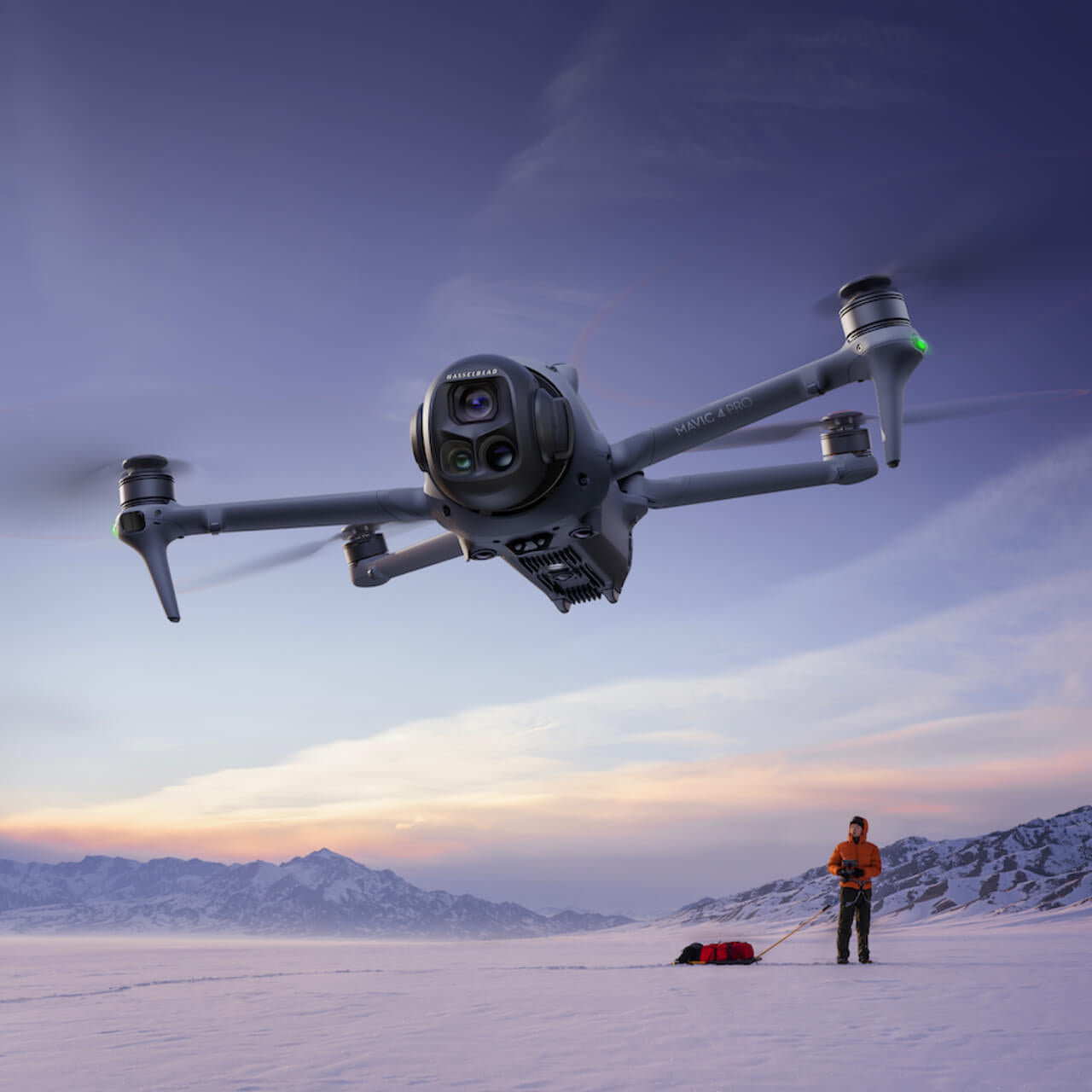
DJI Mavic 4 Pro
The clear flagship for professional aerial content. Its 100MP Hasselblad camera and 6K HDR recording with dual telephoto lenses make it the gold standard for filmmakers.
Amazon affiliate · price subject to change
A 9.8 score doesn't happen by accident. The DJI Mavic 4 Pro earns its top ranking by being exceptional at essentially everything: a Hasselblad camera system that shoots stunning stills and cinematic 5.1K video, omnidirectional obstacle sensing that makes flying in complex environments stress-free, and 40+ minutes of flight time that means you actually get the shot instead of anxiously watching the battery gauge. For the longer-term ownership read, see our DJI Mavic 4 Pro Nine Months Later field report.
It's not cheap. But the community has decided it's the drone they'd recommend above all others, and the vote margin isn't close.
2. DJI Air 3S — The Smart Money
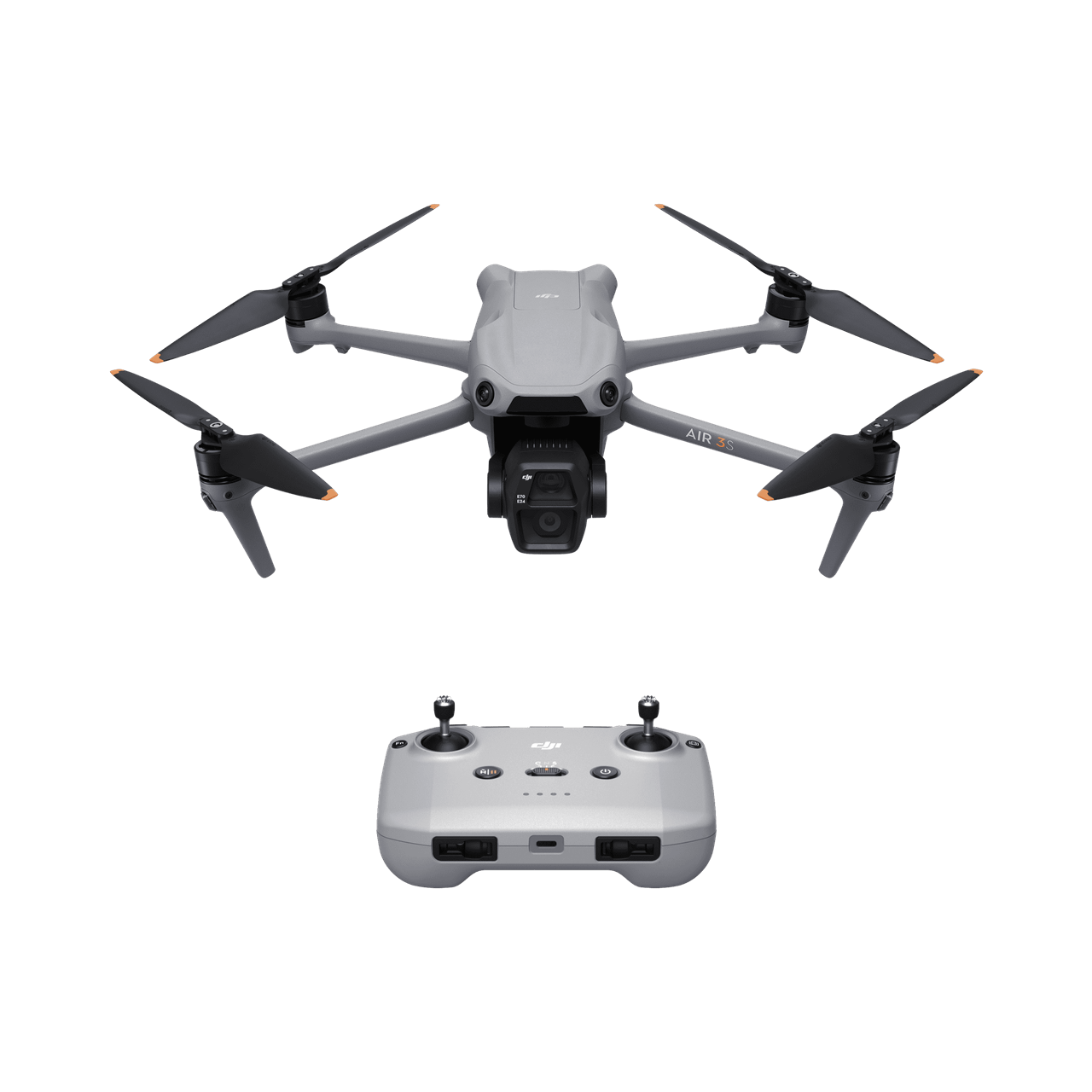
DJI Air 3S
The smart middle-ground choice with dual cameras, a 1-inch sensor, and 45-minute flight time. Better value than the Mavic 4 Pro for most users.
Amazon affiliate · price subject to change
If the Mavic 4 Pro is the answer to "what's the best drone?", the Air 3S is the answer to "what drone should I actually buy?" It delivers 90% of the flagship experience at roughly 60% of the price. Dual-camera system, excellent obstacle avoidance, long flight times, and image quality that satisfies all but the most demanding professional workflows.
The community consistently positions the Air 3S as the sweet spot — the drone that makes the most people happy.
3. DJI Mini 5 Pro — The Rule Breaker
DJI Mini 5 Pro
A 1-inch 50MP sensor, forward-facing LiDAR obstacle avoidance, and a 225° gimbal in a 249.9g body — 36-min flight time (52 with the larger battery).
Amazon affiliate · price subject to change
Under 250 grams. That single spec changes everything. No FAA registration required for recreational use. Fewer restrictions at many flying locations. A drone you can genuinely toss in a bag without thinking about it.
And yet the Mini 5 Pro doesn't feel like a compromise. 4K video, tri-directional obstacle avoidance, and intelligent flight modes that used to be exclusive to drones twice this size. The community scores it 9.4 — remarkable for what is technically DJI's "entry-level" line.
Beyond DJI: What Remains of the Competition
The Budget Pick That Replaced Autel
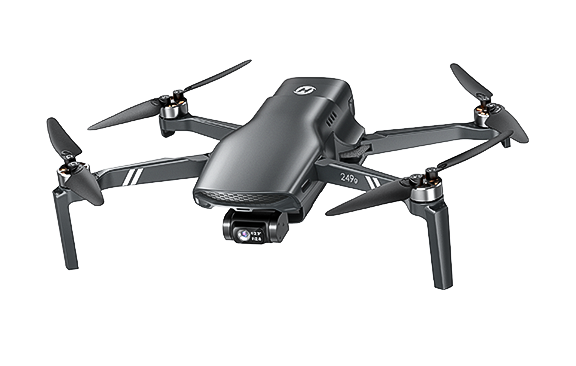
Holy Stone HS720G
The best drone under $300 — a genuine 4K camera with 2-axis gimbal, GPS positioning, and 26-minute flight time.
Amazon affiliate · price subject to change
With Autel out of the consumer market, the Holy Stone HS720G at $299 is the best non-DJI sub-$300 pick — a genuine 4K camera, 2-axis gimbal, GPS positioning, and a 26-minute flight time. It is not a flagship and the obstacle avoidance is single-direction at best, but for buyers who want a credible 4K drone without DJI's price premium, the HS720G is the answer.
The Proven Mid-Range — DJI Mini 4 Pro
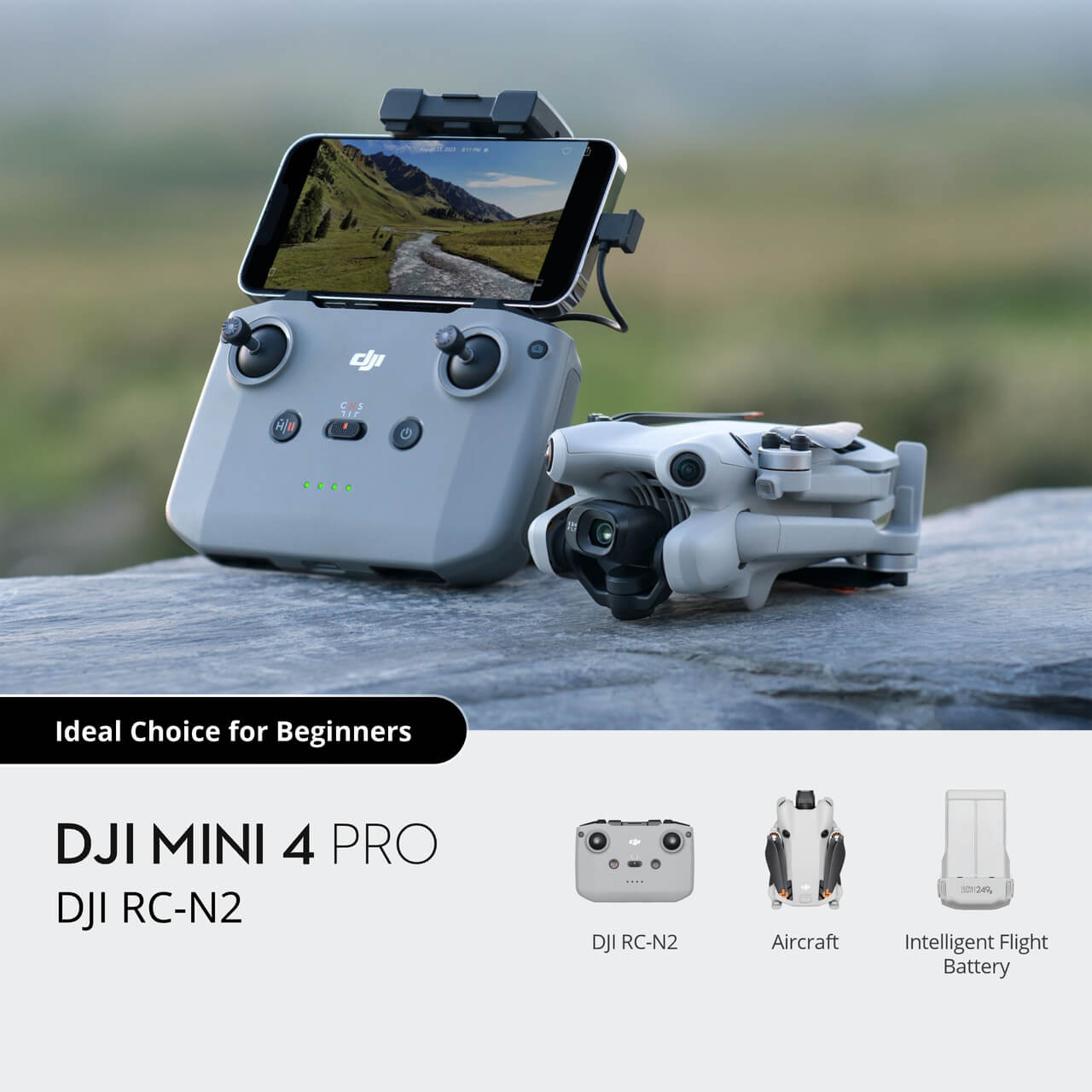
DJI Mini 4 Pro
The proven workhorse with 34-minute flight time, 20km transmission, and omnidirectional obstacle sensing.
Amazon affiliate · price subject to change
The DJI Mini 4 Pro earned a 9.1 score and now ranks fifth — 34-minute flight time, 20km transmission range, omnidirectional obstacle sensing, and the same sub-250g exemption from FAA registration that defined the Mini line. The Mini 5 Pro above is the upgrade if you want the 1-inch sensor; the Mini 4 Pro is the workhorse pick for buyers who want the proven platform at a lower entry price.
The FPV Experience
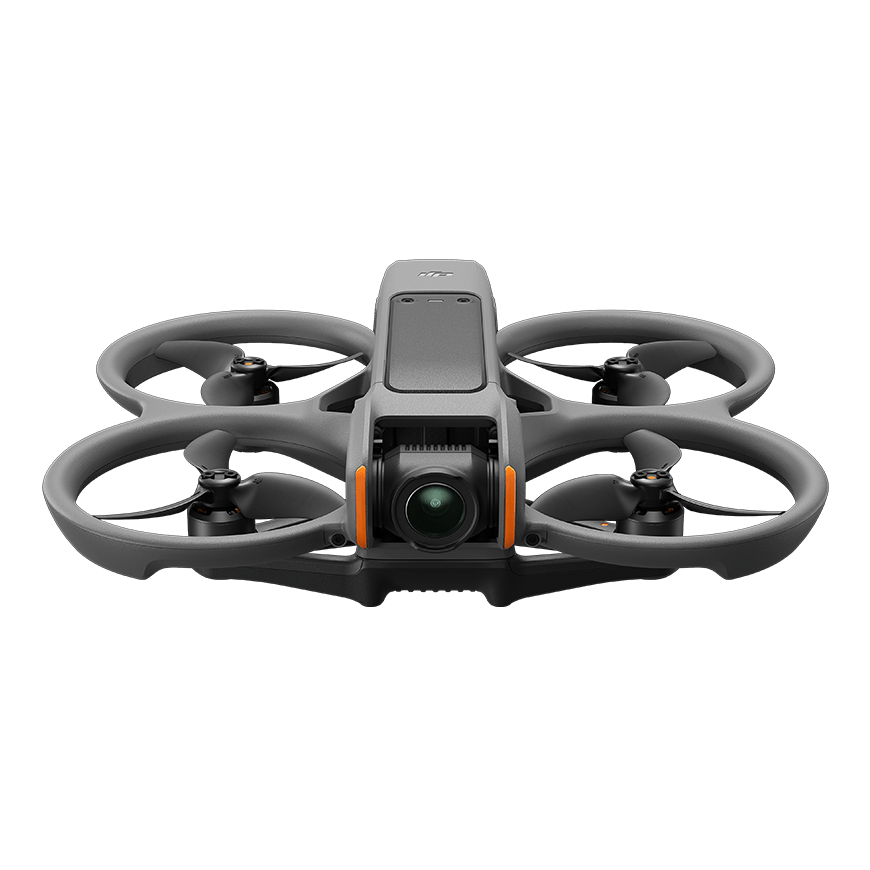
DJI Avata 2
The best gateway into FPV flying with all-in-one immersive control. Built-in propeller guards make it accessible.
Amazon affiliate · price subject to change
The DJI Avata 2 represents a completely different kind of flying. First-person view through goggles, intuitive motion controller, and a flight experience that's more "iron man" than "remote control aircraft." It scores 8.9 and holds a loyal community of pilots who find traditional drone flying boring by comparison. For the next step into the 360 / FPV category, see our DJI Avata 360 launch coverage.
It's not for everyone. But for those it clicks with, nothing else comes close.
The Budget Tier: Real Quality Under $400
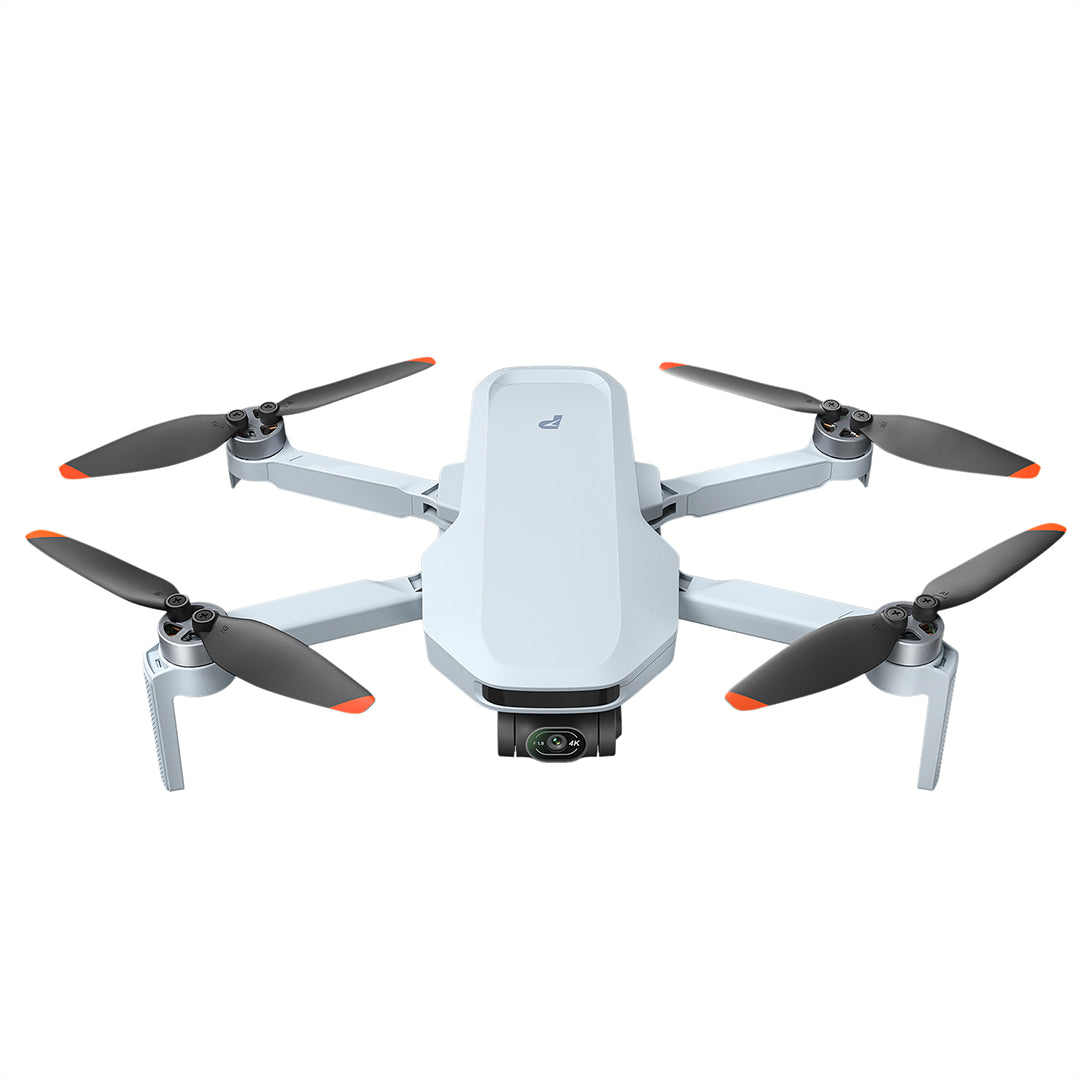
Potensic Atom 2
The best value budget option. 8K photos, 4K video, AI tracking, and 10km range for under $400.
Amazon affiliate · price subject to change
The Potensic Atom 2 proves you don't need to spend over $800 for a genuinely capable drone. Under 250g, 4K camera, GPS return-to-home, and enough intelligent flight modes to create compelling content. At 8.5, the community considers it a legitimate option — not a "good for the price" consolation prize. The Holy Stone HS720G above is the alternative at a slightly lower price; the Atom 2 is the better camera but the slightly older platform.
What to Consider Before Buying
Weight class matters for regulations. Sub-250g drones like the Mini 5 Pro and Evo Nano+ sidestep many regulatory requirements. If you don't want to deal with FAA registration, Remote ID, or restricted airspace rules, staying under 250g simplifies everything.
Camera specs aren't everything. A 1-inch sensor beats a ½-inch sensor, but the pilot's ability to find good light, compose interesting shots, and manage movement matters far more. The best drone is the one you'll actually take with you and fly.
Battery ecosystem is a real cost. Budget for at least two extra batteries and a multi-charger. A single battery gets you one flight. Three batteries get you a productive session. Factor this into your total cost calculation.
Obstacle avoidance saves drones, literally. Omnidirectional sensing (Mavic 4 Pro, Air 3S, Mini 5 Pro) is dramatically better than front-only or front-and-back sensing. If you're flying in forests, near structures, or in any environment with things to hit, this feature pays for itself the first time it saves your $800 drone from a tree.
See the Full Rankings
Architecture first — under-250g travel vs Air vs Mavic, then obstacle sensing and the camera system. The full decision tree is in our Drone Buying Guide. Then buy from the live Best Drones ranking.
Compare ranks, prices, and community scores on the Best Drones list. Ground hobby is a different machine — 8S/6S bash vs crawl vs kit in the RC car buying guide, then Best RC Cars. Cross-shopping with the rest of the Photography category? Architecture first for helmet and handlebar work — pocket vs wearable vs 360 in the action-camera buying guide, then the ranking story in The Best Action Cameras in 2026. Glass is Best Camera Lenses.
Common Questions
According to Gavler's community of drone pilots, the DJI Mavic 4 Pro is the top-ranked drone in 2026 with a 9.8 score. It leads in image quality, flight performance, and obstacle avoidance. For most people, the DJI Air 3S offers the best balance of capability and price.
In the US, drones weighing 250g or more must be registered with the FAA ($5 for 3 years). Drones under 250g — like the DJI Mini 5 Pro — are exempt from registration for recreational use, which is one reason sub-250g drones are so popular.
The DJI Mini 5 Pro is the top community pick for beginners. It's under 250g (no FAA registration needed for recreational use), has excellent obstacle avoidance, and shoots 4K video. The Potensic Atom 2 is a strong budget alternative if you want to spend less.
Most consumer drones get 25-45 minutes of flight time per battery. Flagship models like the DJI Mavic 4 Pro reach 40+ minutes, while compact drones like the Mini 5 Pro get around 30-35 minutes. Most serious pilots carry 2-3 batteries for a full session.
DJI dominates Gavler's rankings with 6 of the top 10 spots, but Autel has earned real community respect with the Evo Lite+ and Evo Nano+. Competition is pushing the entire category forward, and Autel in particular offers compelling alternatives with strong privacy features.
Products Mentioned
Jump to the full ranking and community verdict for each pick named above.