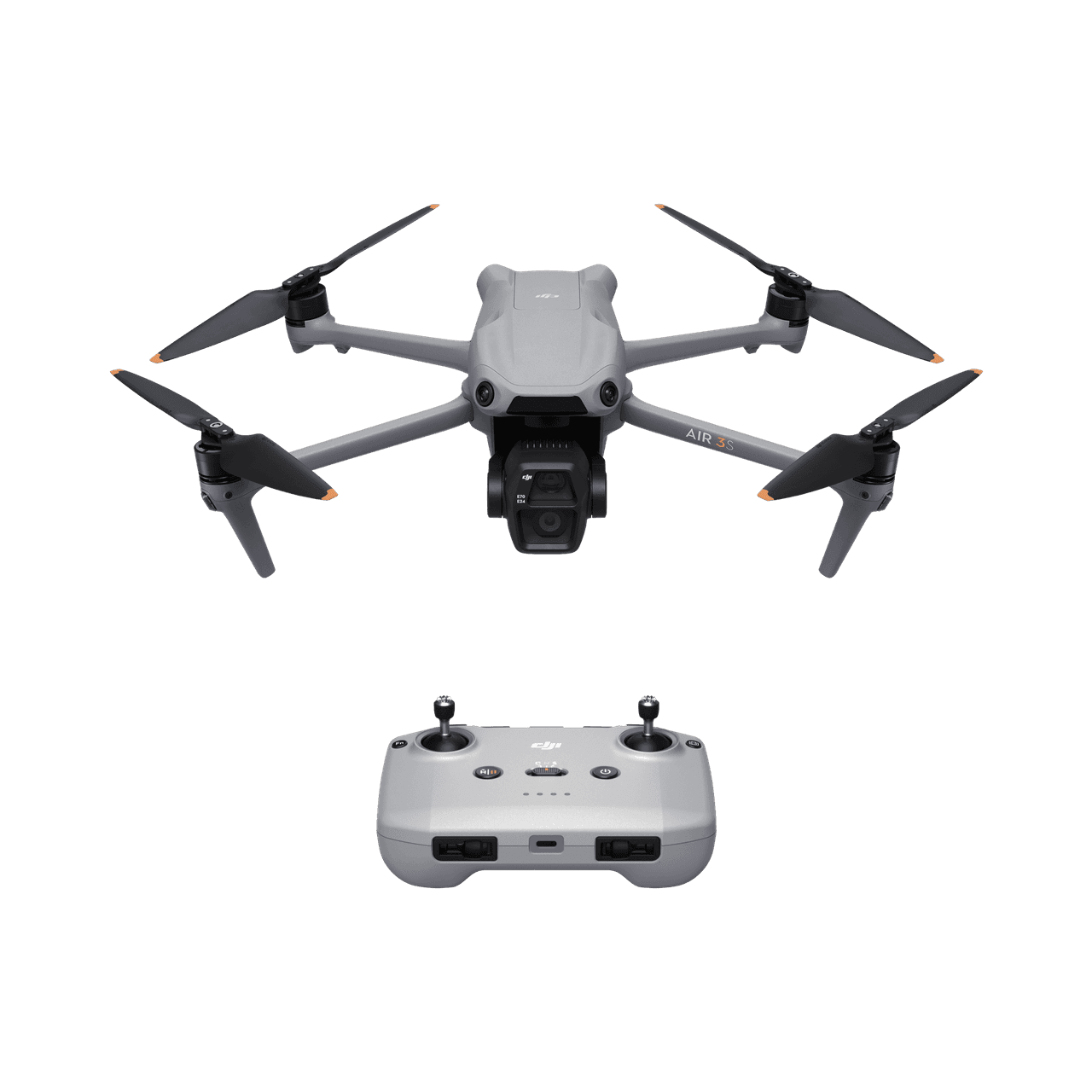
DJI Air 3S.
The smart middle-ground choice with dual cameras, a 1-inch sensor, and 45-minute flight time. Better value than the Mavic 4 Pro for most users.
The Verdict.
Gavler Meta-Score
“The Air 3S is the best drone for most people, period. The 1-inch main sensor and 48MP telephoto cover virtually every aerial scenario a non-professional encounters, the 45-minute flight time eliminates mid-shoot battery anxiety, and the LiDAR obstacle avoidance means fewer crashes and less stress. You give up the Mavic 4 Pro's 100MP Hasselblad sensor and 6K video — but you save $1,100 and shed 340 grams. For everyone except full-time cinematographers, that's the right trade.”
The Gavler Verdict
The Gavler Review.
DJI Air 3S Review: The Drone Most People Should Actually Buy
The DJI Air 3S ranks number 2 on Gavler's Best Drones list with a 9.6, and for most people shopping this category, it's the smarter buy than the flagship sitting above it. A larger 1-inch main sensor, a genuinely useful 70mm medium-tele camera, 45-minute flights, and the Air line's first LiDAR-based night sensing add up to roughly 80% of the DJI Mavic 4 Pro's real-world capability at half the price and two-thirds the weight. Unless your paycheck depends on the extra 20%, this is the drone to buy.
What it is
The Air 3S is DJI's mid-tier refinement of a formula that was already working. The prior Air 3 paired two similarly sized sensors — a wide and a medium-tele — and became a go-to recommendation for travel photographers and content creators who wanted more than a mini drone without stepping up to Mavic-tier price and weight. The Air 3S keeps that dual-camera structure but swaps the main camera's 1/1.3-inch sensor for a considerably larger 1-inch, 50-megapixel chip with an f/1.8 aperture, while the 1/1.3-inch, 48-megapixel, 70mm medium-tele carries over largely unchanged.
That single sensor swap is the whole story of this generation. A larger sensor gathers more light per pixel, which shows up directly as cleaner low-light footage and more usable dynamic range — precisely the conditions where the standard Air 3 showed its limits.
In use
Tom's Guide called the Air 3S "the new gold standard for drones — the best 4K/60fps drone money can buy right now thanks to its 1-inch sensor, next-gen obstacle avoidance and superb low-light performance," and PCMag rated it "Outstanding," praising the dual-camera system and obstacle avoidance in particular. That combination — bigger sensor plus safer flying — is the practical argument for the S over the standard Air 3.
DroneGear HQ's testing across travel, real estate, and golden-hour shoots backs up why the sensor bump matters in the field: "that larger sensor is the single biggest reason to choose it — it captures noticeably more dynamic range and cleaner low-light footage, the exact situations where the Air 3 showed its limits." Their real-world flight testing, done with active recording and obstacle sensing running, measured 32 to 38 minutes per battery against DJI's rated 45 minutes — a gap worth planning around, but still enough for a full session on a single charge, and comfortably ahead of most mid-range rivals.
The obstacle sensing deserves its own mention. TechGearLab's testing found front-and-back avoidance "extremely reliable," while side-to-side sensing was "dependable but not perfect" — an honest assessment that the Air 3S isn't fully bulletproof in genuinely tight spaces, even with the new forward LiDAR handling low-light conditions that would blind a vision-only system.
The 70mm medium-tele camera is easy to undersell on a spec sheet, but it's the feature that changes how the Air 3S actually gets used day to day. Rather than digitally cropping into the main sensor and losing resolution, the second lens delivers a genuinely distinct, gimbal-stabilized focal length — flattering perspective compression for portraits, cleaner separation on landscape shots, and framing options for tight subjects without needing to fly dangerously close. Between the two cameras and DJI's O4 transmission holding a stable 1080p/60 feed well past visual line of sight, the Air 3S covers the overwhelming majority of what a working photographer or serious hobbyist will ever ask a drone to do.
Strengths
The 1-inch main sensor is a real, felt upgrade rather than a marketing bump — cleaner shadows, better highlight retention, and noticeably less noise once the sun starts going down. The 70mm medium-tele camera remains the drone's secret weapon: flattering compression for people and buildings, without the quality loss of a digital zoom. Front LiDAR turns dusk and dim-light flying from a risk into a non-event, and 45-minute-rated flight time with a rock-solid 20km O4 transmission link means fewer interrupted shoots.
The trade-offs — who should skip it
Real-world flight time trails the marketing number by a meaningful margin — plan on 32 to 38 minutes rather than 45 once wind and active recording are factored in. Side obstacle sensing, while dependable, isn't the fully bulletproof coverage DJI's marketing implies, so tight, cluttered environments still call for caution. At 724 grams, it clears the FAA's 250-gram threshold by a wide margin, so registration is mandatory even for casual flyers who'd rather skip the paperwork that a sub-250g Mini avoids.
How it compares
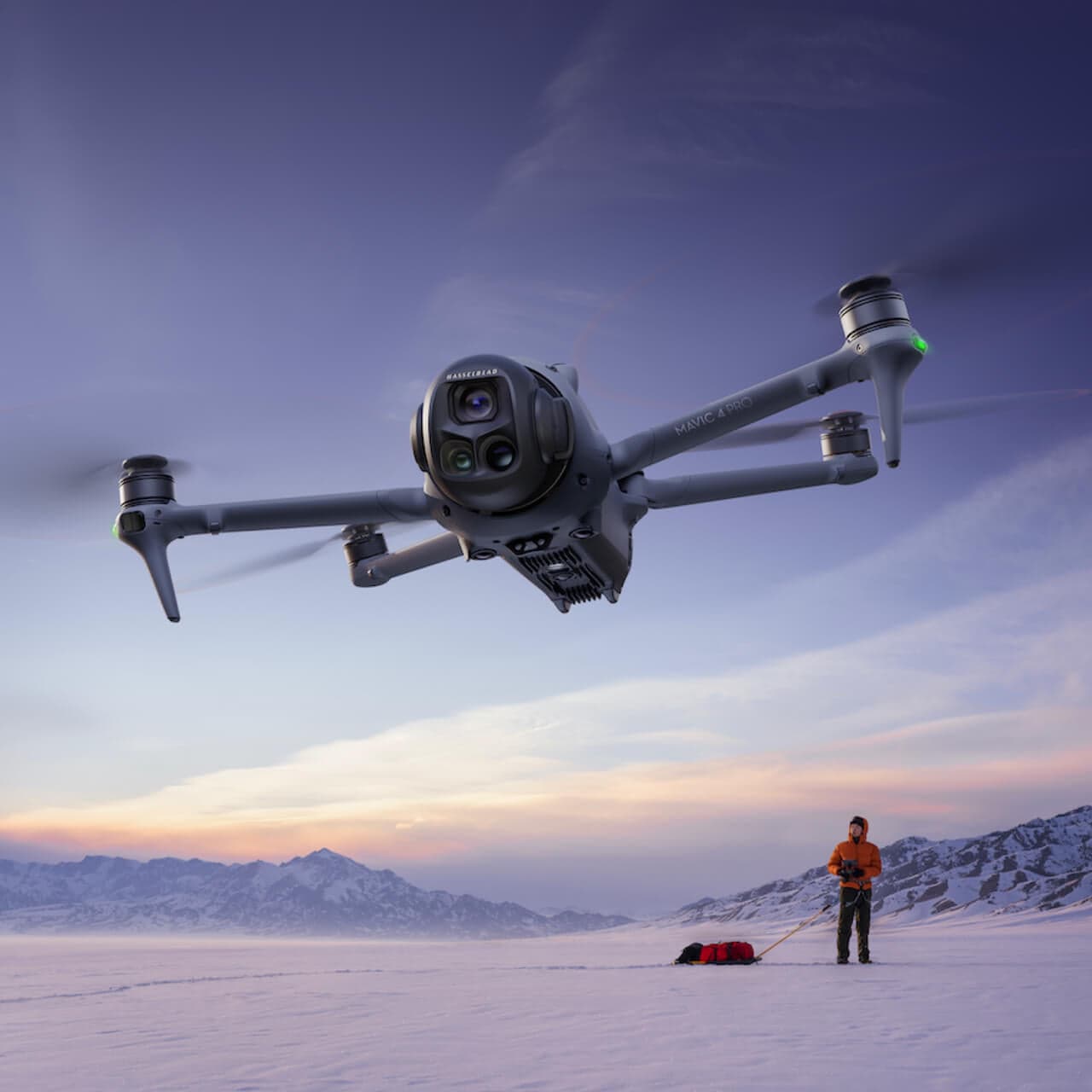
One rank up on this list, the DJI Mavic 4 Pro trades the Air 3S's portability and price for a 100MP Hasselblad sensor and a third telephoto lens — the right call only for shooters who need every bit of that extra image quality for professional deliverables. For pilots who'd rather skip FAA registration entirely, the sub-250g Mini series is the natural alternative, at the cost of the Air 3S's larger sensor and stronger wind resistance.
The Gavler verdict
A 9.6 — the drone Gavler recommends to the widest range of buyers in 2026. The 1-inch sensor and LiDAR night sensing solve the standard Air 3's real weaknesses without pushing the price or weight into Mavic territory. Buy the Mavic 4 Pro if you're being paid for the footage; buy the Air 3S for everything else.
Common Questions
Yes, for the majority of buyers it's the best drone on the market — it ranks number 2 on Gavler's Best Drones list at a 9.6. The 1-inch 50MP main sensor and 70mm medium-tele camera cover nearly every real-world aerial scenario, the 45-minute flight time removes battery anxiety, and front-facing LiDAR makes low-light and dusk flying genuinely safer than the previous Air 3.
Buy the Air 3S unless you're generating income from the footage. It delivers about 80% of the Mavic 4 Pro's image quality at half the price and roughly two-thirds the weight. The Mavic 4 Pro only pulls ahead where a 100MP Hasselblad sensor and a third, longer telephoto lens genuinely matter — professional real estate, cinema work, and large-format prints.
If low-light image quality or night flying matters to you, yes. The Air 3S swaps the Air 3's 1/1.3-inch sensor for a larger 1-inch 50MP chip and adds the line's first forward-facing LiDAR for low-light obstacle sensing. Flight time, transmission range, and the 70mm tele camera carry over essentially unchanged. If you fly mostly in daylight and don't need the bigger sensor, the standard Air 3 remains a legitimately smart buy at around $899.
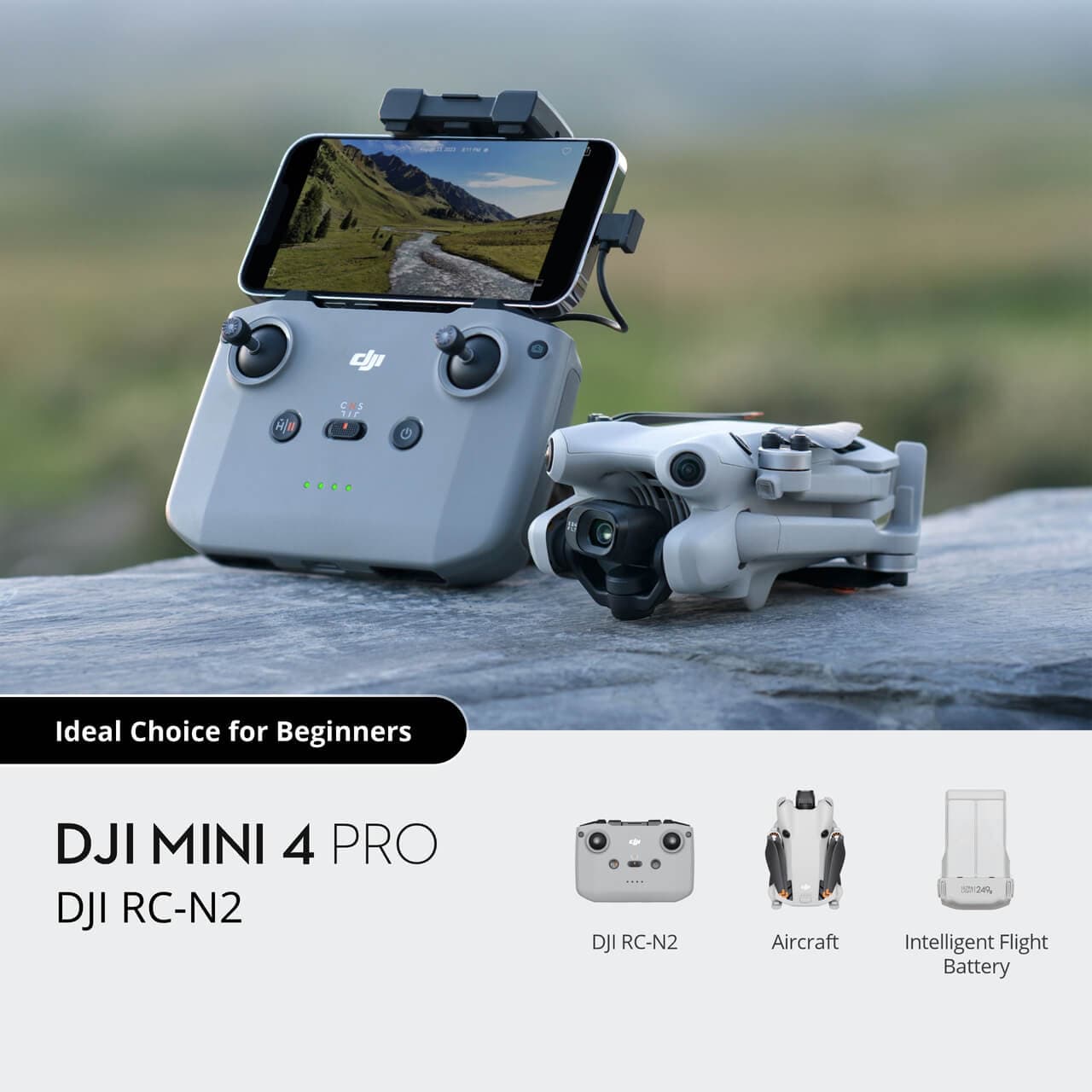
Yes. At roughly 724 grams it is nearly three times the FAA's 250-gram recreational threshold, so every US pilot — hobbyist or commercial — must register it. Pilots who want to skip registration should look at the sub-250g DJI Mini 4 Pro or Mini 5 Pro instead.
Where to Buy.
Prices checked regularly
90-day price history
Price History
Steady at $1,099 for the entire 90-day tracking window — no increases, no discounts, across 91 tracked days.
Tracked daily across retailers. Vote Want itabove and we’ll alert you the moment the price drops.
Some links are affiliate links — Gavler may earn a commission. This never affects rankings or scores. Learn more.
Precision Engineering
1" 50MP + 1/1.3" 48MP Dual Cameras
Wide-angle 1-inch sensor for landscapes and a 1/1.3-inch medium telephoto for portraits and detail shots — two focal lengths cover most aerial photography needs.
45-Minute Max Flight Time
Extended flight duration means fewer battery swaps per session. Paired with 20 km OcuSync O4+ transmission range for uninterrupted long-range flights.
LiDAR Omnidirectional Sensing
Forward-facing LiDAR enables obstacle avoidance in near-total darkness (1 lux), with 0.5–25 m measurement range and full omnidirectional protection.
Technical Specifications
The Scoreboard
Tom's Guide called it the new gold standard for drones. Community appreciates the value proposition — flagship-adjacent capability at a mid-range price. Slightly dinged for being above the 250g regulatory threshold.
Cast Your Vote
Do you think DJI Air 3S deserves the #2 spot in Best Drones?
Global Critique
“The new gold standard for drones — the best 4K/60fps drone money can buy right now thanks to its 1-inch sensor, next-gen obstacle avoidance and superb low-light performance.”
“Rated 4.5/5 Outstanding and one of the best drones you can buy right now, with particular praise for the dual-camera system and obstacle avoidance.”
“Front-and-back obstacle avoidance is extremely reliable in testing; side-to-side sensing is dependable but not perfect, so it isn't fully bulletproof in tight spaces.”
More from Best Drones.
See how other top picks compare in this category.
Buy the Drone You'll Actually Fly
6K hangtags are the wrong first question. Under-250g travel vs pro cine is the weight class to pick. Then shop Gavler's live ranking.
A 25% Drone Tariff Lands September 3 — If You Want a DJI Mini, the Clock Is Running
A 25% tariff on imported drones lands September 3, and DJI's US supply is already thin. Here's which sub-250g Mini to buy before the window closes.
DJI Avata 360: The First 360° FPV Drone Is Better Than It Has Any Right to Be
The first FPV drone with a 360° camera changes what cinematic FPV means. Here's the spec sheet, the price, and what it actually fixes.
DJI Mini 4 Pro vs DJI Flip: The Sub-250g Drone That's Actually Worth Your Money
Two sub-250g DJI drones, two very different jobs. Here's which fits your shooting style — and where each one falls short.
DJI Mavic 4 Pro, Nine Months Later: The Drone Everyone Keeps Choosing
Nine months in, the Mavic 4 Pro is the most-flown drone in Gavler's community. Here's what holds up and what we'd flag before you buy.
The 10 Best Drones in 2026, From Cinematic Flagships to Pocket Flyers
DJI dominates, but Autel and Skydio still matter. Gavler's pilots rank the drones worth flying — for cinema, mapping, and weekend hobby use.