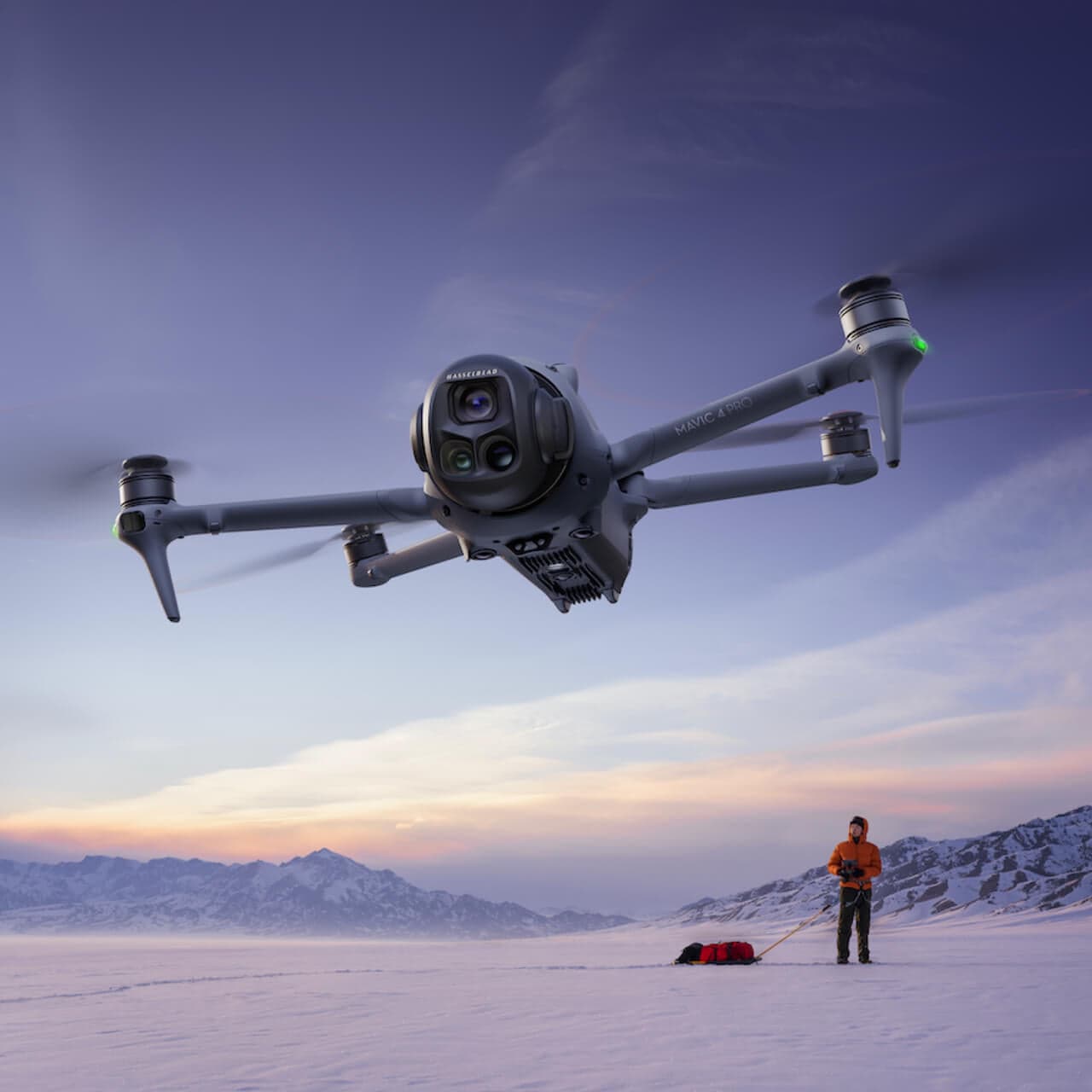
DJI Mavic 4 Pro.
The clear flagship for professional aerial content. Its 100MP Hasselblad camera and 6K HDR recording with dual telephoto lenses make it the gold standard for filmmakers.
The Verdict.
Gavler Meta-Score
“Trades portability for imaging quality that embarrasses everything else in the foldable category. The 100MP Hasselblad sensor and 6K/60fps HDR video produce files that hold up on cinema screens and gallery walls alike. At $2,199 it demands a serious investment, but for professionals where image quality is the ceiling requirement, it earns every dollar. The 51-minute flight time and omnidirectional obstacle avoidance mean fewer interrupted shoots and fewer crashed drones — both of which pay for the price premium quickly.”
The Gavler Verdict
The Gavler Review.
DJI Mavic 4 Pro Review: The Drone That Ends the Compromise Argument
The DJI Mavic 4 Pro ranks number 1 on Gavler's Best Drones list with a 9.8, and it earns that score the way a genuine flagship should: by refusing to trade image quality for anything. A 100MP Hasselblad-tuned main sensor, a 360-degree gimbal, and 51 minutes of flight time make it the first consumer drone where the camera stops being the limiting factor in professional aerial work. At $2,199, it is not a casual purchase — it is a tool, and the honest question this review answers is whether you actually need what it's built to do.
What it is
The Mavic line has been DJI's flagship for the better part of a decade, and each generation has added one defining capability: the Mavic 2 Pro brought the first 1-inch Hasselblad sensor, the Mavic 3 Pro added a triple-camera system, and the Mavic 4 Pro pushes the main sensor to 100 megapixels while adding a gimbal that rotates a full 360 degrees rather than tilting on a fixed axis. The tri-camera setup — a 28mm-equivalent Hasselblad main, a 70mm medium-tele, and a 168mm tele — lets a single flight cover establishing shots, flattering compression, and distant detail without landing to swap hardware.
The core imaging spec is a 4/3-inch Micro Four Thirds CMOS sensor with a genuinely variable aperture, f/2.0 to f/11, which is unusual on a drone and meaningfully reduces the need for ND filters in changing light. Combined with 6K/60fps HDR video in 10-bit D-Log, the Mavic 4 Pro produces files that hold up on a cinema screen, not just a phone.
In use
The headline improvement is dynamic range. Amateur Photographer put it plainly: "the 100MP Hasselblad sensor pulls dynamic range and colour the Mavic 3 Pro simply cannot reach, and the 360° Infinity Gimbal unlocks angles no foldable had before." Tom's Guide called it "a Hasselblad with wings — the best consumer drone money can buy right now, and a new benchmark for aerial photography in 2026." After three months and roughly 40,000 photographs, JVN Photo reported the main camera is "a massive step up from the Mavic 3 Pro — the image quality is the real reason to upgrade," which is the kind of endurance testing that separates a launch-week impression from a real verdict.
Flight performance backs up the imaging gains. My Dear Drone's testing across 40-plus flights found DJI's claimed 51-minute ceiling holds only in zero-wind hover; in light wind with active shooting, expect 41 to 43 minutes, dropping to 28 to 32 minutes in strong wind and aggressive flight — still ahead of the previous-generation Mavic 3 Pro's real-world 32 to 35 minutes. The switch to LiDAR-assisted obstacle sensing is the other genuine functional upgrade: where the Mavic 3 Pro's vision-only system struggled against featureless skies, thin power lines, and low light, the LiDAR system on the Mavic 4 Pro reliably stops well clear of obstacles even at dusk, which is a real safety improvement rather than a spec-sheet bullet point.
The 168mm tele camera is the most improved of the three lenses, capturing sharp detail on subjects 800-plus meters away — genuinely usable for architecture and wildlife work that the Mavic 3 Pro's 162mm lens couldn't manage. It is also the most wind-sensitive of the three, and even modest gusts introduce visible shake at full zoom.
Strengths
The tri-camera system is the whole story: three genuinely distinct, professionally useful focal lengths in one aircraft, rather than one lens and a digital crop pretending to be several. The 100MP main sensor gives working photographers aggressive cropping room and print-size flexibility that no smaller-sensor drone can match. LiDAR obstacle avoidance in low light is a real, measurable improvement over the prior generation, and the variable f/2.0–f/11 aperture cuts down meaningfully on the ND-filter juggling that aerial shooters normally deal with.
The trade-offs — who should skip it
Amateur Photographer's own review is candid about the cost of the Infinity Gimbal's freedom: "the trade-off is mastery and weight: the Infinity Gimbal's freedom takes practice to fly smoothly, and at 1,063g it requires FAA registration and Remote ID." At $2,199 for the base kit — and closer to $2,800–$3,300 with the Fly More combos most buyers actually want — this is a serious financial commitment for anyone not generating revenue with the footage. The 168mm tele's wind sensitivity means you'll bank more keepers in calm conditions than gusty ones, and processing 100MP RAW files at scale genuinely benefits from a capable editing computer.
How it compares
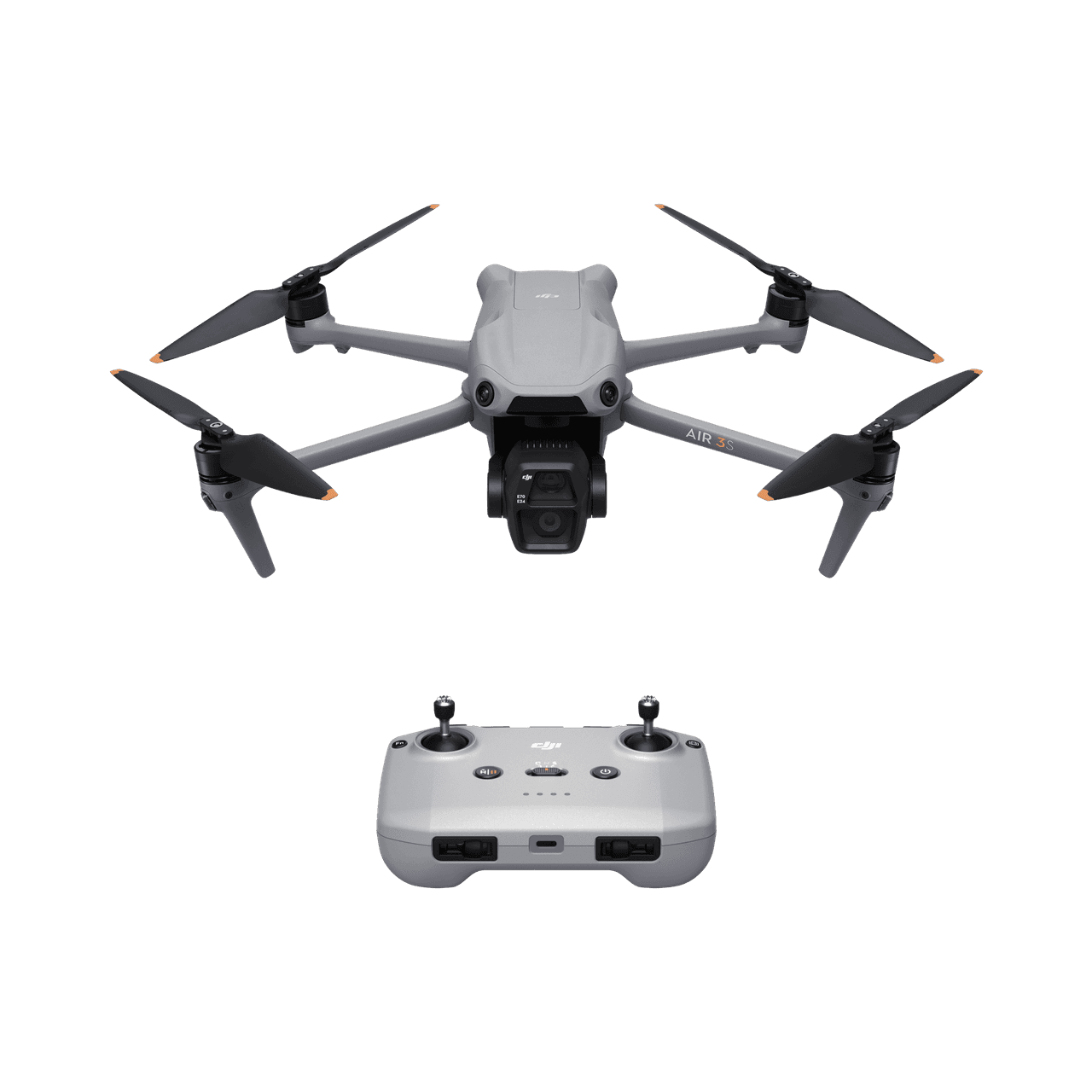
One rank down on this list, the DJI Air 3S delivers roughly 80% of the imaging capability at half the price and two-thirds the weight — for anyone who isn't shooting for clients, it's the drone Gavler would actually recommend more often. Stepping further down, the sub-250-gram DJI Mini 5 Pro trades some sensor size for a package that skips FAA registration entirely, a real consideration for casual travel shooters.
The Gavler verdict
A 9.8 — the most capable consumer drone on the market, built for people who need it rather than people who merely want it. If aerial imaging is part of how you earn a living, the Mavic 4 Pro's tri-camera system and LiDAR obstacle sensing pay for themselves within a handful of shoots. If you're chasing weekend footage, the Air 3S will make you happier for the money you keep.
Common Questions
If you earn money with a drone — real estate, weddings, commercial video, licensed stock photography — yes. It ranks number 1 on Gavler's Best Drones list with a 9.8, and the 100MP Hasselblad sensor plus 51-minute flight time solve real professional problems. If you're a hobbyist who just wants nice vacation footage, the $1,100-cheaper DJI Air 3S delivers about 80% of the experience most people will ever notice.
Buy the Mavic 4 Pro if your work depends on maximum image quality: large-format prints, aggressive post-crop flexibility, or client deliverables where a 100MP file matters. Buy the Air 3S if you want a lighter, cheaper drone that still shoots excellent 1-inch-sensor stills and video — it's the smarter buy for the large majority of pilots, professional or not.
DJI rates it at 51 minutes in zero wind. In real shooting conditions with active recording and light-to-moderate wind, expect 35 to 43 minutes; in strong wind or aggressive flight, 28 to 32 minutes. Even the worst case beats most rival drones' best case.
For commercial work — selling images, real estate listings, paid client footage — yes, you need an FAA Part 107 certificate. At 1,063 grams it's also well over the 250-gram recreational threshold, so FAA registration is mandatory even for hobbyist flying.
Where to Buy.
Prices checked regularly
90-day price history
Price History
Steady at $2,250 for the entire 90-day tracking window — no increases, no discounts, across 91 tracked days.
Tracked daily across retailers. Vote Want itabove and we’ll alert you the moment the price drops.
Some links are affiliate links — Gavler may earn a commission. This never affects rankings or scores. Learn more.
Precision Engineering
100MP 4/3" Hasselblad Sensor
Micro Four Thirds CMOS sensor with variable aperture f/2.0–f/11 delivers 100MP stills and 6K/60fps HDR video with dynamic range that smaller 1-inch sensors cannot match.
Tri-Camera with 360° Gimbal
Three focal lengths in a single drone plus a fully rotating gimbal that enables shot angles impossible on any other foldable — including straight-up and look-behind tracking shots.
51-Minute Max Flight Time
95.3 Wh battery delivers up to 51 minutes of flight — the longest in any foldable camera drone — with 30 km OcuSync 4+ transmission range via RC Pro 2.
Technical Specifications
The Scoreboard
Near-unanimous expert praise for the Hasselblad tri-camera system and 51-minute flight time. Community scores slightly lower due to price and weight — this is a professional tool, not a casual weekend flyer.
Cast Your Vote
Do you think DJI Mavic 4 Pro deserves the #1 spot in Best Drones?
Global Critique
“A Hasselblad with wings — the best consumer drone money can buy right now, and a new benchmark for aerial photography in 2026.”
“The 100MP Hasselblad sensor pulls dynamic range and colour the Mavic 3 Pro simply cannot reach, and the 360° Infinity Gimbal unlocks angles no foldable had before.”
“After three months and 40,000 photos, the main camera is a massive step up from the Mavic 3 Pro — the image quality is the real reason to upgrade.”
“The trade-off is mastery and weight: the Infinity Gimbal's freedom takes practice to fly smoothly, and at 1,063g it requires FAA registration and Remote ID.”
More from Best Drones.
See how other top picks compare in this category.
Buy the Drone You'll Actually Fly
6K hangtags are the wrong first question. Under-250g travel vs pro cine is the weight class to pick. Then shop Gavler's live ranking.
A 25% Drone Tariff Lands September 3 — If You Want a DJI Mini, the Clock Is Running
A 25% tariff on imported drones lands September 3, and DJI's US supply is already thin. Here's which sub-250g Mini to buy before the window closes.
DJI Avata 360: The First 360° FPV Drone Is Better Than It Has Any Right to Be
The first FPV drone with a 360° camera changes what cinematic FPV means. Here's the spec sheet, the price, and what it actually fixes.
DJI Mini 4 Pro vs DJI Flip: The Sub-250g Drone That's Actually Worth Your Money
Two sub-250g DJI drones, two very different jobs. Here's which fits your shooting style — and where each one falls short.
DJI Mavic 4 Pro, Nine Months Later: The Drone Everyone Keeps Choosing
Nine months in, the Mavic 4 Pro is the most-flown drone in Gavler's community. Here's what holds up and what we'd flag before you buy.
The 10 Best Drones in 2026, From Cinematic Flagships to Pocket Flyers
DJI dominates, but Autel and Skydio still matter. Gavler's pilots rank the drones worth flying — for cinema, mapping, and weekend hobby use.