DJI Avata 2.
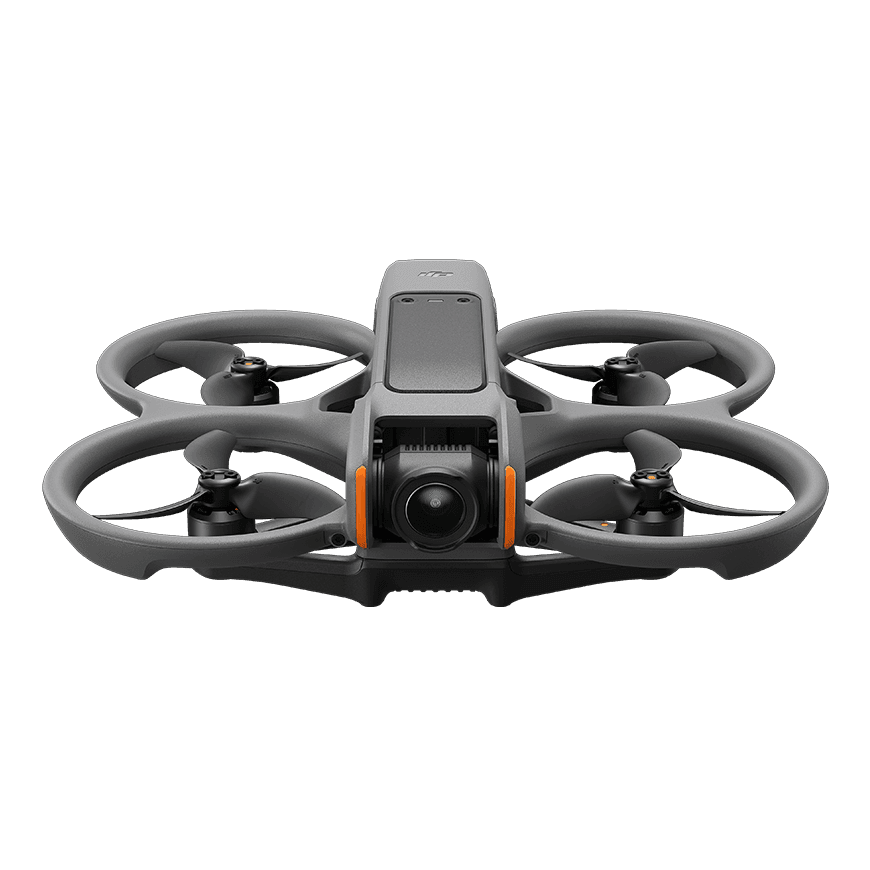
The best gateway into FPV flying with all-in-one immersive control. Built-in propeller guards make it accessible.
The Verdict.
Gavler Meta-Score
“The Avata 2 is the only FPV drone most people will ever need. It trades the ceiling of traditional FPV racing quads for something more valuable: the confidence to fly indoors, through tight spaces, and at speed without months of simulator practice. The Easy ACRO mode is genuinely brilliant — it makes cinematic maneuvers accessible on day one. The 1/1.3-inch sensor means the footage actually looks good enough to use.”
The Gavler Verdict
The Gavler Review.
DJI Avata 2 Review: FPV Flying Without the Months of Practice
The DJI Avata 2 ranks sixth on Gavler's Best Drones list with an 8.9, and it earns that spot by solving FPV flying's oldest problem: the barrier to entry. DroneDJ's verdict captures it in a headline — "still the most fun drone on the market, and it got better" — and the reason is that DJI built genuine safety nets into a category that has historically punished beginners. Buy it if you want the sweeping, immersive perspective of first-person flying without months of simulator practice first. Skip it if you're a dedicated FPV racer chasing the outer limits of agility; that's a different drone, and the Avata 2 doesn't pretend otherwise.
What it is
The Avata 2 pairs a 1/1.3-inch sensor shooting 4K/60fps HDR and 2.7K/120fps slow motion with a 155° ultra-wide field of view that creates the sweeping, diving perspective that defines cinematic FPV footage. Three flight modes scale with skill: Normal (18 mph, stable and forgiving), Sport (36 mph, more responsive), and Manual (60 mph, full acrobatic control for pilots who've earned it). Full-coverage propeller guards aren't a token safety feature — they're the thing that makes confident indoor flying and close-proximity shots possible in a way traditional, exposed-rotor FPV quads simply can't attempt.
DroneDJ's Seth Kurkowski, testing it as someone who describes himself as "not an avid FPV flyer," put the accessibility claim to the test directly: within his first sessions he was crashing — into a playground structure, no less — and relying on the drone's Turtle Mode, which flips it upright after a tumble so flying can continue. "Overall the quality is great, the rotor guards protect the rotors from getting any damage if you graze a wall, clip some leaves, or even fly a bit too low into the tall grass," he wrote, though he also noted a real limit: hit something harder, like the metal pole his early flight caught, and the guard itself takes cosmetic damage that's worth having repaired even if flight performance doesn't visibly suffer.
In use
The standout feature for casual pilots is Easy ACRO mode, which introduces flips, rolls, and dives with rate-limited controls that prevent the overcorrection crashes that normally punish anyone attempting acrobatics before they're ready. Pilot Institute's testing found 91% of beginner pilots achieved a stable hover within 8 minutes — more than double the success rate DJI reported for the original Avata — and that gap is the entire argument for buying the second generation over the first.
Paired DJI Goggles 3 are, per DroneDJ, arguably the bigger upgrade than the drone itself. The jump to O4 transmission delivers a meaningfully more stable video feed than the previous generation's O3+, and a real-world passthrough feature lets pilots see their actual surroundings with a double-tap, without pulling the goggles off — DroneDJ called it "a big safety feature," useful for spotting people walking up nearby or just checking a phone between flights. The head strap redesign, with the battery moved to the back for balance and a dial-tightening system, held up over extended sessions without the neck fatigue that plagues heavier headsets.
Strengths
- Easy ACRO mode. Rate-limited acrobatic controls make flips, rolls, and dives achievable on day one — the single feature that separates this from a traditional FPV quad's unforgiving learning curve.
- Integrated propeller guards. Not cosmetic — they genuinely enable indoor flying and tight, close-proximity shots that would destroy an exposed-rotor drone.
- 1/1.3-inch sensor with 10-bit color. 4K/60fps HDR footage that actually looks usable, not just a novelty of the FPV perspective.
- DJI Goggles 3 with O4 transmission. A dramatically more stable feed than the previous generation, plus genuinely useful real-world passthrough.
The trade-offs — who should skip it
- Not a racing quad. Manual mode tops out at 60 mph with rate-limited handling underneath it — dedicated FPV racers chasing raw agility and top-end responsiveness will find the ceiling lower than a purpose-built racing build.
- Crash damage is still real. DroneDJ's own testing found that clipping something solid — a metal pole, in their case — can dent the propeller guard enough to affect flight characteristics until repaired, even though the drone itself survives.
- Ecosystem lock-in. The Goggles 3 and Motion Controller 3 only work with the newest generation of compatible drones; older Avata or Goggles 2 owners can't mix and match hardware freely.
- 23-minute flight time. Solid for the category, but shorter than DJI's photography-focused drones, which push past 40 minutes.
How it compares
On the same Best Drones list, the DJI Mini 4 Pro sits one rank above at number five and represents the opposite philosophy — a traditional gimbal-stabilized aerial photography drone with 34 minutes of flight time and omnidirectional obstacle sensing, built for landscapes and travel rather than immersive first-person flying. If you're choosing between the two, the decision is really about what kind of footage you want: smooth, wide establishing shots from the Mini 4 Pro, or the diving, weaving, subject-chasing perspective that only an FPV platform like the Avata 2 can deliver.
The Gavler verdict
An 8.9 that reflects genuine consensus: reviewers across the board praise how accessible DJI has made a category that used to require a simulator and a stack of crashed quads before a pilot felt confident. The one consistent critique — that Manual-mode pilots miss the raw agility of a dedicated racing build — is, as Gavler's scoring notes put it, "precisely the point." This isn't trying to be a racing quad. It's trying to be the FPV drone most people will actually fly, and on that measure it succeeds almost without qualification. Buy it for the confidence to fly indoors and through tight spaces on day one; look elsewhere if raw acrobatic ceiling is what you're actually chasing.
Common Questions
For anyone who wants immersive FPV flying without a months-long learning curve, yes. It ranks sixth on Gavler's Best Drones list with an 8.9, and DroneDJ called it 'still the most fun drone on the market, and it got better.' The integrated propeller guards and Easy ACRO mode make it the rare FPV drone a genuine beginner can fly indoors on day one.
Buy the Mini 4 Pro for traditional aerial photography and video — it's lighter, has a rotating gimbal for vertical shooting, and 34 minutes of flight time. Buy the Avata 2 if what you actually want is the immersive, first-person flying experience — diving through gaps, weaving indoors, chasing a subject at eye level — that a gimbal drone simply can't replicate.
Gentler than any traditional FPV quad. Pilot Institute testing found 91% of beginner pilots achieved stable hover within 8 minutes, and DroneDJ's reviewer — a self-described non-FPV flyer — was crashing into a playscape and using Turtle Mode to recover within his first sessions, with no lasting damage to the drone.
Where to Buy.
Prices checked regularly
90-day price history
Price History
Steady at $999 for the entire 90-day tracking window — no increases, no discounts, across 91 tracked days.
Tracked daily across retailers. Vote Want itabove and we’ll alert you the moment the price drops.
Some links are affiliate links — Gavler may earn a commission. This never affects rankings or scores. Learn more.
Precision Engineering
155° Ultra-Wide FOV, 4K/60fps HDR
1/1.3-inch sensor with 10-bit D-Log M color — footage quality that rivals conventional camera drones at cinematic wide angles.
Easy ACRO Mode
Rate-limited acrobatic controls enable flips, rolls, and dives without overcorrection crashes — cinematic maneuvers on day one.
Integrated Propeller Guards
Full-coverage guards enable confident indoor flying and close-proximity shots that traditional FPV drones can't safely attempt.
Technical Specifications
The Scoreboard
Reviewers universally praise accessibility. Manual-mode pilots note it lacks the raw agility of dedicated racing quads — which is precisely the point.
Cast Your Vote
Do you think DJI Avata 2 deserves the #6 spot in Best Drones?
Global Critique
“Still the most fun drone on the market, and it got better! Easy ACRO is a game-changer for creative flying.”
“I flew the Avata 2 for an entire month — the learning curve is dramatically gentler than any FPV drone I've tested.”
“The best beginner FPV drone by a wide margin. 91% of test pilots achieved stable hover within 8 minutes.”
More from Best Drones.
See how other top picks compare in this category.
Buy the Drone You'll Actually Fly
6K hangtags are the wrong first question. Under-250g travel vs pro cine is the weight class to pick. Then shop Gavler's live ranking.
A 25% Drone Tariff Lands September 3 — If You Want a DJI Mini, the Clock Is Running
A 25% tariff on imported drones lands September 3, and DJI's US supply is already thin. Here's which sub-250g Mini to buy before the window closes.
DJI Avata 360: The First 360° FPV Drone Is Better Than It Has Any Right to Be
The first FPV drone with a 360° camera changes what cinematic FPV means. Here's the spec sheet, the price, and what it actually fixes.
DJI Mini 4 Pro vs DJI Flip: The Sub-250g Drone That's Actually Worth Your Money
Two sub-250g DJI drones, two very different jobs. Here's which fits your shooting style — and where each one falls short.
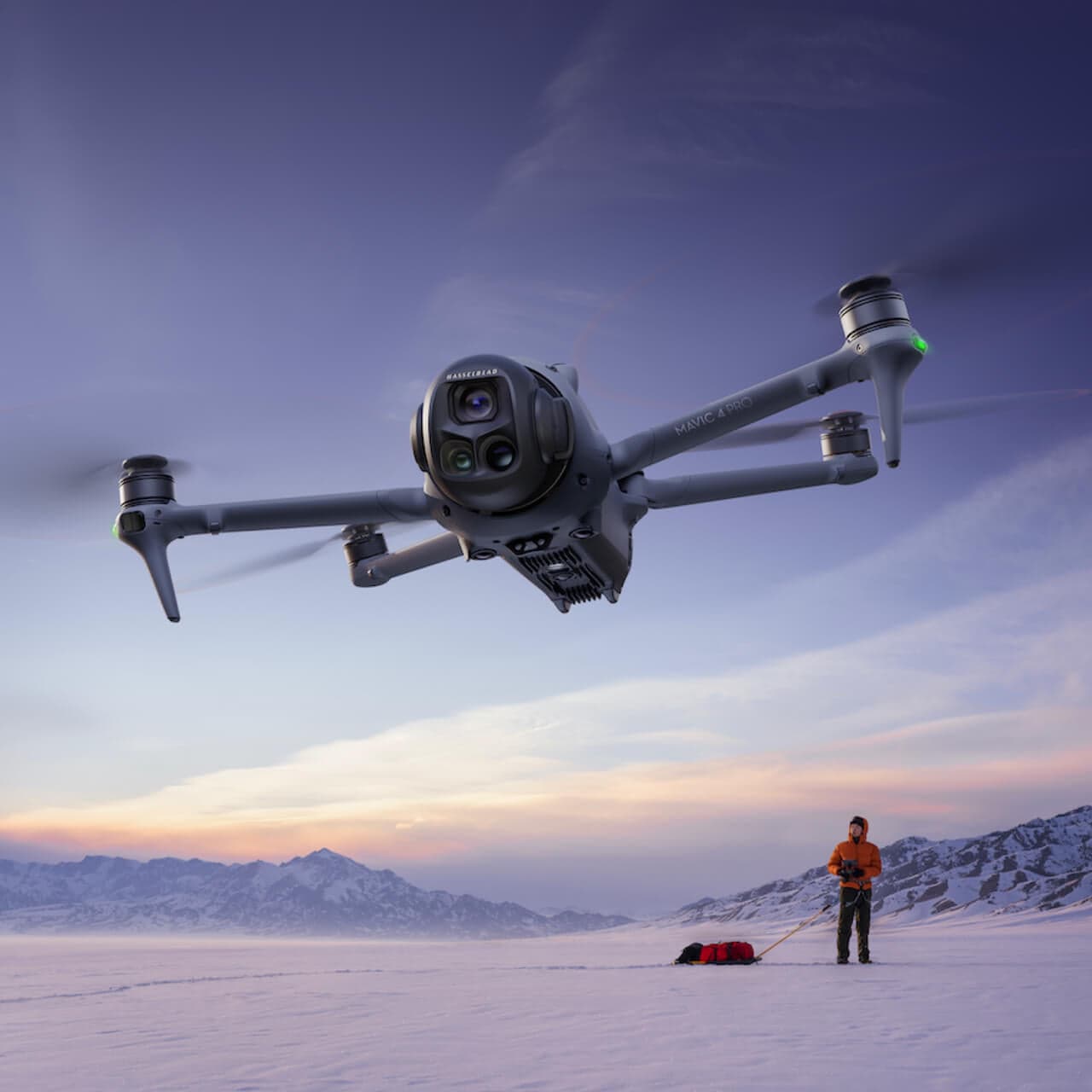
DJI Mavic 4 Pro, Nine Months Later: The Drone Everyone Keeps Choosing
Nine months in, the Mavic 4 Pro is the most-flown drone in Gavler's community. Here's what holds up and what we'd flag before you buy.
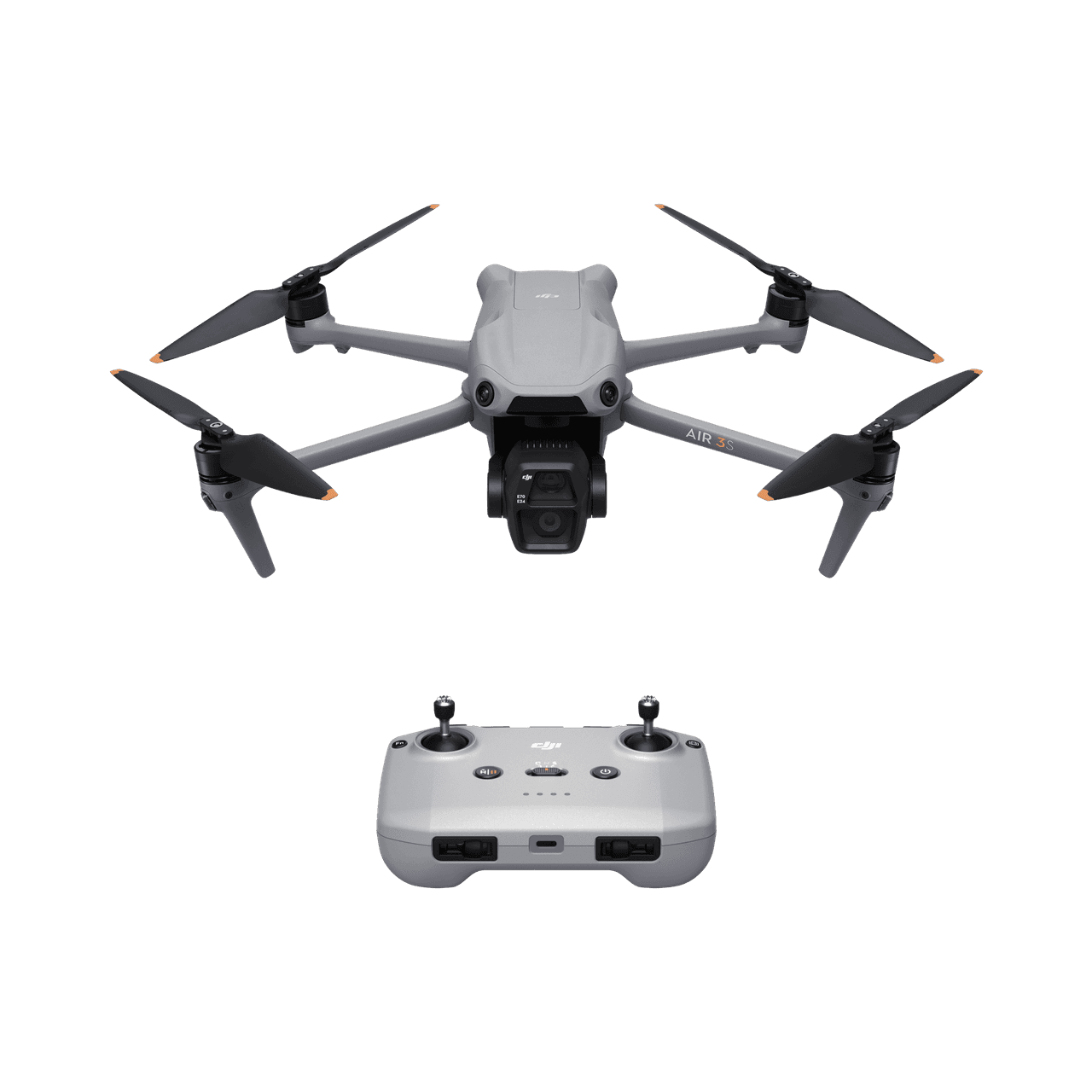
The 10 Best Drones in 2026, From Cinematic Flagships to Pocket Flyers
DJI dominates, but Autel and Skydio still matter. Gavler's pilots rank the drones worth flying — for cinema, mapping, and weekend hobby use.