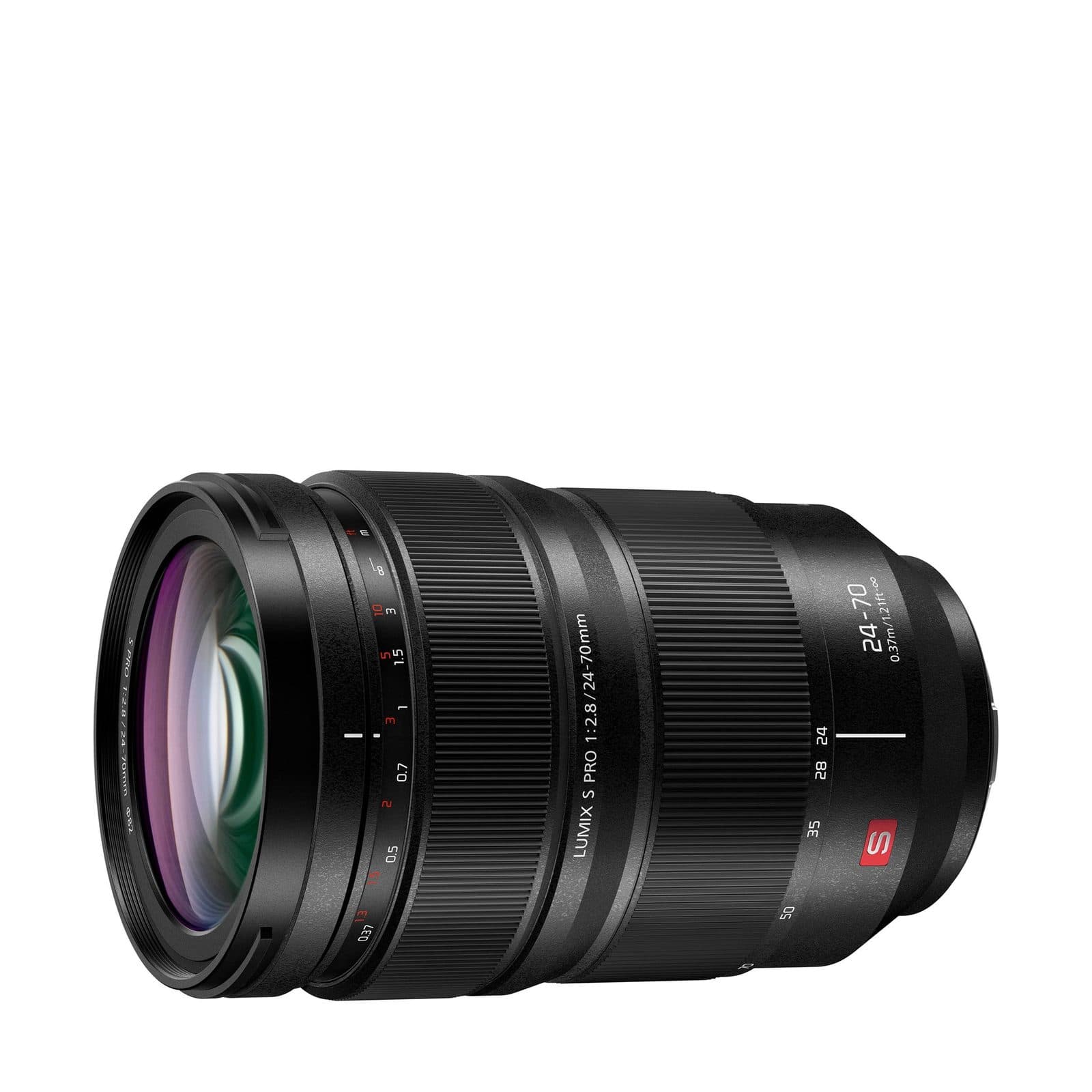
Panasonic Lumix S Pro 24-70mm f/2.8.
Leica-certified optics for L-mount. Heavier than rivals but with weather sealing and rendering that rewards the extra weight.
The Verdict.
Gavler Meta-Score
“Leica-certified L-mount glass with edge-to-edge sharpness and gorgeous bokeh — optically it's a genuine pro trinity zoom. But it's heavy at 935g with no OIS, and Digital Camera World bluntly notes its image quality is "no better" than the half-price Sigma 24-70mm f/2.8 DG DN. Buy it if you specifically want first-party build and weather sealing on L-mount; most shooters are better served by the Sigma.”
The Gavler Verdict
The Gavler Review.
Panasonic Lumix S PRO 24-70mm f/2.8 Review: Did Sigma Do It Better?
The Panasonic Lumix S PRO 24-70mm f/2.8 ranks number 10 on Gavler's Best Standard Zoom Lenses list with an 8.2, and it's the L-mount system's built-to-Leica-standard answer to the trinity zoom — genuinely excellent glass wrapped in a size and price that invite an uncomfortable comparison. The Phoblographer found it "sharp from edge to edge" with "gorgeous" bokeh, but their own headline asks the question everyone in L-mount ends up asking: "Did Sigma Do Better?" Digital Camera World answers it directly, finding the image quality "is really no better than from the competing Sigma lens, which only costs half the price."
What it is
Panasonic's PRO-line standard zoom covers 24-70mm at a constant f/2.8, built from 18 elements in 16 groups — three aspherical, four ED, and one UHR element — with an 11-blade rounded aperture. The lens is Leica-certified to the German brand's optical standard, part of the three-way L-mount alliance between Panasonic, Leica, and Sigma, and it's weather-sealed to operate down to -10°C. Focus uses two motors, a stepping motor plus a linear motor with what Panasonic calls "Ultrasonic Assist," and a focus clutch lets you snap quickly between auto and manual focus.
At $2,197 and 935 grams with no optical stabilization, it's built and priced as a professional's tool that relies entirely on the camera body's in-body 5-axis stabilization. The Phoblographer's tech spec sheet lists the length at 5.5 inches and weight at just over 2 pounds — genuinely large by mirrorless standards, closer to a DSLR-era trinity zoom than the compact designs mirrorless mounts are supposed to enable.
In use
Optically, there's little to argue with. The Phoblographer's testing found it "sharp from edge to edge" with "gorgeous" bokeh from the 11-blade diaphragm, and their pros list credits "very fast and usable autofocus" once the camera locks focus. The lens survived real-world weather testing too — The Phoblographer took it out in heavy New York rain during review, shot without a lens hood at one point, and reported no issues at all with the weather sealing holding up.
The size is where reviewers turn genuinely candid. The Phoblographer's cons list for this lens is refreshingly blunt: alongside "more distortion than we'd like at the wider end," the second listed con is simply "Yuuuuugggeeeee" — their shorthand for how enormous the lens feels in practice. Their full assessment doesn't pull punches: "Overall, the Panasonic 24-70mm f2.8 LUMIX Pro is still mammoth when it's attached to an L mount camera. And for what it's worth, photographers probably would not have thought that giant lens beasts like this roamed the earth beyond the days of when the DSLR was king." Digital Camera World's separate measurement puts a number on it: an S1 or S1R body paired with this lens comes to "almost 2kg" — a serious all-day carry for anyone shooting handheld.
Autofocus performance drew the most pointed criticism at launch. The Phoblographer's original review found genuine hesitation in low light and ultimately noted "photographers are getting a lens that's high quality but held back by the system's autofocus" — a limitation they traced to the camera body's contrast-detect DFD system rather than the lens itself. Notably, The Phoblographer later updated their assessment: after Leica SL2S firmware improvements, they found autofocus "incredibly fast, accurate, and reliable" even in low light, and said they'd "recommend it for journalistic work in a heartbeat" on updated bodies — a meaningful caveat that the lens's early reputation for slow AF was really a body-and-firmware problem that has since largely resolved.
Strengths
- Genuinely excellent optics. The Phoblographer's "sharp from edge to edge" and "gorgeous" bokeh assessment reflects real Leica-certified engineering, not just a marketing claim.
- Weather sealing that holds up in practice. Rated to -10°C and tested in heavy rain by The Phoblographer without issue — a real asset for working photographers who can't stop shooting when conditions change.
- Autofocus that improved meaningfully with firmware. The early AF criticism has largely been addressed on updated bodies, and current performance is fast and reliable rather than a persistent weakness.
The trade-offs — who should skip it
- It's genuinely enormous. The Phoblographer's one-word con — "Yuuuuugggeeeee" — and Digital Camera World's "almost 2kg" body-plus-lens figure both point to the same reality: this is not a lens you forget you're carrying.
- No optical stabilization at 935 grams. You're fully dependent on in-body IS, a real consideration for handheld work in low light without a tripod.
- Digital Camera World's value verdict is blunt. Image quality "is really no better" than the Sigma 24-70mm f/2.8 DG DN, which costs roughly half as much — a hard number to argue against unless first-party build and Leica certification matter specifically to you.
How it compares
On the same Best Standard Zoom Lenses list, the Fujifilm XF 16-55mm f/2.8 R LM WR II ranks 9, one spot above the Panasonic — a different system entirely, but a useful contrast in philosophy: Digital Camera World found the Fuji "very noticeably smaller, lighter and sharper" than its own predecessor, the opposite direction from the Panasonic's DSLR-scale approach. The Nikon Z 24-120mm f/4 S at rank 8 makes an even sharper contrast — a lighter, cheaper, if slower-aperture zoom that Photography Life rates among the best all-around midrange zooms it has tested, often selling under $1,000.
Within L-mount specifically, the comparison that matters most is the one The Phoblographer's headline poses directly: the Sigma 24-70mm f/2.8 DG DN Art, which Digital Camera World's testing found delivers essentially the same image quality for about half the price.
The Gavler verdict
An 8.2 for a lens whose optics genuinely earn their Leica certification — edge-to-edge sharpness, gorgeous bokeh, and weather sealing that holds up under real testing. But the honest verdict, echoed by both The Phoblographer's "Yuuuuugggeeeee" and Digital Camera World's value assessment, is that this lens asks buyers to pay a real premium in both weight and price for first-party polish that the Sigma alternative largely matches. Buy it if you specifically want Panasonic's own build and Leica-certified branding on L-mount; most photographers will be better served, and lighter, with the Sigma.
Common Questions
Only if you specifically want first-party L-mount build and Leica certification. The Phoblographer found it 'sharp from edge to edge' with 'gorgeous' bokeh, but Digital Camera World's verdict is blunt: image quality 'is really no better than from the competing Sigma lens, which only costs half the price.' It ranks number 10 on Gavler's Best Standard Zoom Lenses list with an 8.2 at $2,197.
Genuinely heavy. Digital Camera World notes an S1 or S1R body paired with this lens is 'almost 2kg,' and The Phoblographer's own cons list is one word: 'Yuuuuugggeeeee.' At 935g with no optical stabilization, it leans entirely on the camera body's in-body IS.
At launch, yes. The Phoblographer initially found it couldn't be recommended 'for pressing work' after low-light AF misses, writing that photographers are 'getting a lens that's high quality but held back by the system's autofocus.' The site later noted AF improved substantially after body firmware updates, tracing the original issue to Panasonic's contrast-based DFD system rather than the lens optics.
Where to Buy.
Prices checked regularly
90-day price history
Price History
Steady at $2,197 for the entire 90-day tracking window — no increases, no discounts, across 91 tracked days.
Tracked daily across retailers. Vote Want itabove and we’ll alert you the moment the price drops.
Some links are affiliate links — Gavler may earn a commission. This never affects rankings or scores. Learn more.
Precision Engineering
Edge-to-Edge Sharp, 11-Blade Bokeh
The Phoblographer found it "sharp from edge to edge" with "gorgeous" bokeh; 18 elements in 16 groups (3 aspherical, 4 ED, 1 UHR).
Leica-Certified, -10°C Sealed
Built to Leica's optical certification standard with dust/splash sealing rated to operate down to -10°C.
935g, No OIS
One of the heaviest 24-70 f/2.8s — DCW notes body-plus-lens is "almost 2kg" — and it relies on in-body 5-axis IS rather than optical stabilization.
Technical Specifications
The Scoreboard
Expert consensus (85) sits just below the community score (86): reviewers praise the edge-to-edge sharpness, 11-blade bokeh, and weather-sealed Leica-certified build, but the recurring criticisms — sharpest in Digital Camera World's verdict — are the ~935g weight with no OIS and poor value against the half-price Sigma 24-70mm f/2.8, plus a launch-era contrast-AF weakness that later body firmware improved.
Cast Your Vote
Do you think Panasonic Lumix S Pro 24-70mm f/2.8 deserves the #10 spot in Best Standard Zoom Lenses?
Global Critique
“Not only is it sharp from edge to edge, but the bokeh is gorgeous.”
“Image quality is very pleasing although it's really no better than from the competing Sigma lens, which only costs half the price, making the Panasonic relatively poor value for money.”
“The combined weight of an S1 or S1R body and this 24-70mm lens is almost 2kg, so it's not an outfit to be taken lightly, in any sense of the word.”
“Weather-seals are fitted to assure dust/splash resistance and the lens is built to operate in freezing conditions down to -10 degrees Celsius.”
More from Best Standard Zoom Lenses.
See how other top picks compare in this category.

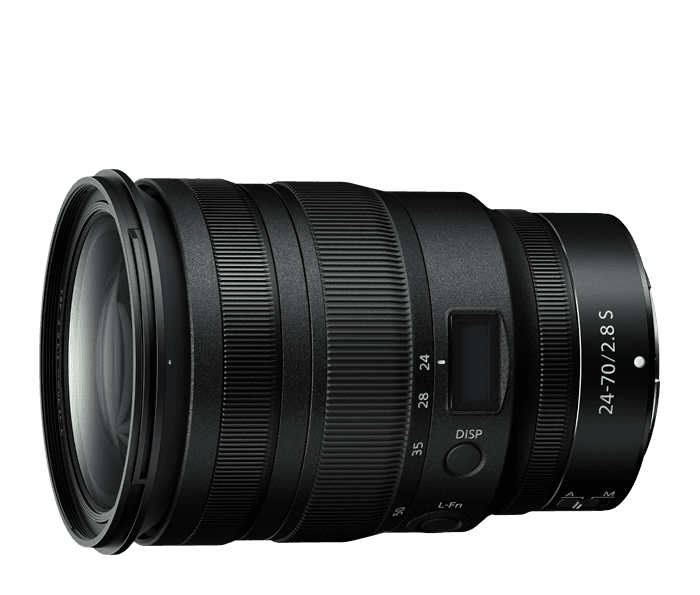
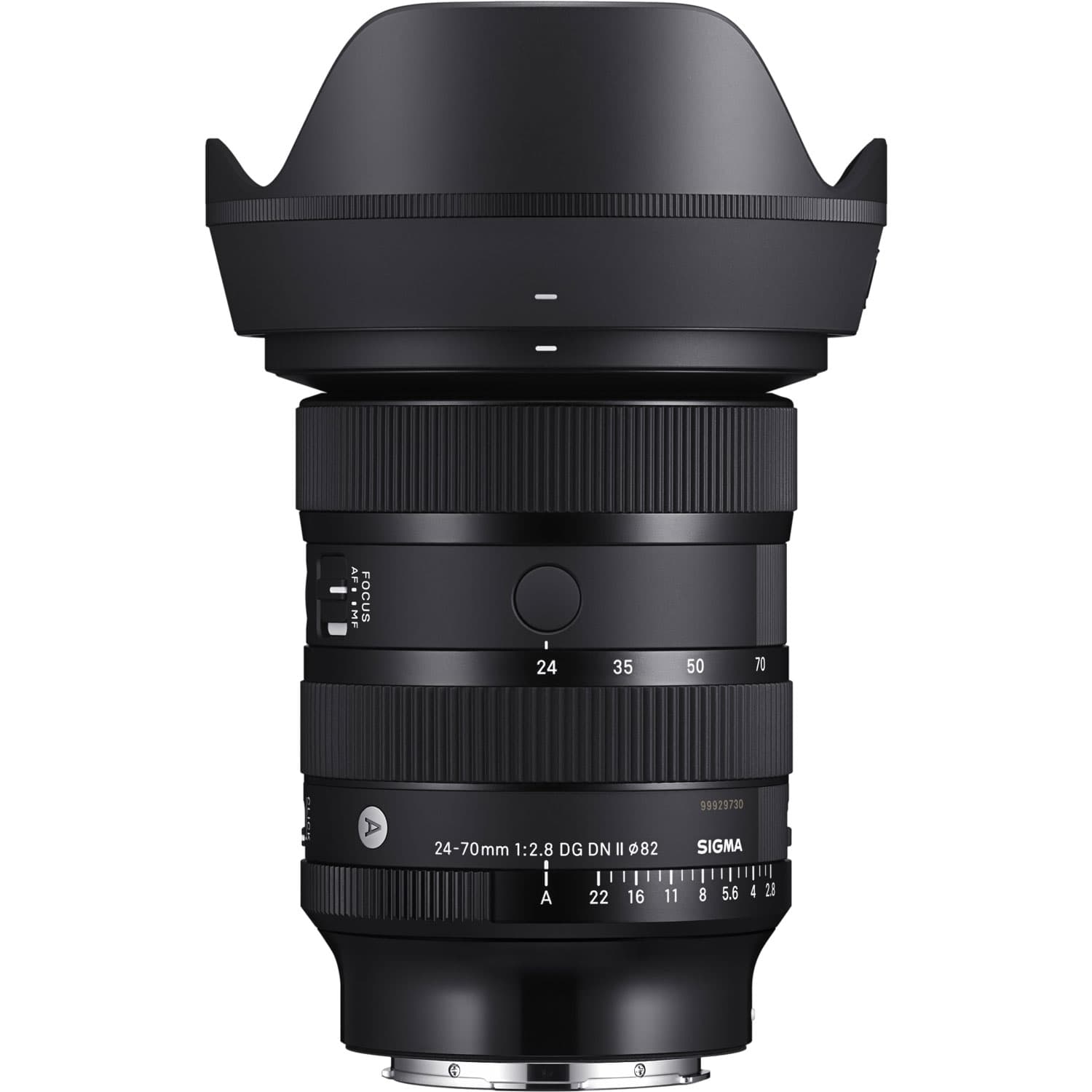
Do You Need f/2.8, or Do You Need 105?
A trinity hangtag is the wrong first question. f/2.8 through 70, or f/4 through 105, is the range you work. Then shop Gavler's live ranking.
The Best Camera Lenses in 2026, Ranked by the Photographers Who Shoot Them
Sony, Canon, Nikon, Sigma, Tamron, Fuji — Gavler's community ranks the lenses worth buying, from a $629 prime to a $2,798 pro telephoto.