Nikon Z 24-70mm f/2.8 S.
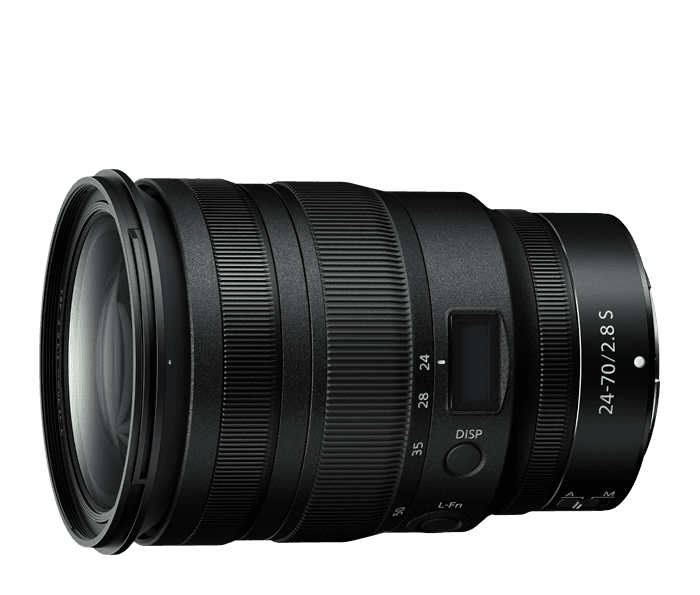
Edge-to-edge sharpness wide open, weather-sealed, and a control ring pros reach for on the Z8 and Z9.
The Verdict.
Gavler Meta-Score
“The standard zoom Nikon built the Z mount around — the sharpest midrange zoom in the system and the lens that lives on a Z8 or Z9 for weddings and editorial. Just know it is an externally-zooming design that is visibly softer wide open at 70mm than at 24mm, and the bokeh can turn harsh.”
The Gavler Verdict
The Gavler Review.
Nikon Z 24-70mm f/2.8 S Review: The Zoom That Lives on Every Z8
The Nikon Z 24-70mm f/2.8 S holds rank three on Gavler's Best Standard Zoom Lenses list with a 9.3, and it earns that spot the way a professional standard zoom should: by being the lens that rarely leaves a working Z8 or Z9. Buy it if you're a Nikon Z shooter who needs the sharpest midrange zoom the system offers for weddings, events, or editorial work. Skip it if you want an internally-zooming design or a lighter travel lens — the Z 24-120mm f/4 S covers similar range for meaningfully less weight and money.
What it actually is
The Nikon Z 24-70mm f/2.8 S is one of the sharpest midrange zooms available today, and that reputation is why it's become the default lens on Nikon's professional Z bodies. Photography Life ranks it as "one of the sharpest midrange zooms that you'll find today," built around 17 elements in 15 groups, including two ED and four aspherical elements. The multi-focus autofocus system, driven by dual stepping motors, locks onto near and far subjects quickly, and a top-mounted OLED panel plus a customizable control ring add the kind of low-light usability that professional shooters actually reach for during a long day of work.
At $2,397, it isn't cheap, and at 805 grams paired with an externally-zooming barrel, it's not the lightest option in the category either. But for photographers whose work depends on this focal range holding up under scrutiny — every frame, every event — those trade-offs are part of the deal.
In use
The sharpness claims hold up under close, independent measurement, which is the standard that actually matters here. Photography Life's assessment is direct: "Overall, however, the Nikon Z 24-70mm f/2.8 S is one of the sharpest midrange zooms that you'll find today." That's a meaningful claim from an outlet whose testing methodology leans heavily on measured resolution charts rather than subjective impressions, and it's echoed by Amateur Photographer's blunter verdict: "although it's far from cheap, it's the best Z-mount zoom lens we've laid hands on and tested."
The honest caveat sits at the telephoto end. Photography Life found "the Nikon Z 24-70mm f/2.8 S does look a bit worse at the telephoto end. You can see that the wide-open performance is visibly weaker compared to the wider focal lengths." That's a specific, documented behavior rather than a vague complaint — sharpness at 24mm wide open is excellent, and at 70mm wide open it's merely good, requiring a stop or two down to reach the same standard. For photographers who shoot portrait-distance work at 70mm and f/2.8 frequently, that's worth knowing before you buy, not after.
Build quality draws one other specific critique: "the one downside to the lens's build quality is that it's an externally-zooming lens rather than an internally-zooming lens," per Photography Life. That means the front barrel extends over an inch as you zoom from 24mm to 70mm — a design choice some working photographers dislike for balance and weather-sealing reasons, even though the lens itself carries full weather resistance.
Where it shines
- Reference-grade sharpness at the wide end. 24mm through the middle of the zoom range is where this lens earns its "sharpest midrange zoom" reputation, and it holds that standard consistently.
- Fast, accurate autofocus for working professionals. The dual stepping-motor system locks confidently on both near and far subjects — the kind of dependability that matters more during a live event than any single sharpness chart.
- Real usability features for professional shooting. The OLED panel and customizable control ring are small additions that add up during a ten-hour wedding day or a fast-moving editorial shoot.
The trade-offs — who should skip it
This is the default professional Z-mount zoom, but it's not without real, documented limitations:
- 70mm wide open is visibly softer than the rest of the range. If your work leans heavily on 70mm portraits shot wide open, know that stopping down closes most of the gap.
- It's an externally-zooming design. The barrel extends noticeably as you zoom, which some photographers coming from internally-zooming competitors will find less refined.
- The bokeh can render with hard edges on specular highlights. Not a dealbreaker, but a real characteristic worth knowing if background rendering is a priority for your work.
How it compares
On the same list, the Nikon Z 24-120mm f/4 S at rank eight is the lens Nikon itself effectively points toward for anyone who doesn't need constant f/2.8 — Photography Life calls it "one of the best all-around midrange zooms that I've ever tested," often selling for under $1,000, at just 630 grams versus the 24-70's 805. The trade is a stop of light and no in-lens stabilization, which only matters on Nikon's IBIS-less crop bodies. For travel and everyday shooting, it's a genuinely compelling alternative; for professional work that demands f/2.8, the 24-70mm S remains the standard.
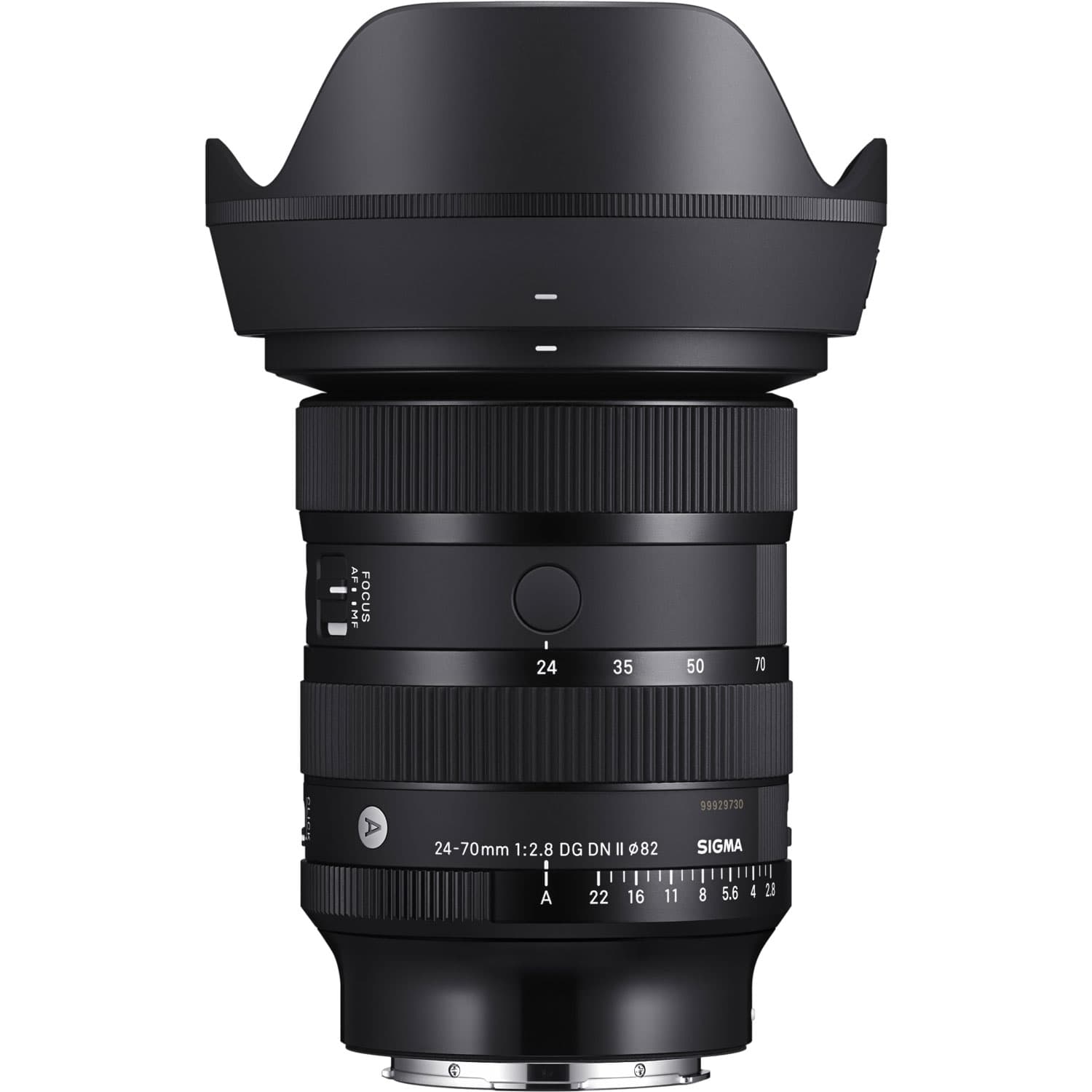
The Sigma 24-70mm f/2.8 DG DN II Art, at rank four, isn't available for Nikon Z — it's Sony E-mount and L-mount only — but it's useful context for what this class of lens costs elsewhere in the market. Dustin Abbott measured it delivering "at least 90% of the GM's overall performance while costing essentially 50% of the price" against Sony's flagship equivalent. Nikon Z shooters don't have a comparable third-party option yet, which is part of why the first-party Z 24-70mm f/2.8 S remains the default choice in the system despite costing more than rivals do on other mounts.
The Gavler verdict
A 9.3, with expert consensus (92) sitting just above the community score (91) — reviewers near-universally rank it among the top mirrorless 24-70mm f/2.8 zooms for sharpness and autofocus, with the recurring caveats being the externally-zooming barrel and the softer wide-open results at 70mm. The Nikon Z 24-70mm f/2.8 S is the standard zoom Nikon built the Z mount around, and it holds up: the sharpest midrange zoom in the system, reliable enough to live on a working Z8 or Z9 through a full event. See where it ranks against the rest of the field on Gavler's Best Standard Zoom Lenses list — for Nikon professionals, it remains the default.
Common Questions
For working Nikon Z shooters — weddings, events, editorial — who need the sharpest standard zoom in the system, yes. It ranks third on Gavler's Best Standard Zoom Lenses list with a 9.3, and Amateur Photographer called it 'the best Z-mount zoom lens we've laid hands on and tested.' If you want a lighter travel lens or don't need constant f/2.8, the Z 24-120mm f/4 S covers similar range for less money and less weight.
Slightly, yes — and it's a real, documented characteristic, not a rumor. Photography Life measured that 'the wide-open performance is visibly weaker compared to the wider focal lengths' at 70mm. Stopping down closes most of the gap, but shooters who need edge-to-edge bite at f/2.8 and 70mm specifically should be aware of this before buying.
No. Photography Life flagged this directly as 'the one downside to the lens's build quality' — it's an externally-zooming design, and the front barrel extends more than an inch as you zoom from 24mm to 70mm. That's worth knowing if you're used to internally-zooming pro lenses from other systems.
The Sigma is L-mount and Sony E-mount only, not Nikon Z, so this comparison is more useful as context for what a 24-70 f/2.8 costs across the market: Sigma's redesign gets, per one tester's estimate, roughly 90% of a first-party GM-class 24-70's performance for about half the price. Nikon Z shooters don't have that third-party option yet, which is part of why the first-party Z 24-70mm f/2.8 S remains the default pick in the system despite its externally-zooming design and softer 70mm results.
Where to Buy.
Prices checked regularly
90-day price history
Price History
Steady at $2,397 for the entire 90-day tracking window — no increases, no discounts, across 91 tracked days.
Tracked daily across retailers. Vote Want itabove and we’ll alert you the moment the price drops.
Some links are affiliate links — Gavler may earn a commission. This never affects rankings or scores. Learn more.
Precision Engineering
Reference-Grade Sharpness
Rated by Photography Life among the sharpest midrange zooms tested; 17 elements in 15 groups with 2 ED and 4 aspherical elements.
Multi-Focus STM Autofocus
Dual stepping-motor system that Amateur Photographer found locks onto near and far subjects in an accurate and spritely fashion.
OLED Panel + Control Ring
Top-mounted OLED shows aperture, focus distance and depth of field; a customizable control ring handles aperture or ISO.
Technical Specifications
The Scoreboard
Expert consensus (92) sits just above the community score (91): reviewers near-universally rank it among the top mirrorless 24-70 f/2.8 zooms for sharpness and AF, with the recurring caveats being the externally-zooming barrel and slightly softer wide-open results at 70mm.
Cast Your Vote
Do you think Nikon Z 24-70mm f/2.8 S deserves the #3 spot in Best Standard Zoom Lenses?
Global Critique
“Overall, however, the Nikon Z 24-70mm f/2.8 S is one of the sharpest midrange zooms that you'll find today.”
“The Nikon Z 24-70mm f/2.8 S does look a bit worse at the telephoto end. You can see that the wide-open performance is visibly weaker compared to the wider focal lengths.”
“The one downside to the lens's build quality is that it's an externally-zooming lens rather than an internally-zooming lens.”
“Although it's far from cheap, it's the best Z-mount zoom lens we've laid hands on and tested.”
More from Best Standard Zoom Lenses.
See how other top picks compare in this category.

Do You Need f/2.8, or Do You Need 105?
A trinity hangtag is the wrong first question. f/2.8 through 70, or f/4 through 105, is the range you work. Then shop Gavler's live ranking.
The Best Camera Lenses in 2026, Ranked by the Photographers Who Shoot Them
Sony, Canon, Nikon, Sigma, Tamron, Fuji — Gavler's community ranks the lenses worth buying, from a $629 prime to a $2,798 pro telephoto.