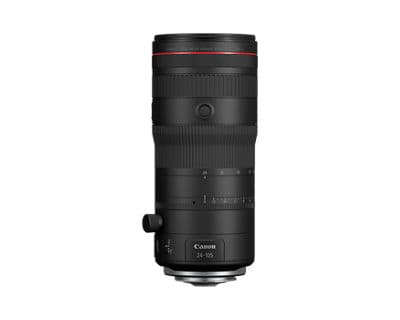
Canon RF 24-105mm f/2.8L IS USM Z.
The first 24-105mm to hold f/2.8 across the full zoom range. A one-lens kit for hybrid shooters who need stills, video, and reach.
The Verdict.
Gavler Meta-Score
“A genuine class-first: a 24-105mm that never drops below f/2.8, with Dual Nano USM AF and up to 8 stops of coordinated stabilization — one lens that replaces a 24-70 and a short tele. You pay for it in size and price: a roughly 1,330 g, $2,999 lens with heavy uncorrected barrel distortion and strong lateral CA at 105mm.”
The Gavler Verdict
The Gavler Review.
Canon RF 24-105mm f/2.8L IS USM Z Review: A Class First With a Real Size Tax
The Canon RF 24-105mm f/2.8L IS USM Z ranks sixth on Gavler's Best Standard Zoom Lenses list with an 8.9, and it's there because Canon did something no one had done before: hold f/2.8 across a full 24-105mm range. The-Digital-Picture measured Dual Nano USM autofocus as "fast, quiet (only a light shuffling is heard), internal, and smooth," and Dustin Abbott found "exceptional sharpness in the center and midframe." Buy it if you need that constant aperture and reach in a single lens and are willing to carry roughly 1,330 grams for it. Skip it if size is a dealbreaker — Digital Camera World's reviewer admitted flatly that the lens is "too big for photographers."
What it is
This is the first 24-105mm zoom to hold f/2.8 across its entire focal range, which effectively turns a single barrel into a 24-70 and a short telephoto at once. Dual Nano USM drives autofocus, and coordinated Control IS reaches up to 8 stops of stabilization when paired with an IBIS body — 5.5 stops from the lens alone. The 23-element, 18-group optical design and 11-blade rounded aperture back up the ambition: The Phoblographer went as far as calling it "perhaps the sharpest zoom lens that I've seen from Canon."
Digital Camera World's own testing echoed that praise even while flagging the tension at the heart of the lens's identity. Canon built this as a genuine hybrid tool — the "Z" in the name refers to power-zoom compatibility via the optional PZ-E2 or PZ-E2B adapters — rather than a stills lens that happens to shoot decent video. That dual mandate is exactly why it's larger than a standard 24-70mm f/2.8: regular cine-lens users, per Digital Camera World, "won't be shocked at its large size," but stills photographers very well might be.
In use
The sharpness claims hold up under scrutiny. Digital Camera World's lab results found "sharpness in the center of frame is absolutely superb for any lens, let alone a zoom," with corner sharpness a more mixed story — good at shorter focal lengths once stopped down to f/5.6, but never rising above average at the long end. That's a normal trade-off for a lens covering this range at a constant f/2.8, and it doesn't undermine the core selling point: consistently usable sharpness across a zoom range that used to force a choice between reach and aperture.
Where the lens asks more of you is handling. Digital Camera World's reviewer was candid about the physical reality of using it in the field: "When I was out and about shooting with this lens, I couldn't help feeling a little awkward with the size, especially taking 24mm landscape shots with such a long lens, and I certainly attracted some sideways glances." Video shooters run into a related limit — the new aperture control ring "only works for video (for now at least)," a decision Canon hasn't confirmed will change with firmware, and stills photographers may find that an odd omission on an L-series lens with a dedicated aperture ring.
Strengths
- Class-first constant f/2.8. Nothing else in this exact focal range and aperture combination exists — it replaces a 24-70 and a short telephoto in one lens.
- Exceptional center and midframe sharpness. Confirmed independently by both Dustin Abbott and Digital Camera World's lab testing.
- Dual Nano USM autofocus. Fast, quiet, and internal — genuinely smooth for both stills tracking and cinematic focus pulls.
- Up to 8 stops of coordinated stabilization. A meaningful advantage for handheld video and low-light stills alike when paired with an IBIS body.
The trade-offs — who should skip it
- It's a big, heavy lens. At roughly 1,330 grams, The Phoblographer warned "you're not going to want to use this for a really long period of time," and Digital Camera World's reviewer echoed the same fatigue after extended handheld use.
- Heavy reliance on software correction. Dustin Abbott needed a +44 barrel-distortion correction and nearly maxed-out vignette correction to clean up results — this is a lens that leans on digital correction more than some buyers expect from L-series glass.
- Strong lateral chromatic aberration at 105mm. A consistent, specific weak point flagged across multiple reviews at the long end of the zoom.
- The aperture ring is video-only, for now. Stills photographers who want to use the physical ring for exposure control currently can't — a design choice, not a bug, but a real limitation.
- $2,999 is a serious commitment. This sits meaningfully above standard 24-105mm f/4 options and even above many 24-70mm f/2.8 lenses.
How it compares
On the same Best Standard Zoom Lenses list, the Sony FE 24-105mm f/4 G OSS sits one rank below at number seven — a useful contrast point even across mounts, since it shows what the "give up a stop, keep the range" trade-off looks like: DxOMark rated its sharpness "among the best we've tested" at a lighter 663 grams, though PetaPixel noted it "is not particularly well corrected for distortion" either. Within Canon's own lineup, Digital Camera World's clearest alternative recommendation is the RF 24-70mm f/2.8L IS USM — "considerably smaller, lighter, and cheaper," if you can live without the extra reach to 105mm.
The Gavler verdict
An 8.9 that reflects a real split between expert testing and community reaction: the expert consensus of 90 rewards the unprecedented constant f/2.8 and class-leading sharpness, while the community score of 87 trims points for the size, roughly $2,999 price, and the uncorrected distortion and 105mm lateral CA that reviewers had to work around. This is Canon's most technically ambitious standard zoom, and it delivers on the optics. Buy it if you genuinely need constant f/2.8 reach to 105mm for hybrid stills-and-video work and can carry the weight. If you rarely shoot past 70mm or want something you'll forget is on the camera, the smaller 24-70mm f/2.8 is the honest alternative.
Common Questions
For hybrid shooters who need constant f/2.8 across a 24-105mm range and will accept the size, yes. It ranks sixth on Gavler's Best Standard Zoom Lenses list with an 8.9, and The Phoblographer called it 'perhaps the sharpest zoom lens that I've seen from Canon.' At roughly 1,330 grams and $2,999, it's a lens you commit to, not one you grab casually.
Not for optics — for size and price. Their reviewer wrote plainly, 'I couldn't help feeling a little awkward with the size... I just think the lens is too big for photographers,' and flagged that the new aperture ring 'only works for video (for now at least),' a design choice stills shooters may find frustrating.
Buy the 24-105mm f/2.8 if you need the extra reach to 105mm and shoot enough hybrid stills-and-video work to justify the size and roughly $2,999 price. Buy the RF 24-70mm f/2.8 if you want a meaningfully smaller, lighter, and cheaper lens and rarely need past 70mm — Digital Camera World calls it 'the next best thing' for photographers who find the 24-105mm too much to carry.
Where to Buy.
Prices checked regularly
90-day price history
Price History
Steady at $2,999 for the entire 90-day tracking window — no increases, no discounts, across 91 tracked days.
Tracked daily across retailers. Vote Want itabove and we’ll alert you the moment the price drops.
Some links are affiliate links — Gavler may earn a commission. This never affects rankings or scores. Learn more.
Precision Engineering
Class-First Constant f/2.8
The first 24-105mm to hold f/2.8 across the full range; The Phoblographer called it perhaps the sharpest zoom lens Canon has made.
Dual Nano USM Autofocus
Fast, quiet, internal focusing; power-zoom compatible with the PZ-E2 and PZ-E2B adapters for hybrid and broadcast use.
Up to 8 Stops Stabilization
5.5 stops of optical IS, rising to 8 stops with Coordinated Control IS on IBIS bodies; internal-zoom, fixed-length barrel.
Technical Specifications
The Scoreboard
Expert consensus (90) leads the community score (87): reviewers celebrate the unprecedented constant f/2.8 and class-leading sharpness, but the size, roughly $2,999 price, heavy uncorrected distortion, and strong 105mm lateral CA temper the enthusiasm.
Cast Your Vote
Do you think Canon RF 24-105mm f/2.8L IS USM Z deserves the #6 spot in Best Standard Zoom Lenses?
Global Critique
“We see exceptional sharpness in the center and midframe, with some expected drop-off in the corners.”
“Dual Nano USM powers the Canon RF 24-105mm F2.8 L IS USM Z Lens's AF. This system is fast, quiet (only a light shuffling is heard), internal, and smooth.”
“To achieve the result on the right, I had to use a +44 to correct the utterly massive amount of barrel distortion, and had to nearly max out the vignette correction slider to eliminate all the vignette.”
“By all means, this is a big piece of hardware. You're not going to want to use this for a really long period of time.”
More from Best Standard Zoom Lenses.
See how other top picks compare in this category.

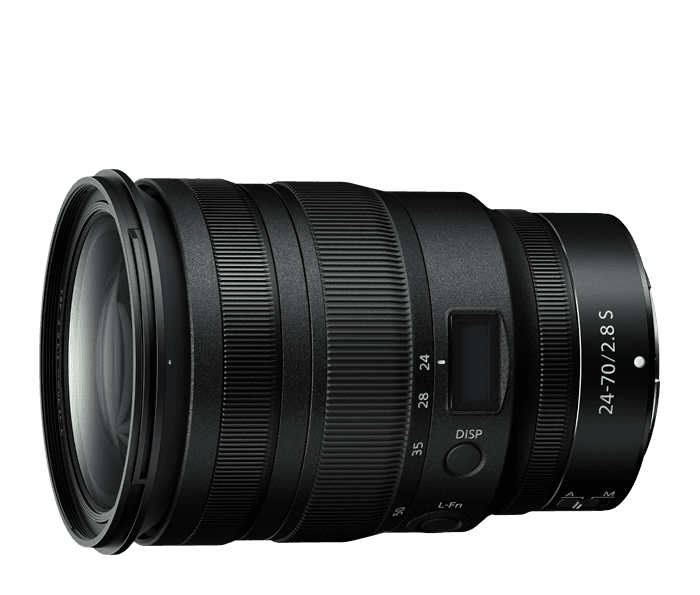
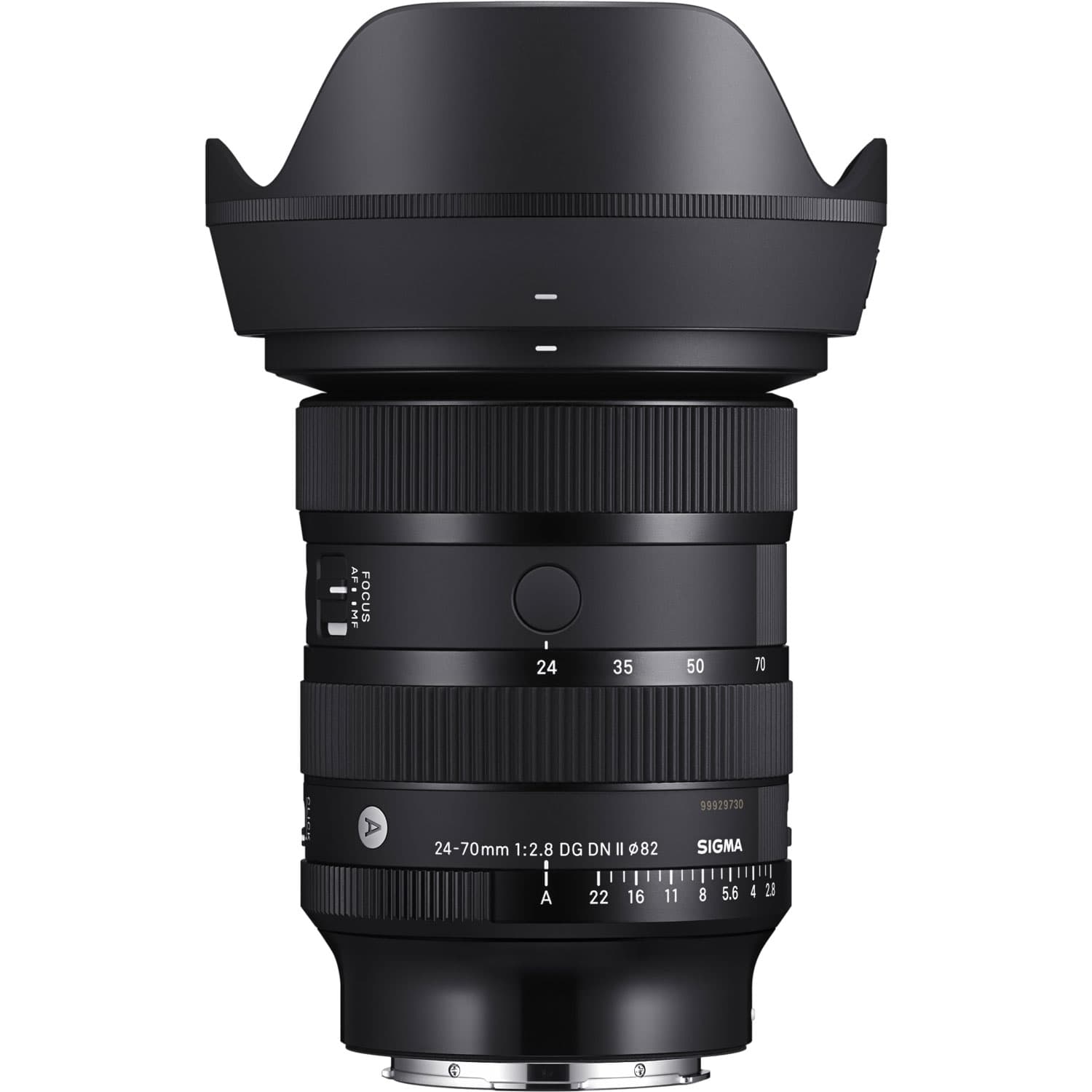
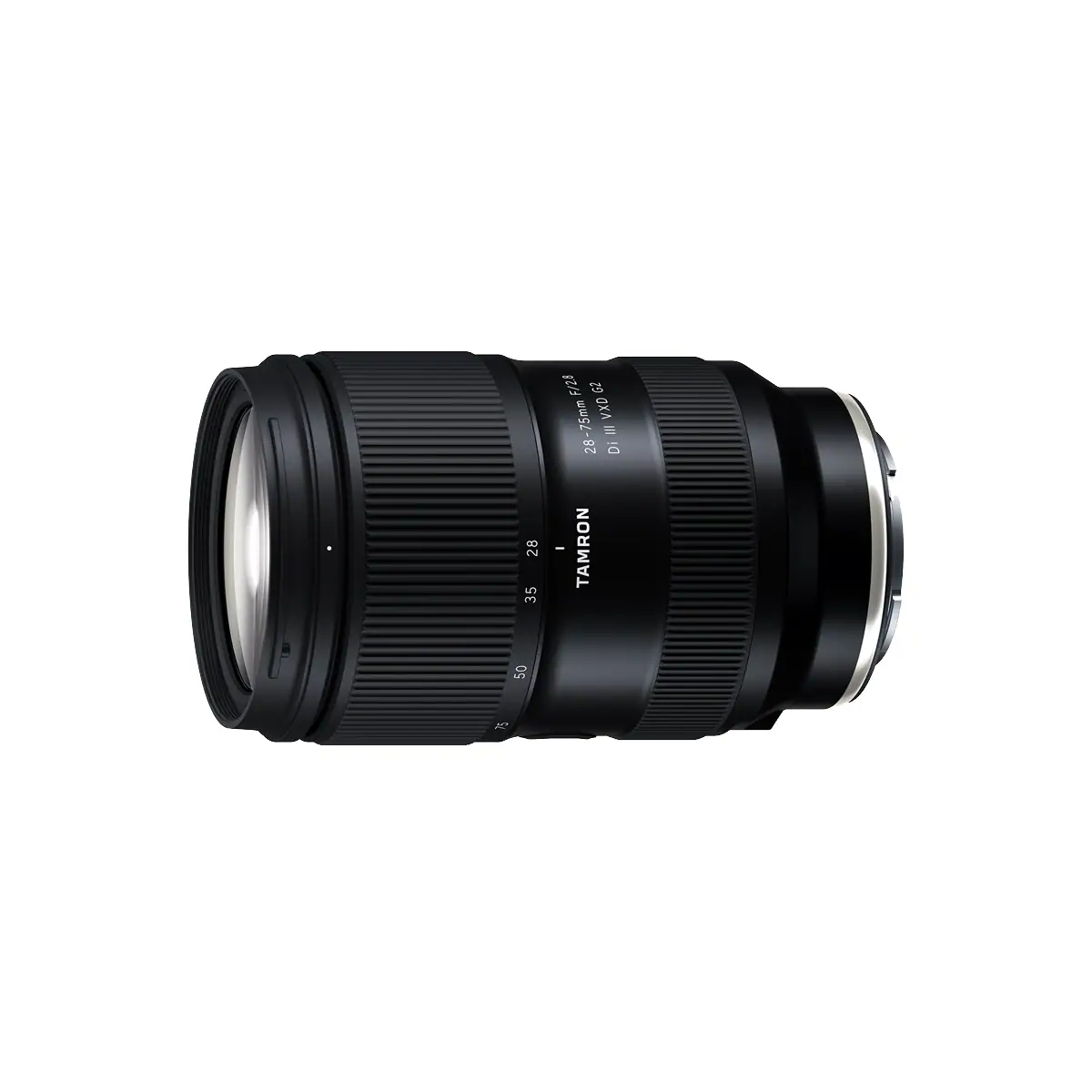
Do You Need f/2.8, or Do You Need 105?
A trinity hangtag is the wrong first question. f/2.8 through 70, or f/4 through 105, is the range you work. Then shop Gavler's live ranking.
The Best Camera Lenses in 2026, Ranked by the Photographers Who Shoot Them
Sony, Canon, Nikon, Sigma, Tamron, Fuji — Gavler's community ranks the lenses worth buying, from a $629 prime to a $2,798 pro telephoto.