The Verdict
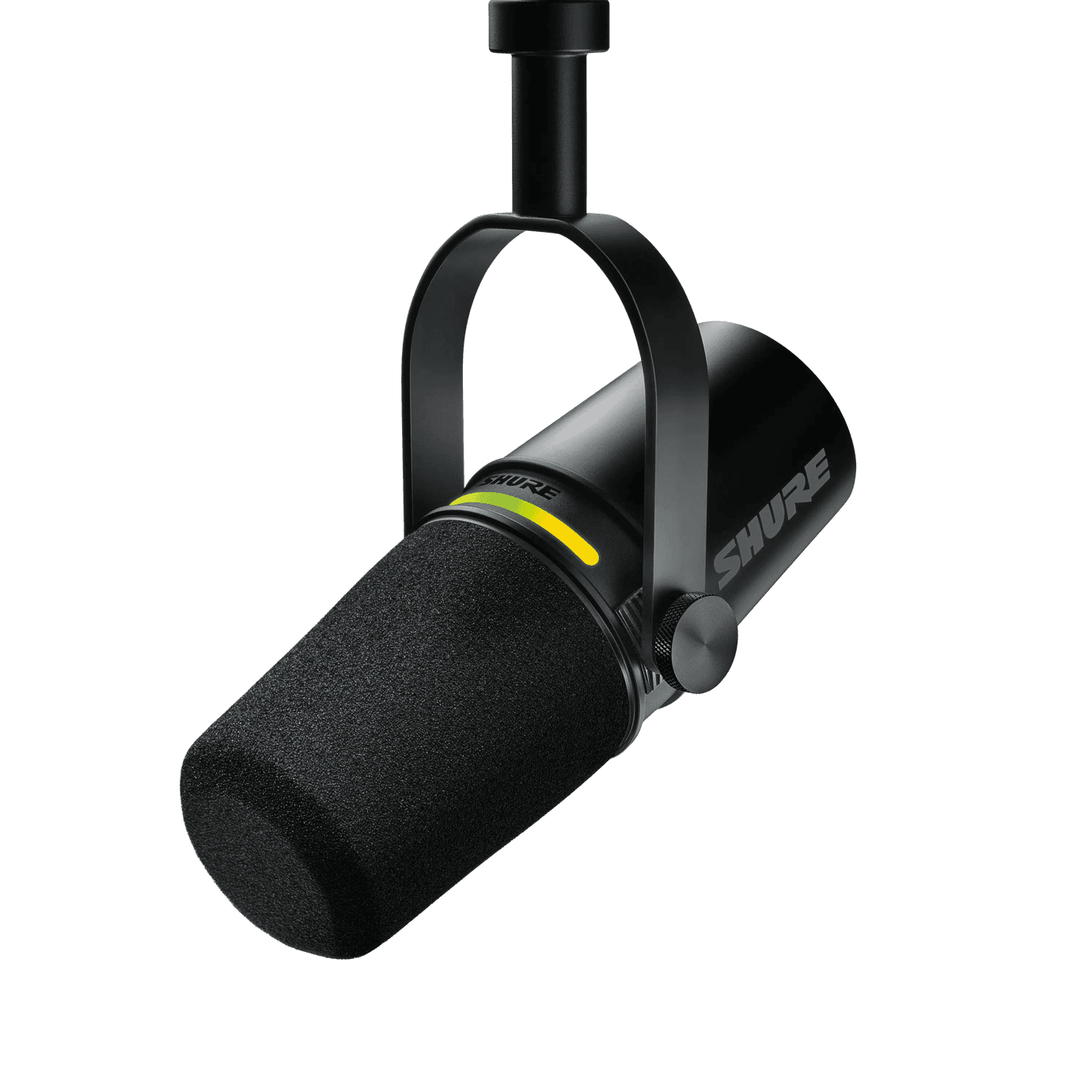
“Shure's upgraded MV7+ combines dynamic capsule isolation with USB-C and XLR outputs, giving you a broadcast-quality signal whether you're on a laptop or a full studio rig.”
15% Strong
of 288 votes
Top-rated USB microphones for streaming, podcasting, and music recording — plug-and-play quality without an audio interface.

“Shure's upgraded MV7+ combines dynamic capsule isolation with USB-C and XLR outputs, giving you a broadcast-quality signal whether you're on a laptop or a full studio rig.”
15% Strong
of 288 votes

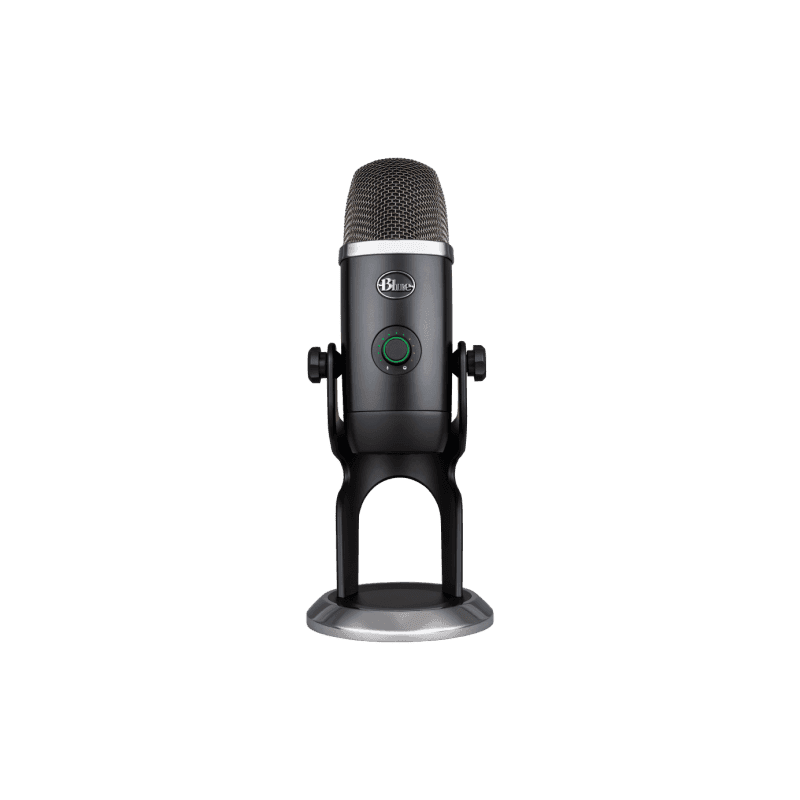
“The Yeti X's four-capsule condenser array captures rich, detailed audio in four polar patterns. The built-in LED metering and Blue VO!CE software make dialing in your sound effortless.”
13% Solid
of 288 votes

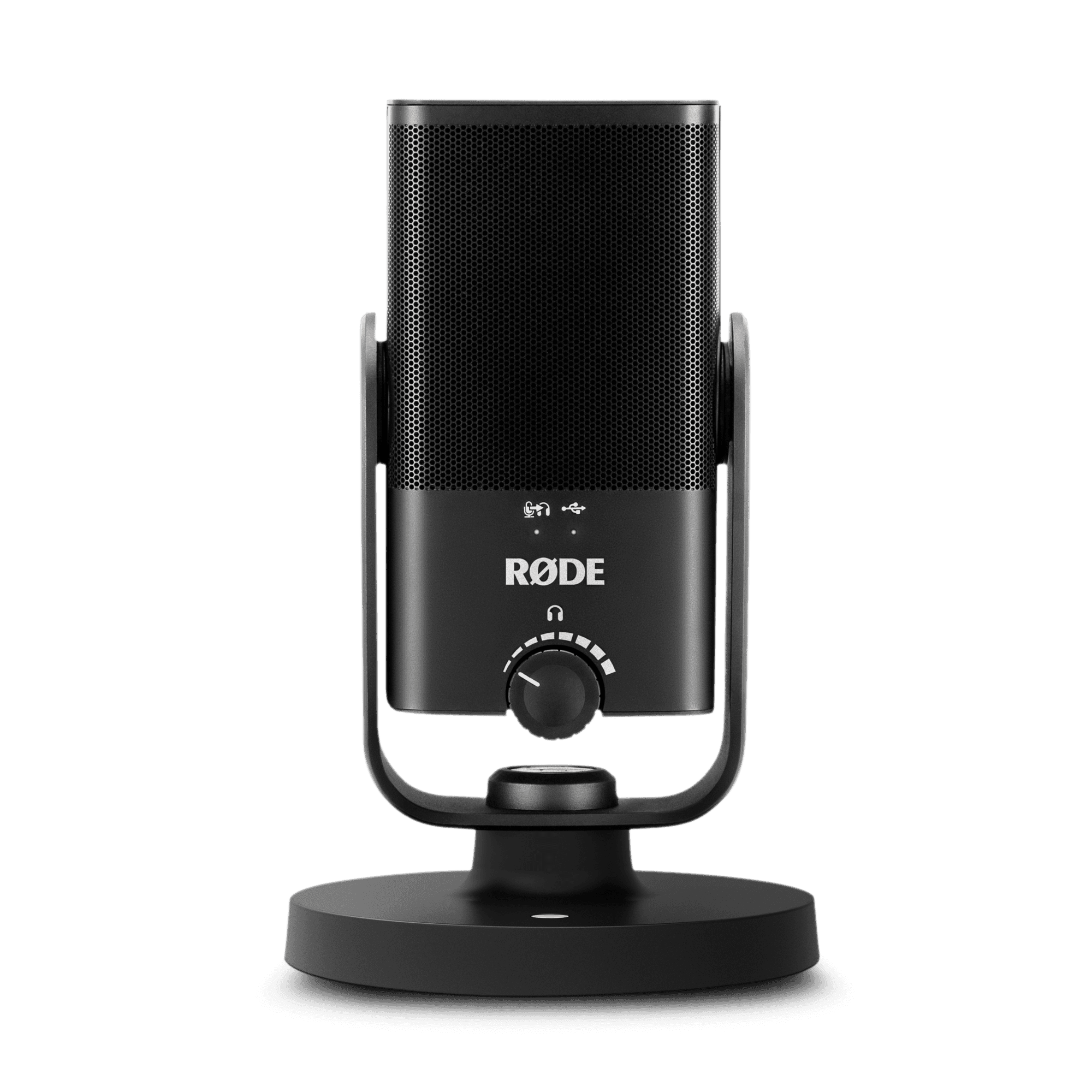
“Rode's studio-grade condenser capsule in a compact, magnetically mountable body. The NT-USB Mini's built-in pop filter and headphone output deliver podcast-ready audio out of the box.”
12% Solid
of 288 votes

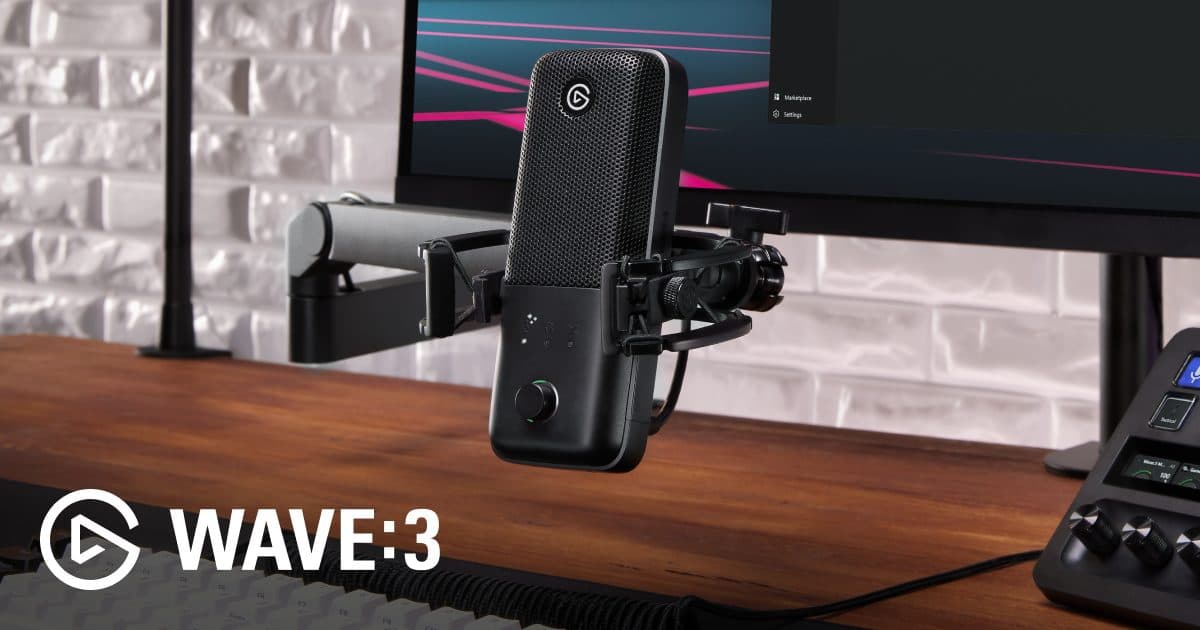
“Elgato's proprietary Clipguard technology uses a secondary signal path at lower gain, making it virtually impossible to clip during loud moments. Seamless integration with Stream Deck.”
10% Solid
of 288 votes

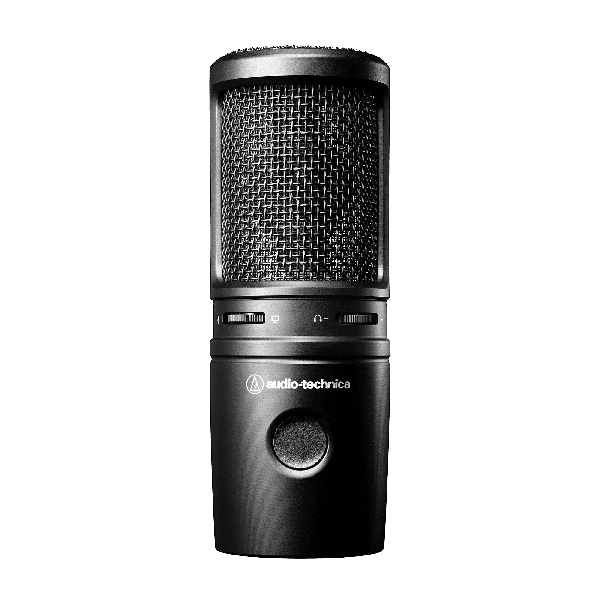
“Audio-Technica's AT2020 is a studio legend, and the USB-X variant adds high-resolution 24-bit/96kHz conversion while retaining the warm, detailed character that made the original a bestseller.”
10% Solid
of 288 votes

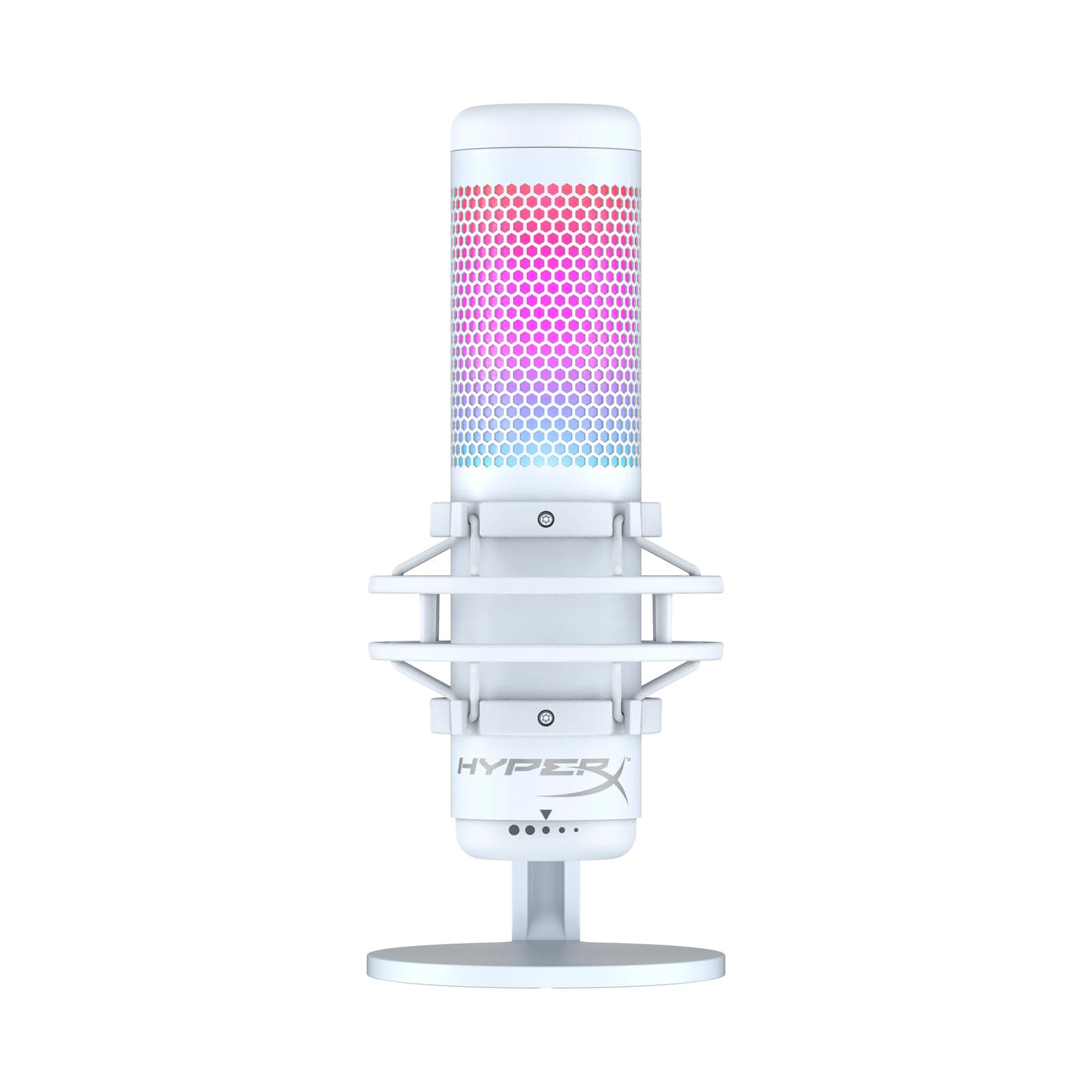
“The QuadCast S's RGB lighting and tap-to-mute sensor make it a streamer favorite. Four selectable polar patterns and an internal shock mount keep your audio clean during intense gaming sessions.”
11% Solid
of 288 votes

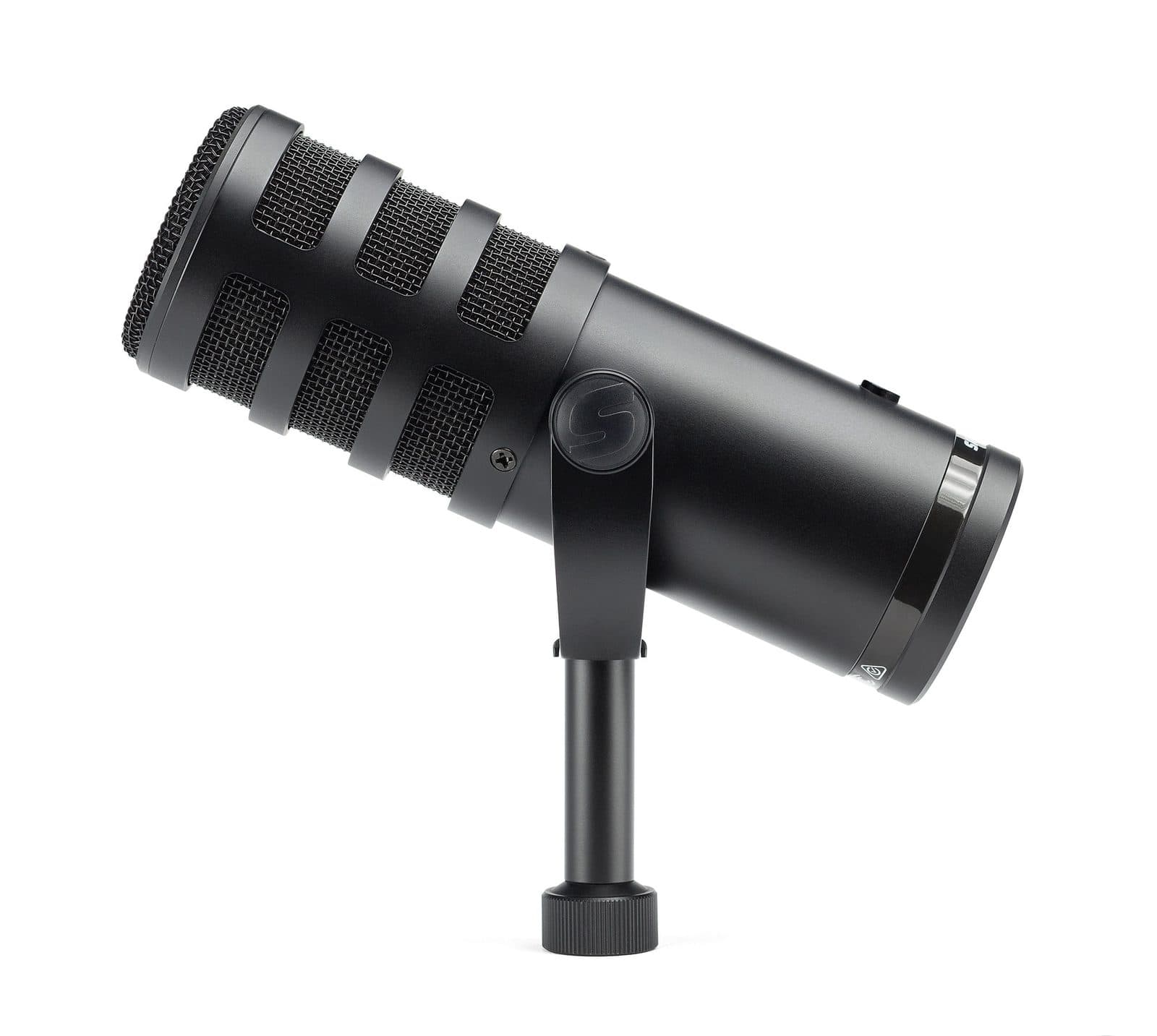
“The Q9U's dynamic capsule rejects room noise like a broadcast mic while its USB-C and XLR outputs offer growth potential. The built-in 3-position low-cut filter tames bass proximity effect.”
8% Solid
of 288 votes

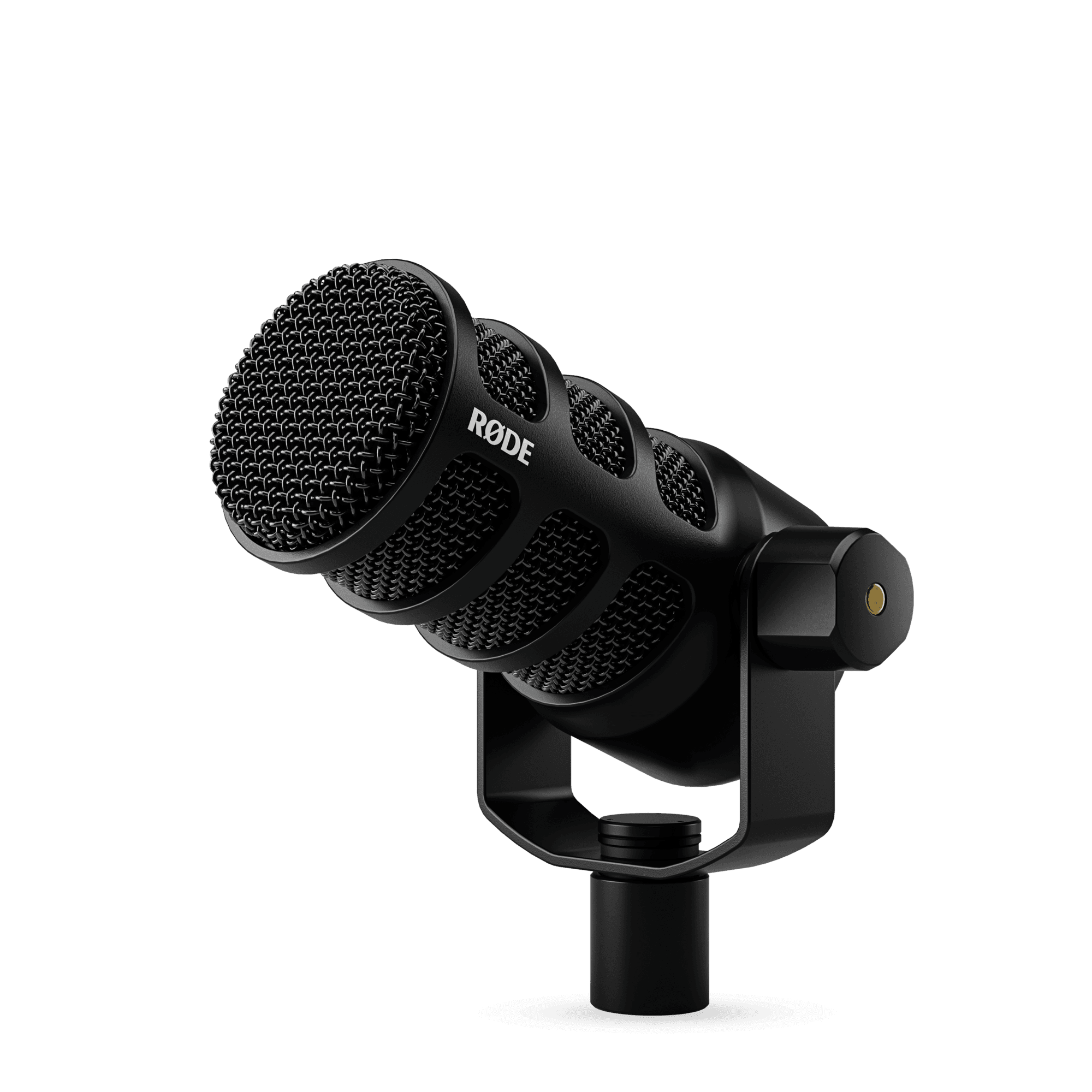
“Rode's end-address dynamic mic combines a broadcast-ready voice tone with USB-C plug-and-play simplicity. The internal DSP handles gain staging automatically for consistent recording levels.”
8% Solid
of 288 votes

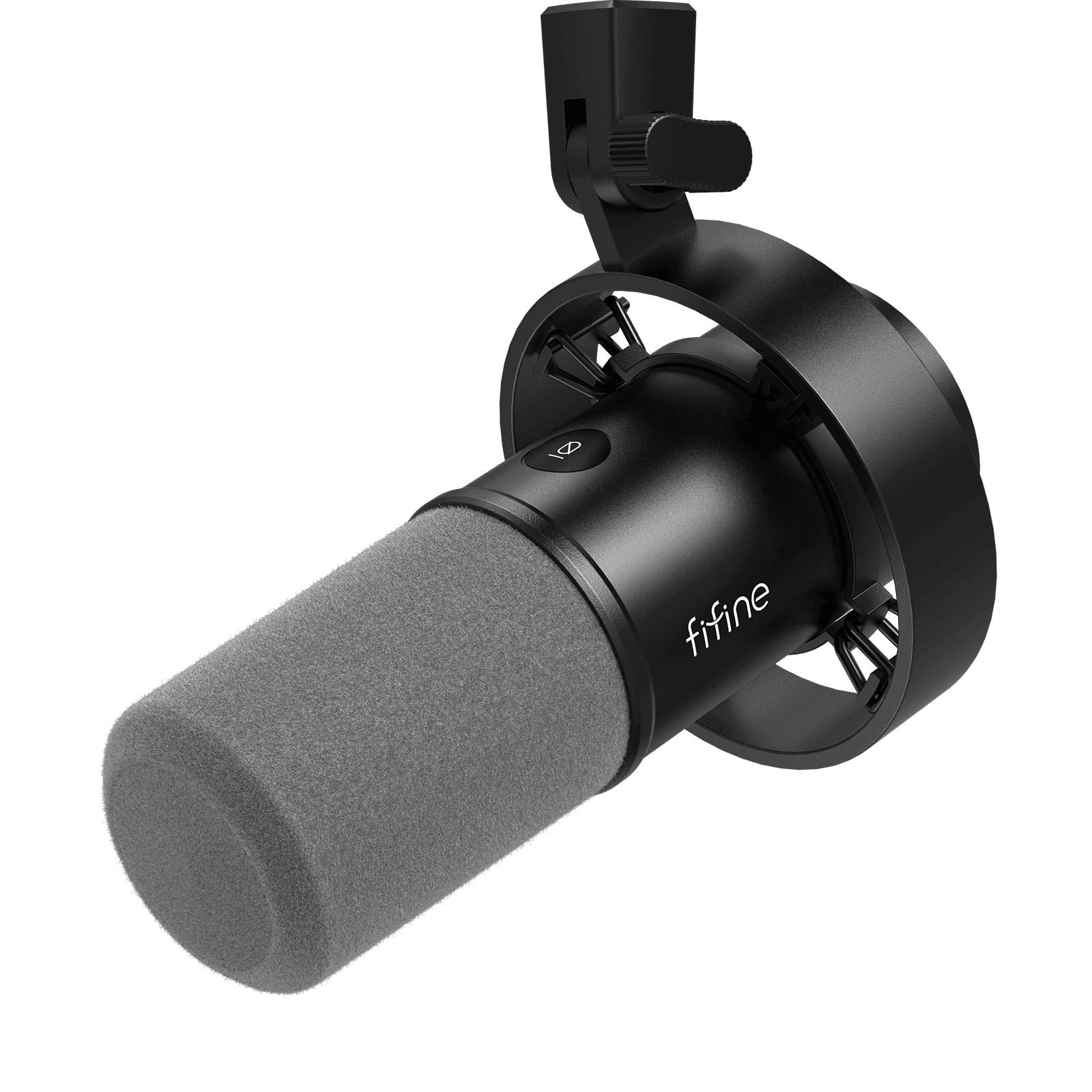
“The K688 packs a dynamic capsule, RGB lighting, and a built-in headphone jack into a sub-$60 package that defies its price. An outstanding entry point for first-time streamers.”
7% Niche
of 288 votes

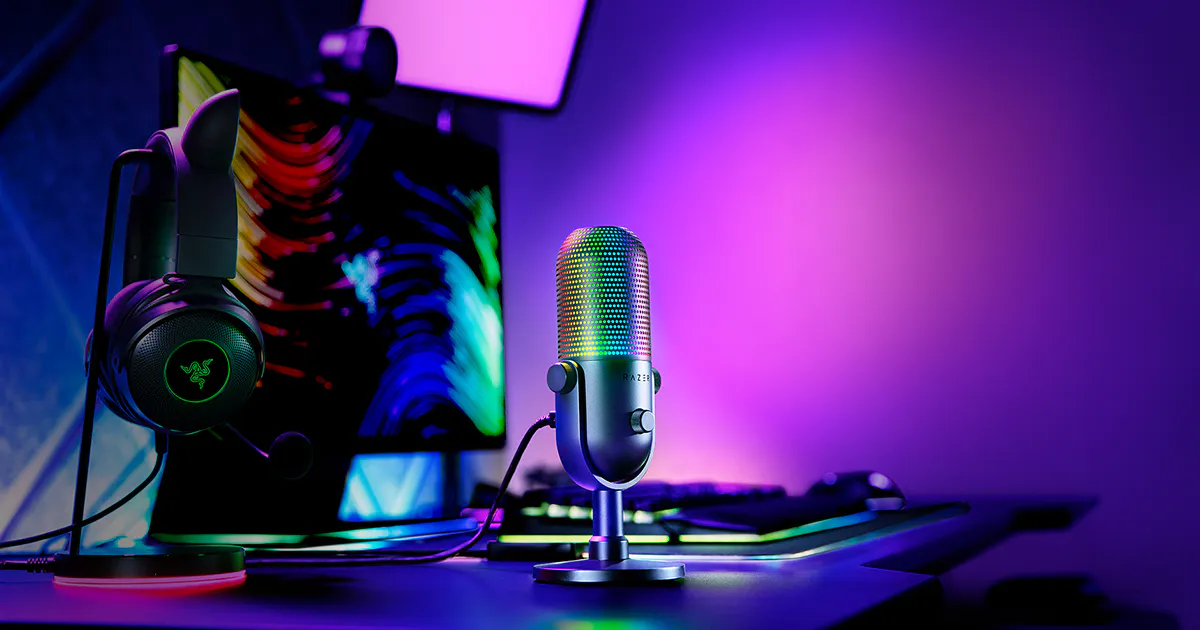
“Razer's condenser capsule with 25mm diaphragm captures clear, detailed audio while the Chroma RGB ring syncs with your Razer ecosystem. Tap-to-mute and analog gain keep controls at your fingertips.”
6% Niche
of 288 votes
The Shure MV7+ tops Gavler's community ranking with a 9.7 score and 42 votes. The MV7+ is the closest a USB microphone has come to the broadcast-standard SM7B in untreated rooms — the dynamic capsule rejects keyboard noise, HVAC hum, and off-axis sound with the kind of authority that condenser microphones in the same price range cannot match. Tom's Guide and TechCrunch both placed it at the top of their 2024 and 2026 podcast-mic rankings, and the dual USB-C plus XLR output means it works directly on a laptop today and slots into a proper interface and mixer setup later without a microphone upgrade. The honest caveat: at $269 it is the most expensive USB microphone on this list, and buyers in quiet treated rooms will get most of the same quality from cheaper condenser picks. For anyone recording in a bedroom, spare room, or home office without acoustic treatment, the MV7+ is the right answer.
Dynamic is correct for most home podcasters. Dynamic capsules have a tighter cardioid pickup pattern and a lower sensitivity than condenser elements, which means they reject room reflections, keyboard noise, HVAC hum, and off-axis voices with the kind of authority that condensers cannot match. The Shure MV7+, Samson Q9U, Rode PodMic USB, and Fifine K688 on this list are all dynamic. Condensers like the Blue Yeti X, Rode NT-USB Mini, Audio-Technica AT2020USB-X, and Elgato Wave:3 deliver a more open, detailed sound with better high-frequency extension that benefits singing, instrument capture, and ASMR work — but only in rooms with some acoustic treatment. The general rule from podcast engineers: if you can hear traffic outside or a refrigerator from your recording position, you want a dynamic. If you cannot, a condenser will sound more refined.
These two answer different questions. The Shure MV7+ at $269 is a broadcast-quality dynamic with USB-C and XLR outputs and a touch-panel LED for gain, mute, and monitor control. The Blue Yeti X at $169 is a four-capsule condenser with selectable cardioid, omnidirectional, bidirectional, and stereo polar patterns and an LED metering ring that makes gain staging visual. Pick the MV7+ if you record in an untreated bedroom, home office, or shared space — the dynamic capsule will reject the noise that the Yeti X will pick up and amplify. Pick the Yeti X if you have a quiet recording environment, want polar-pattern versatility for solo plus interview plus round-table work, or value the LED metering and Blue VO!CE software for beginner-friendly gain control. The Yeti X also costs $100 less, which matters for first-time buyers. Streamers and podcasters working from controlled rooms often choose the Yeti X; podcasters working from real-world apartments choose the MV7+.
The Rode NT-USB Mini at $99 is the consensus answer for condenser quality. Rode's NT-series capsule heritage is audible in every recording — vocals have warmth and presence that cheaper USB condensers cannot replicate, the magnetic desk mount system is brilliantly practical, and the built-in pop filter and headphone output deliver podcast-ready audio out of the box. MusicRadar called it one of the best USB microphones available, and Podcastage rated it the best USB microphone under $100. The Rode PodMic USB at $99 is the dynamic alternative — its automatic gain staging and APHEX processing make broadcast-quality voice capture genuinely beginner-proof, and the dual USB-C plus XLR output provides a real upgrade path. The Fifine K688 at $59 is the ultra-budget pick — its dynamic capsule rejects room noise that condensers in this price range capture and amplify, and the build quality punches well above the price. For quiet rooms pick the Rode NT-USB Mini. For noisy rooms pick the Rode PodMic USB or the Fifine K688.
These are different jobs. For music recording (vocals, acoustic guitar, instruments) the Audio-Technica AT2020USB-X at $149 is the consensus pick — the AT2020 capsule is one of the most-recorded-on studio condensers in history, the 24-bit and 96-kilohertz conversion preserves the nuance that voice-optimized microphones discard, and the musical character flatters acoustic sources in a way that broadcast-tuned dynamics cannot. For podcasting the Shure MV7+ at $269 or the Samson Q9U at $149 are the right picks — the dynamic capsules reject room noise that condensers amplify, the voice-optimized frequency response sits forward in the mix without aggressive EQ, and the dual USB plus XLR output provides growth into proper podcast hardware. The Yeti X is the only microphone on this list that does both jobs competently, but it does neither as well as the dedicated picks. If you only buy one and your work straddles both worlds, the Yeti X is the rational compromise. If you do mostly one and a little of the other, buy for the primary job.
Think a product deserves a spot on this list? Submit a formal proposal with documented specs and the community will review it.