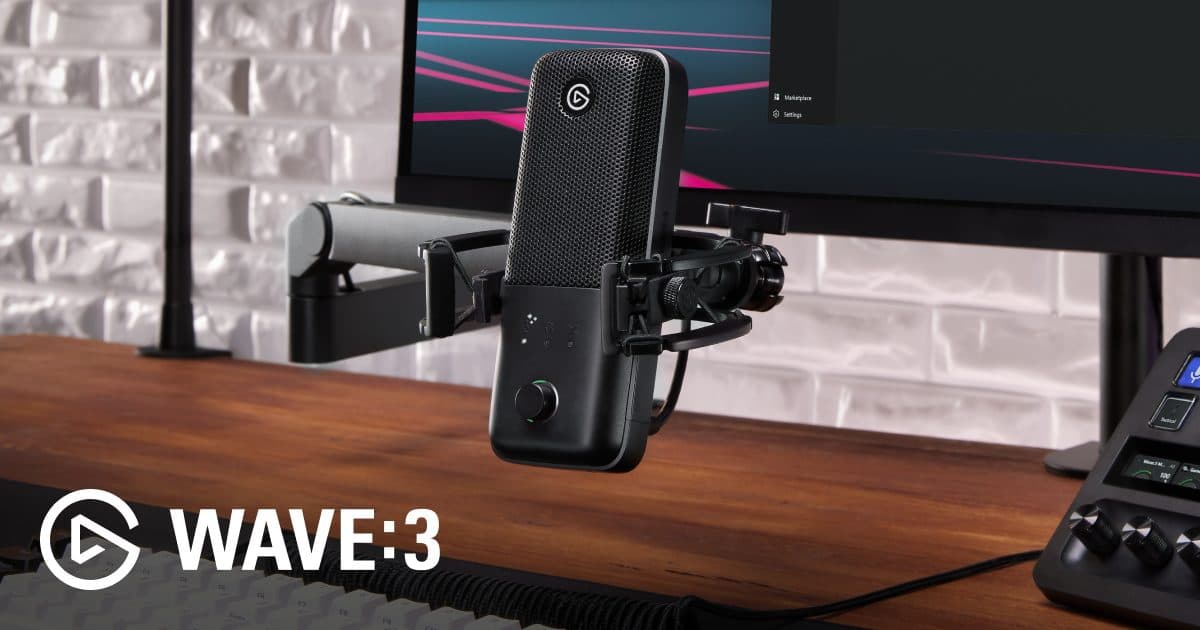
Elgato Wave:3.
Elgato's proprietary Clipguard uses a secondary signal path to make clipping virtually impossible during live streams.
The Verdict.
Gavler Meta-Score
“The Wave:3 is purpose-built for live streaming in a way that no other USB microphone can match. Clipguard solves the most common audio problem streamers face, Wave Link replaces a hardware mixer, and Stream Deck integration adds physical controls that make live audio management intuitive. If streaming is your primary use case, this is the microphone to buy.”
The Gavler Verdict
The Gavler Review.
Elgato Wave:3 Review: The Streamer's Anti-Clipping Microphone
The Elgato Wave:3 ranks number 4 on Gavler's Best USB Microphones list with a 9.2, built around solving one specific, universally recognizable problem: the moment a streamer gets excited, laughs, or reacts to a jump scare and the audio clips into ugly distortion. Elgato's Clipguard technology addresses that head-on, and the Wave:3 pairs it with Wave Link software that replaces a hardware mixer entirely — making this the microphone purpose-built for live streaming rather than adapted for it.
What it is
Most USB microphones treat clipping as the user's problem to manage with gain staging. The Wave:3 treats it as an engineering problem to solve. Clipguard runs a secondary internal signal path at a lower gain level in parallel with the primary path. When the primary path is about to clip, the microphone crossfades seamlessly to the quieter path, capturing the loud moment cleanly instead of blowing it out. It's a clever piece of engineering that works in the background without any user intervention.
The 17mm electret condenser capsule is voice-optimized, delivering a warm, present tone that sits well in a stream mix without needing aggressive EQ. The 24-bit/96kHz conversion is higher resolution than most streaming platforms will actually use, but it gives the internal DSP processing more headroom to work with. A capacitive mute button on top provides instant, silent muting — no mechanical click to distract viewers during a live broadcast.
In use
SoundGuys' Sam Moore put Clipguard through the kind of stress test that actually matters for a streaming microphone: deliberately trying to blow out the audio. "Nevertheless, Clipguard works very well, so you're not missing out by just leaving it on. Essentially, this is a set-it-and-forget-it kind of mic — once you've gotten your levels dialed in, you'd have to work pretty hard to get blown-out audio (trust me, I did)." That's about as strong an endorsement as an anti-clipping feature can get: a reviewer who tried to break it and couldn't.
Moore also flagged a genuine, specific trade-off in the frequency response rather than generic praise: "While the mids and highs are accurate, there's a pronounced de-emphasis in the sub-bass range. This isn't such a bad thing for voice recordings, as it counters the proximity effect, where bass gets boosted from leaning in close." In other words, the tuning choice that could read as a weakness on paper is actually a deliberate compensation for how people record close to a microphone in practice.
Wave Link is the other half of the Wave:3's value proposition. It's a virtual mixing console that routes up to eight audio sources — game audio, Discord, music, microphone — independently to the stream output and the headphone monitor, meaning you can hear a different mix than your audience does. That's a capability that used to require a dedicated hardware mixer like a GoXLR. Tom's Hardware summed up the pairing well: "Clipguard makes clipping virtually impossible, and Wave Link's mixing suite is streaming excellence delivered in software."
Strengths
Clipguard is a genuinely rare thing in this category: a feature that solves a real, common problem rather than adding a checkbox. Wave Link's independent stream/monitor routing replaces hardware that used to cost as much as the microphone itself. Stream Deck integration lets you assign mute, gain, and mixing controls to physical buttons — useful during a live broadcast when reaching for a mouse isn't an option. Build quality on the all-metal chassis feels premium for $149, and the capacitive mute is silent where mechanical switches click audibly on-air.
The trade-offs — who should skip it
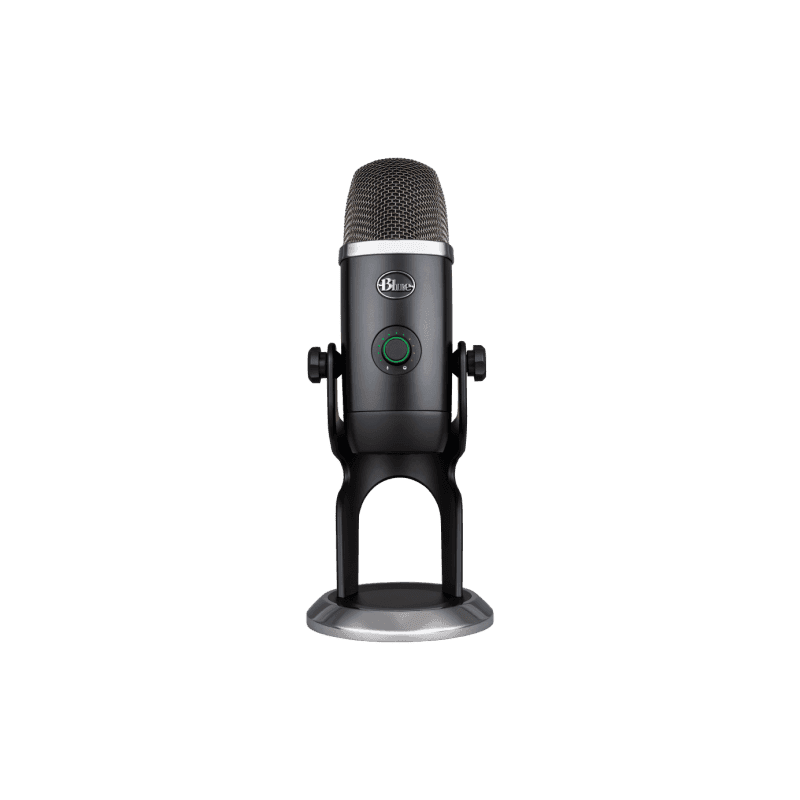
SoundGuys flagged one specific physical gripe worth knowing about before you buy: "unlike everything else in this package, the plastic mount feels a little flimsy — it's something that would concern me regarding long-term durability." Most users will want a boom arm anyway, which sidesteps the issue, but it's worth budgeting for if you plan to use the included desk stand long-term. And like every condenser on this list, the Wave:3 is cardioid-only — no polar-pattern flexibility for round-tables or interviews the way the Blue Yeti X offers. Android Central's assessment is the honest summary: it "gives the best mics a run for their money for spoken word, but it's a sensitive condenser that picks up plenty of room noise." If your room isn't treated and you don't want to think about it, a dynamic capsule will serve you better.
How it compares
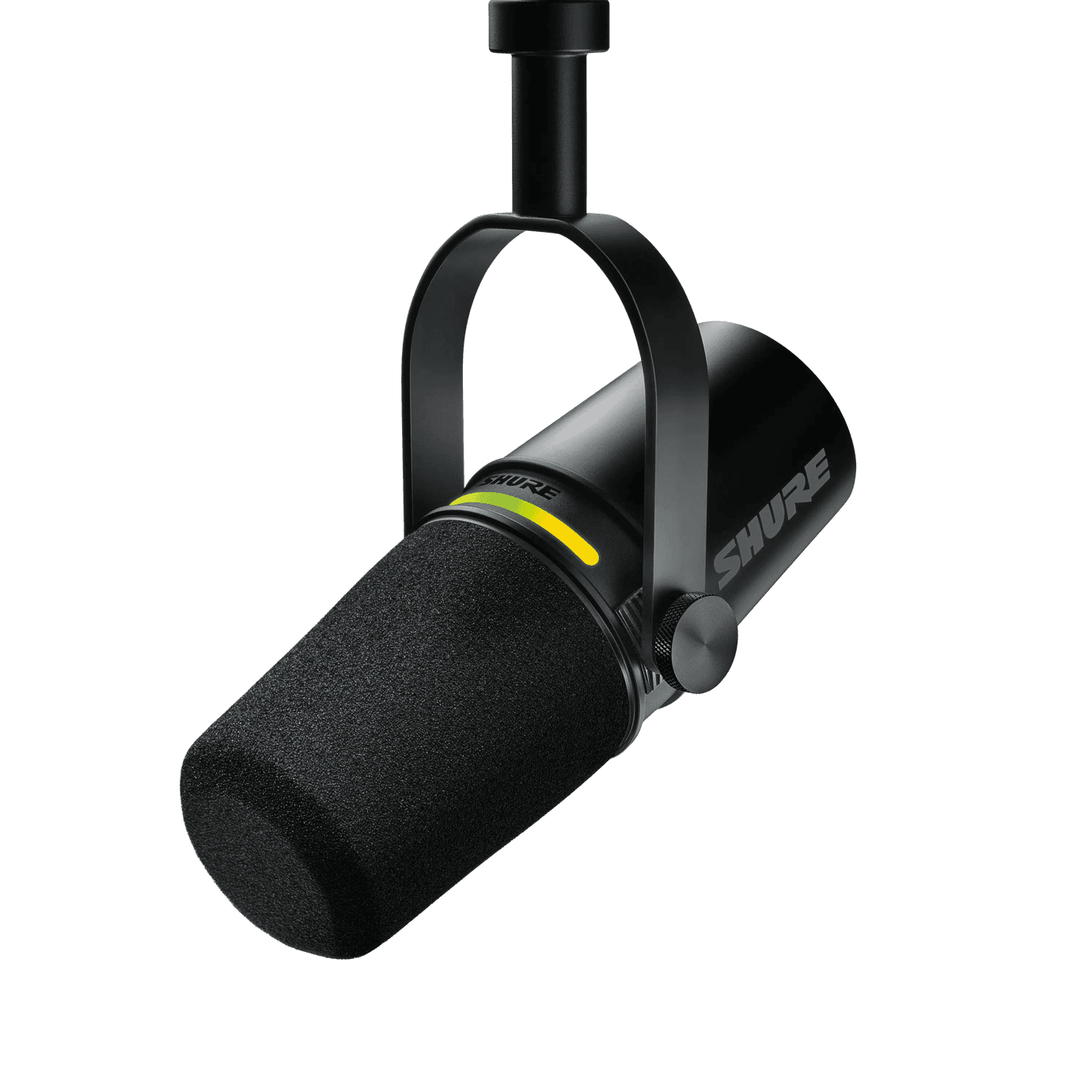
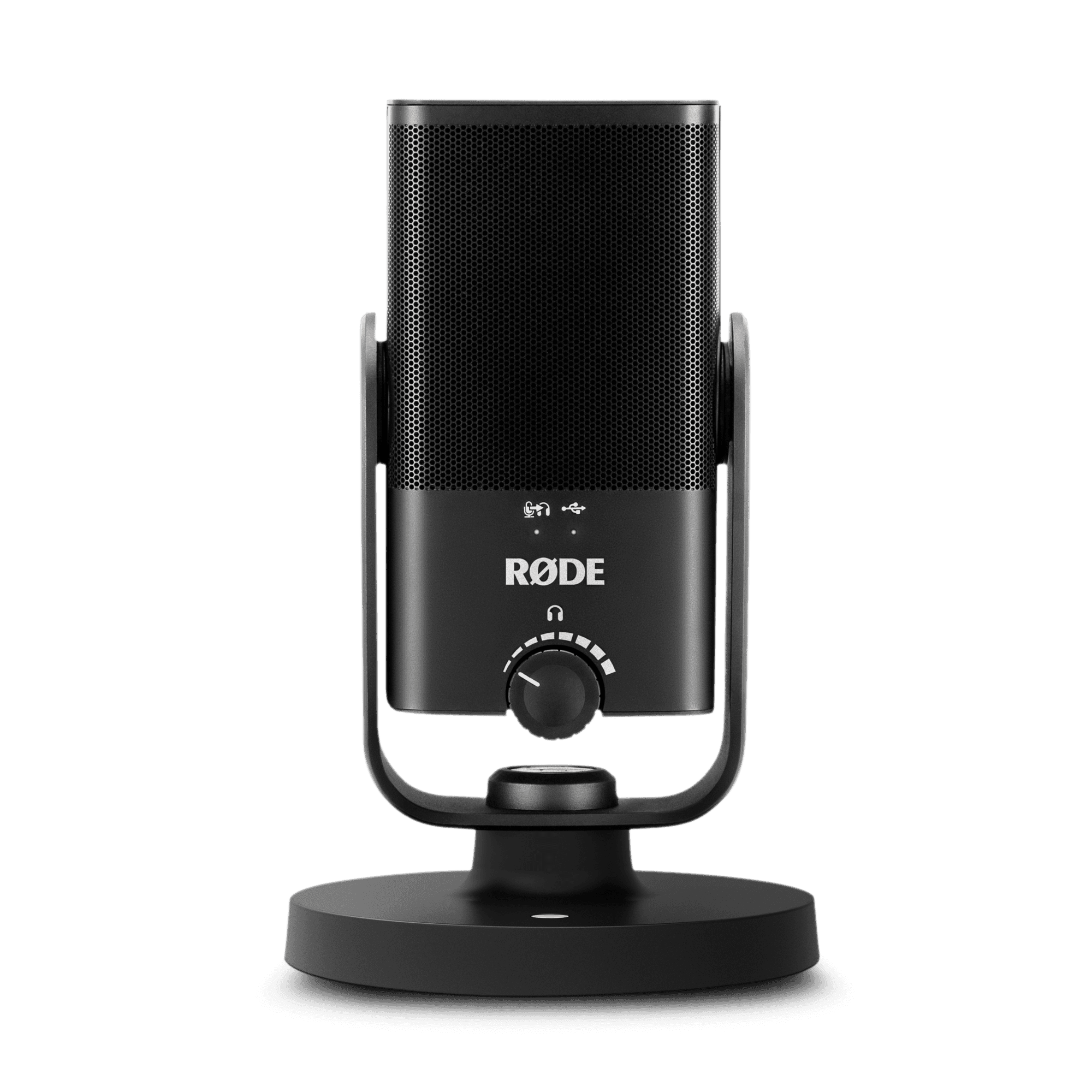
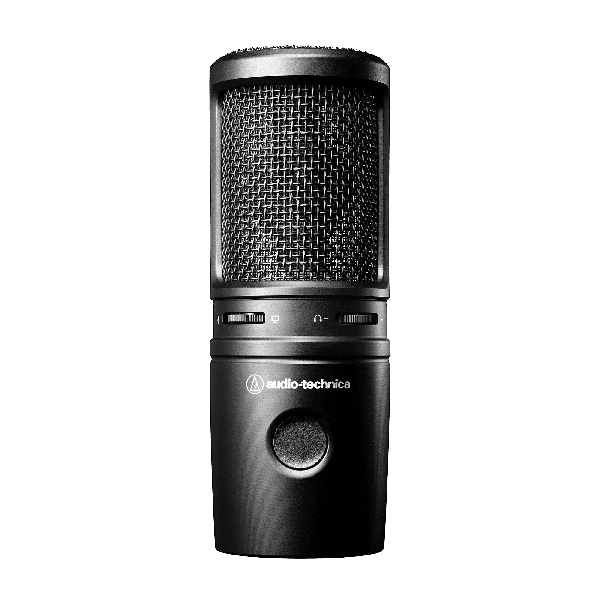
Within Best USB Microphones, the Wave:3 sits between two very different philosophies. One rank up, the Rode NT-USB Mini is simpler and cheaper if you don't need Wave Link's mixing console or Stream Deck integration. One rank down, the Audio-Technica AT2020USB-X trades Elgato's streaming-specific software for a studio-heritage capsule better suited to music alongside voice. Against the rank-1 Shure MV7+, the calculus is simple: if your recording space is untreated, the MV7+'s dynamic capsule will reject far more of it than the Wave:3's condenser design ever can.
The Gavler verdict
A 9.2 — the clearest single-purpose recommendation on this list. If live streaming is genuinely your primary use case, nothing else here matches the combination of Clipguard's real-world reliability and Wave Link's software-mixer replacement. If you're podcasting from an untreated spare room instead, look one rank up the ladder toward a dynamic capsule.
Common Questions
Yes, if streaming is your primary use case. It ranks number 4 on Gavler's Best USB Microphones list with a 9.2. Clipguard genuinely solves the clipping problem that ruins recordings when a streamer laughs or reacts loudly, and Wave Link replaces a hardware mixer like the GoXLR with free software. If you mainly record solo voiceover or podcast in a treated room, a dynamic microphone will serve you just as well for less software overhead.
The Wave:3 runs a secondary internal signal path at a lower gain level alongside the primary one. When the primary path is about to clip, the microphone seamlessly crossfades to the quieter secondary path, capturing the loud moment cleanly instead of distorting. SoundGuys tested it directly and confirmed it works as advertised: 'Clipguard works very well, so you're not missing out by just leaving it on... once you've gotten your levels dialed in, you'd have to work pretty hard to get blown-out audio.'
Buy the Wave:3 if you stream and want Wave Link's software mixing plus Stream Deck integration for one-touch mute and gain control. Buy the Yeti X if you want more than one polar pattern — round-tables, interviews, or stereo music capture — since the Wave:3 is cardioid-only. Both are condensers, so neither is the pick for an untreated, noisy room.
More than a dynamic microphone would, yes. Android Central's review put it plainly: the Wave:3 'gives the best mics a run for their money for spoken word, but it's a sensitive condenser that picks up plenty of room noise.' Treat your recording space or add a boom arm to get closer to the capsule, and it performs well; in an untreated room expect to hear your surroundings.
Where to Buy.
Prices checked regularly
90-day price history
Price History
Steady at $149 for the entire 90-day tracking window — no increases, no discounts, across 91 tracked days.
Tracked daily across retailers. Vote Want itabove and we’ll alert you the moment the price drops.
Some links are affiliate links — Gavler may earn a commission. This never affects rankings or scores. Learn more.
Precision Engineering
Clipguard Technology
Secondary signal path at lower gain seamlessly prevents clipping during loud moments — audio stays clean even when you shout.
Wave Link Software
Virtual mixing console with up to 8 audio sources routed independently to stream output and headphone monitor.
Capacitive Mute
Touch-sensitive mute button provides instant, silent muting without mechanical click noise during live broadcasts.
Technical Specifications
The Scoreboard
Streamers rate the Wave:3 exceptionally highly due to Clipguard and Wave Link. Podcasters and musicians note the condenser design picks up room noise, making it less ideal for untreated environments.
Cast Your Vote
Do you think Elgato Wave:3 deserves the #4 spot in Best USB Microphones?
Global Critique
“A generous swathe of hardware and software features make the Wave:3 the streamer mic to beat — though it's less versatile than others on the market.”
“Clipguard makes clipping virtually impossible, and Wave Link's mixing suite is streaming excellence delivered in software.”
“Gives the best mics a run for their money for spoken word, but it's a sensitive condenser that picks up plenty of room noise.”
More from Best USB Microphones.
See how other top picks compare in this category.
What to Check Before You Buy a USB Microphone
RGB hangtags are the wrong first question. Dynamic vs condenser, the room, and DSP vs plug-and-play come first. Then shop Gavler's live ranking.
The Best USB Microphones in 2026, Ranked by Streamers, Podcasters, and Producers Who Talk Into Them Daily
Shure, Blue, Rode, Elgato, Audio-Technica. Gavler's community ranks the USB mics worth buying — from a $59 dynamic to the $269 podcast standard.