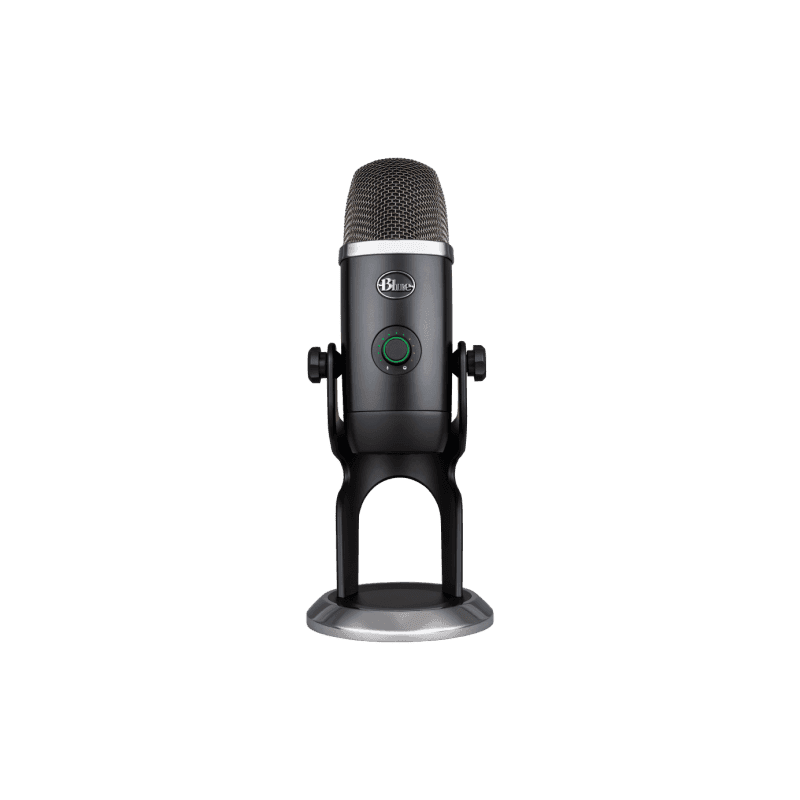
Blue Yeti X.
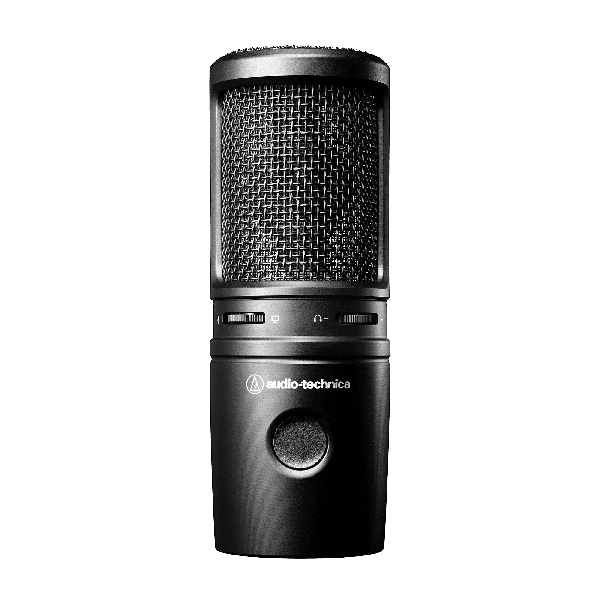
The Yeti X captures rich, detailed audio in four polar patterns with built-in metering and voice processing software.
The Verdict.
Gavler Meta-Score
“The Yeti X is the USB microphone for creators who want versatility and simplicity in one package. Four polar patterns cover every recording scenario, the LED metering eliminates gain-staging guesswork, and Blue VO!CE software adds broadcast polish without external hardware. At $169, it is the most versatile USB condenser on the market.”
The Gavler Verdict
The Gavler Review.
Blue Yeti X Review: The Most Versatile USB Microphone You Can Buy
The Blue Yeti X ranks number 2 on Gavler's Best USB Microphones list with a 9.5, and it earns that spot by being the microphone that adapts to you rather than the other way around. Where the rank-1 Shure MV7+ wins on raw noise rejection, the Yeti X wins on range — four selectable polar patterns, a built-in visual level meter, and voice-processing software that turns a $169 USB microphone into something that can credibly handle solo podcasting, group interviews, and even stereo music capture without buying a second microphone for each job.
What it is
The original Blue Yeti didn't just enter the USB microphone category — it effectively created it, becoming the default recommendation for an entire generation of podcasters and streamers before "USB microphone" was even a well-defined product class. The Yeti X is the professional refinement of that formula: a four-capsule condenser array, 24-bit/48kHz digital conversion, and Blue VO!CE software that brings real-time voice processing to creators who previously needed dedicated outboard hardware to get the same effect.
The four polar patterns — cardioid, omnidirectional, bidirectional, and stereo — are the Yeti X's headline feature, and they're not a gimmick. Cardioid handles solo voice work by rejecting sound from the sides and rear. Omnidirectional picks up everything around the microphone evenly, useful for round-table discussions with multiple people seated around a table. Bidirectional captures front and back simultaneously, built for face-to-face interviews. Stereo captures a wider spatial image, suited to ASMR content or music recording. Selecting between them is a physical control on the microphone body — no software menu required.
In use
The built-in LED metering ring is a small design decision that solves a real problem: gain-staging guesswork. Most USB microphones give you no visual feedback at all, leaving new users to record blind and hope their levels are correct. The Yeti X's ring lights up in real time as you speak, and it's the kind of feature that sounds minor until you've used a microphone without it.
Independent reviews consistently frame the Yeti X as a meaningful, not marginal, step up from the standard Yeti. SoundGuys called it "a bigger, badder mic," noting it's "a meaningful step up from the original for streamers who want more control." Tom's Hardware was similarly positive but noted the price increase over the base Yeti, writing that the X "brings welcome updates to its controls and light customization for aesthetically minded streamers, though it's pricier than the already-excellent standard Yeti." Podcastage's take is the most balanced, and the one worth taking most seriously if you're deciding between the Yeti X and a dynamic alternative: "It's a good mic, but not the end-all-be-all — as a condenser it picks up more room than a dynamic, so treat your space."
That's the honest core of the Yeti X's trade-off. Condenser capsules are inherently more sensitive than dynamic ones, which is exactly what makes the Yeti X's four polar patterns and detailed capture possible — and exactly why it will pick up more of your room than a dynamic microphone like the Shure MV7+ would in the same space.
Strengths
Versatility is the Yeti X's entire reason for existing, and it delivers — four genuinely useful polar patterns rather than a marketing checkbox. The LED metering ring removes a real barrier for first-time recorders. Blue VO!CE software adds studio-style processing without buying separate hardware, and the multi-function knob (gain, headphone volume, blend, mute) is well laid out for one-handed adjustment mid-recording. Build quality is a genuine step up from the original Yeti's chassis, with better shock isolation in the desktop stand.
The trade-offs — who should skip it
The condenser design is both the Yeti X's strength and its limitation: in an untreated room, expect more ambient noise in your recordings than a dynamic microphone would capture. At 1.14 kg with its stand, it's also noticeably heavier than most rivals — not a problem on a desk, but worth knowing if you're shopping for something more portable. And Blue VO!CE requires Logitech's G HUB software, an extra install some users would rather skip.
How it compares
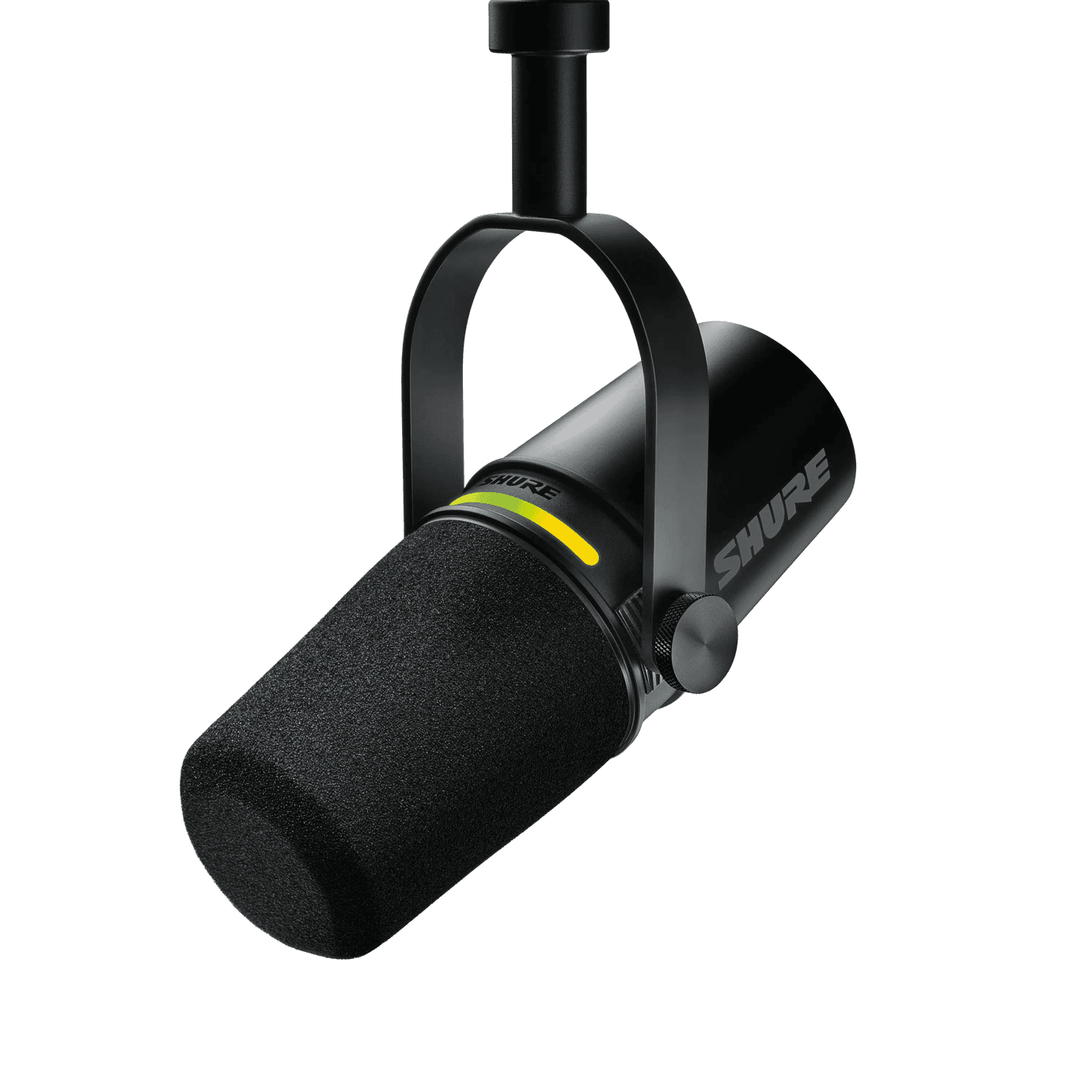
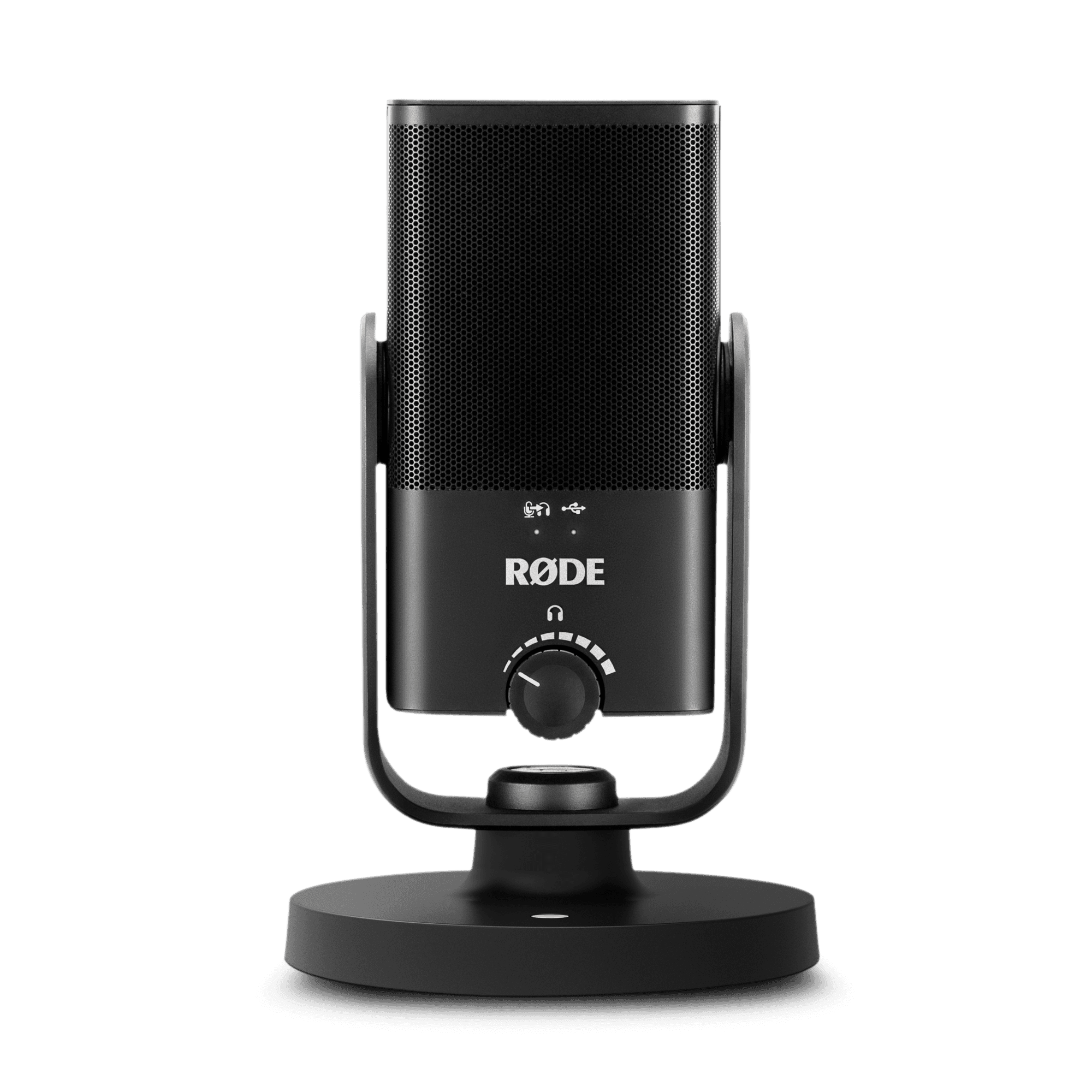
The Yeti X sits just below the Shure MV7+ at rank 1 on this list — the MV7+'s dynamic capsule is the better choice for anyone in a noisy or untreated space, while the Yeti X's four polar patterns win for anyone who records in more than one configuration. One rank down, the Rode NT-USB Mini is worth a look if $169 is more than you want to spend and you only need a single cardioid pattern — it gives up versatility for a genuinely excellent price.
The Gavler verdict
A 9.5 — the most flexible USB microphone Gavler has tested at this price. If your recording setup changes from day to day — solo one session, a round-table the next — the Yeti X's four polar patterns earn their keep in a way a single-pattern microphone never could. Just treat your room a little, since the condenser design will hear it if you don't.
Common Questions
Yes, for anyone who wants versatility without a learning curve. It ranks number 2 on Gavler's Best USB Microphones list with a 9.5. Four selectable polar patterns cover solo podcasting, round-table discussions, interviews, and even stereo music recording, and the LED metering ring removes the guesswork of gain staging that trips up first-time streamers. At $169 it undercuts the rank-1 Shure MV7+ by $100 while remaining the most flexible USB condenser on the market.
Buy the Yeti X if you want one microphone that adapts to different recording scenarios — cardioid for solo work, omnidirectional for round-tables, bidirectional for interviews, stereo for music — and you're recording somewhere reasonably quiet. Buy the Shure MV7+ if your room isn't acoustically treated; its dynamic capsule rejects room noise in a way the Yeti X's condenser design fundamentally can't.
More than a dynamic microphone like the Shure MV7+, yes — that's the tradeoff of any condenser design. Podcastage's review is direct about it: 'It's a good mic, but not the end-all-be-all — as a condenser it picks up more room than a dynamic, so treat your space.' In a quiet room it's excellent; in an untreated, echoey space, it will pick up more than you want.
Blue VO!CE is Blue's real-time voice-processing software, available through Logitech's G HUB app. It adds broadcast-style vocal presets, modulation effects, and HD audio sample libraries that emulate the sound of studio outboard gear. It's optional — the Yeti X sounds good straight out of the box — but it's a genuine value-add for streamers who want polish without buying separate hardware processors.
Where to Buy.
Prices checked regularly
90-day price history
Price History
Steady at $169 for the entire 90-day tracking window — no increases, no discounts, across 91 tracked days.
Tracked daily across retailers. Vote Want itabove and we’ll alert you the moment the price drops.
Some links are affiliate links — Gavler may earn a commission. This never affects rankings or scores. Learn more.
Precision Engineering
Four Polar Patterns
Cardioid, omnidirectional, bidirectional, and stereo modes cover every recording scenario from solo podcasting to interviews.
LED Metering Ring
Real-time visual level metering on the microphone body eliminates gain-staging guesswork for users new to recording.
Blue VO!CE Software
Real-time voice processing with broadcast presets, modulation effects, and HD audio samples via Logitech G HUB.
Technical Specifications
The Scoreboard
Community loves the versatility and ease of use. Experts note the condenser design picks up more room noise than dynamic alternatives, making it less ideal for untreated spaces.
Cast Your Vote
Do you think Blue Yeti X deserves the #2 spot in Best USB Microphones?
Global Critique
“A bigger, badder mic — the Yeti X is a meaningful step up from the original for streamers who want more control.”
“Brings welcome updates to its controls and light customization for aesthetically minded streamers, though it's pricier than the already-excellent standard Yeti.”
“It's a good mic, but not the end-all-be-all — as a condenser it picks up more room than a dynamic, so treat your space.”
More from Best USB Microphones.
See how other top picks compare in this category.
What to Check Before You Buy a USB Microphone
RGB hangtags are the wrong first question. Dynamic vs condenser, the room, and DSP vs plug-and-play come first. Then shop Gavler's live ranking.
The Best USB Microphones in 2026, Ranked by Streamers, Podcasters, and Producers Who Talk Into Them Daily
Shure, Blue, Rode, Elgato, Audio-Technica. Gavler's community ranks the USB mics worth buying — from a $59 dynamic to the $269 podcast standard.