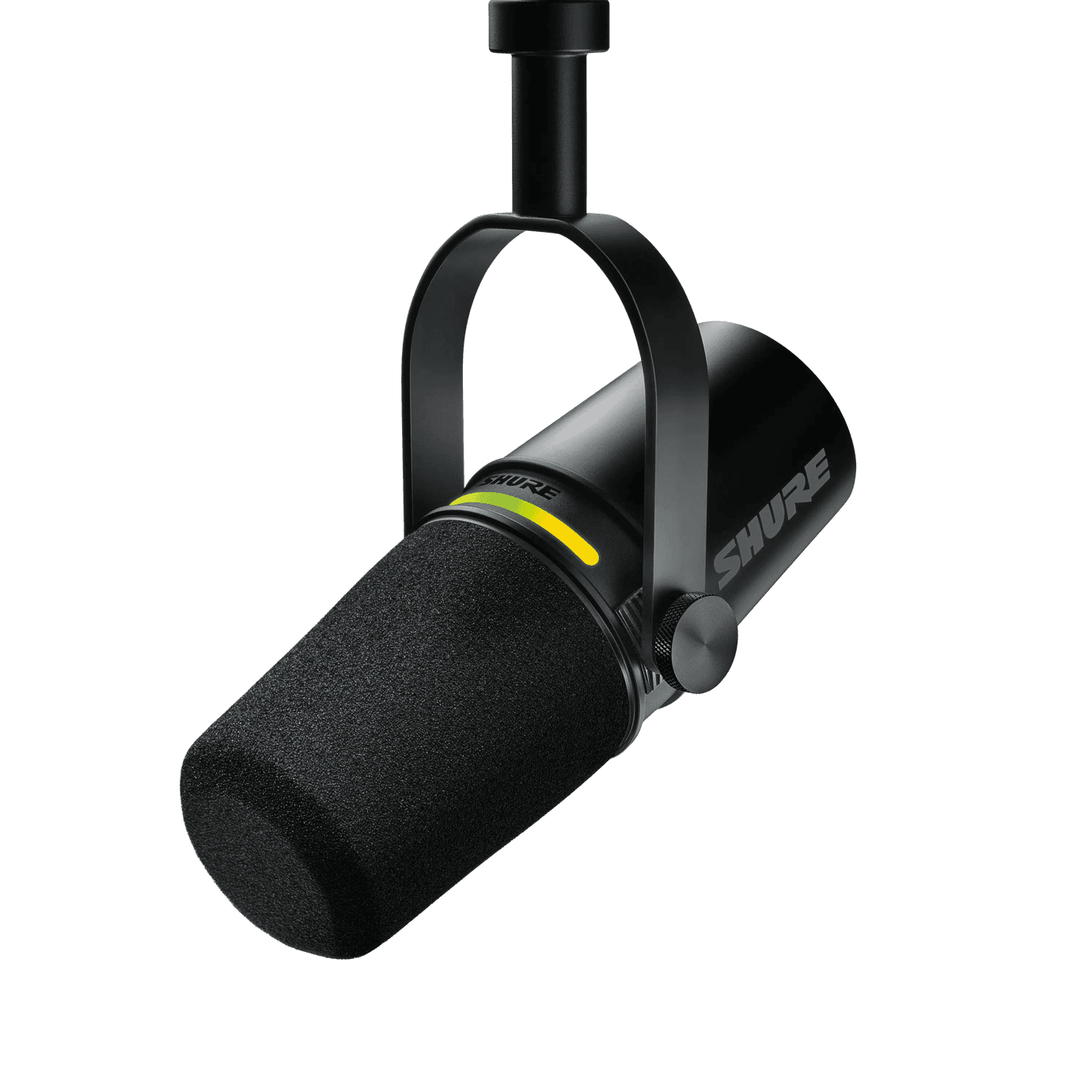
Shure MV7+.
Shure's upgraded MV7+ delivers broadcast-ready vocal isolation with the flexibility of USB-C and XLR connections.
The Verdict.
Gavler Meta-Score
“The MV7+ is the USB microphone for people who are serious about their audio but do not want to build a studio around it. The dynamic capsule rejects room noise better than any condenser at this price, the USB-C/XLR dual output provides a genuine upgrade path, and Shure's build quality means this is a buy-it-for-life investment. It is the best podcasting microphone at any price.”
The Gavler Verdict
The Gavler Review.
Shure MV7+ Review: The USB Microphone You Buy Once
The Shure MV7+ ranks number 1 on Gavler's Best USB Microphones list with a 9.7, and the reason is almost boringly simple: it solves the one problem that ruins more home recordings than any other — room noise — better than anything else at its price. This is a dynamic microphone wearing the convenience of a USB mic, and that distinction is the whole story. At $269 it isn't cheap, but Shure's own description of the philosophy behind it holds up in practice: buy it once, never think about your microphone again.
What it is
The MV7+ is the second generation of the microphone that first bridged USB convenience with broadcast-grade sound. Where most USB microphones use condenser capsules — sensitive, detailed, and prone to picking up every hum, echo, and passing car outside your window — the MV7+ uses a voice-optimized dynamic capsule. Dynamic capsules are inherently less sensitive to off-axis sound, which means they reject the room around you almost by design rather than through digital noise-gating tricks. For anyone recording in a bedroom, a shared apartment, or an untreated home office — which is to say, nearly everyone who isn't recording in a purpose-built studio — that's the difference between usable audio and audio you have to apologize for.
The MV7+'s dual USB-C and XLR output is the second half of the pitch, and it's more than a spec-sheet checkbox. Plug in over USB-C and you get instant, driver-free recording at 24-bit/48kHz — no setup, no software required to sound good. But the XLR jack is there the day you decide to add an audio interface, a mixer, or a Rodecaster-style all-in-one unit. Most USB microphones force a choice: buy simple now and replace it later, or buy complicated now and fight the learning curve immediately. The MV7+ removes that choice entirely.
In use
The ShurePlus MOTIV desktop app handles the parts of audio engineering most people don't want to learn — auto-level, EQ, compressor, and limiter — effectively acting as a built-in channel strip. That matters because a dynamic capsule alone isn't automatically "podcast ready"; it needs comparatively more gain than a condenser to reach a healthy recording level, and the MOTIV app's auto-level feature handles that gain staging automatically rather than leaving a beginner to guess.
Independent reviewers consistently single out the MV7+'s versatility as its defining trait. MusicRadar wrote that it "finesses the original to deliver one of the most versatile, feature-laden mics for podcasting, streaming and recording," while GamesRadar called it "almost effortlessly good," adding that "its utility as a dual-connection mic is unmatched, and it captures excellent audio." Techaeris put it plainly: it's "one of the best podcasting mics out there — the dual USB-C/XLR path means you never outgrow it." That refrain — that the MV7+ is bought once and used for years, regardless of how your setup evolves — is the throughline across nearly every independent review of it.
The built-in headphone output with a physical mix-blend control lets you monitor your own voice against your computer's audio in real time, with zero perceptible latency. For anyone doing voice work — podcasting, streaming commentary, voiceover — that instant monitoring matters more than it sounds; even small delays between speaking and hearing yourself create a disorienting "doubling" effect that measurably hurts delivery.
Strengths
Noise rejection is the MV7+'s single biggest advantage, and it's not subtle — reviewers and Gavler's own expert consensus (96) converge on this point more than any other. The all-metal Shure build quality is the second: this is a microphone engineered to survive years of daily use, not a plastic-bodied product built to a price point. The magnetic pop filter is a small but genuinely thoughtful touch that most competitors skip entirely, and the redesigned yoke mount over the original MV7 makes fine positioning noticeably smoother.
The trade-offs — who should skip it
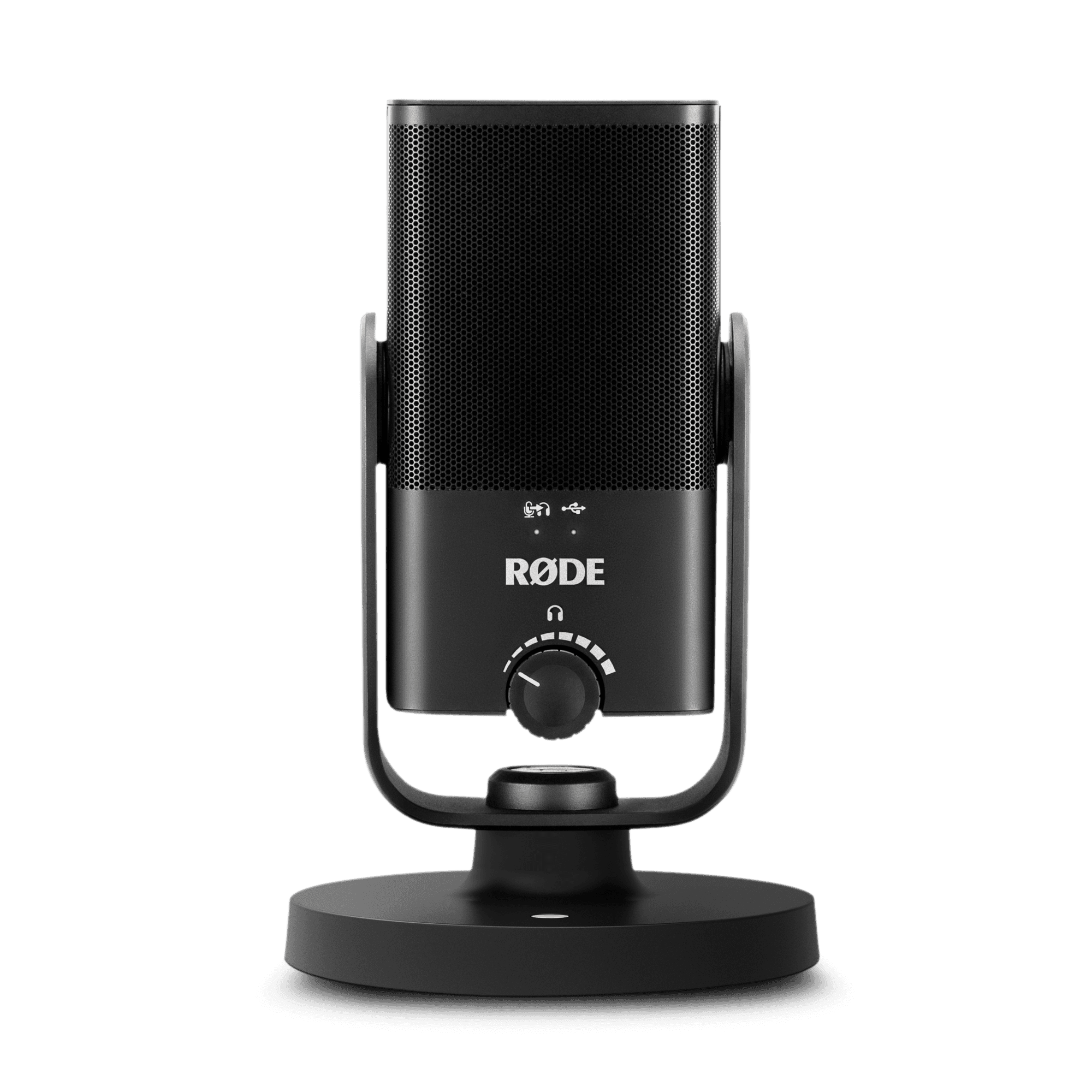
Price is the honest catch, and it's the one criticism that shows up consistently even in otherwise glowing reviews — at $269, the MV7+ costs nearly three times what Rode's NT-USB Mini asks. If you're recording in a genuinely quiet, treated space and don't need XLR headroom, a condenser like the Blue Yeti X or a budget dynamic like the Samson Q9U will get you most of the way there for meaningfully less money. And if your priority is gaming aesthetics — RGB lighting, tap-to-mute theatrics — the MV7+'s understated, all-business design isn't built for that; look at the HyperX QuadCast S instead.
How it compares
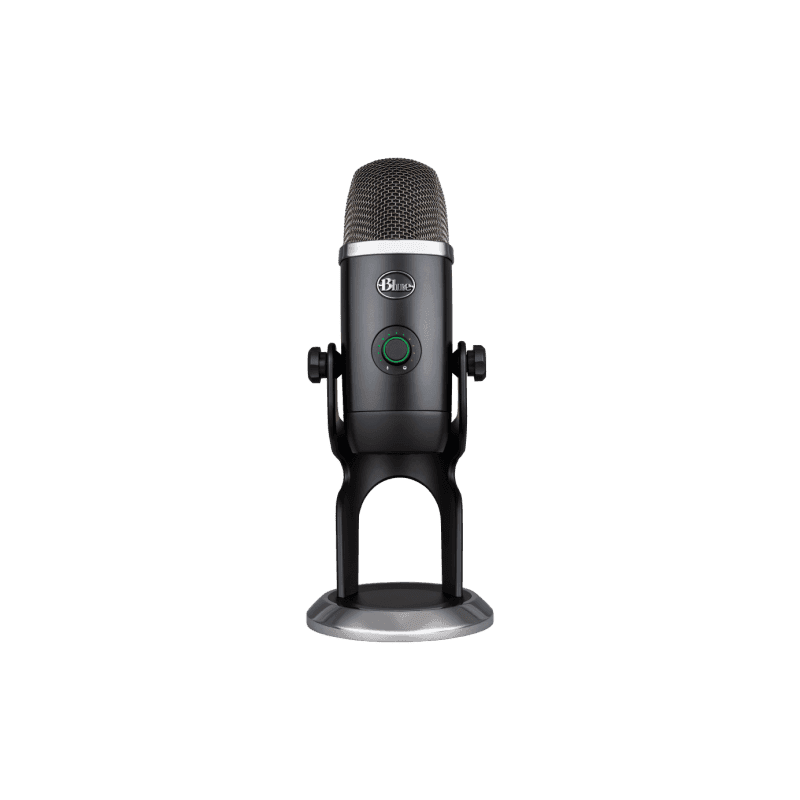
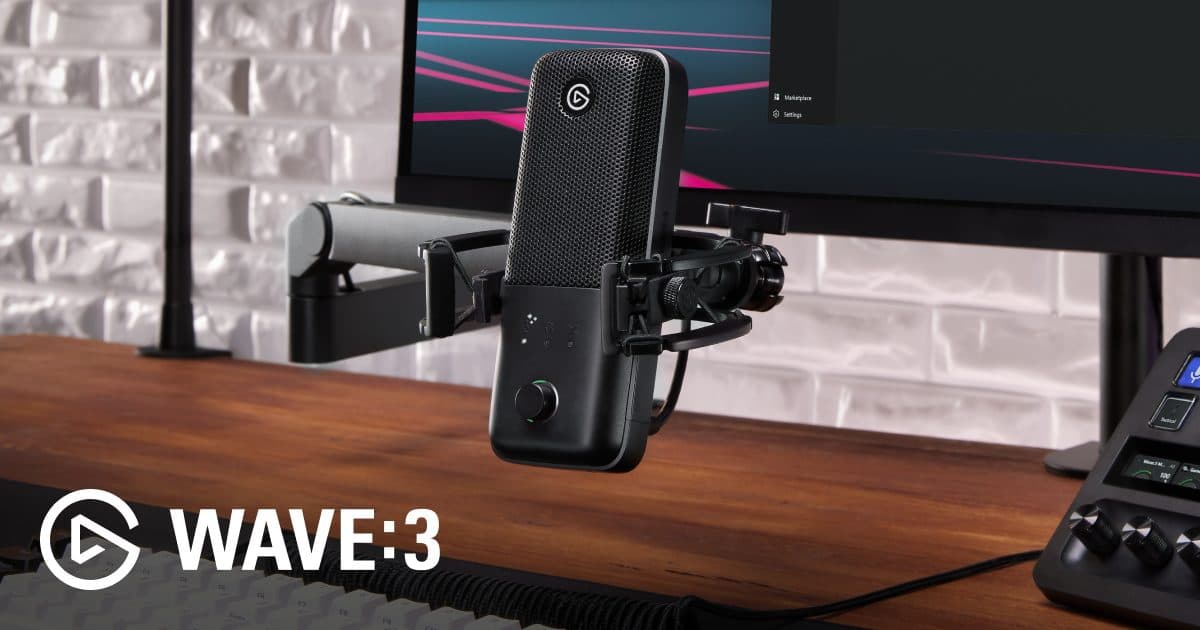
On its own list, the MV7+ sits above the Blue Yeti X at rank 2, which trades the MV7+'s noise rejection for four selectable polar patterns — a better fit for round-table interviews or multi-person recording, at $100 less. One rank further down, the Rode NT-USB Mini proves that excellent voice capture doesn't require a $269 outlay, at less than half the MV7+'s price, though it gives up the dynamic capsule's noise rejection and the XLR upgrade path. If your use case is specifically live streaming rather than podcasting, the Elgato Wave:3's Clipguard anti-clipping tech and Stream Deck integration are worth a look before you commit to the MV7+.
The Gavler verdict
A 9.7 — the highest score on Gavler's USB microphone list, and deservedly so. The Shure MV7+ isn't the cheapest option and it isn't trying to be the most exciting one; it's the microphone built for people who want to solve their audio problem permanently. If you record anywhere that isn't acoustically treated, or you want a clear, no-compromise upgrade path from USB to XLR, this is the one to buy — and the one you likely won't be replacing.
Common Questions
Yes, if you're serious about voice recording and want a microphone you'll never need to replace. It ranks number 1 on Gavler's Best USB Microphones list with a 9.7, and the case for it is simple: a dynamic capsule that rejects room noise better than any condenser at the price, plus USB-C and XLR outputs so it grows from a bedroom setup into a full mixer-based studio without a hardware change. At $269 it costs more than most rivals, but MusicRadar and Techaeris both rank it among the best podcasting mics available today.
The MV7+ improves on the original MV7 with better internal shielding for lower self-noise, a redesigned yoke mount, upgraded LED touch controls, and refined ShurePlus MOTIV app processing (auto-level, EQ, compressor, limiter). The core dynamic capsule and dual USB-C/XLR design carry over — the MV7+ is a refinement, not a reinvention.
Buy the MV7+ if you record in an untreated room, a noisy apartment, or anywhere acoustic isolation isn't guaranteed — its dynamic capsule rejects off-axis and room noise in a way a condenser can't match. Buy the Blue Yeti X (rank 2 on the same list) if you want four selectable polar patterns for group interviews or multi-person setups and don't mind treating your space a little more carefully.
No. The MV7+ works immediately over USB-C with no drivers or interface required, recording at 24-bit/48kHz. The XLR output is there for when you outgrow USB — connect it to an audio interface or mixer later and keep the same microphone.
It works well for both, but it's built around voice clarity rather than gaming aesthetics — there's no RGB lighting or the tap-to-mute theatrics of something like the HyperX QuadCast S. If you specifically want a streaming-first feature set, Gavler's Best USB Microphones list also ranks the Elgato Wave:3, built around anti-clipping tech for live streams.
Where to Buy.
Prices checked regularly
90-day price history
Price History
Steady at $269 for the entire 90-day tracking window — no increases, no discounts, across 91 tracked days.
Tracked daily across retailers. Vote Want itabove and we’ll alert you the moment the price drops.
Some links are affiliate links — Gavler may earn a commission. This never affects rankings or scores. Learn more.
Precision Engineering
Dynamic Capsule
Voice-optimized dynamic element rejects room noise and off-axis sound, delivering broadcast-quality isolation in untreated spaces.
USB-C / XLR Dual Output
USB-C for instant plug-and-play recording; XLR for professional mixer and interface setups — no microphone upgrade needed.
Built-In DSP
ShurePlus MOTIV app provides auto-level, EQ, compressor, and limiter for broadcast-ready processing without external software.
Technical Specifications
The Scoreboard
Near-universal acclaim from both experts and community. The dynamic capsule's noise rejection is the most-praised feature. The only consistent criticism is price — but most agree the quality justifies it.
Cast Your Vote
Do you think Shure MV7+ deserves the #1 spot in Best USB Microphones?
Global Critique
“Finesses the original to deliver one of the most versatile, feature-laden mics for podcasting, streaming and recording.”
“It's almost effortlessly good — its utility as a dual-connection mic is unmatched, and it captures excellent audio.”
“One of the best podcasting mics out there — the dual USB-C/XLR path means you never outgrow it.”
More from Best USB Microphones.
See how other top picks compare in this category.
What to Check Before You Buy a USB Microphone
RGB hangtags are the wrong first question. Dynamic vs condenser, the room, and DSP vs plug-and-play come first. Then shop Gavler's live ranking.
The Best USB Microphones in 2026, Ranked by Streamers, Podcasters, and Producers Who Talk Into Them Daily
Shure, Blue, Rode, Elgato, Audio-Technica. Gavler's community ranks the USB mics worth buying — from a $59 dynamic to the $269 podcast standard.