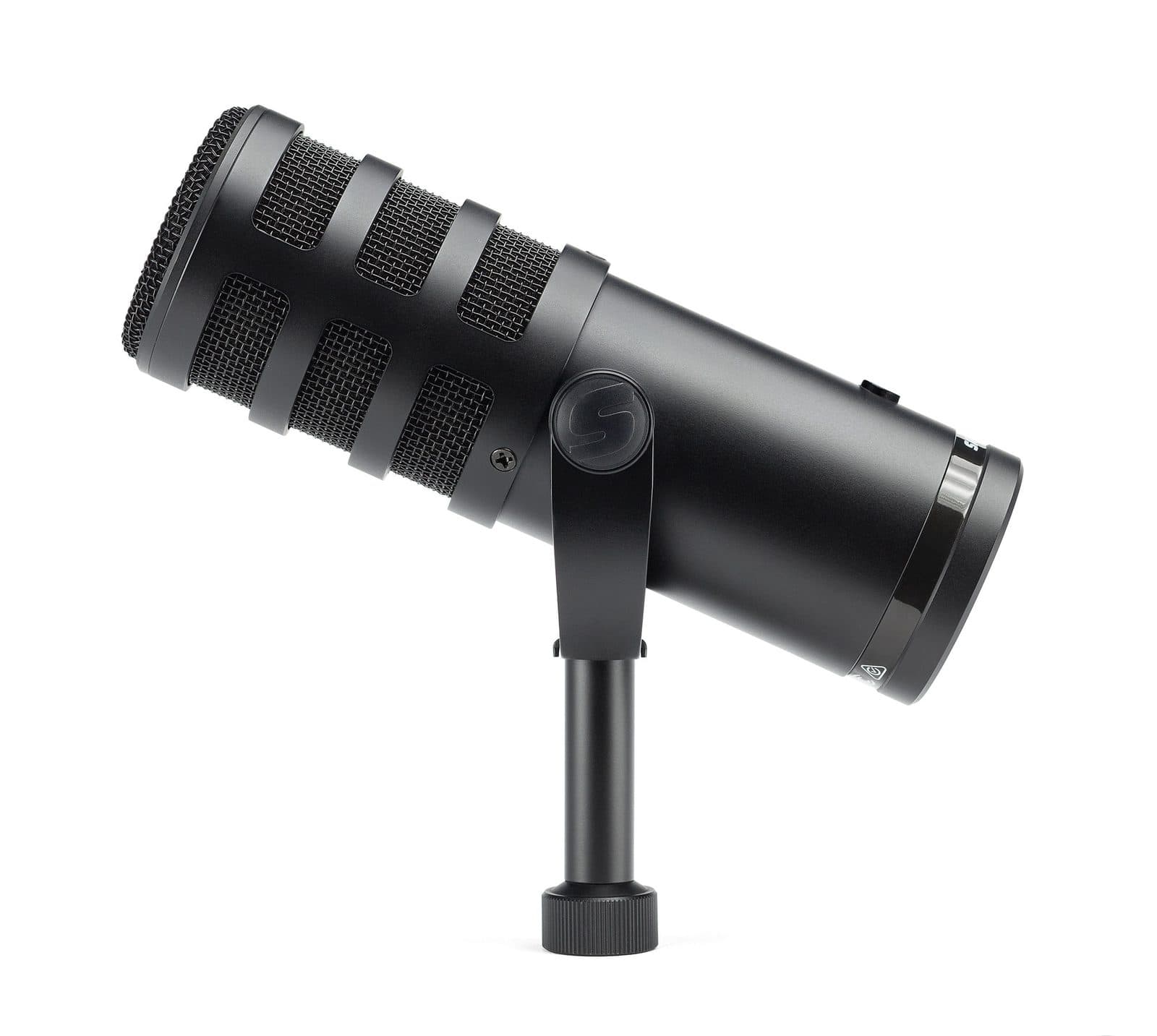
Samson Q9U.
The Q9U's dynamic capsule rejects room noise while dual USB-C and XLR outputs provide a professional growth path.
The Verdict.
Gavler Meta-Score
“The Q9U delivers the broadcast dynamic microphone experience at a price that makes the Shure MV7+ hard to justify for budget-conscious podcasters. The dynamic capsule rejects room noise effectively, the USB-C/XLR dual output provides growth potential, and the 3-position low-cut filter is a practical feature that more expensive microphones should copy. Outstanding value.”
The Gavler Verdict
The Gavler Review.
Samson Q9U Review: The Broadcast Dynamic That Undercuts Shure
The Samson Q9U ranks number 7 on Gavler's Best USB Microphones list with an 8.8, and its entire case rests on one blunt fact: it offers most of what makes the rank-1 Shure MV7+ special, at roughly half the price. A dynamic capsule, dual USB-C/XLR output, and built-in monitoring — the Q9U puts Shure's own formula under real price pressure.
What it is
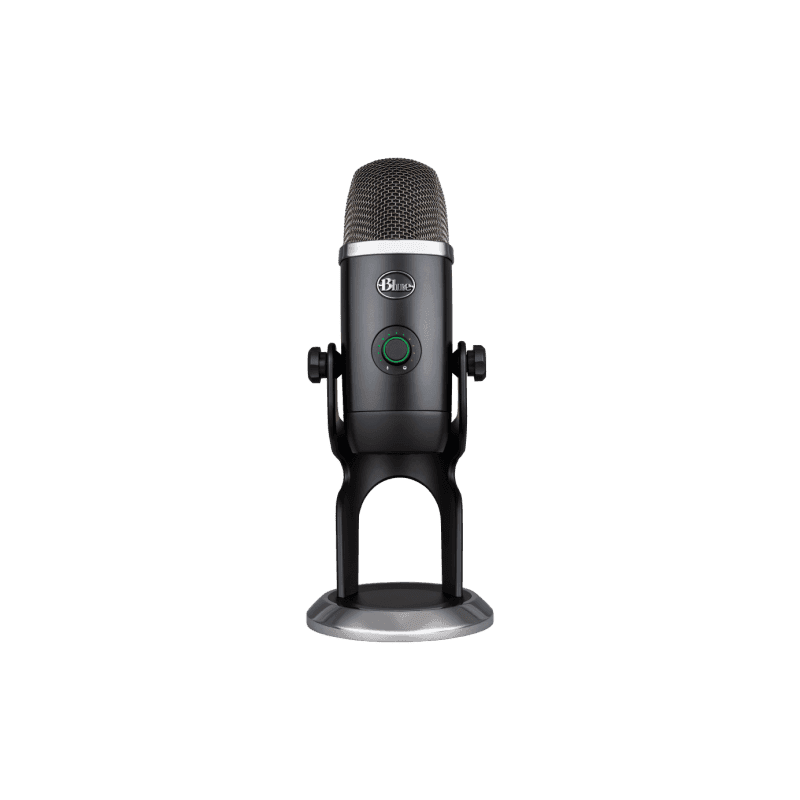
The Q9U is one of a small handful of USB microphones on this list that pairs a dynamic capsule with both USB-C and XLR outputs, and that combination is deliberate: it's built to directly undercut the MV7+ on price while matching its core capability set. The dynamic capsule uses a tight cardioid pattern engineered to reject off-axis room noise, keyboard clatter, and ambient sound — the kind of authority condenser microphones like the Blue Yeti X simply can't match by design. That makes the Q9U a strong pick for podcasting in an untreated room, where a condenser would pick up every air conditioner hum and passing car.
The 24-bit/96kHz USB conversion is genuinely impressive for the price point, and the XLR output means the Q9U can plug into a proper audio interface or mixer as your setup grows, without replacing the microphone. A 3-position low-cut filter (flat, 75Hz, 150Hz) on the rear panel is a practical, unglamorous feature that addresses bass proximity effect — the boominess that builds up as a speaker gets closer to a directional capsule.
A mute button with an LED indicator sits on the body for quick, visible muting during recording, and the all-metal construction feels appropriately professional for a microphone aimed at podcasters who plan to use it daily. The included desktop stand is sturdier than most competitors provide at this price, and the mic accepts standard 5/8-inch thread mounts, so upgrading to a boom arm later doesn't require a separate adapter.
In use
Podcastage's Bandrew Scott — whose testing methodology includes dedicated polar pattern, plosive rejection, noise floor, and latency tests against direct rivals like the Shure SM7B, Shure MV7, and Rode Procaster — put the Q9U through its paces and came back with a mixed but specific verdict. He praised the form factor and connectivity: "This thing offers a similar form factor to the SM7b, has a USB output, an XLR output, a mid boost and high pass filter switch, as well as a headphone output for zero latency monitoring and computer playback." But he flagged two concrete, non-generic issues worth knowing before you buy: "The mic does suffer pretty bad from handling noise rejection" and "I couldn't find a way to mix 0 latency monitoring and computer playback."
Those are specific, testable claims, not vague dissatisfaction — and they matter differently depending on your setup. If the Q9U sits on a fixed desk stand rather than a frequently-adjusted boom arm, handling noise is largely moot. If you rely on blending direct mic monitoring with full computer playback through the built-in headphone jack — common in podcasting setups with a call partner or background music — it's worth testing your specific workflow before committing.
Strengths
The value proposition is the whole story: dynamic noise rejection, dual USB-C/XLR output, and built-in headphone monitoring for meaningfully less than the Shure MV7+ asks for the same feature set. The 3-position low-cut filter is a genuinely useful, practical inclusion that plenty of pricier microphones skip. For anyone recording podcasts in an untreated home office, the dynamic capsule alone makes the Q9U a smarter buy than any condenser on this list at a similar price.
The trade-offs — who should skip it
Handling noise is the Q9U's clearest, hands-on-tested weakness — Podcastage's direct assessment was that it "suffers pretty bad" in this regard, so a boom arm you adjust often, or a desk you bump frequently, will be more audible than on the MV7+. The monitoring setup is also less flexible than rivals when you want to blend direct mic input with full computer playback simultaneously. And Samson's software ecosystem is genuinely more basic than ShurePlus MOTIV — you're trading some polish for the price cut.
How it compares
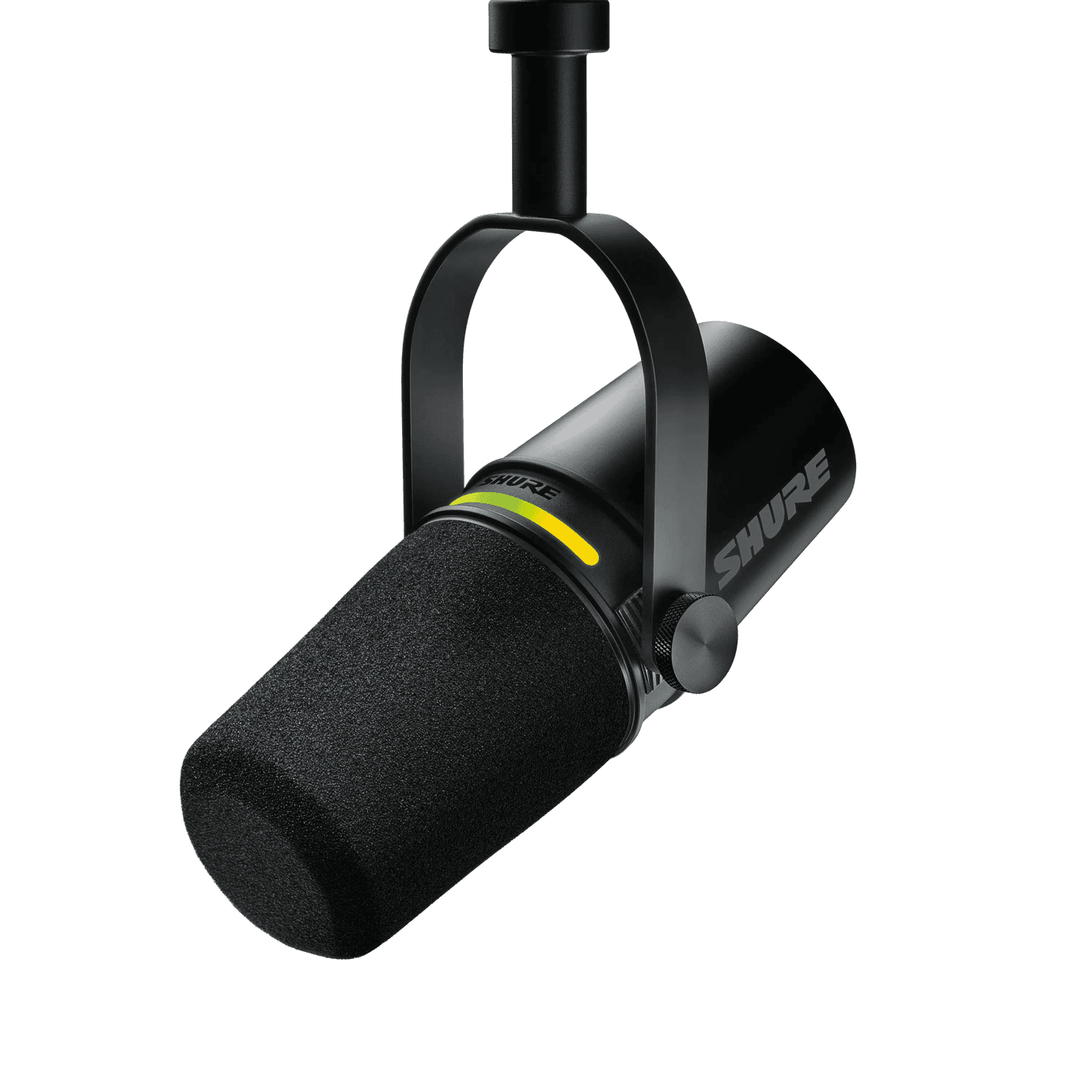
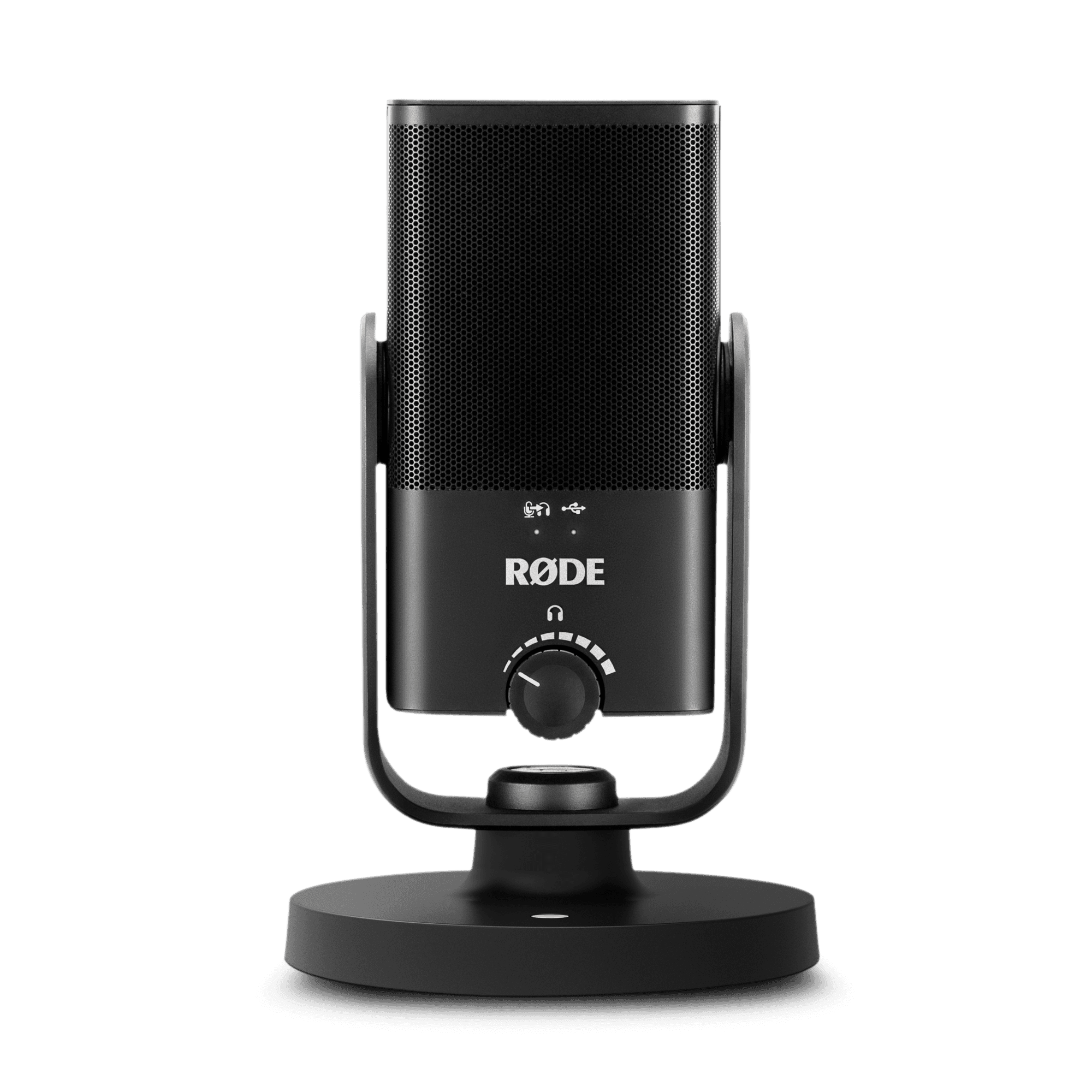
One rank up, the HyperX QuadCast S offers RGB lighting and four polar patterns but gives up the Q9U's dynamic noise rejection in an untreated room. One rank down, the Rode PodMic USB undercuts the Q9U further on price with automatic gain staging aimed at total beginners, at the cost of the Q9U's manual low-cut filter control. Against the rank-1 Shure MV7+, the calculus is straightforward: pay the Shure premium for a more refined build and better handling-noise rejection, or save roughly half your budget with the Q9U and accept a rougher edge or two.
The Gavler verdict
An 8.8 — outstanding value for anyone who wants the Shure MV7+'s core formula without the Shure price tag. The dynamic capsule and dual USB/XLR output do the heavy lifting; just budget for a stable mount to work around the handling-noise trade-off Podcastage's testing surfaced.
Common Questions
Yes, especially for budget-conscious podcasters who want a dynamic capsule and dual USB-C/XLR output without paying Shure MV7+ pricing. It ranks number 7 on Gavler's Best USB Microphones list with an 8.8. The core feature set — dynamic noise rejection, dual connectivity, a 3-position low-cut filter — mirrors the MV7+ at roughly half the price. The trade-offs are a more basic software ecosystem and, per hands-on testing, weaker handling-noise rejection.
The Q9U gets you most of the MV7+'s core value proposition — dynamic capsule, USB-C/XLR dual output, built-in headphone monitoring — at roughly half the price. The MV7+ pulls ahead on software (ShurePlus MOTIV's DSP suite is more developed than Samson's), overall build refinement, and handling-noise rejection, which Podcastage found to be a real weak point on the Q9U. If budget is the deciding factor, the Q9U is the smarter buy; if you want the most polished experience regardless of price, stay with the MV7+.
Not particularly — this is its most notable weak point. Podcastage's Bandrew Scott tested it directly: 'The mic does suffer pretty bad from handling noise rejection.' If you're mounting it on a boom arm you adjust frequently, budget for a shock mount, or expect to hear some thump when you move the arm.
It's limited. Podcastage found: 'I couldn't find a way to mix 0 latency monitoring and computer playback' — meaning the zero-latency direct mic monitoring and full computer audio playback don't blend as seamlessly through the built-in headphone output as they do on some rivals.
Where to Buy.
Prices checked regularly
90-day price history
Price History
Steady at $149 for the entire 90-day tracking window — no increases, no discounts, across 91 tracked days.
Tracked daily across retailers. Vote Want itabove and we’ll alert you the moment the price drops.
Some links are affiliate links — Gavler may earn a commission. This never affects rankings or scores. Learn more.
Precision Engineering
Dynamic Capsule
Voice-optimized dynamic element with tight cardioid pattern rejects room noise, keyboard clatter, and ambient sound.
USB-C / XLR Dual Output
Dual connectivity provides plug-and-play USB-C recording and professional XLR interface compatibility for growth.
3-Position Low-Cut
Flat, 75Hz, and 150Hz low-cut settings tame proximity effect and rumble for clean voice recording at any distance.
Technical Specifications
The Scoreboard
Community appreciates the value proposition — nearly Shure MV7+ features at half the price. Experts note the software ecosystem and build quality do not quite match the Shure, but the audio quality is competitive.
Cast Your Vote
Do you think Samson Q9U deserves the #7 spot in Best USB Microphones?
Global Critique
“The best USB microphone I have used to date, delivering superior vocal results with the least amount of effort.”
“A great value for content creators of every skill level and studios of every size — just note the headphone output has limited headroom and it picks up more room noise if you sit too far back.”
“It offers beginners a mic they can learn and build with, and advanced users a super-portable one — the XLR output means it grows with you, your gear and your skills.”
More from Best USB Microphones.
See how other top picks compare in this category.
What to Check Before You Buy a USB Microphone
RGB hangtags are the wrong first question. Dynamic vs condenser, the room, and DSP vs plug-and-play come first. Then shop Gavler's live ranking.
The Best USB Microphones in 2026, Ranked by Streamers, Podcasters, and Producers Who Talk Into Them Daily
Shure, Blue, Rode, Elgato, Audio-Technica. Gavler's community ranks the USB mics worth buying — from a $59 dynamic to the $269 podcast standard.