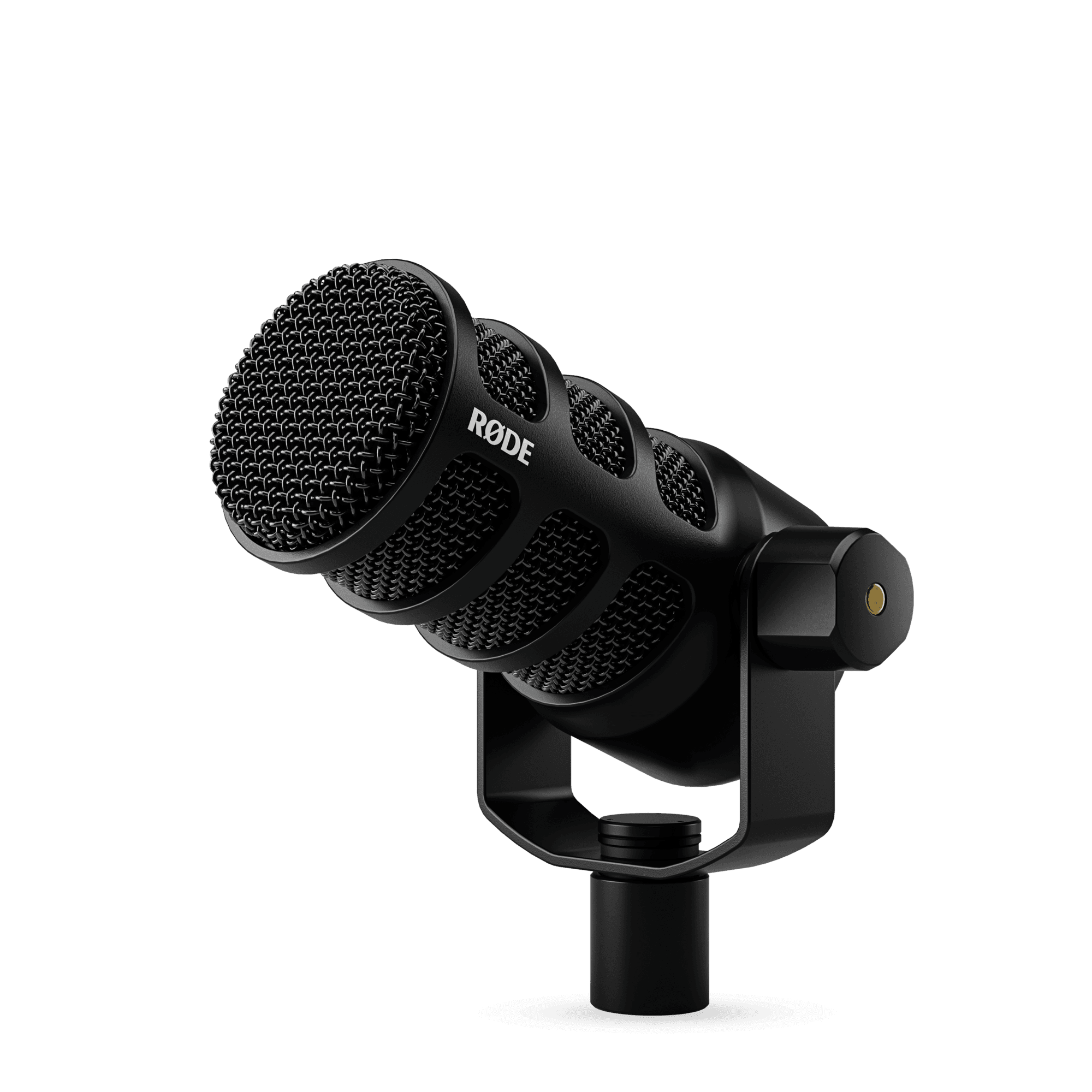
Rode PodMic USB.
Rode's end-address dynamic mic handles gain staging automatically for consistent recording levels across any USB setup.
The Verdict.
Gavler Meta-Score
“The PodMic USB is Rode's answer to the question every new podcaster asks: how do I sound professional without learning audio engineering? The automatic gain staging removes the most common mistake beginners make, the APHEX processing adds broadcast polish, and the $99 price makes professional podcasting accessible to everyone. A remarkable achievement.”
The Gavler Verdict
The Gavler Review.
Rode PodMic USB Review: Broadcast Tone Without the Learning Curve
The Rode PodMic USB ranks number 8 on Gavler's Best USB Microphones list with an 8.6, aimed squarely at the question every new podcaster asks: how do I sound professional without learning audio engineering? Rode's answer is automatic gain staging baked into the hardware itself, paired with licensed APHEX processing that used to require a dedicated mixing console.
What it is
The PodMic USB takes the broadcast voice character of Rode's popular XLR-only PodMic and adds USB-C connectivity with internal DSP that handles gain automatically. Where most USB microphones on this list require the user to manually manage levels to avoid clipping or a noisy floor, the PodMic USB's internal processing adapts to input levels dynamically — the pitch is consistent, clean voice capture without any user intervention.
The dynamic capsule is Rode's own design, tuned for speech clarity while naturally rolling off frequencies that contribute to room noise and rumble. The end-address format — speaking into the top rather than the side — feels more natural on a desk stand or boom arm than side-address alternatives. Like the Samson Q9U one rank up, the PodMic USB offers both USB-C and XLR connectivity, and the USB-C path includes Rode's APHEX processing (exciter, big bottom, compressor, noise gate) through a companion desktop app — the same processing technology licensed into Rode's Rodecaster mixing consoles, here included at a $99 price point.
In use
Podcastage's Bandrew Scott — whose reviews are built on structured tests including shock rejection and mic resonance checks — gave a specific, technically grounded read on the PodMic USB's tonal character: "This mic has a controlled lowend, a mid forward sound, and a little bit of grain on the top end (mainly in XLR mode)." That's a useful, concrete description rather than marketing language — a mid-forward voice tone with some top-end texture depending on which output you use.
He was direct about two functional trade-offs worth knowing before you buy. On durability: "It doesn't handle shocks too well" — worth factoring in if your setup involves a boom arm you adjust often or a desk prone to bumps. And on connectivity: "the XLR port is inactive when you have the mic connected over USB" — the two connections are not simultaneous, despite offering both. On the positive side, he singled out the pop filter as a genuine strength: "the pop filter works extremely well," and confirmed the DSP is stored on the microphone itself, meaning "you can use it on computers without Rode's software."
Tom's Hardware's Stewart Bendle reached similar conclusions from an editorial-review angle rather than a structured-test one. He was candid about the control scheme being a deliberate simplicity trade-off rather than a flaw: "I'm not a fan of having almost zero controls on the microphone itself — there are no dials for gain or any of the DSP settings." On tone, he found "the raw mic quality is still good, it just lacks a little bottom-end (but, also, sound is subjective)." And he confirmed the same connectivity limitation Podcastage found: "Basically, the XLR output will not work while the USB-C cable is connected."
Strengths
Automatic gain staging genuinely solves the single most common mistake first-time podcasters make — setting levels too hot or too quiet and not noticing until after recording. APHEX processing at a $99 price point is a real value-add, not a marketing bullet point; it's licensed technology that appears in professional Rodecaster consoles. The built-in pop filter earned specific praise from Podcastage's testing, and the metal, end-address build feels solid for the price.
The trade-offs — who should skip it
Two reviewers independently confirmed the same limitation: the XLR and USB-C outputs are not simultaneous, so despite offering both connection types, you're choosing one per session, not blending them. Handling noise is a real weakness per Podcastage's shock-rejection testing — a boom arm you move often will be more audible than on some rivals. And the lack of any onboard gain or DSP controls, which Tom's Hardware called out directly, means experienced users who want manual control over their sound will find the PodMic USB's automation limiting rather than convenient.
How it compares
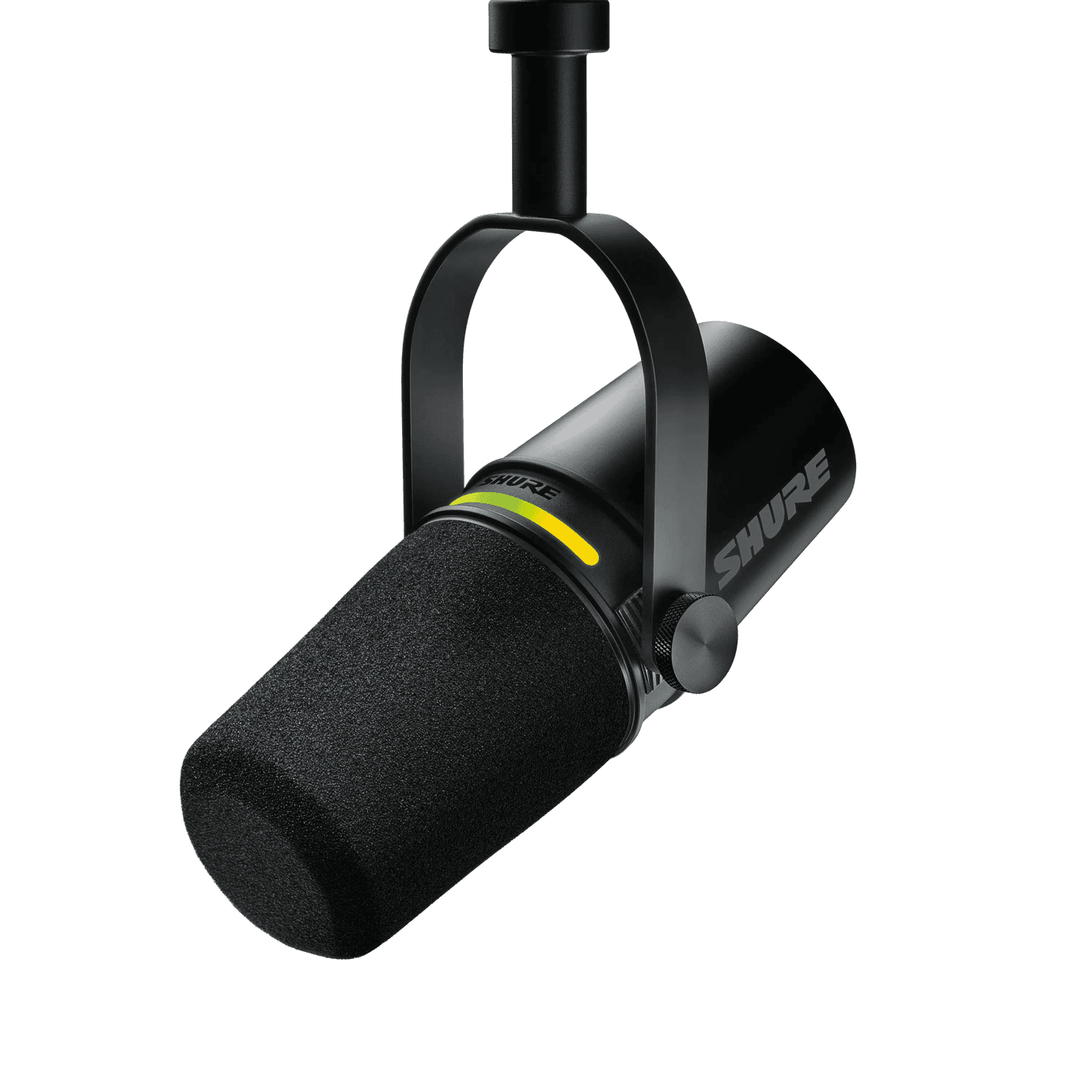
One rank up, the Samson Q9U offers a manual 3-position low-cut filter for users who want more control over their tone, at a similar price. Two ranks up, the HyperX QuadCast S trades the PodMic USB's automatic simplicity for four polar patterns and RGB lighting aimed at a different audience. Against the rank-1 Shure MV7+, the PodMic USB gives up ShurePlus MOTIV's more developed DSP suite and Shure's build refinement, but at less than half the price, with automation that arguably serves total beginners even better.
The Gavler verdict
An 8.6 — the easiest path to professional-sounding podcasting Gavler has tested at this price. The automatic gain staging and licensed APHEX processing remove the two things beginners get wrong most often. Just know going in that the USB-C and XLR outputs are either/or, not both at once, and that handling noise is a real, tested weak point if your mounting isn't stable.
Common Questions
Yes, especially for beginner podcasters who don't want to learn gain staging. It ranks number 8 on Gavler's Best USB Microphones list with an 8.6. Internal DSP automatically adjusts recording levels, and licensed APHEX processing (exciter, compressor, noise gate) adds broadcast polish without external hardware — all for $99. The dynamic capsule leans mid-forward with a little grain at the top end, and the XLR output can't be used simultaneously with USB.
No. Podcastage and Tom's Hardware both confirmed this in testing — the XLR output is inactive whenever the USB-C cable is connected. You choose one connection method per session; it's not a simultaneous dual-output design the way some marketing language might imply.
No, and that's a deliberate design choice, not an oversight. Rode built the PodMic USB around automatic internal gain staging so beginners don't have to think about levels. Tom's Hardware's Stewart Bendle noted the trade-off directly: 'I'm not a fan of having almost zero controls on the microphone itself — there are no dials for gain or any of the DSP settings.' Experienced users who want manual control may find this limiting.
The Q9U offers a manual 3-position low-cut filter and marginally better handling-noise rejection at the same-ish price point; the PodMic USB is simpler and more beginner-friendly with automatic gain staging and licensed APHEX processing baked in. Choose the PodMic USB if you want to record and not think about levels; choose the Q9U if you want more manual control over your sound.
Where to Buy.
Prices checked regularly
90-day price history
Price History
Steady at $99.00 for the entire 90-day tracking window — no increases, no discounts, across 91 tracked days.
Tracked daily across retailers. Vote Want itabove and we’ll alert you the moment the price drops.
Some links are affiliate links — Gavler may earn a commission. This never affects rankings or scores. Learn more.
Precision Engineering
Auto Gain Staging
Internal DSP dynamically adjusts levels for consistent, clean recording without manual gain control — ideal for beginners.
APHEX Processing
Licensed APHEX audio processing (exciter, big bottom, compressor, noise gate) adds broadcast polish through the companion app.
USB-C / XLR Dual Output
USB-C for instant recording, XLR for professional setups — same dual-output flexibility at the lowest price in the category.
Technical Specifications
The Scoreboard
Community values the simplicity and price. Experts note the automatic gain staging occasionally produces less-than-optimal results in challenging environments, but acknowledge it is better than what most beginners achieve manually.
Cast Your Vote
Do you think Rode PodMic USB deserves the #8 spot in Best USB Microphones?
Global Critique
“If you are choosing one desktop mic to cover podcasting, streaming and clean home-studio voice capture, the PodMic USB makes a strong case.”
“Studio-quality construction and decent out-of-the-box sound, but a bit mid-heavy, and the added USB-C input pushes the price just high enough to keep it from being best-in-class.”
“The XLR and USB-C ports make it much more versatile than the standard PodMic, and it's the one to recommend for most users.”
More from Best USB Microphones.
See how other top picks compare in this category.
What to Check Before You Buy a USB Microphone
RGB hangtags are the wrong first question. Dynamic vs condenser, the room, and DSP vs plug-and-play come first. Then shop Gavler's live ranking.
The Best USB Microphones in 2026, Ranked by Streamers, Podcasters, and Producers Who Talk Into Them Daily
Shure, Blue, Rode, Elgato, Audio-Technica. Gavler's community ranks the USB mics worth buying — from a $59 dynamic to the $269 podcast standard.