The Verdict
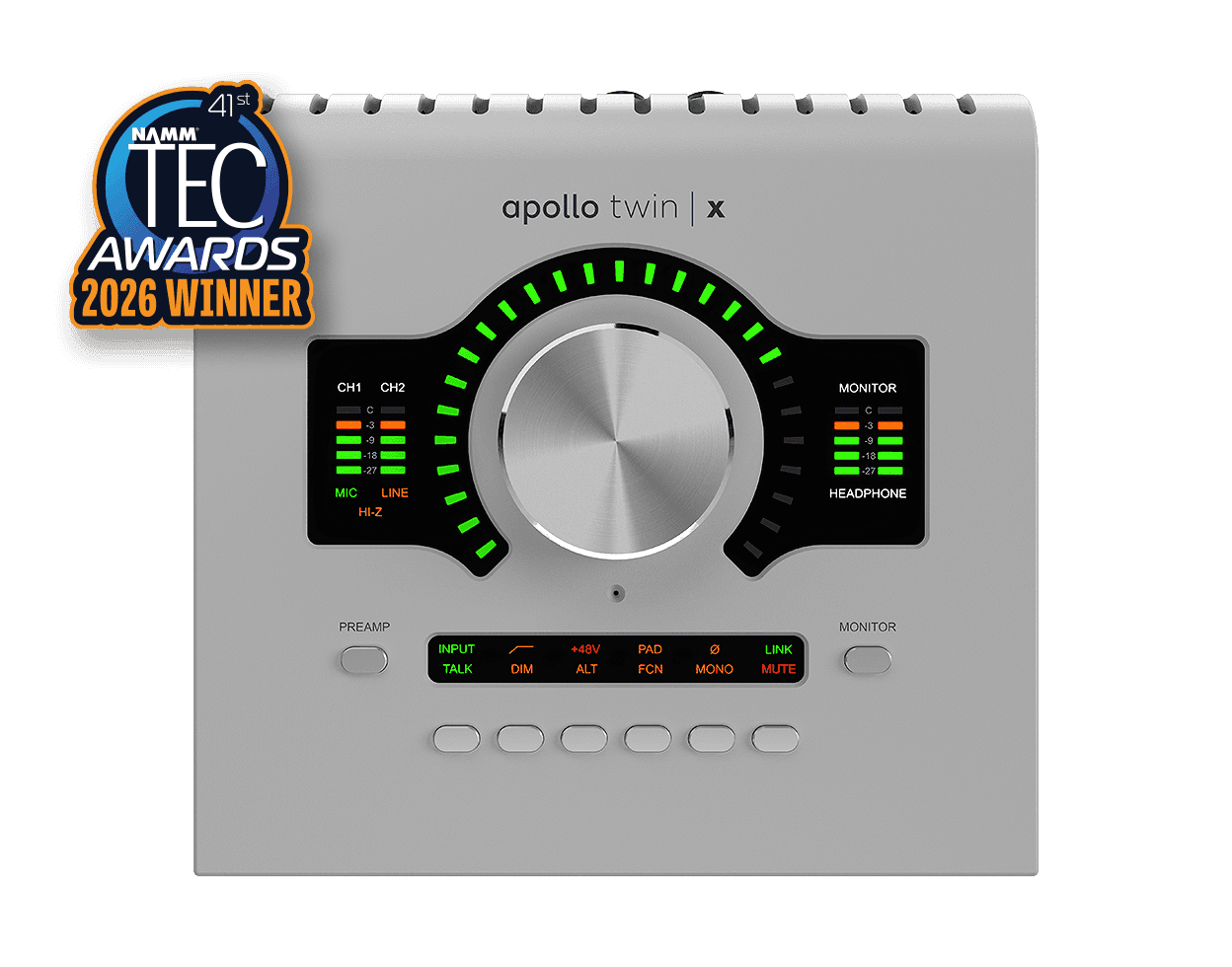
“UA's Apollo Twin X runs Unison preamp modeling on dedicated SHARC DSP, letting you track through classic Neve and API emulations with near-zero latency. The gold standard for home studio tracking.”
14% Solid
of 267 votes
Top-rated audio interfaces for home studios, portable recording, and professional production — ranked by preamp quality, latency, and value.

“UA's Apollo Twin X runs Unison preamp modeling on dedicated SHARC DSP, letting you track through classic Neve and API emulations with near-zero latency. The gold standard for home studio tracking.”
14% Solid
of 267 votes

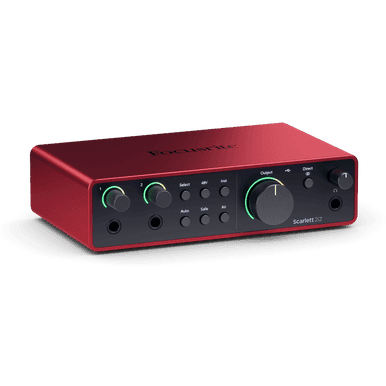
“The world's best-selling audio interface keeps getting better. The 4th Gen Scarlett 2i2 adds Air mode for open, airy vocals and delivers class-leading 120dB dynamic range at an unbeatable price.”
15% Strong
of 267 votes

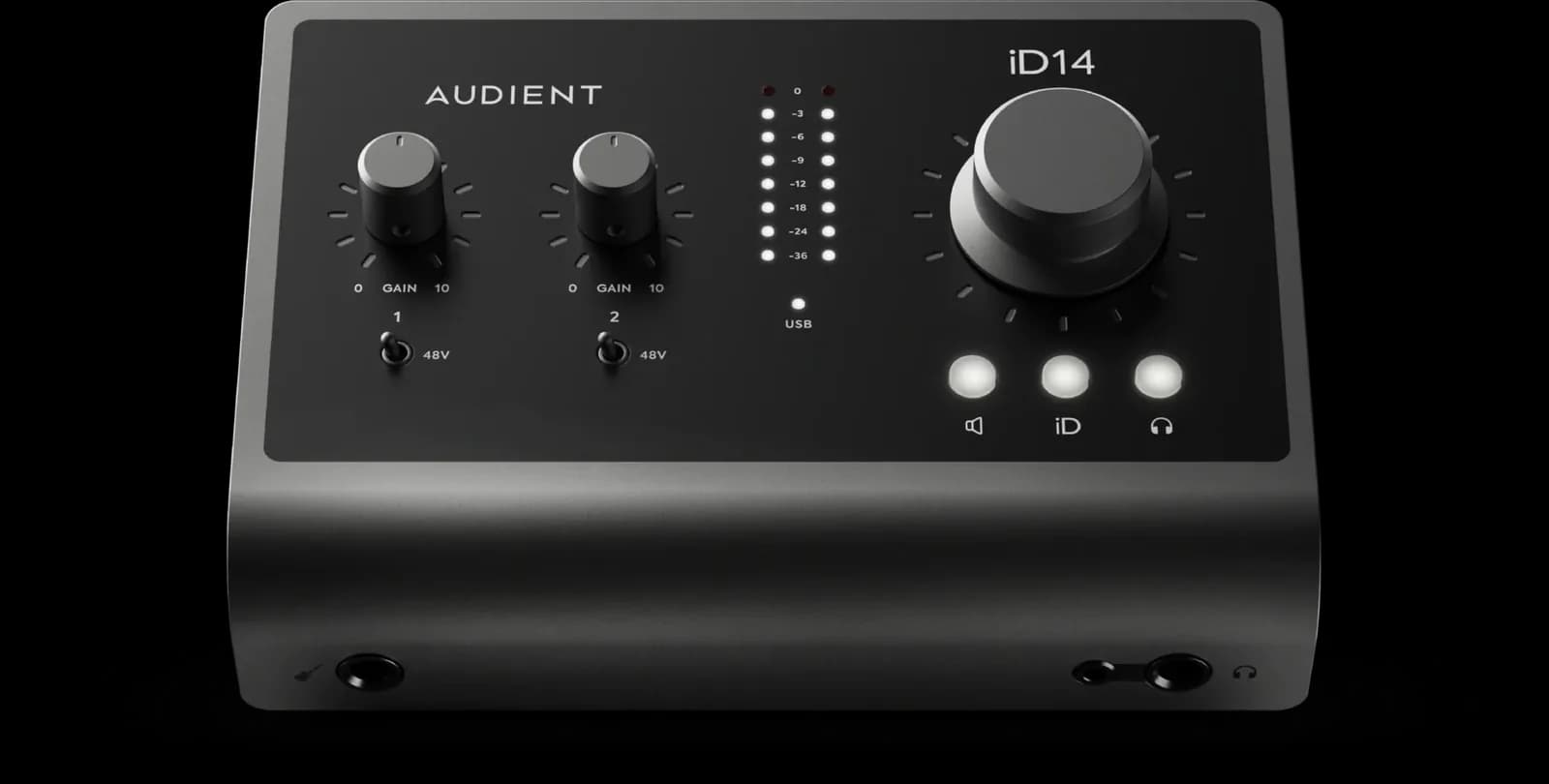
“Audient's console-grade preamps deliver a rich, open sound that punches above the iD14's price class. The scroll-wheel monitor controller and JFET DI input make it a joy to use daily.”
12% Solid
of 267 votes

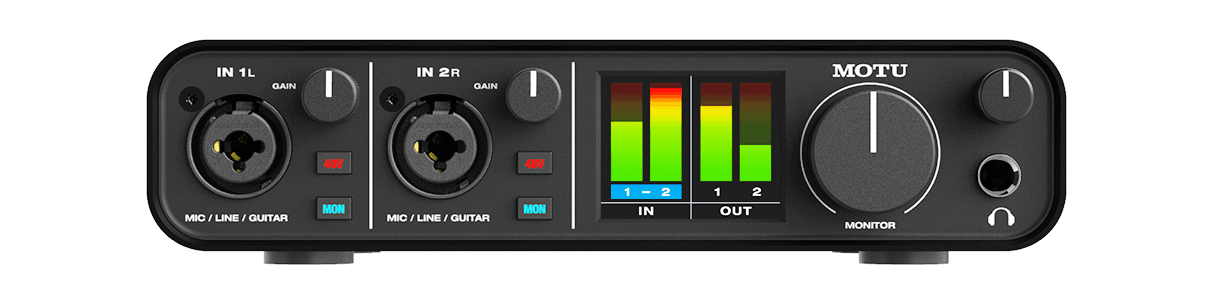
“MOTU's ESS Sabre DAC delivers reference-grade monitoring quality, and the full-color LCD metering lets you confirm levels at a glance. Exceptional driver stability across macOS and Windows.”
11% Solid
of 267 votes

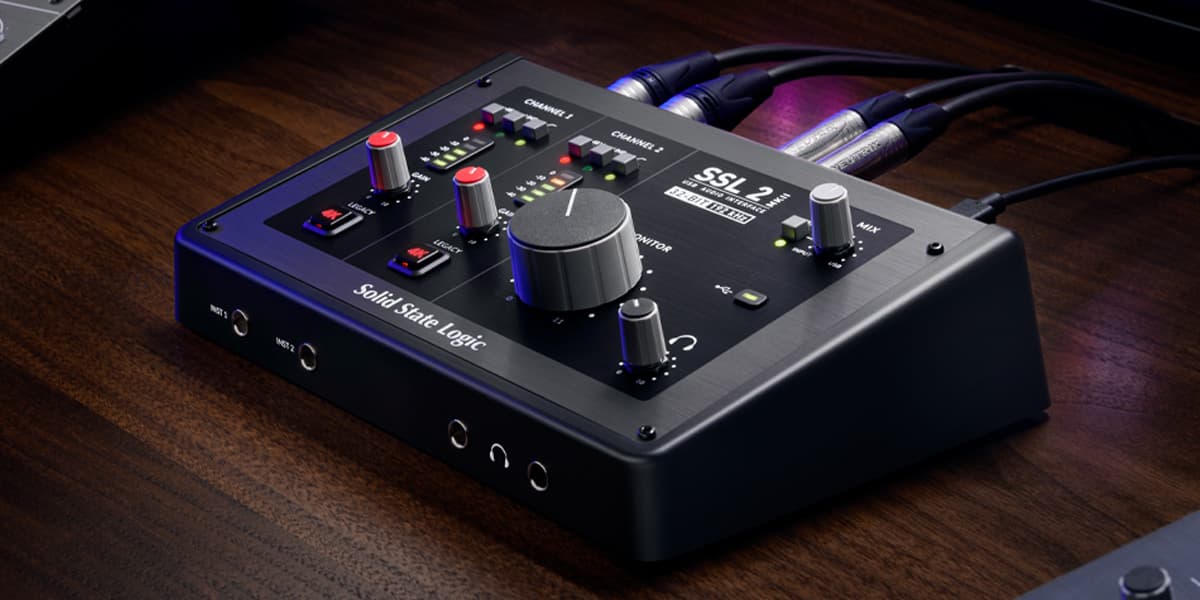
“Solid State Logic brings decades of large-format console design to a desktop interface. The Legacy 4K button adds SSL's signature high-end sheen and low-end punch to any source.”
10% Solid
of 267 votes

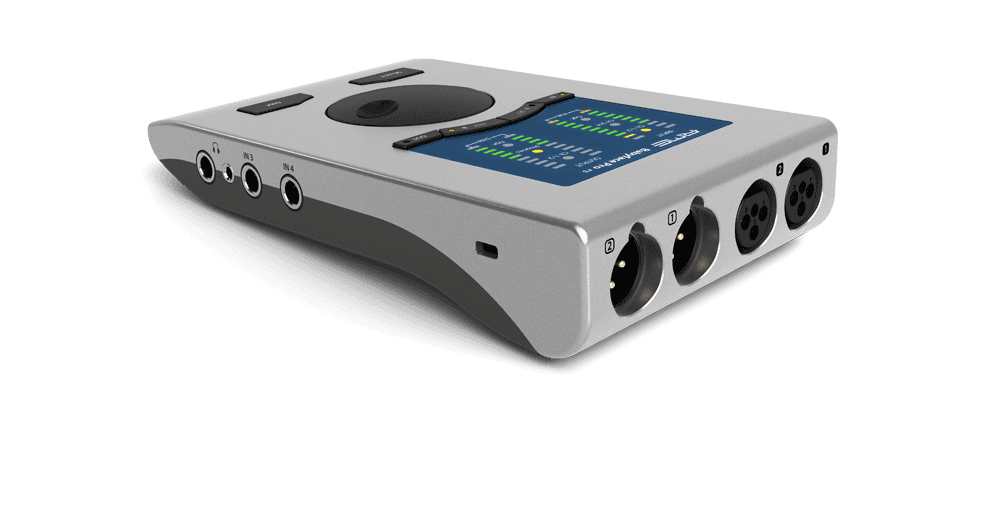
“RME's TotalMix FX software routing and rock-solid drivers make the Babyface Pro FS the choice for professionals who need zero-compromise reliability on stage and in the studio.”
9% Solid
of 267 votes

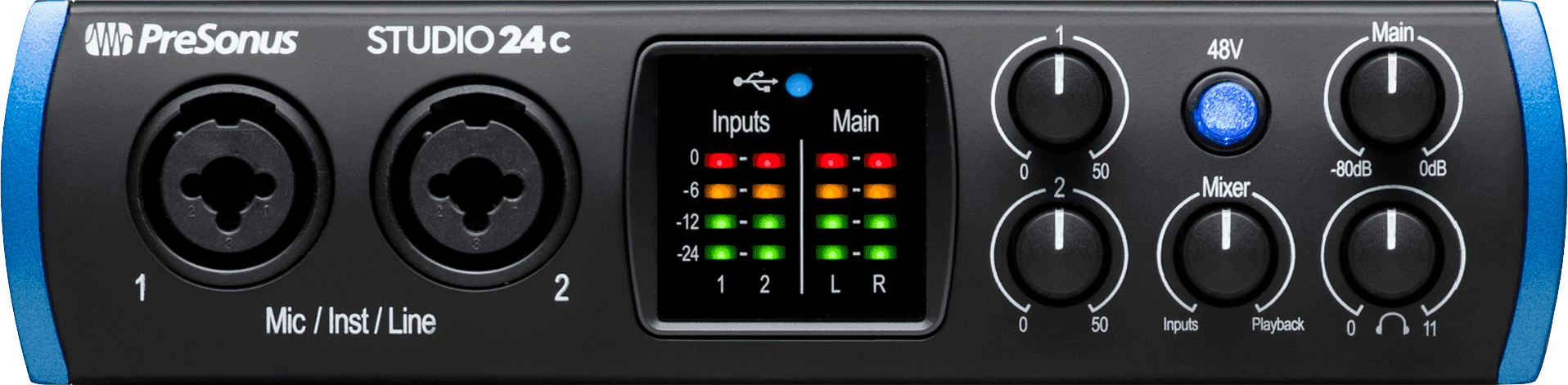
“The Studio 24c bundles PreSonus's Studio One Artist DAW and a generous plugin suite, giving first-time producers everything they need to start recording for well under $200.”
8% Solid
of 267 votes

“Arturia's MiniFuse 2 is barely larger than a smartphone, yet its preamps and converters rival interfaces twice the price. USB-C bus-powered design makes it the ideal portable recording companion.”
7% Niche
of 267 votes

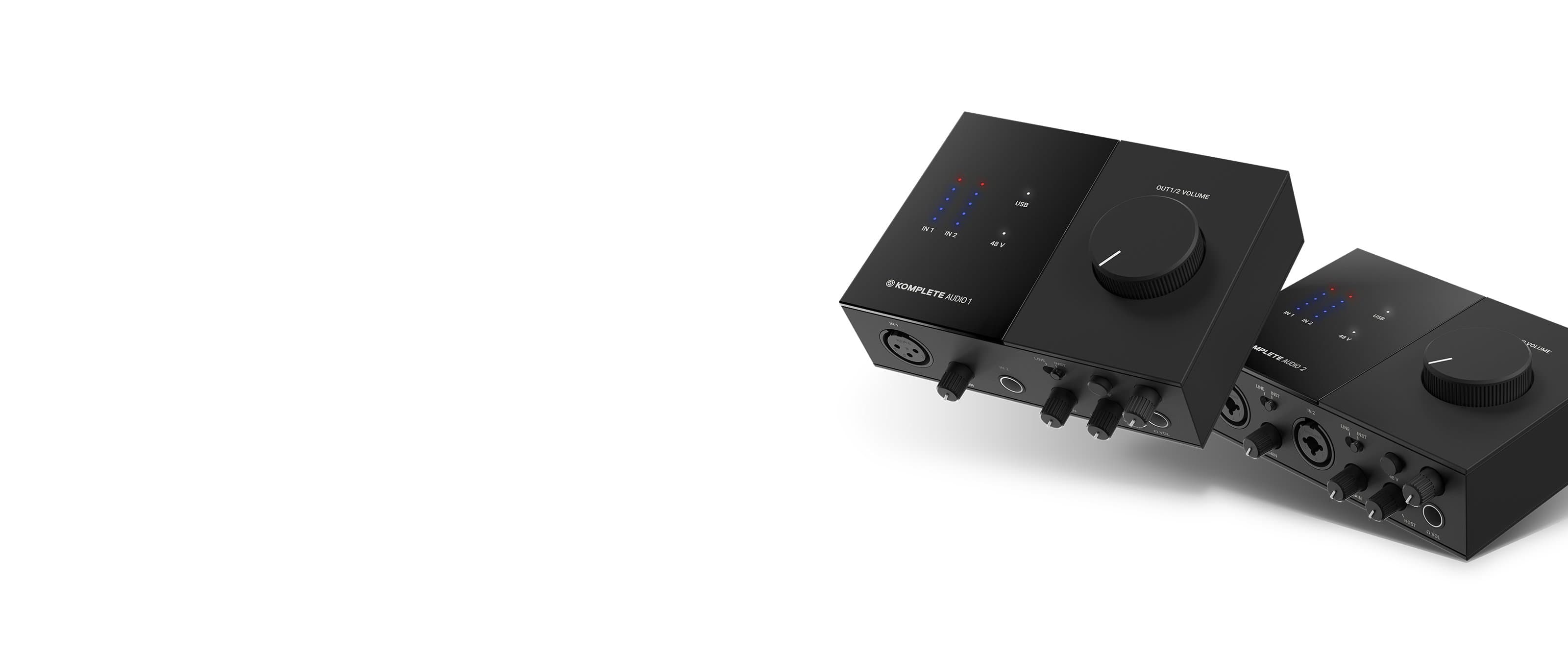
“Bundled with a massive selection of NI instruments and effects, the Komplete Audio 2 offers unmatched software value for electronic music producers on a budget.”
7% Niche
of 267 votes

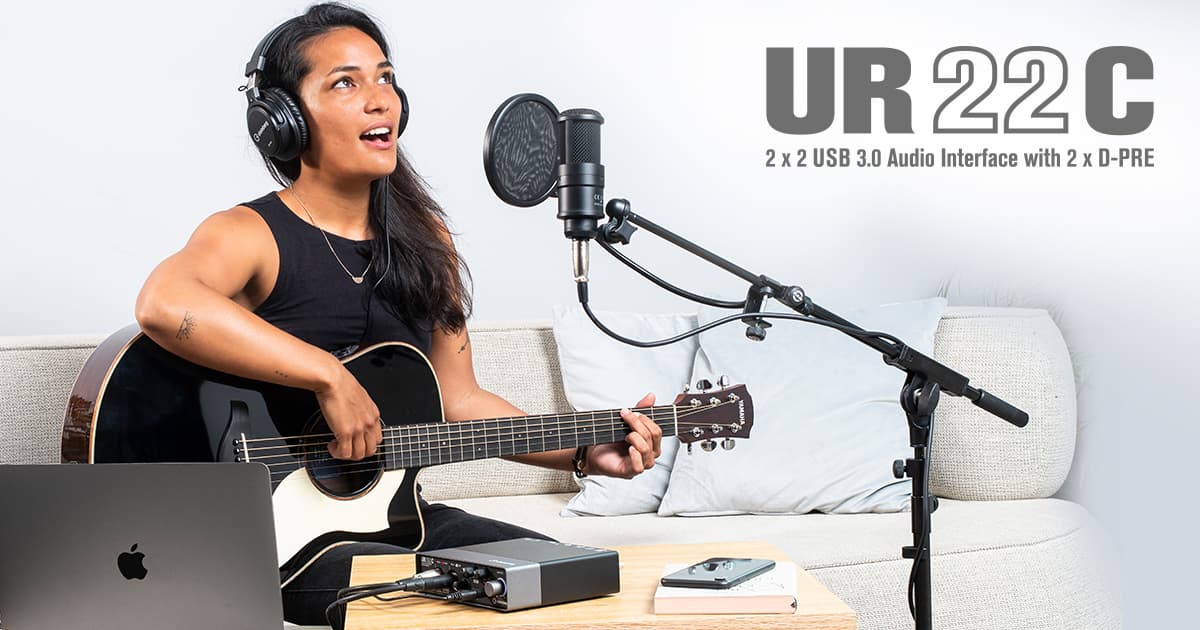
“Yamaha-designed D-PRE preamps and 32-bit/192kHz conversion give the UR22C a smooth, musical character. Tight integration with Cubase makes it a natural choice for Steinberg DAW users.”
6% Niche
of 267 votes
The Universal Audio Apollo Twin X tops Gavler's community ranking with a 9.7 score and 36 votes. The defining feature is Unison preamp modeling, which uses dedicated SHARC DSP to run real-time emulations of Neve, API, and Avalon preamp circuits with near-zero latency — Unison changes the actual impedance and gain staging of the input circuit so the microphone responds the way it would on the original analog hardware. Sweetwater's editorial describes the Twin X's updated AD/DA conversion as an incredibly smooth signal path with 127 dB dynamic range, and Higher Hz called it well worth the money. The honest caveat: at $1,099 it is the most expensive interface on this list, and the UAD plugin ecosystem that justifies the Unison architecture is sold separately. For producers who want to track through vintage analog character at the source and stop the upgrade cycle, the Apollo Twin X is the right answer. For everyone else, the Focusrite Scarlett 2i2 4th Gen at $189 covers 80 percent of the practical use cases.
The Focusrite Scarlett 2i2 4th Gen at $189 is the consensus answer. Sound On Sound's review highlighted the 116 dB dynamic range on the mic inputs and 120 dB on the line outs as a meaningful upgrade over the third generation, and the new Auto Gain plus Clip Safe features make level setting genuinely beginner-proof. The Air mode now cycles through three positions (off, Air Presence, Air Presence and Drive) and adds a broad high-shelving boost in the analog domain that immediately flatters vocals. The MOTU M2 at $199 is the alternative — its ESS Sabre ES9018 DAC delivers measurably cleaner monitoring than anything else at this price, and MOTU's driver stability is legendary. Pick the Scarlett if you prioritize preamp character and the most polished software bundle. Pick the M2 if you prioritize monitoring quality and DAC transparency. Both are correct answers.
These two answer different questions. The Apollo Twin X at $1,099 is a tracking interface with onboard DSP that runs Unison preamp emulations — it changes how your microphones sound at the source and provides near-zero-latency processing through UAD plugins during recording. The Scarlett 2i2 4th Gen at $189 is a clean, transparent interface with 120 dB dynamic range and Air mode for high-frequency presence. Pick the Apollo Twin X if you want analog character built into your tracking chain and plan to invest in UAD plugins over time — this is a multi-year commitment to an ecosystem. Pick the Scarlett 2i2 if you want a reliable, well-supported interface with class-leading specs at a price that does not require an ongoing software investment. The Apollo is the right call for serious home producers building a long-term studio. The Scarlett is the right call for everyone else.
Three interfaces on this list have meaningfully better preamps than the budget tier. The Audient iD14 MkII uses Class-A discrete preamps derived from Audient's ASP8024 large-format console — MusicRadar called the iD14 MkII an excellent upgrade with sonically clean and transparent preamps, and Sound On Sound emphasized the flawless sound and solid build quality. The SSL 2+ uses SuperAnalogue mic preamps that Sound On Sound described as best-in-class, and the Legacy 4K button adds genuine SSL 4000-series saturation and high-frequency boost as an analog circuit in the signal path. The RME Babyface Pro FS combines RME's clinical transparency with SteadyClock FS — RME's proprietary clocking technology that produces measurably lower jitter than competing designs — and Sound On Sound described the audio as transparent, clear, and pristine. The iD14 MkII at $249 is the value pick. The SSL 2+ at $299 is the character pick. The Babyface Pro FS at $899 is the no-compromise professional pick.
Almost certainly not. Only one interface on this list uses Thunderbolt — the Universal Audio Apollo Twin X, which requires Thunderbolt to deliver the bandwidth and low-latency performance that the Unison DSP architecture needs. Every other interface in Gavler's top ten uses USB-C, including the professional-tier RME Babyface Pro FS, and round-trip latencies on USB-C interfaces have closed the gap with Thunderbolt to within a millisecond at typical buffer settings. The MOTU M2's measured round-trip latency on USB-C is comparable to most Thunderbolt interfaces at the same buffer size. Unless you are tracking with onboard plugin processing through the Apollo's DSP, USB-C is the right answer for 95 percent of home and project studios in 2026 — and USB-C compatibility with Windows, macOS, and iPadOS is materially better than Thunderbolt's mac-leaning ecosystem.
Think a product deserves a spot on this list? Submit a formal proposal with documented specs and the community will review it.