Steinberg UR22C.
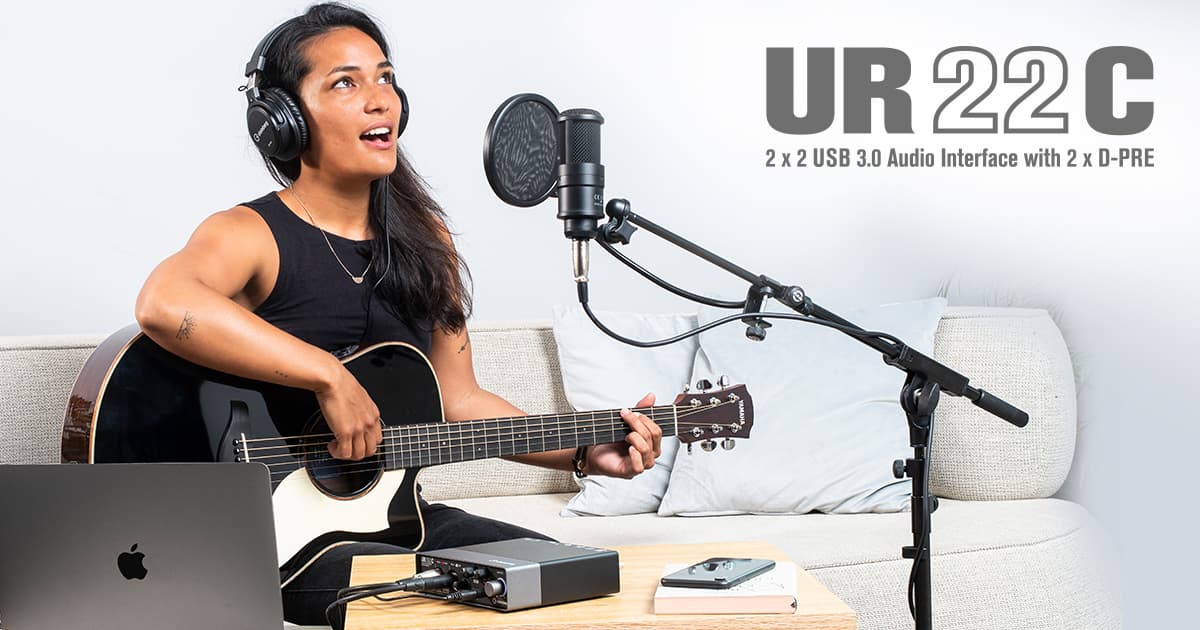
Yamaha-designed preamps and 32-bit/192kHz conversion give the UR22C a smooth character with native Cubase workflow integration.
The Verdict.
Gavler Meta-Score
“The UR22C is the interface for producers who value a warm, musical sound over clinical transparency. Yamaha's D-PRE preamps have a smoothness that flatters vocals and acoustic instruments, and the Cubase integration is the tightest of any interface/DAW pairing. If Cubase is your DAW, the UR22C is the obvious interface. If you prefer warmth over transparency, it deserves serious consideration regardless of your DAW choice.”
The Gavler Verdict
The Gavler Review.
Steinberg UR22C Review: A Warmer Alternative to Clinical Transparency
The Steinberg UR22C ranks number 10 on Gavler's Best Audio Interfaces list with an 8.2, and it's the interface for producers who've decided clinical transparency isn't actually what they want. Built around Yamaha's D-PRE microphone preamps, it leans warmer and more forgiving than most competitors at the price — ideal for vocals and acoustic instruments, less ideal if you need a perfectly neutral reference signal. MusicRadar's testing found "recording quality is transparent and clean with noise only prevalent when pushing input too much, and vocal recordings are clear with broad, detailed dynamic range."
What it is
Two Yamaha D-PRE preamps sit at the core of the UR22C, using an inverted Darlington circuit that delivers what Gavler's own data describes as "a smooth, musical quality with natural saturation characteristics at higher gain settings." That's a deliberate sonic choice, not a limitation — Yamaha's D-PRE design has a reputation across its product lines for warmth over surgical accuracy. Conversion runs at 32-bit/192kHz, though the practical benefit over 24-bit is, as Gavler's data notes, "more theoretical than audible for most production work."
The bundled Cubase AI is a genuinely capable cut of Steinberg's flagship DAW — unlimited audio and MIDI tracks, 32 VST instrument slots, and a full effects suite. dspMixFx handles zero-latency monitoring with onboard reverb, channel strip, and guitar amp processing, and for Cubase users specifically, those effects settings integrate directly into the DAW's own mixing environment rather than living in a separate utility app. USB-C connectivity, a metal chassis, and rear-panel MIDI I/O round out a compact, bus-powered package.
In use
MusicRadar's review is the most detailed independent source on the UR22C, and it consistently backs up the "warm but clean" characterization. On the guitar effects specifically: "One of the big features is that inputs needn't be transparent as you can add effects directly to audio inputs — the guitar effects are especially welcome." That's the dspMixFx system doing real work rather than sitting as a checkbox feature — reviewers found it genuinely useful in tracking sessions, not just a spec-sheet bullet point.
On overall build and consistency with the UR line's reputation: "The UR22C maintains the level of quality associated with Steinberg's UR interfaces with clean and crisp recordings, a rugged enclosure, and a very decent price." That continuity matters — Steinberg's UR series has built a track record over multiple generations, and the UR22C isn't a departure from that reputation so much as a refinement of it with USB-C and 32-bit conversion added.
Strengths
- D-PRE preamps offer a genuinely different sonic character. The warmth and natural saturation are a real alternative to the clinical transparency most competitors chase, and they flatter vocals and acoustic sources specifically.
- dspMixFx effects are integrated, not bolted on. For Cubase users, onboard reverb, channel strip, and guitar amp processing appear directly inside the DAW's mixing environment.
- Cubase AI is a real DAW, not a stripped demo. Unlimited tracks and 32 VST slots is a substantial software inclusion at $159.
- Rugged, dependable build. MusicRadar's assessment of "a rugged enclosure" and consistent UR-series quality matches the interface's reputation across generations.
The trade-offs — who should skip it
The warm voicing is a genuine trade-off, not a universal upgrade. Gavler's own scoreNote flags that "experts appreciate the D-PRE character but note the warmer voicing may not suit all genres" — if you need a reference-flat signal for mastering-adjacent work, or you're layering the UR22C's coloration on top of an already-saturated source, that warmth can become a liability rather than an asset. The tightest integration benefits are also Cubase-specific; if you're not using Steinberg's DAW, you lose the dspMixFx-in-mixer advantage and are left comparing on hardware alone, where competitors like the Arturia MiniFuse 2 are equally or more capable for less money.
How it compares
The UR22C ranks last on this list at number 10, just behind the Native Instruments Komplete Audio 2 at rank 9 — both are $139-$159 interfaces where software and workflow integration, not raw preamp specs, decide the winner. Where the NI box bets on electronic-production software, the UR22C bets on DAW-native effects processing and a warmer preamp signature. Against the Arturia MiniFuse 2 two ranks up, the comparison is more direct: similar price bracket, but the MiniFuse 2's preamps are designed to match Arturia's pricier AudioFuse line for transparency, while the UR22C deliberately colors the signal. Neither is objectively better — it depends entirely on whether you want your interface to add character or stay out of the way.
The Gavler verdict
An 8.2 for an interface that knows exactly what it is: a warm, musical alternative to the clinical-transparency crowd, with the tightest Cubase integration available in this category. Buy the UR22C if you use Cubase, or if you've decided you prefer a bit of natural saturation over surgical neutrality — it flatters vocals and acoustic instruments in a way that clean-signal interfaces don't. If you need a transparent reference signal or you're not in the Steinberg ecosystem, the case for the UR22C over its list-mates gets considerably weaker.
Common Questions
Yes, for Cubase users and anyone who prefers a warmer preamp character. It ranks tenth on Gavler's Best Audio Interfaces list with an 8.2. MusicRadar found 'recording quality is transparent and clean with noise only prevalent when pushing input too much,' and at $159 the tight Cubase AI integration adds real value for Steinberg's own DAW users.
The Yamaha D-PRE preamps use an inverted Darlington circuit that adds natural saturation at higher gain settings — Gavler's data describes it as warmer and more forgiving than 'the clinical transparency of the MOTU M2 or the Focusrite Scarlett 2i2,' which particularly flatters vocals and acoustic instruments.
No, but it helps. The bundled Cubase AI includes unlimited audio and MIDI tracks and 32 VST slots, and dspMixFx — onboard DSP for zero-latency monitoring with reverb and amp effects — integrates directly into Cubase's mixing environment. The interface works fine with any DAW, but that deep integration is Cubase-exclusive.
Where to Buy.
Prices checked regularly
90-day price history
Price History
Steady at $159 for the entire 90-day tracking window — no increases, no discounts, across 91 tracked days.
Tracked daily across retailers. Vote Want itabove and we’ll alert you the moment the price drops.
Some links are affiliate links — Gavler may earn a commission. This never affects rankings or scores. Learn more.
Precision Engineering
Yamaha D-PRE Preamps
Inverted Darlington circuit delivers a smooth, musical preamp character with natural saturation at higher gain settings.
Cubase AI Included
Capable version of Steinberg's flagship DAW with unlimited tracks, 32 VST slots, and comprehensive effects.
dspMixFx Processing
Onboard DSP provides zero-latency monitoring with reverb, channel strip, and guitar amp effects integrated into Cubase.
Technical Specifications
The Scoreboard
Cubase users rate the UR22C highly for its seamless integration. Experts appreciate the D-PRE character but note the warmer voicing may not suit all genres. Community values the 32-bit conversion and Cubase AI bundle.
Cast Your Vote
Do you think Steinberg UR22C deserves the #10 spot in Best Audio Interfaces?
Global Critique
“The recording quality is transparent and clean with noise only prevalent when pushing input too much, and vocal recordings are clear with broad, detailed dynamic range.”
“One of the big features is that inputs needn't be transparent as you can add effects directly to audio inputs — the guitar effects are especially welcome.”
“The UR22C maintains the level of quality associated with Steinberg's UR interfaces with clean and crisp recordings, a rugged enclosure, and a very decent price.”
More from Best Audio Interfaces.
See how other top picks compare in this category.
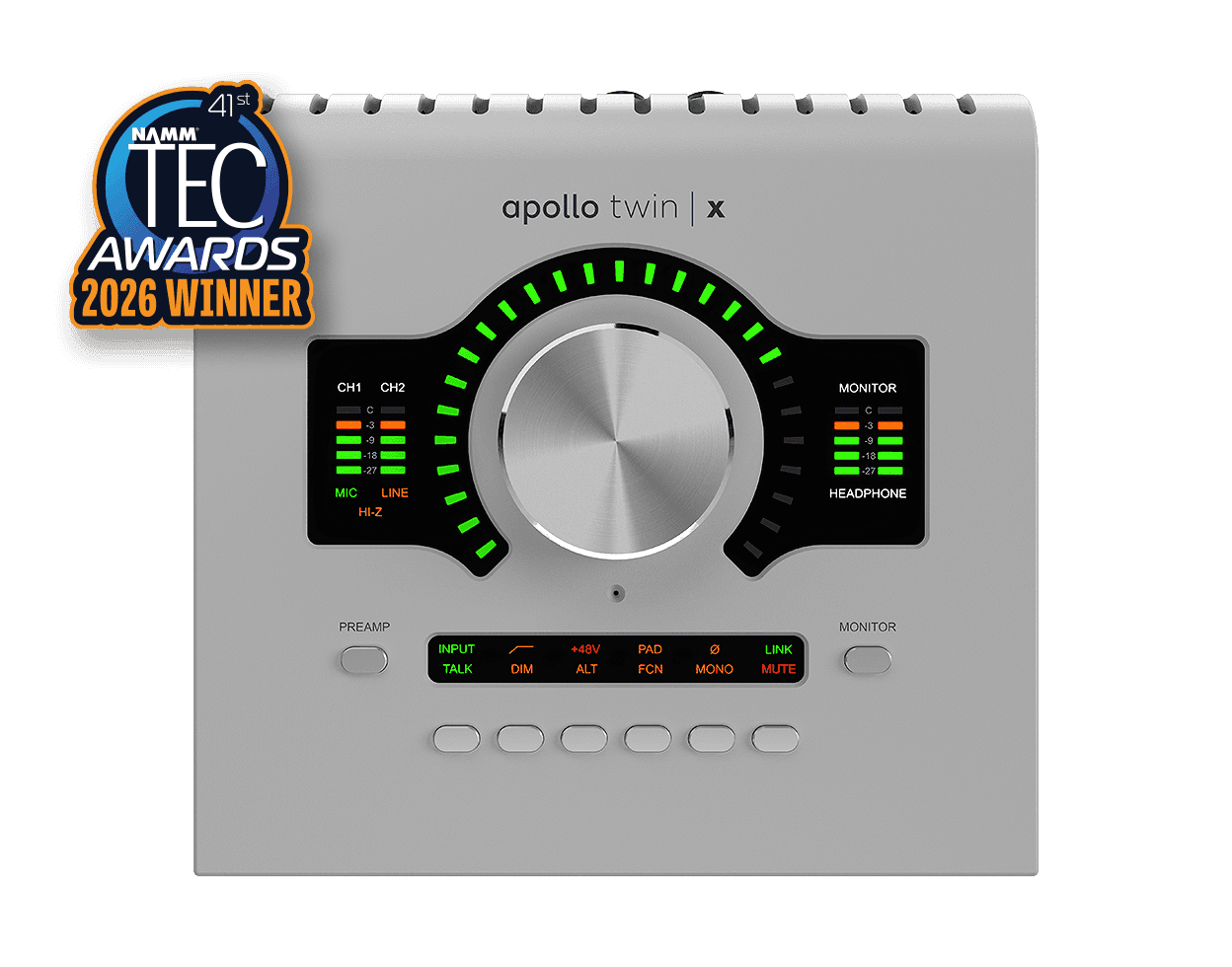
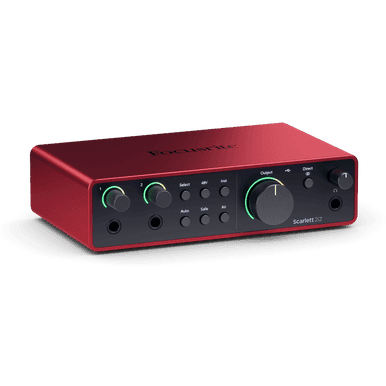
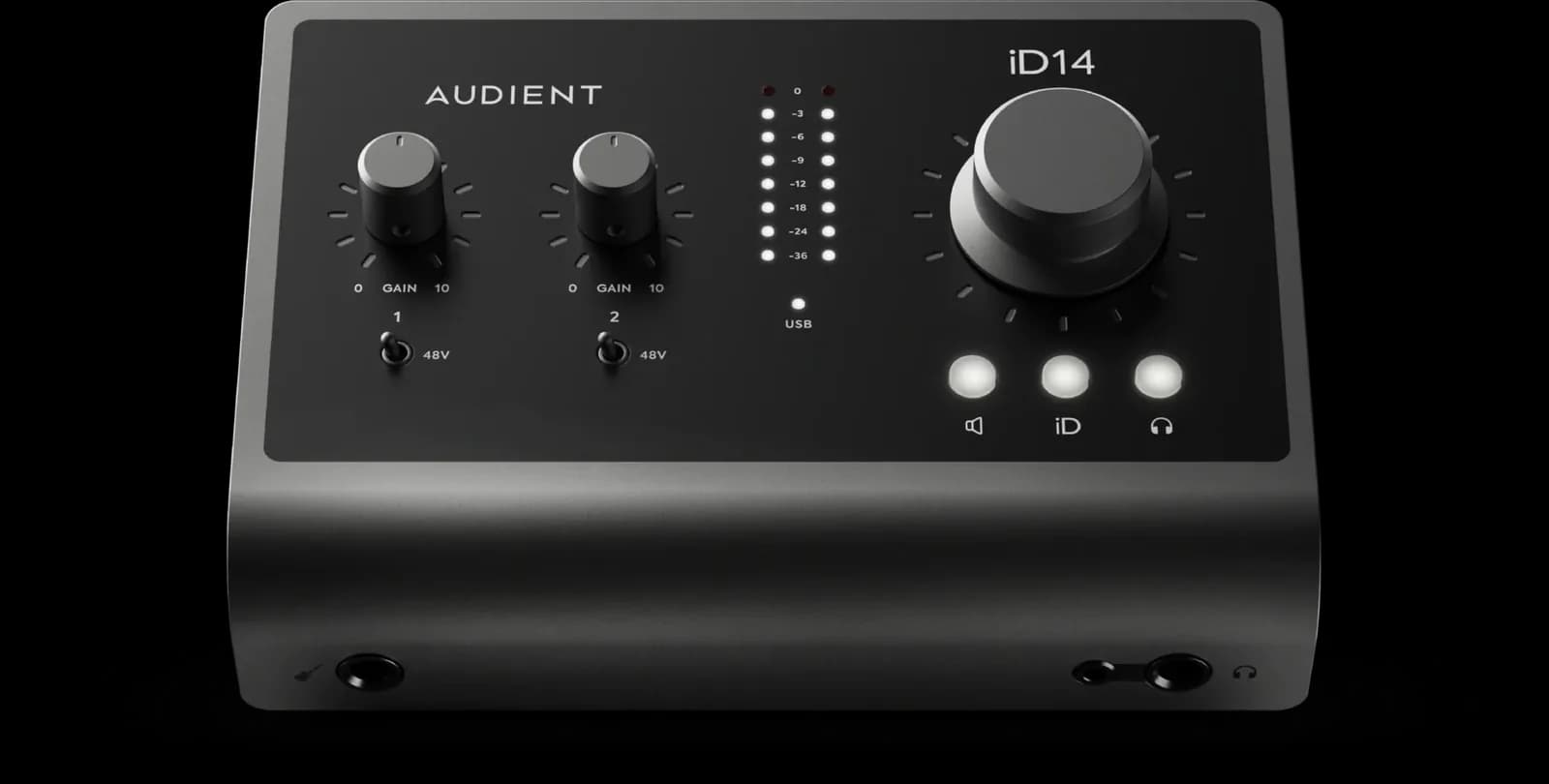
How to Choose an Audio Interface You'll Actually Use
I/O hangtags are the wrong first question. Start with 2-in USB vs more I/O, preamp class, and DSP vs clean. Then shop Gavler's live ranking.
The Best Audio Interfaces in 2026, Ranked by the Producers Who Track Through Them Every Day
Universal Audio, Focusrite, Audient, MOTU, SSL, RME. Gavler ranks the interfaces worth buying — from a $129 portable to the $1,099 standard.