Focusrite Scarlett 2i2 4th Gen.
The 4th Gen Scarlett 2i2 adds Air mode for open vocals and class-leading dynamic range at an unbeatable price.
The Verdict.
Gavler Meta-Score
“The Scarlett 2i2 remains the interface to buy when you want zero risk. A decade of refinement has produced the most reliable, best-supported, and best-sounding entry-level interface available. Air mode adds genuine character to vocals, 120dB dynamic range matches far more expensive competitors, and the driver stability is unmatched. The safe choice is also the smart choice.”
The Gavler Verdict
The Gavler Review.
Focusrite Scarlett 2i2 4th Gen Review: The Safe Choice Is Still the Smart Choice
The Focusrite Scarlett 2i2 4th Gen sits at number two on our Best Audio Interfaces list with a 9.5, and it holds that spot the way it always has: by being the interface with the fewest ways to go wrong. This is the world's best-selling audio interface for a reason — over a decade of refinement has produced the most reliable, best-supported entry point into real recording, and the 4th generation adds genuine substance on top of that reputation. Buy it if you want a proven, affordable interface with driver stability that just works, session after session. If you specifically need vintage preamp emulation and dedicated tracking DSP, the Universal Audio Apollo Twin X at rank one is the deliberate step up. For nearly every vocalist, podcaster, and beginning producer, the Scarlett 2i2 is the correct first purchase.
What it actually is
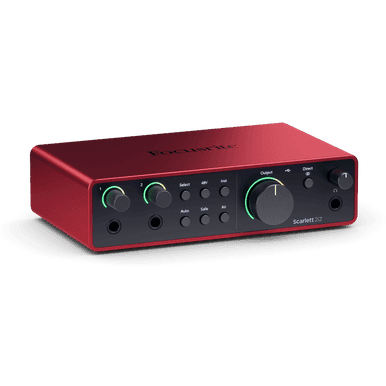
The 4th Gen Scarlett 2i2 is a two-input, USB-C audio interface, and the headline addition over previous generations is Air mode — a switchable circuit that opens up the preamps' high-frequency response, adding an airy presence that mimics the character of Focusrite's classic ISA transformer-based preamps. It's a subtle effect on paper but an immediately audible one on vocals, adding clarity and sparkle without harshness.
The bigger technical story is the converter upgrade: this generation achieves 120dB of dynamic range, a specification that was exclusive to interfaces well over $500 just a few years ago. The two preamps offer 57dB of gain with auto-gain functionality that analyzes your source and sets levels automatically — removing one of the most common mistakes new users make. The iconic red aluminum chassis carries a gain-halo indicator around each input that shifts from green to amber to red as levels rise, and USB-C connectivity provides bus power with reliable low-latency performance. At $189, Focusrite also bundles Ableton Live Lite, a Focusrite plugin suite, and several months of selected subscription services.
In use
The independent measurements back up Focusrite's own claims. Sound On Sound's review of the 4th generation lineup found "improved A-D and D-A converters, with dynamic range of 116 dB for mic inputs and 115 dB for line inputs, while the line outs deliver 120 dB," and noted that "the Air button now cycles through three modes: off, Air Presence, and Air Presence & Drive" — giving users finer control over how much of that vintage-preamp character to dial in than previous generations offered.
Higher Hz's assessment frames the generational jump in practical terms: "a huge upgrade in performance and versatility over its predecessor, with higher dynamic range, wider gain range, and new features such as Auto Gain and Clip Safe." The Auto Gain feature is worth dwelling on specifically, because it solves a real beginner problem — setting levels correctly before recording. Sound On Sound tested it directly and found "the Auto Gain feature works very well and is set and forget, though engaging Clip Safe allows it to continually monitor input signals and automatically adjust gain if clipping is detected." For a first-time user, that's the difference between a session lost to clipped audio and one that just works.
Where it shines
- Air mode adds real, usable character. It's not a gimmick — the high-frequency lift genuinely flatters vocals and acoustic instruments, and the three-mode control in the 4th Gen gives finer adjustment than a simple on/off switch.
- 120dB dynamic range at this price is a genuine leap. Converter quality that used to require a $500+ interface is now standard at $189, meaning cleaner recordings with a lower noise floor and more usable headroom.
- Driver stability that's actually class-leading. Focusrite's Mac and Windows drivers are consistently cited as among the most reliable in the industry — an unglamorous but critical trait for anyone who doesn't want to troubleshoot audio dropouts mid-session.
The trade-offs — who should skip it
This is the safe, proven choice, and its limitations are specific rather than a sign of a bad product:
- Only two inputs. The Scarlett 2i2 is built for solo vocalists, podcasters, and instrumentalists tracking one or two sources. Anyone recording full bands or needing more simultaneous channels should look at Focusrite's own 4i4 or 18i8, or step up entirely.
- No Unison-style preamp modeling. Air mode adds character, but it isn't the same category of technology as the Apollo Twin X's real-time vintage preamp emulation. If that specific capability is the goal, the Scarlett 2i2 won't get you there.
- The preamps are good, not exceptional. They're clean and reliable, but engineers chasing console-grade preamp character — the kind Audient's Class-A design delivers — will find the Scarlett's preamps competent rather than special.
How it compares
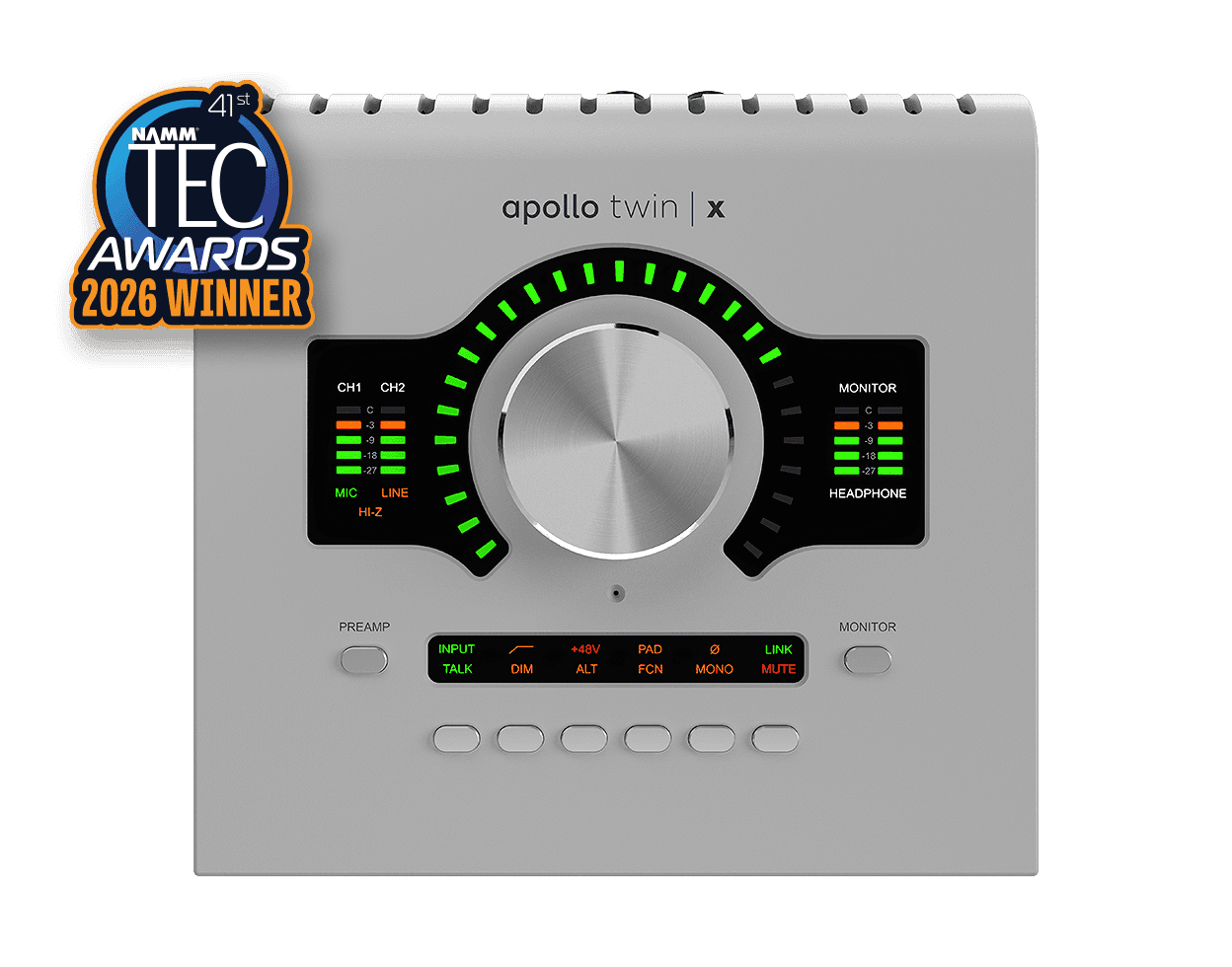
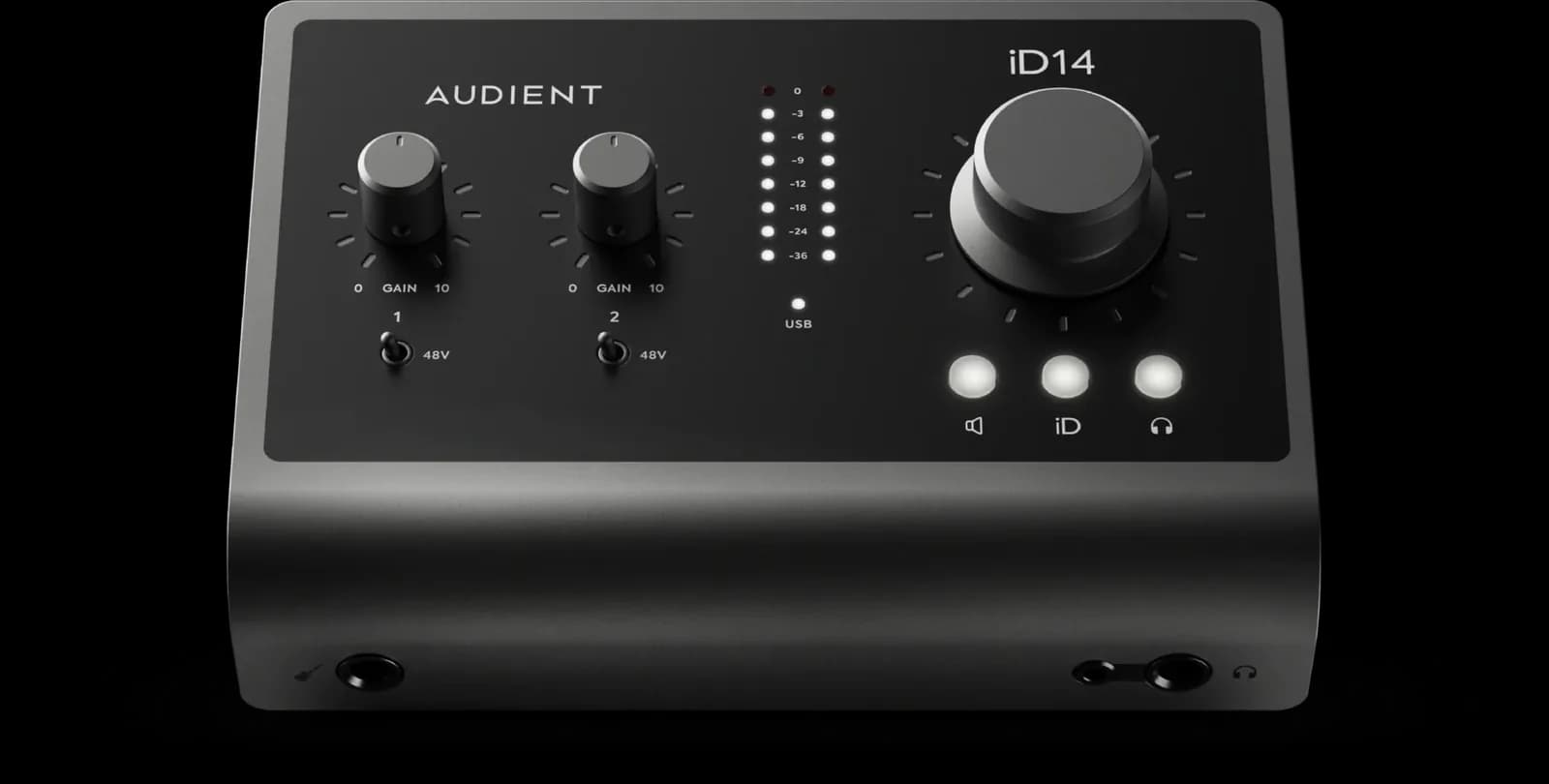
Within its own list, the Scarlett 2i2 sits directly below the Universal Audio Apollo Twin X, which costs nearly six times as much but adds Unison preamp modeling and dedicated tracking DSP — the pick for producers who've outgrown a beginner setup and want an interface built to last a career. Below the Scarlett 2i2 at rank three sits the Audient iD14 MkII, which costs $60 more but delivers console-grade Class-A preamps inherited from Audient's large-format mixing desks — a meaningful step up in preamp character for engineers willing to spend a bit more.
The Scarlett 2i2's case has never been that it's the most advanced interface on the list — it isn't — it's that it's the interface with the least risk of disappointing anyone, at a price that doesn't require a second thought.
The Gavler verdict
A 9.5, reflecting the fact that this is the most-recommended audio interface by both experts and the community, with the only real criticism being the two-input ceiling that simply doesn't apply to most buyers. The Focusrite Scarlett 2i2 4th Gen remains the default first interface for a reason: it's reliable, it sounds good, Air mode adds real character, and the driver stability means you'll spend your time recording instead of troubleshooting. Buy it without hesitation if you're starting out or need a dependable two-input interface; step up to the Apollo Twin X only once you know specifically why you need Unison modeling. For everyone else, the safe choice really is the smart one.
Common Questions
Yes, for the vast majority of people who need a first proper audio interface. It ranks second on Gavler's Best Audio Interfaces list with a 9.5, and at 189 dollars it delivers 120dB of dynamic range and driver stability that competitors twice the price still struggle to match. The only real limitation is the two-input count — anyone who needs to record more than two sources at once will need a bigger interface.
Air mode is a switchable circuit that opens up the high-frequency response of the preamps, adding presence and clarity that echoes the character of Focusrite's classic ISA transformer-based preamps. On vocals and acoustic instruments, the effect is subtle but immediately flattering — added sparkle and clarity without harshness. The 4th Gen cycles through three states: off, Air Presence, and Air Presence & Drive.
Buy the Scarlett 2i2 if you're building your first home studio or need a reliable interface without a big investment — at 189 dollars it's the risk-free choice. Buy the Apollo Twin X if you specifically want Unison preamp modeling and dedicated DSP for tracking through vintage preamp emulations, and you're ready to invest 1,099 dollars plus ongoing plugin costs. For most beginning and intermediate producers, the Scarlett 2i2 is more interface than they'll outgrow for years.
Yes — Focusrite's driver stability across both platforms is widely regarded as class-leading, and it's one of the interface's most consistently praised traits among both experts and everyday users. That reliability is a meaningful part of why the Scarlett line has been the best-selling audio interface for over a decade: it just works, session after session, without the driver troubleshooting that plagues some competitors.
Where to Buy.
Prices checked regularly
90-day price history
Price History
Steady at $189 for the entire 90-day tracking window — no increases, no discounts, across 91 tracked days.
Tracked daily across retailers. Vote Want itabove and we’ll alert you the moment the price drops.
Some links are affiliate links — Gavler may earn a commission. This never affects rankings or scores. Learn more.
Precision Engineering
Air Mode
Switchable circuit adds high-frequency presence inspired by Focusrite's classic ISA preamps — instant vocal polish.
120dB Dynamic Range
Class-leading converter quality delivers clean recordings with low noise floor and ample headroom.
Auto-Gain
Automatic level setting analyzes your source and sets optimal gain — eliminating the most common beginner mistake.
Technical Specifications
The Scoreboard
The most-recommended audio interface by both experts and community members. The only criticism is the limited 2-input count — users needing more inputs must step up to the 4i4 or 18i8.
Cast Your Vote
Do you think Focusrite Scarlett 2i2 4th Gen deserves the #2 spot in Best Audio Interfaces?
Global Critique
“The fourth-generation Scarlett 2i2 features improved A-D and D-A converters, with dynamic range of 116 dB for mic inputs and 115 dB for line inputs, while the line outs deliver 120 dB. The Air button now cycles through three modes: off, Air Presence, and Air Presence & Drive.”
“A huge upgrade in performance and versatility over its predecessor, with higher dynamic range, wider gain range, and new features such as Auto Gain and Clip Safe.”
“The Auto Gain feature works very well and is set and forget, though engaging Clip Safe allows it to continually monitor input signals and automatically adjust gain if clipping is detected.”
More from Best Audio Interfaces.
See how other top picks compare in this category.
How to Choose an Audio Interface You'll Actually Use
I/O hangtags are the wrong first question. Start with 2-in USB vs more I/O, preamp class, and DSP vs clean. Then shop Gavler's live ranking.
The Best Audio Interfaces in 2026, Ranked by the Producers Who Track Through Them Every Day
Universal Audio, Focusrite, Audient, MOTU, SSL, RME. Gavler ranks the interfaces worth buying — from a $129 portable to the $1,099 standard.