MOTU M2.
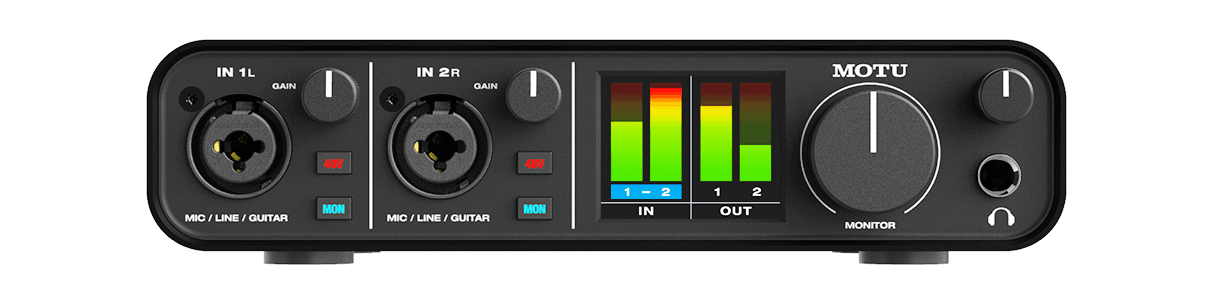
MOTU's ESS Sabre DAC delivers reference-grade monitoring quality with real-time LCD metering for visual level confirmation.
The Verdict.
Gavler Meta-Score
“The M2 is the monitoring champion at its price. The ESS Sabre DAC delivers a transparency and detail that transforms how you hear your mixes, and MOTU's legendary driver stability means you will never fight with your interface during a session. The LCD metering is a practical bonus. For producers who listen critically, the M2 is essential.”
The Gavler Verdict
The Gavler Review.
MOTU M2 Review: The $199 Interface With a DAC That Punches Way Above Its Price
The MOTU M2 ranks number 4 on Gavler's Best Audio Interfaces list with a 9.2, and it holds that spot almost entirely on the back of one component: an ESS Sabre ES9018 DAC that has no business being in a $199 box. This interface is for producers and mixers who spend more time listening critically than tracking with colored preamps — the kind of user who cares more about hearing an accurate mix than adding vintage-console warmth at the input stage. The trade-off is that the preamps, while clean and quiet, are genuinely transparent rather than characterful, which is either exactly what you want or a reason to look elsewhere. Sound On Sound summed up the whole unit bluntly: MOTU "haven't just dropped a pair of decent audio interfaces into this entry-level market, they've raised the bar by quite some distance."
What it is
The M2 is a 2-in/2-out USB-C audio interface built around a converter chip normally found in equipment costing many times its price. ESS Technology's Sabre DAC line shows up in high-end audiophile DACs and headphone amps well north of $1,000; MOTU dropped the ES9018 variant into a $199 box aimed at home producers and podcasters. The two microphone preamps offer clean, low-noise gain — Sound On Sound's testing found "bags of headroom on these devices whether you are plugging in dynamic or condenser mics or guitars with active pickups" — and a full-color LCD display on the front panel gives real-time input and output metering with peak hold, a feature that's genuinely rare at this price. A loopback function routes the computer's own audio output back in as a virtual input, which makes podcast recording with remote guests or multi-source streaming possible without extra software.
In use
The defining experience of the M2 is what happens when you actually monitor through it. The ESS Sabre DAC produces a measurably cleaner, more transparent signal than competing interfaces near $200, and that transparency is the entire pitch — you hear details in your mix that lesser converters mask. Sound On Sound's technical breakdown confirmed the pedigree: "the converter technology is the same ESS Sabre32 Ultra DAC that's found in many of MOTU's more high-end audio interfaces and extends to the headphones as well as the main outputs." That last part matters in daily use — the headphone output benefits from the same conversion quality as the main monitors, so critical listening decisions don't degrade just because you're wearing cans instead of sitting between speakers.
Driver stability, MOTU's other calling card, shows up less as a headline feature and more as an absence of problems — you don't notice good drivers, you notice bad ones, and reviewers consistently report the M2 just works across macOS and Windows at sample rates up to 192kHz without the dropout or latency fights that plague cheaper interfaces. Higher Hz's Brandon Schock, who tested the M2 directly against the Scarlett 2i2, Volt 2, and Audient iD4 Mk2, singled out a control-layout detail competitors miss: "the inputs are both TRS/XLR combo, and are each equipped with separate 48 V phantom power and direct monitoring switches. To my knowledge, there aren't any other units that have these two features set independently on each channel." That's a small thing until you're tracking two very different sources at once and don't want phantom power bleeding onto a source that doesn't need it.
Strengths
The DAC is the headline, but the preamps deserve credit on their own terms. Higher Hz measured a 60 dB gain range on the M2's preamps, which the review called "well beyond what's standard for units in this price bracket" — useful headroom whether you're tracking a whisper-quiet vocal or a hot guitar DI. The LCD metering is a genuinely practical, not just cosmetic, addition: Schock's review noted it eliminates the need to "switch to your DAW to confirm levels during recording," which matters more than it sounds like during a fast-moving session. Build quality holds up too — the chassis is wrapped in hard metal and "feels rather weighty" according to Higher Hz's hands-on testing, a contrast to the plastic feel of some budget competitors.
The trade-offs — who should skip it
Skip the M2 if you want your interface to add color at the source rather than stay out of the way. The preamps are clean, quiet, and honest — but they will not give a vocal the sheen an SSL Legacy 4K circuit or a Neve-style Unison emulation can add before it ever hits your DAW. If you'd rather shape tone in the box afterward with plugins, that transparency is a feature. If you want analog character baked in during tracking, it's a limitation. There are also small real-world annoyances: Higher Hz flagged that the M2 "doesn't have level numbers on the side" of its metering display, and that it ships without a USB-C cable in the box — a minor omission but an unnecessary one at $199.
How it compares
Against the SSL 2+, the choice comes down to whether you want your recordings to carry a signature sound. The SSL's Legacy 4K button is "an actual analog circuit in the signal path," per Gavler's verified data, delivering real console character that the M2 deliberately avoids. The SSL 2+ costs $100 more and includes MIDI I/O and a stronger software bundle, but if what you want is monitoring accuracy rather than tracking color, the M2's DAC is the better tool for the job. Against the Focusrite Scarlett 2i2 4th Gen, the safest choice in the category, Higher Hz's direct comparison found the M2 has "slightly better DAC and better preamps," but conceded the practical difference will be "incredibly subtle to the beginner." The Scarlett wins on ecosystem size and driver-support history; the M2 wins if reference monitoring quality is the deciding factor.
The Gavler verdict
At $199, the MOTU M2 justifies its 9.2 almost entirely through its ESS Sabre DAC and MOTU's decades of driver reliability — this is the interface for producers who prioritize hearing their mixes accurately over adding character at the input. It is not the interface for anyone chasing vintage preamp warmth, and the SSL 2+ or Audient iD14 MkII will serve that need better. But for critical monitoring at this price, nothing else comes close.
Common Questions
Yes, especially if critical monitoring matters more to you than preamp character. It ranks number 4 on Gavler's Best Audio Interfaces list at a 9.2, and Sound On Sound found MOTU 'raised the bar by quite some distance' at this price, praising the headroom and quiet performance on everything from dynamic mics to active-pickup guitars.
The preamps are clean but not characterful — Gavler's scoreNote points out they 'lack the character of the Audient iD14 MkII or SSL 2+.' Higher Hz's independent review agreed the M2 is one of the best interfaces under $200 but flagged a small annoyance: it 'doesn't have level numbers on the side' of its metering, and doesn't ship with a USB-C cable in the box.
Higher Hz's side-by-side found the M2 has 'slightly better DAC and better preamps,' but called the difference subtle for beginners since 'the output quality is more or less equal between the two.' Pick the M2 if reference-grade monitoring for your headphones and speakers is the priority; pick the Scarlett 2i2 if you want Focusrite's Air mode character and the largest support ecosystem in the category.
Where to Buy.
Prices checked regularly
90-day price history
Price History
Steady at $199 for the entire 90-day tracking window — no increases, no discounts, across 91 tracked days.
Tracked daily across retailers. Vote Want itabove and we’ll alert you the moment the price drops.
Some links are affiliate links — Gavler may earn a commission. This never affects rankings or scores. Learn more.
Precision Engineering
ESS Sabre DAC
The same ES9018 DAC found in high-end audiophile equipment delivers reference-grade monitoring transparency at $199.
Full-Color LCD Metering
Real-time input and output metering with peak hold — large enough to read at arm's length and responsive enough for transients.
Loopback Recording
Routes computer audio back into the interface as a virtual input for podcast recording with remote guests and multi-source streaming.
Technical Specifications
The Scoreboard
Both experts and community highlight the monitoring quality as the M2's defining feature. Some note the preamps, while clean, lack the character of the Audient iD14 MkII or SSL 2+.
Cast Your Vote
Do you think MOTU M2 deserves the #4 spot in Best Audio Interfaces?
Global Critique
“MOTU haven't just dropped a pair of decent audio interfaces into this entry-level market, they've raised the bar by quite some distance, with bags of headroom on these devices whether you are plugging in dynamic or condenser mics or guitars with active pickups, and in all cases when monitoring or recording they're very quiet and the quality is superb.”
“The converter technology is the same ESS Sabre32 Ultra DAC that's found in many of MOTU's more high-end audio interfaces and extends to the headphones as well as the main outputs.”
“The M2 and M4 promise best-in-class performance — MOTU has long been a major player in the high-end audio interface market, but with these models is offering two much more affordable 2-in/2-out and 4-in/4-out devices.”
More from Best Audio Interfaces.
See how other top picks compare in this category.
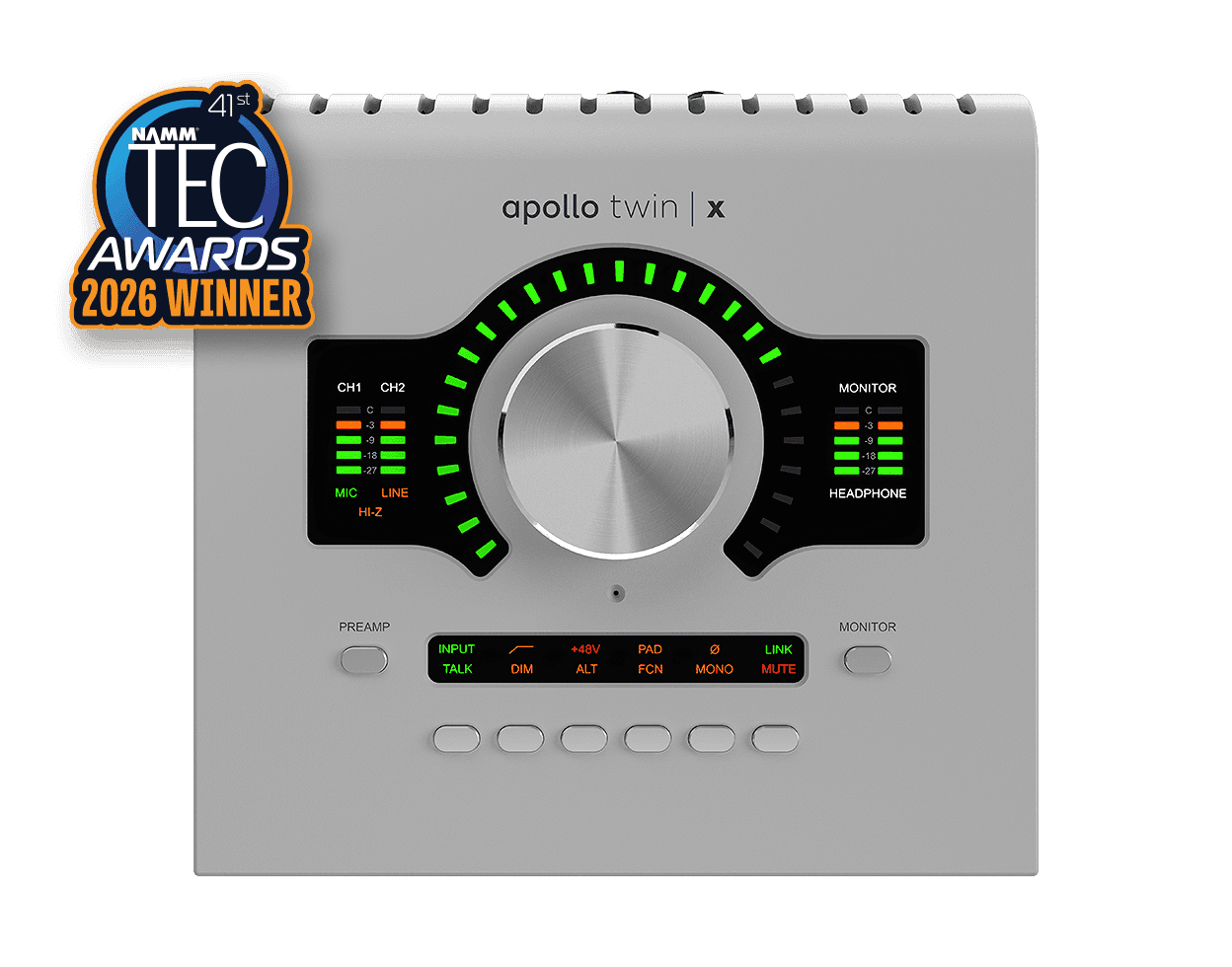
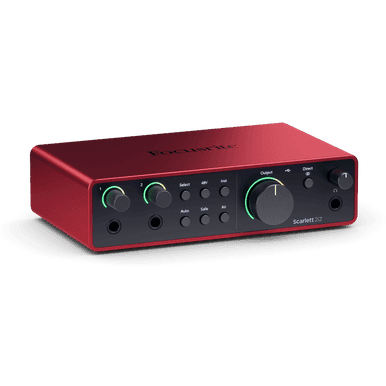
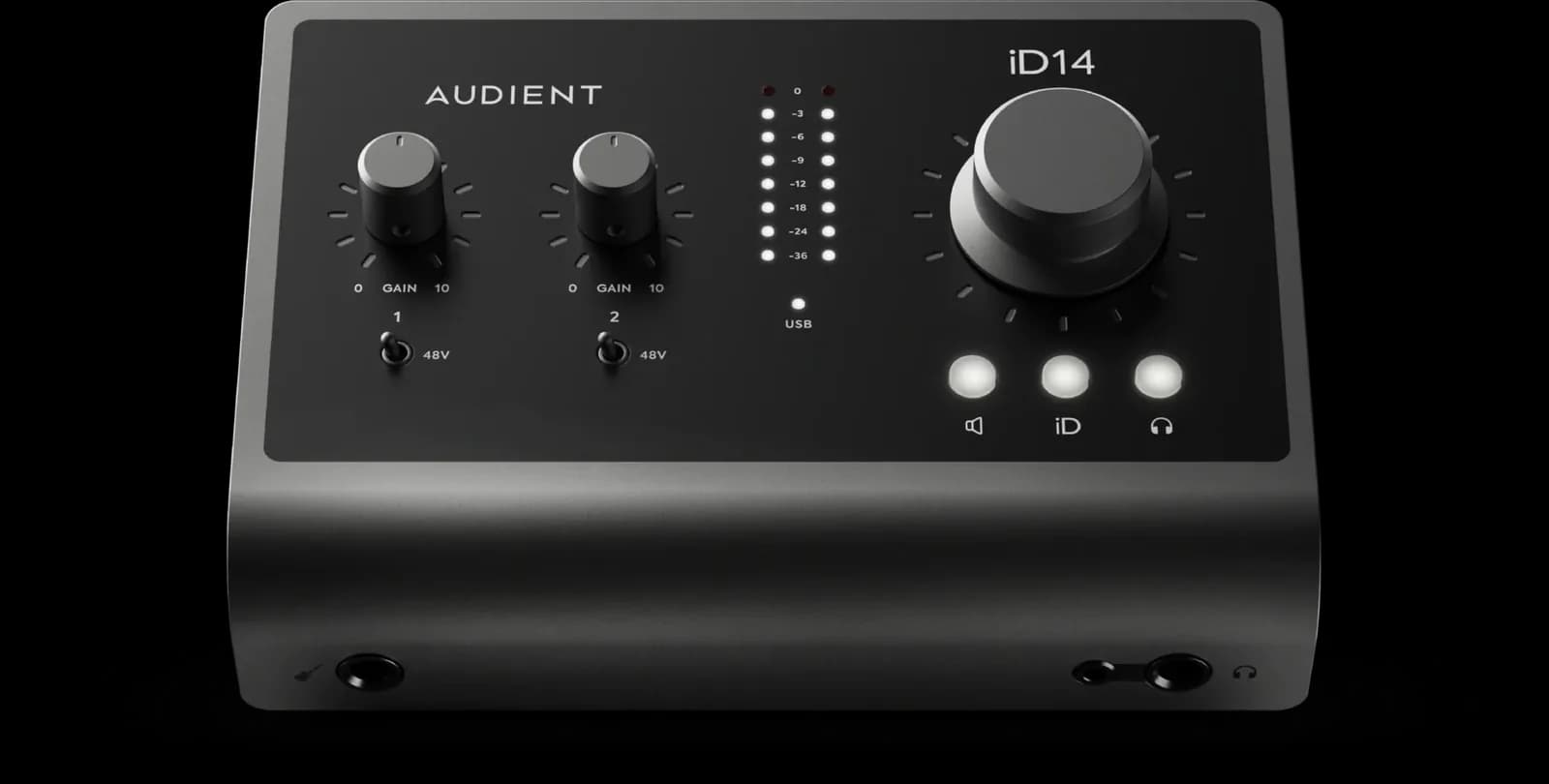
How to Choose an Audio Interface You'll Actually Use
I/O hangtags are the wrong first question. Start with 2-in USB vs more I/O, preamp class, and DSP vs clean. Then shop Gavler's live ranking.
The Best Audio Interfaces in 2026, Ranked by the Producers Who Track Through Them Every Day
Universal Audio, Focusrite, Audient, MOTU, SSL, RME. Gavler ranks the interfaces worth buying — from a $129 portable to the $1,099 standard.