Formlabs Form 4.
Low-Force Stereolithography 2.0, dual-LCD light engine, and the Form Wash + Form Cure ecosystem — the desktop SLA printer you don't think twice about putting in a paying workflow.
The Verdict.
Gavler Meta-Score
“The Form 4 is the printer professionals buy when their work has to be billable. The hardware is good but not better than $400 MSLA printers in raw resolution — what you're paying for is the validated material library, the integrated wash/cure workflow, and a failure rate low enough that you can quote jobs against it.”
The Gavler Verdict
The Gavler Review.
Formlabs Form 4 Review: The Resin Printer Professionals Actually Bill Against
The Formlabs Form 4 ranks number 5 on Gavler's Best 3D Printers list with a 9.4, and it's the printer on this list most likely to be misbought. Hackaday's assessment draws the line precisely: "If your work has to be billable, the Form 4's failure rate justifies the price tag. If it's a hobby, an Anycubic Photon prints the same nominal resolution for a tenth the cost." Buy it if your studio's output has to be repeatable enough to quote against — dental labs, jewelry studios, engineering shops. Skip it if you're printing for fun, in which case the Elegoo Mars 5 Ultra at $300 covers comparable nominal resolution for a fraction of the price.
What it is
The Form 4 is built around Low-Force Stereolithography 2.0, a peel-force reduction system that lets prints release cleanly from the build platform that earlier resin printers — including consumer MSLA machines — would detach or warp. That matters most on tall, thin, or hollow geometries, exactly the parts that defeat cheaper printers. The dual-LCD light engine cures faster across the entire build area than the Form 3+ it replaces, cutting print times from overnight runs down to hours for comparable geometry.
The Form 4 is a closed ecosystem by design, and that's the point rather than a limitation. Formlabs sells the printer alongside a curated resin library — Standard, Tough, Flexible, Castable, Dental, and BioMed grades — plus the Form Wash IPA bath and Form Cure UV oven as a single validated workflow. Unlike open MSLA printers, where every resin needs its own calibration profile and post-cure timing is often a guess, the Form ecosystem is built to produce repeatable, validated results from press-print to finished part. At $3,499 plus consumables, it costs five to ten times what a comparable-resolution consumer MSLA printer runs — and prints the same nominal layer height. What buyers are actually paying for is repeatability and a material library competitors can't match, not raw resolution.
In use
All3DP's testing backs up the speed claims directly: "The Form 4 delivers up to 4x faster print speeds than the Form 3+ while maintaining the surface quality professionals expect from Formlabs." That's a meaningful generational leap for a studio running the printer daily rather than occasionally. 3D Printing Industry pointed to the real competitive moat: "Formlabs's validated material library — particularly the dental and biocompatible resins — is the moat competitors haven't crossed." That's not a small claim; dental and biocompatible resins require regulatory validation that most consumer resin brands simply haven't pursued, which puts entire categories of professional work out of reach for anything cheaper.
Tom's Hardware's read on the ecosystem lands on why professionals actually buy in: "The integrated Form Wash and Form Cure workflow is what makes the Form 4 a professional tool — open MSLA printers are still a manual workflow." That's the honest distinction between this machine and everything below it on the list — not print quality per layer, but the elimination of manual variables that cause failed prints and inconsistent parts at scale.
Strengths
- Low-Force Stereolithography 2.0 solves a real failure mode. Tall, thin, and hollow geometries that would warp or detach on cheaper MSLA printers survive reliably here.
- The validated resin library includes materials competitors legally can't sell. Dental and biocompatible grades open entire professional categories that consumer resin printers simply cannot serve.
- Print speed roughly quadrupled over the Form 3+ while maintaining the surface quality Formlabs built its reputation on.
- The integrated Form Wash and Form Cure workflow removes the manual guesswork that defines open MSLA post-processing — a real time and consistency advantage for studios printing daily.
The trade-offs — who should skip it
- You're printing for a hobby, not a business. Hackaday's math is blunt and correct: an Anycubic Photon or Elegoo Mars 5 Ultra prints the same nominal resolution for roughly a tenth of the price. There's no hobbyist use case where the Form 4's premium pays for itself.
- You don't need dental, biocompatible, or castable-grade materials. If your work is entirely tabletop miniatures, terrain, or display pieces, you're paying for a material library you'll never touch.
- You're not prepared for the ongoing consumables cost. The Form Wash and Form Cure ecosystem, plus Formlabs-branded resin, adds a real recurring cost beyond the printer's sticker price that a standalone MSLA setup avoids.
How it compares
The most useful comparison on Gavler's list isn't another SLA printer at the same price — it's the gap between the Form 4 and the consumer resin tier directly beneath it. The Elegoo Mars 5 Ultra at rank 7 prints a comparable nominal XY resolution for $300, built specifically for tabletop miniatures and terrain rather than commercial-grade repeatability. The Anycubic Mono Photon M7 Pro at rank 8 sits between the two — a $649 14K-resolution machine with a heated vat and auto resin refill aimed at high-detail batch printing, still a fraction of the Form 4's cost but without Formlabs's validated material ecosystem or peel-force engineering. The honest takeaway: resolution-per-dollar strongly favors the cheaper machines. Repeatability, material validation, and professional-grade failure rates are what the Form 4 actually sells.
The Gavler verdict
A 9.4, with a 94 expert consensus and a 91 community rating — and Gavler's own scoreNote calls out the split precisely: professional buyers report strong satisfaction, while "a long tail of hobbyists who regret the purchase" drags the community number down slightly. That's the whole review in one sentence. The Form 4 is not a better printer than the Mars 5 Ultra or the M7 Pro in resolution-per-dollar terms — it's a different category of purchase entirely, built for studios whose work has to be billable. Buy it only if that describes you.
Common Questions
For professional studios, yes. It ranks fifth on Gavler's Best 3D Printers list with a 9.4. As Hackaday put it, 'If your work has to be billable, the Form 4's failure rate justifies the price tag. If it's a hobby, an Anycubic Photon prints the same nominal resolution for a tenth the cost.' At $3,499, it is not a hobbyist purchase.
Buy the Mars 5 Ultra at $300 if you're printing miniatures, terrain, or hobby projects — the nominal resolution is comparable and the price is roughly a tenth of the Form 4's. Buy the Form 4 only if you need Formlabs's validated material library, including dental and biocompatible resins competitors can't legally sell, and a failure rate low enough to quote commercial work against.
Not raw resolution — the hardware prints at a similar nominal layer height to $400 consumer MSLA printers. The difference is Low-Force Stereolithography 2.0, which reduces peel forces enough that tall, thin, or hollow parts survive printing where cheaper printers fail, plus the integrated Form Wash and Form Cure workflow and a validated resin library with repeatable, professional-grade results.
Not strictly, but Formlabs designed the printer around that ecosystem, and reviewers consistently flag it as the real value proposition. Tom's Hardware noted that 'the integrated Form Wash and Form Cure workflow is what makes the Form 4 a professional tool — open MSLA printers are still a manual workflow.' Skipping the ecosystem means giving up much of what justifies the price.
Where to Buy.
Prices checked regularly
90-day price history
Price History
Steady at $4,069 for the entire 90-day tracking window — no increases, no discounts, across 91 tracked days.
Tracked daily across retailers. Vote Want itabove and we’ll alert you the moment the price drops.
Some links are affiliate links — Gavler may earn a commission. This never affects rankings or scores. Learn more.
Precision Engineering
Low-Force Stereolithography 2.0
Reduced peel forces between layers improve success rates on tall, thin, or hollow geometries that defeat consumer MSLA printers.
Dual-LCD Light Engine
Cures the entire build area faster than the Form 3+ — print times measured in hours rather than overnight runs at the same layer height.
Validated Material Library
Standard, Tough, Flexible, Castable, Dental, and BioMed-grade resins with calibrated print profiles — including biocompatible materials competitors can't legally sell.
Technical Specifications
The Scoreboard
Expert reviews consistently rate the Form 4 highest among desktop SLA printers for repeatability and material library, but flag the cost as wildly overkill for hobby use. Community rating reflects strong satisfaction in the intended professional segment and a long tail of hobbyists who regret the purchase.
Cast Your Vote
Do you think Formlabs Form 4 deserves the #5 spot in Best 3D Printers?
Global Critique
“The Form 4 delivers up to 4x faster print speeds than the Form 3+ while maintaining the surface quality professionals expect from Formlabs.”
“Formlabs's validated material library — particularly the dental and biocompatible resins — is the moat competitors haven't crossed.”
“If your work has to be billable, the Form 4's failure rate justifies the price tag. If it's a hobby, an Anycubic Photon prints the same nominal resolution for a tenth the cost.”
“The integrated Form Wash and Form Cure workflow is what makes the Form 4 a professional tool — open MSLA printers are still a manual workflow.”
More from Best 3D Printers.
See how other top picks compare in this category.
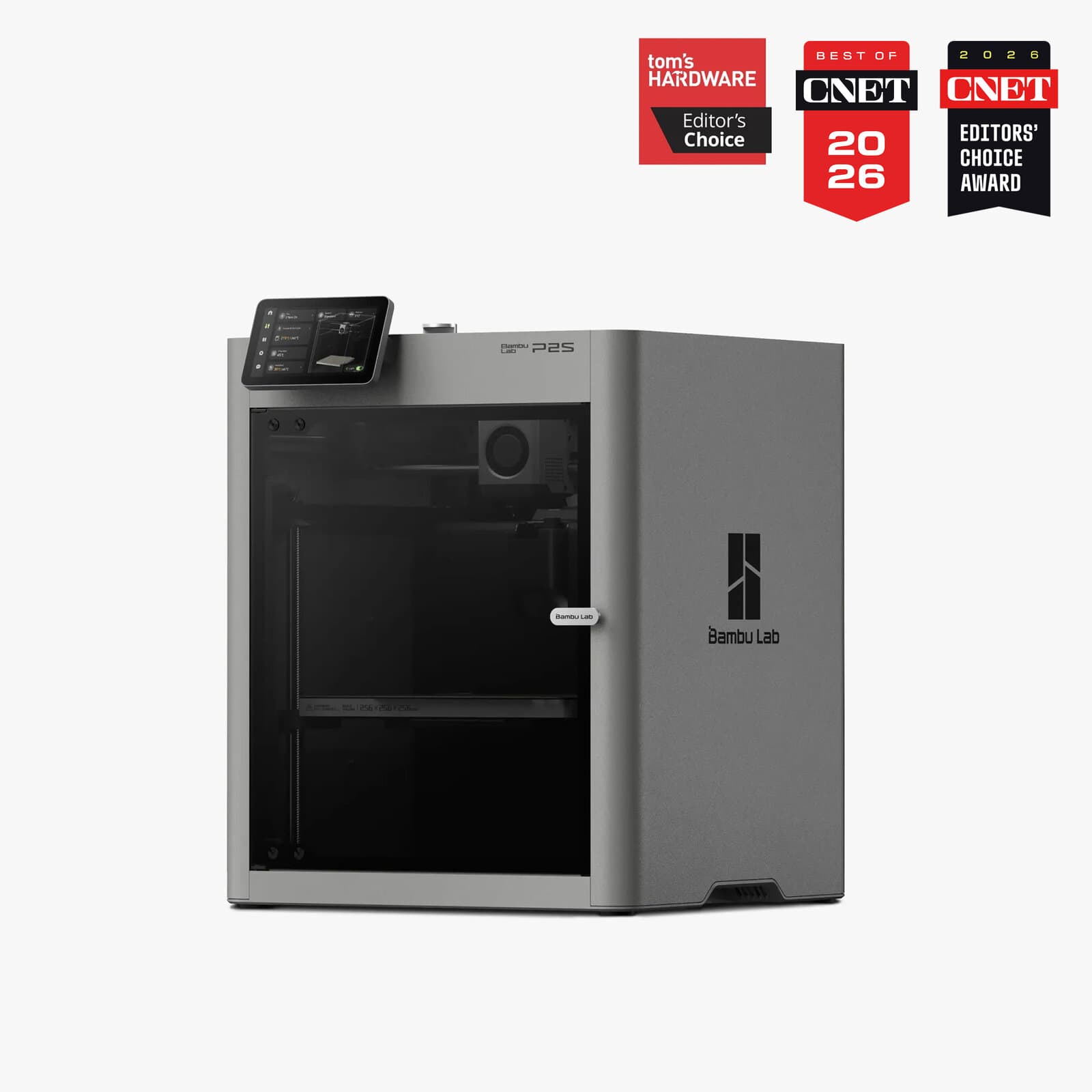
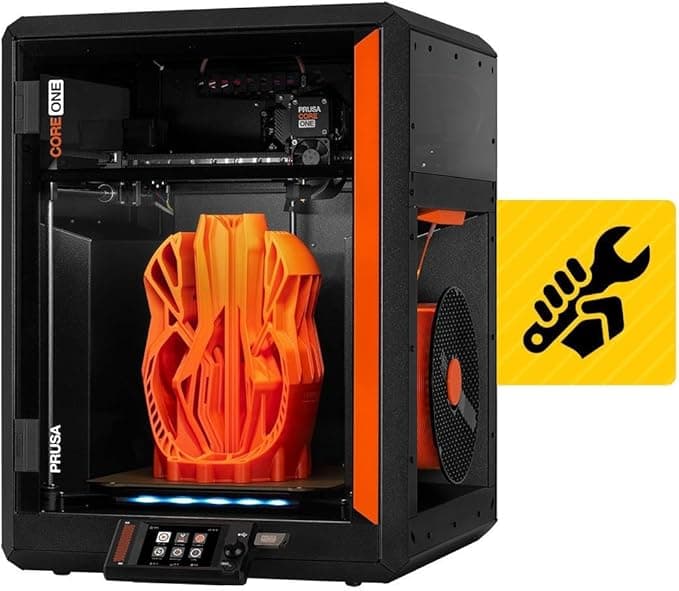
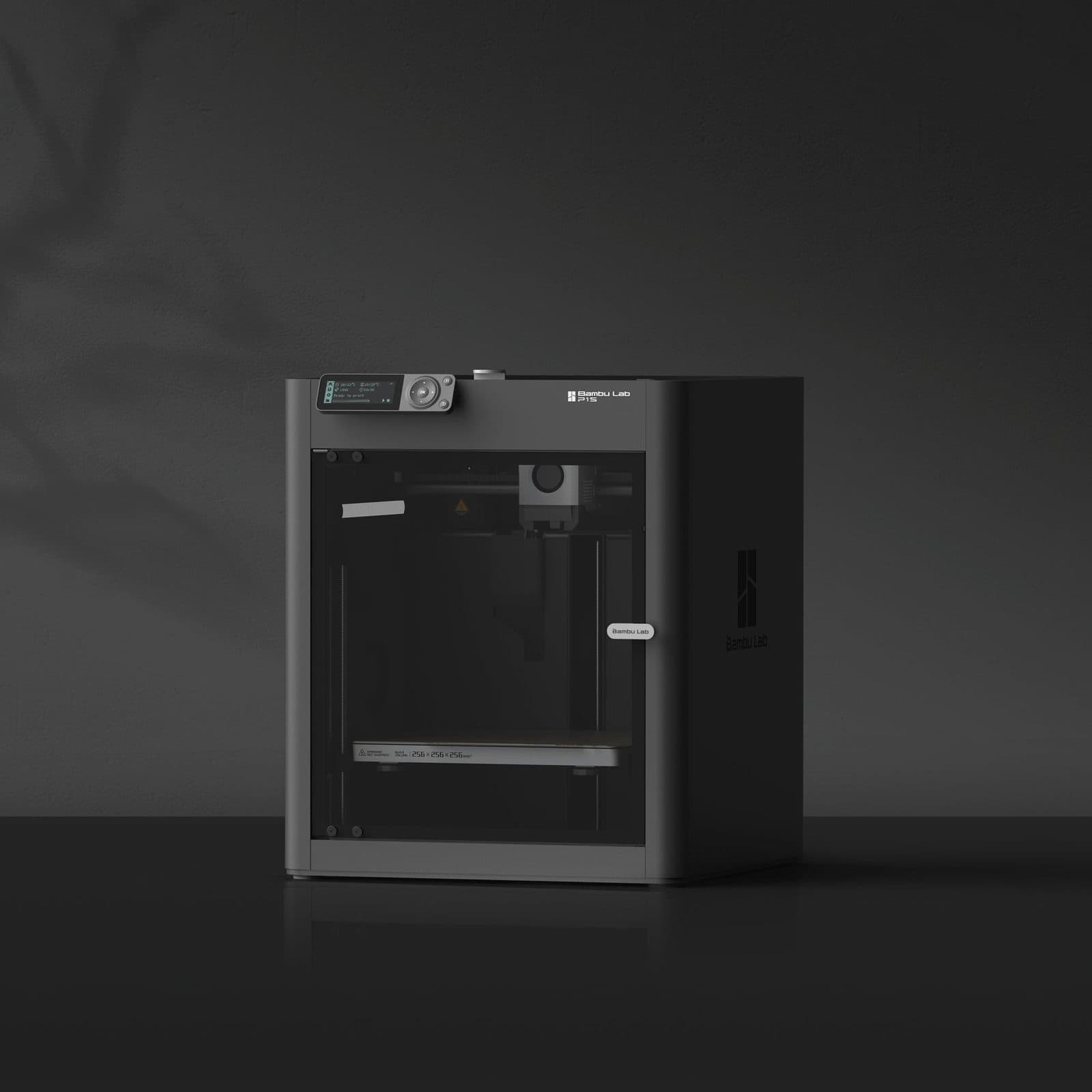
Filament Appliance, Resin Vat, or a $199 Kit?
A 500 mm/s hangtag is the wrong first question. Enclosed FDM vs heated-chamber vs resin vat vs a $199 kit comes first. Then shop Gavler's live ranking.
The Best 3D Printers in 2026, Ranked by People Who Actually Print
Bambu Lab vs Prusa vs Creality. Gavler's makers have voted on the printers worth buying in 2026 — ranked by real-world reliability, not spec sheets.