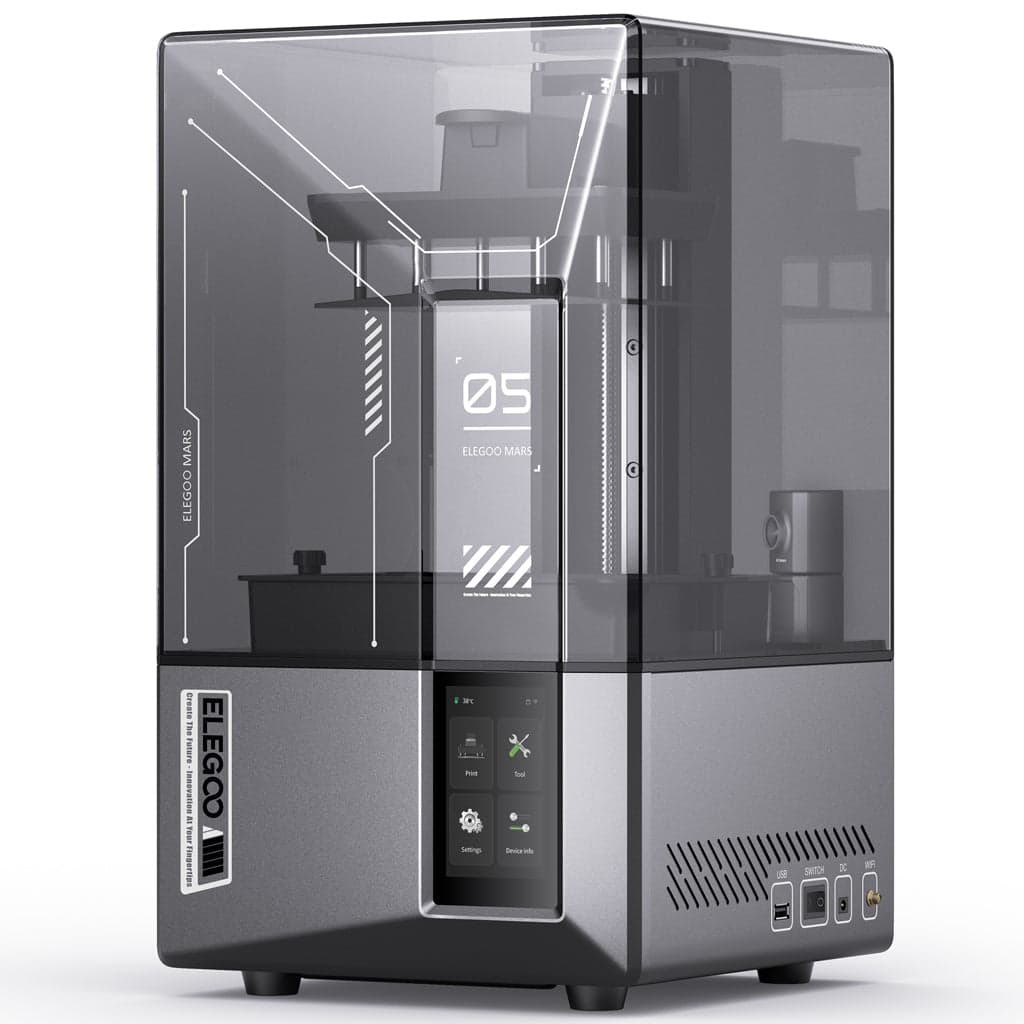
Elegoo Mars 5 Ultra.
9K monochrome LCD, 18-micron XY pixels, AI-camera monitoring, and tilt release — the budget resin printer beginners actually finish prints on.
The Verdict.
Gavler Meta-Score
“If your reason for buying a resin printer is gaming miniatures, terrain, or display figures, this is the answer at $300. If you need the build volume of a Saturn or the dental-grade resolution of a Mono X 14K, look elsewhere — but most buyers don't, and the Mars 5 Ultra knows it.”
The Gavler Verdict
The Gavler Review.
Elegoo Mars 5 Ultra Review: The $300 Resin Printer That Finally Removes the Friction
The Elegoo Mars 5 Ultra ranks number 7 on Gavler's Best 3D Printers list with a 9.1, and its case for itself is the simplest on this list: it's the resin printer beginners actually finish prints on. Tom's Hardware's verdict is unambiguous — "The Mars 5 Ultra delivers print quality that rivals commercially mass-produced miniatures. For under 300 dollars, it's the easiest entry point in resin printing." Buy it if you're printing tabletop miniatures, terrain, or display figures and want the friction of resin printing removed. Skip it only if you need a bigger build volume or dental-grade resolution, in which case the step-up options below are the honest answer.
What it is
The Mars 5 Ultra is what happens when an established resin manufacturer iterates on a known-good product for five generations. The 7-inch 9K monochrome LCD lands at roughly 18-micron XY resolution — the practical sweet spot for tabletop miniatures, terrain, and small functional prints — and the panel ships pre-leveled with a one-screw build-plate install that genuinely takes new buyers from box to first print in under thirty minutes. For a hobby segment historically killed by setup friction — FEP tensioning, manual leveling, fumbling with print profiles — the Mars 5 Ultra simply removes the friction.
Two features separate this generation from the Mars 4: tilt-release and an AI-monitoring camera. Tilt release peels each layer off the FEP at a hinge angle rather than a vertical lift, materially reducing print times on tall geometry — a claimed 150mm/h is realistic for typical miniature workloads — while also reducing failure rates on detailed pieces with thin overhangs. The internal camera handles the less glamorous but genuinely useful jobs: time-lapse capture, mid-print failure detection, and a remote feed through the Elegoo app for anyone who wants to start a long print before bed and check on it in the morning. The 153 x 77 x 165mm build envelope is small by design — this is structurally a miniature-printer category machine, not a general-purpose resin platform.
In use
All3DP's read on the design philosophy nails what makes this generation different from its predecessors: "What stands out is how aggressively Elegoo has stripped friction out of resin printing — pre-leveled plates, tilt release, an AI camera. This is the resin printer beginners actually finish prints on." That's a meaningfully different claim than "this is a good printer" — it's specifically about completion rate, which is the metric that actually determines whether a beginner sticks with the hobby.
Hackaday's testing backs up the tilt-release claims directly: "Surprisingly capable for the price, with the tilt-release mechanism cutting print times noticeably compared to traditional peel cycles." Maker Hacks' assessment ties the two headline features together: "The 9K monochrome panel and the tilt release together make this the strongest sub-300 dollar resin printer Elegoo has shipped." Gavler's own scoreNote adds useful context — Tom's Hardware and Maker Hacks both specifically call out the tilt release and pre-leveled build plate as "transformative for new buyers," which lines up with the printer's consistent ranking as the best beginner resin machine of the 2025-2026 cycle.
Strengths
- Setup friction is genuinely solved, not just reduced. A pre-leveled, one-screw build plate gets new buyers to a first print in under thirty minutes — historically the single biggest failure point in resin printing adoption.
- 9K monochrome resolution at 18 microns is the right target for tabletop work. It's neither underpowered for miniatures nor wastefully overspecced for a hobbyist budget.
- Tilt release meaningfully cuts print time and failure rate on detailed geometry — a real mechanical improvement, not a marketing repackage of the peel cycle.
- The AI-monitoring camera solves a genuine pain point: unattended long prints with mid-print failure detection and remote monitoring, at a price point where that feature is still rare.
The trade-offs — who should skip it
- You need a larger build volume. At 153 x 77 x 165mm, this is a miniature printer by design. Larger props, cosplay pieces, or batch work need a bigger chamber — look at the Saturn 4 Ultra class instead.
- You need dental-grade or jewelry-grade resolution. The 18-micron pixel size is excellent for tabletop miniatures but falls short of 14K-class panels. The Anycubic Mono Photon M7 Pro at ~17 microns is the right step-up for that work.
- You're batch-printing dozens of pieces regularly. Without a heated vat or auto resin refill, long unattended batch runs are more failure-prone here than on printers built specifically for that workload.
How it compares
One rank up on the same list, the Anycubic Mono Photon M7 Pro at $649 is the natural step-up: a 10.1-inch 14K monochrome LCD at roughly 17-micron resolution, a heated resin vat with adaptive temperature control, and auto resin refill that keeps the vat topped off during long batch runs — Tom's Hardware called the auto-refill system "the unsung hero of the platform." That machine solves problems the Mars 5 Ultra doesn't try to — batch printing, cold-garage printing consistency, dental-grade detail — at more than double the price. For anyone printing one piece at a time, the Mars 5 Ultra's simplicity and price remain the smarter buy.
The Gavler verdict
A 9.1, with a 91 expert consensus and an 89 community rating — both strong, both consistent with a printer that reviewers across Tom's Hardware, All3DP, Hackaday, and Maker Hacks all independently rank as the standout beginner resin machine of the cycle. The Mars 5 Ultra doesn't try to be everything; it tries to be the printer that gets a first-time buyer from unboxing to a finished, display-ready miniature with the fewest possible failure points along the way. At $300, it succeeds at exactly that job, and nothing else on this list does it better for the price.
Common Questions
Yes, for anyone printing tabletop miniatures, terrain, or display figures. It ranks seventh on Gavler's Best 3D Printers list with a 9.1. Tom's Hardware wrote that it 'delivers print quality that rivals commercially mass-produced miniatures. For under 300 dollars, it's the easiest entry point in resin printing.'
Buy the Mars 5 Ultra at $300 if you print one miniature or small batch at a time — it's simpler, cheaper, and covers the resolution most tabletop work needs. Step up to the M7 Pro at $649 only if you're batch-printing detailed miniatures regularly and the heated vat plus auto resin refill solve a real production bottleneck for you.
Under thirty minutes according to Gavler's verified product data, thanks to a pre-leveled panel and a one-screw build-plate install. That setup-friction removal is the single biggest reason reviewers across the board recommend it as a beginner's first resin printer.
Build volume. At 153 x 77 x 165mm, it's structurally a miniature-printer, not a general-purpose resin machine. For larger parts or ultra-high-detail dental and jewelry work, the Saturn 4 Ultra or Anycubic M7 Pro are the right step-up options.
Where to Buy.
Prices checked regularly
90-day price history
Price History
Tracked at $299 across 91 tracked days — currently $300 at the retailers above.
Tracked daily across retailers. Vote Want itabove and we’ll alert you the moment the price drops.
Some links are affiliate links — Gavler may earn a commission. This never affects rankings or scores. Learn more.
Precision Engineering
7-inch 9K Monochrome LCD
18-micron XY pixel size — the practical sweet spot for tabletop miniatures and terrain pieces.
Tilt-Release Mechanism
Hinged peel cycle reduces print times on tall geometry and lowers failure rates on detailed overhangs.
AI-Monitoring Camera
In-printer camera handles time-lapse capture, mid-print failure detection, and remote app monitoring.
Technical Specifications
The Scoreboard
Reviewers consistently rank this as the best beginner resin printer of 2025-2026. Tom's Hardware and Maker Hacks specifically call out the tilt release and pre-leveled build plate as transformative for new buyers.
Cast Your Vote
Do you think Elegoo Mars 5 Ultra deserves the #7 spot in Best 3D Printers?
Global Critique
“The Mars 5 Ultra delivers print quality that rivals commercially mass-produced miniatures. For under $300, it's the easiest entry point in resin printing.”
“What stands out is how aggressively Elegoo has stripped friction out of resin printing — pre-leveled plates, tilt release, an AI camera. This is the resin printer beginners actually finish prints on.”
“Surprisingly capable for the price, with the tilt-release mechanism cutting print times noticeably compared to traditional peel cycles.”
“The 9K monochrome panel and the tilt release together make this the strongest sub-$300 resin printer Elegoo has shipped.”
More from Best 3D Printers.
See how other top picks compare in this category.
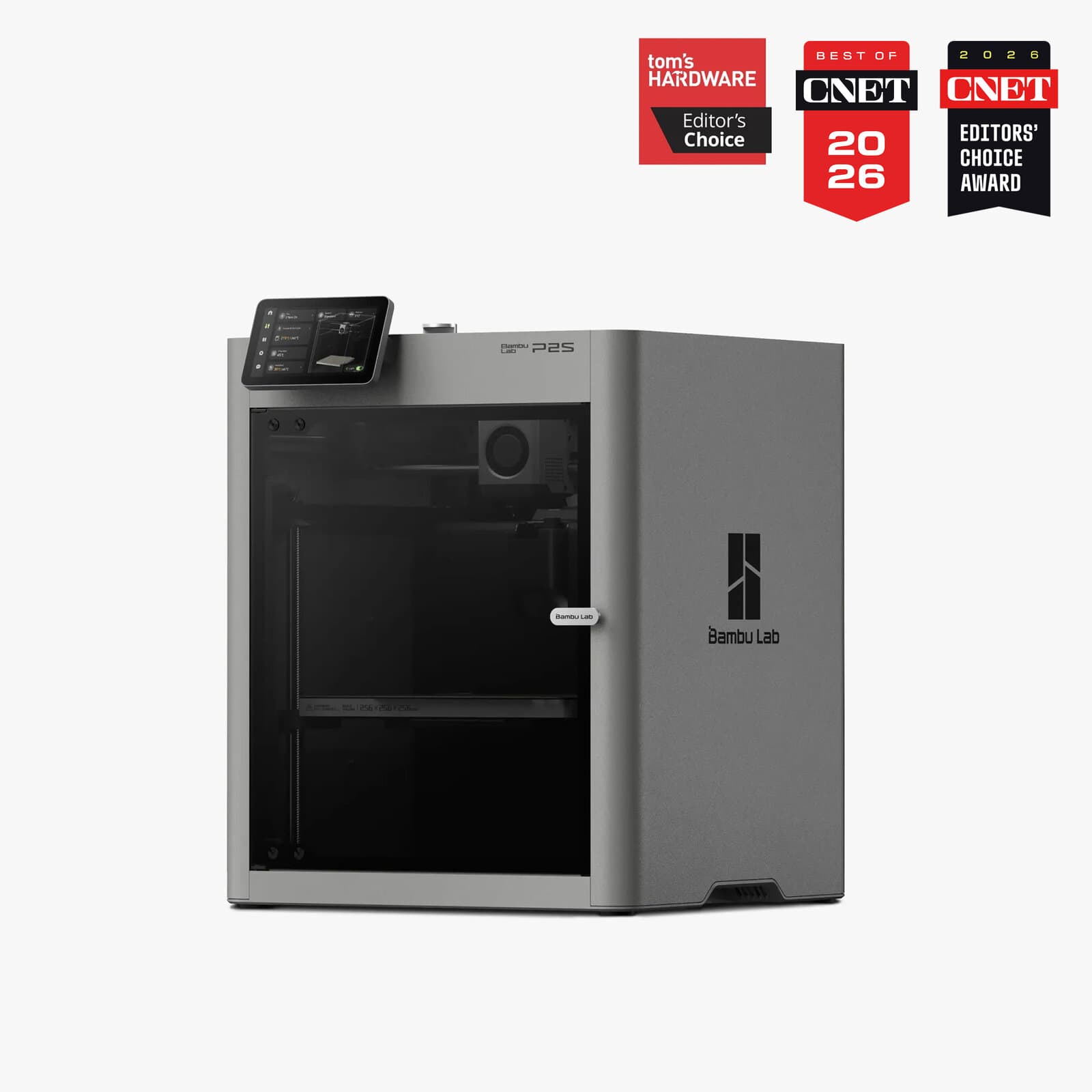
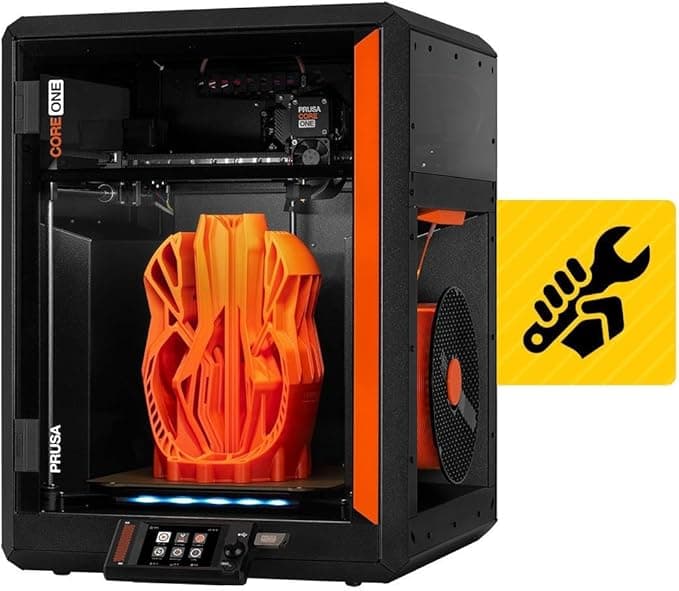
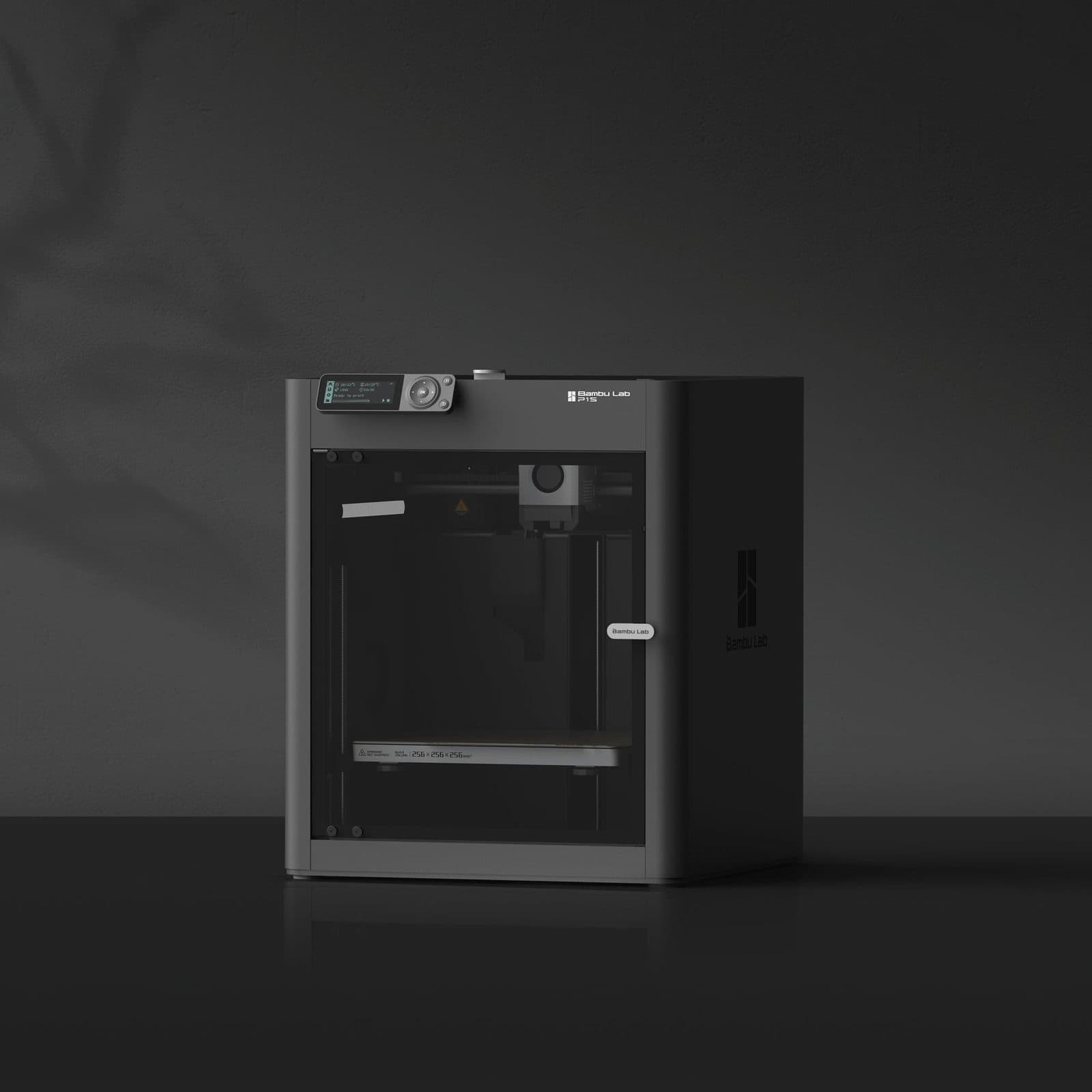
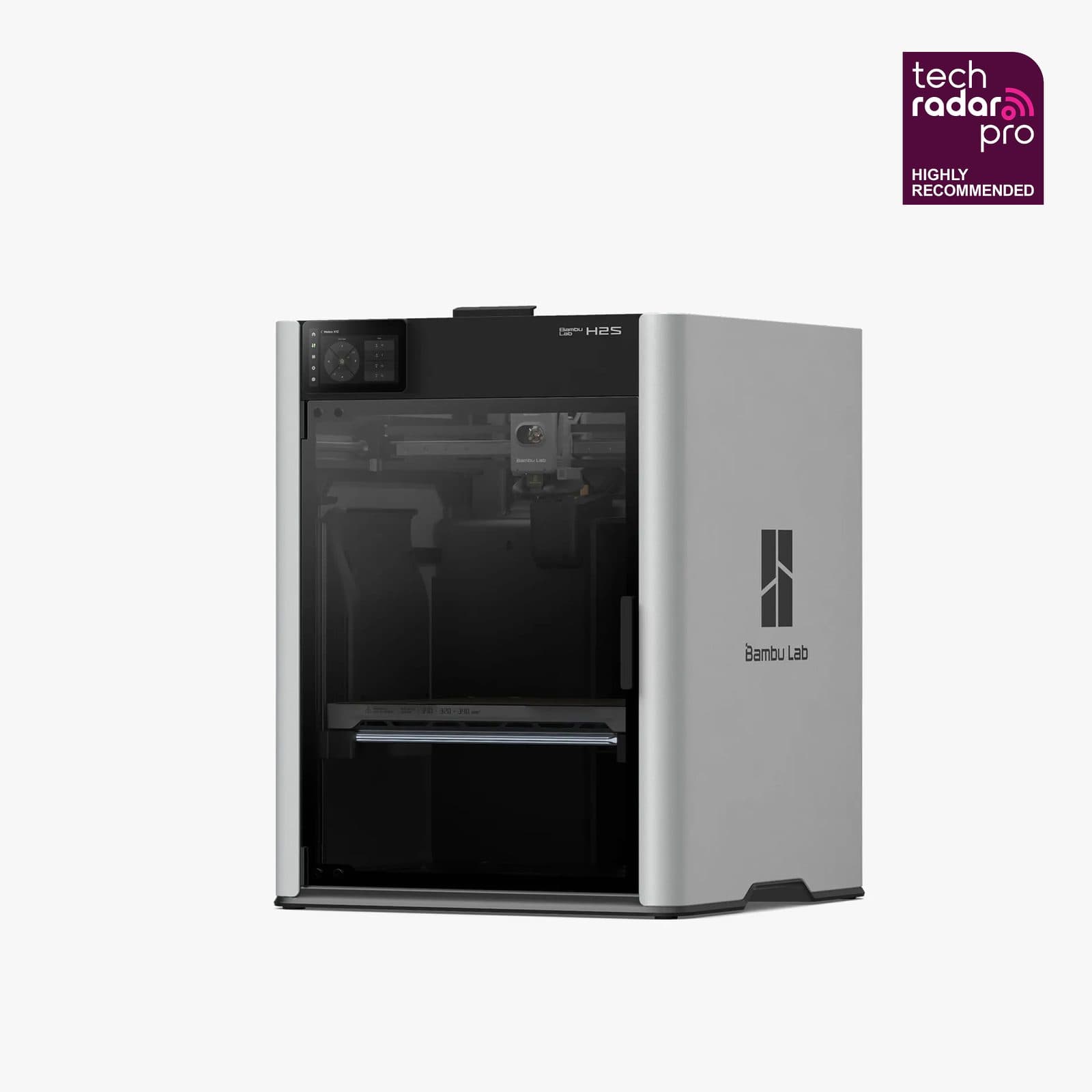
Filament Appliance, Resin Vat, or a $199 Kit?
A 500 mm/s hangtag is the wrong first question. Enclosed FDM vs heated-chamber vs resin vat vs a $199 kit comes first. Then shop Gavler's live ranking.
The Best 3D Printers in 2026, Ranked by People Who Actually Print
Bambu Lab vs Prusa vs Creality. Gavler's makers have voted on the printers worth buying in 2026 — ranked by real-world reliability, not spec sheets.