Updated April 2026

Best Backpacking Tents

Sub-3-pound shelters built for trail miles — ultralight DCF cottage tents, semi-freestanding silnylon classics, and trekking-pole-supported pyramids that earn their place on a thru-hike.

Best for Pros
01
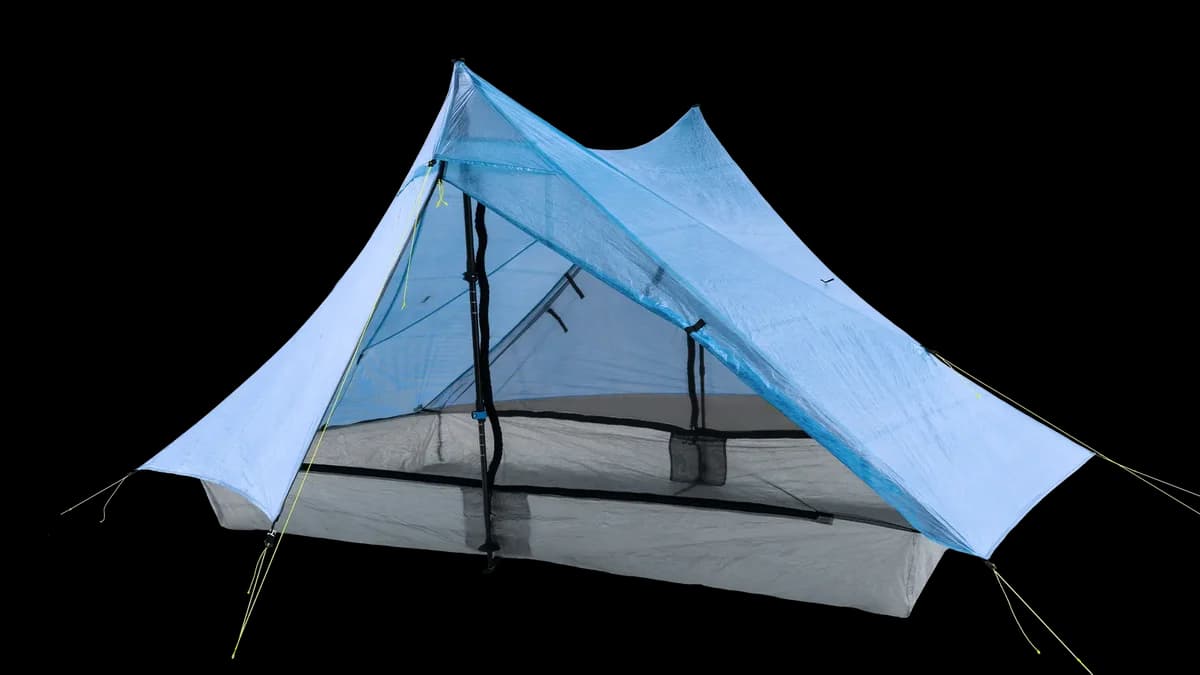
Zpacks Duplex Pro
Best Backpacking Tents

Zpacks Duplex Pro

$799

Gavler Score
9.5

The Verdict

“The 2025+ refresh of the tent that defined modern ultralight. 20.1 oz of DCF, redesigned doors, and the same impossibly-light footprint that made the original a thru-hike default.”

Trail Weight20.1 oz (570 g)
Floor Area28 sq ft
Peak Height48 in
Doors2 (side entry)
28 Jury Votes
Full Review
Community Consensus
Consensus

12% STABLE

Best Design
02
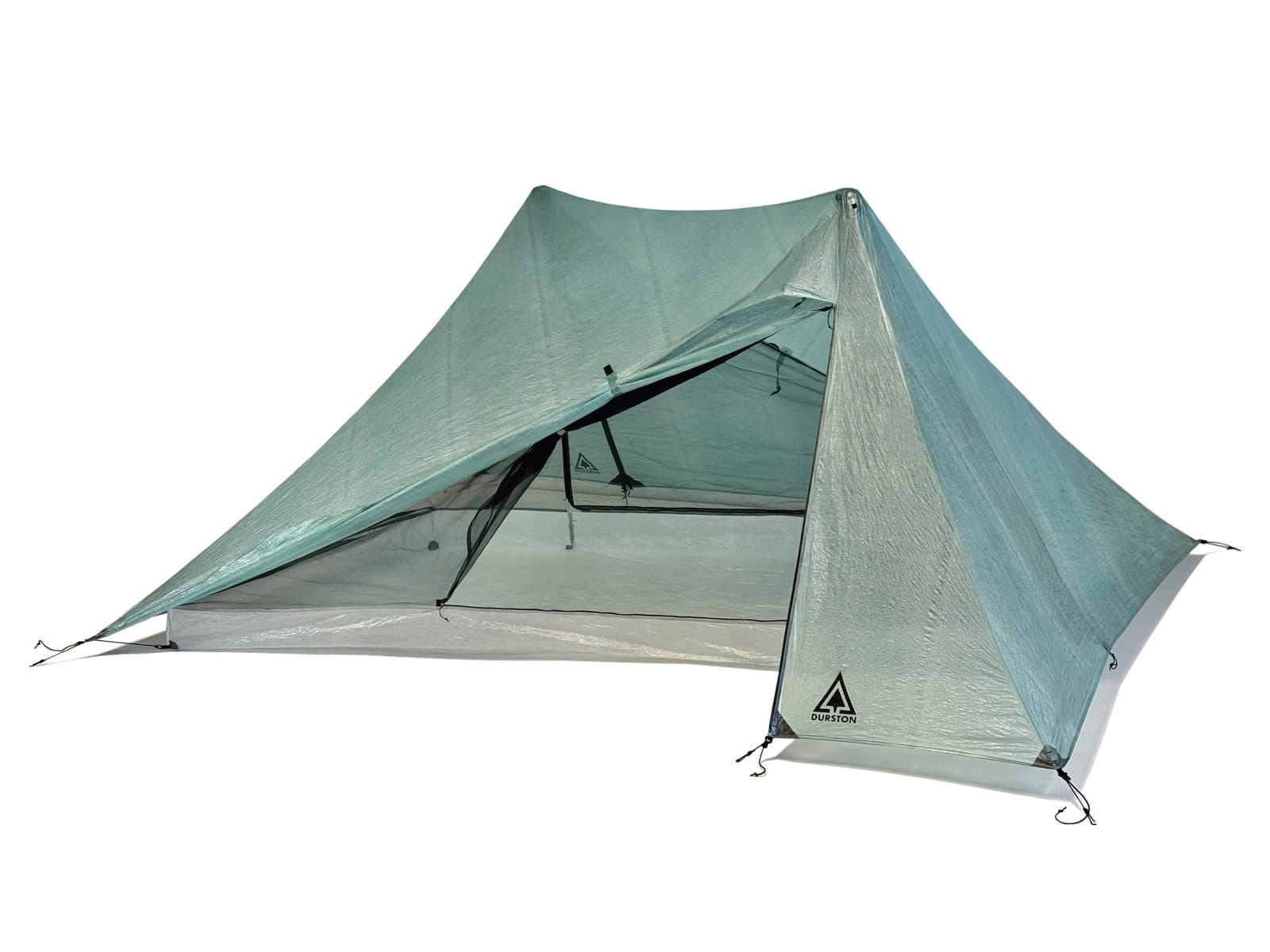
Durston X-Mid Pro 2
Best Backpacking Tents

Durston X-Mid Pro 2

$599

Gavler Score
9.4

The Verdict

“Reference UL pyramid with offset poles for true two-person interior. The tent that proved a $599 cottage shelter could outperform incumbents twice the price.”

Trail Weight20 oz (567 g)
Floor Area29 sq ft
Peak Height47 in
Doors2
31 Jury Votes
Full Review
Community Consensus
Consensus

13% STABLE

03
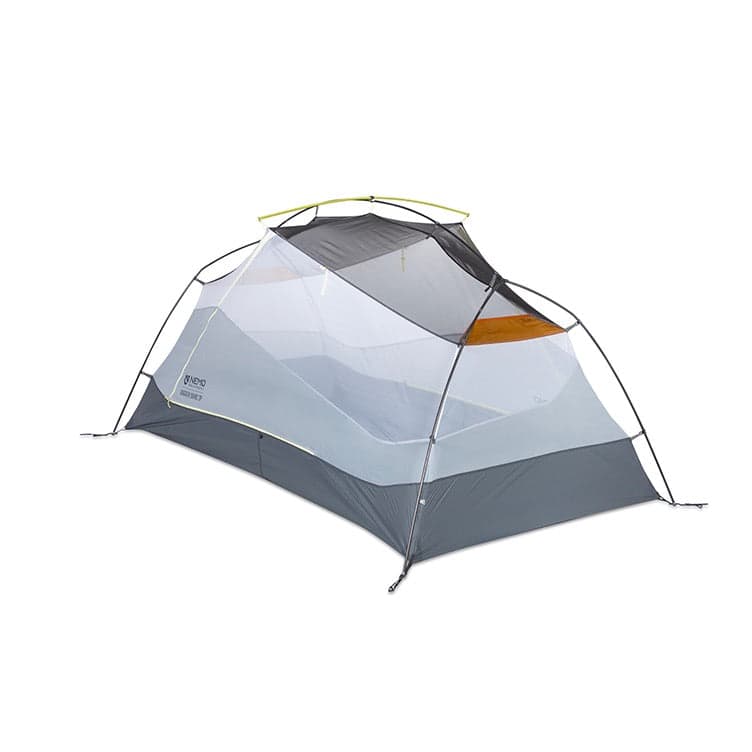
Nemo Hornet Osmo 2P
Best Backpacking Tents

Nemo Hornet Osmo 2P

$500

Gavler Score
9.1

The Verdict

“OSMO fabric dries 3x faster than nylon and resists stretching when wet. The lightest semi-freestanding 2P tent that still pitches like a normal tent.”

Trail Weight1 lb 14 oz (851 g)
Floor Area27.5 sq ft
Peak Height39 in
Doors2
22 Jury Votes
Full Review
Community Consensus
Consensus

9% STABLE

04
Tarptent Double Rainbow Li
Best Backpacking Tents

Tarptent Double Rainbow Li

$695

Gavler Score
8.9

The Verdict

“Single-wall DCF construction with a side-entry geometry that ventilates better than competing pyramids. Cottage-built in Nevada with the install-base to prove its longevity.”

Trail Weight26 oz (737 g)
Floor Area30 sq ft
Peak Height44 in
Doors2 (side entry)
19 Jury Votes
Full Review
Community Consensus
Consensus

8% STABLE

05
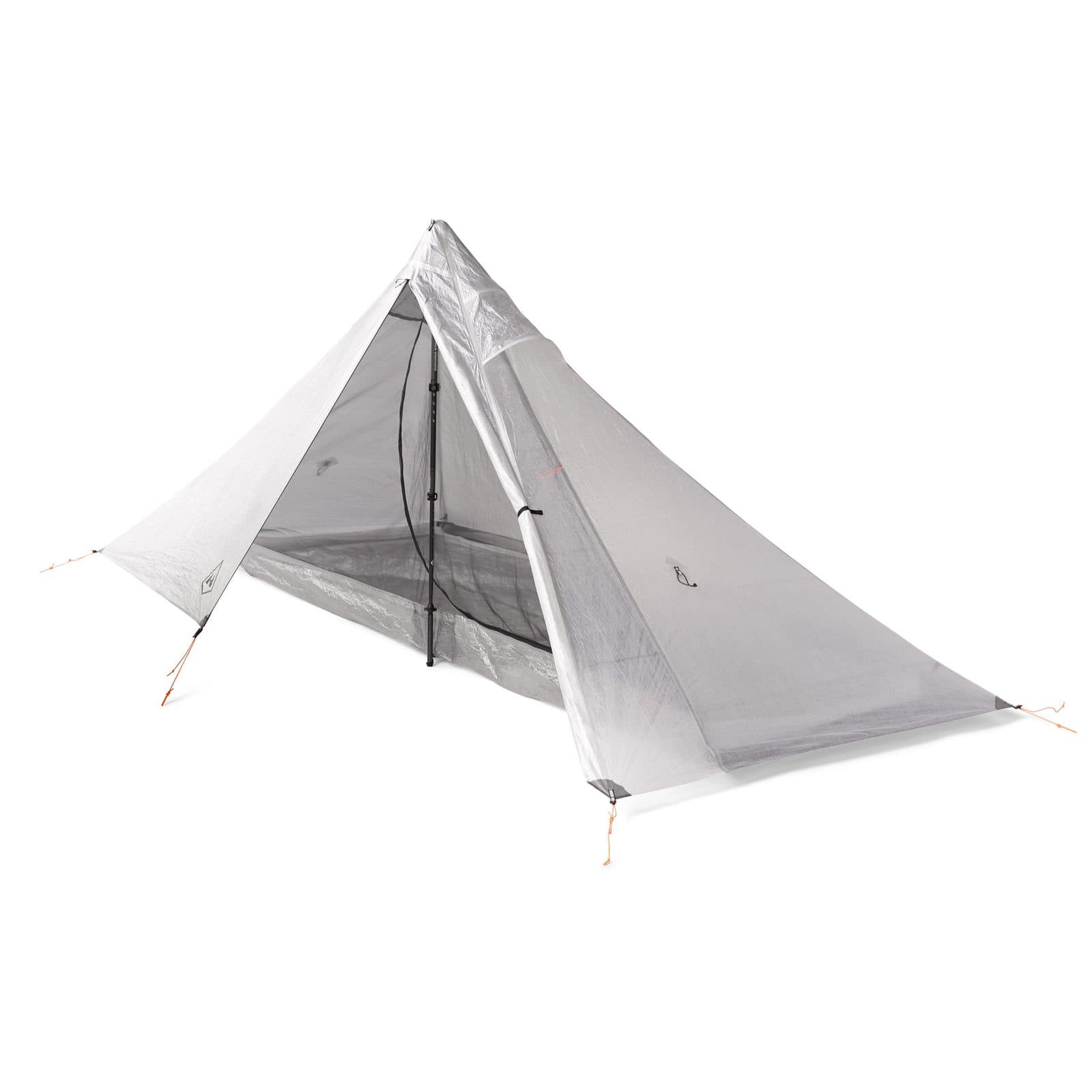
Hyperlite Mountain Gear Mid 1
Best Backpacking Tents

Hyperlite Mountain Gear Mid 1

$695

Gavler Score
8.7

The Verdict

“DCF solo pyramid for the gram-counter who actually goes solo. 16.5 oz, taped seams, and HMG's unfussy field reliability.”

Trail Weight16.5 oz (468 g)
Floor Area20.5 sq ft
Peak Height44 in
Doors1
16 Jury Votes
Full Review
Community Consensus
Consensus

7% STABLE

06
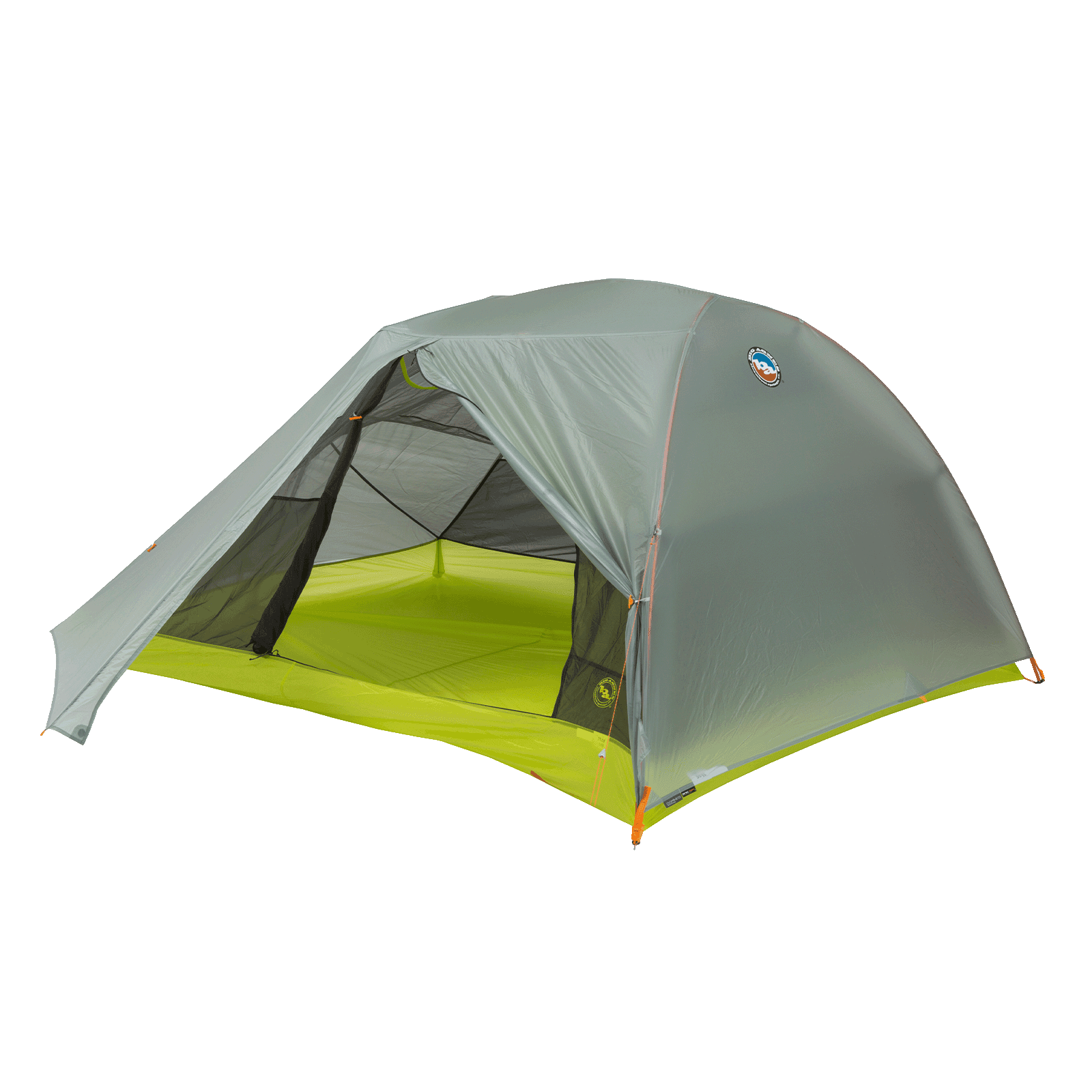
Big Agnes Tiger Wall UL2
Best Backpacking Tents

Big Agnes Tiger Wall UL2

$450

Gavler Score
8.5

The Verdict

“The semi-freestanding alternative for buyers who want the Big Agnes ecosystem in a sub-3-pound UL shelter. Proven storm performance with REI distribution.”

Trail Weight2 lb 3 oz (992 g)
Floor Area28 sq ft
Peak Height39 in
Doors2
24 Jury Votes
Full Review
Community Consensus
Consensus

10% STABLE

Budget Pick
07
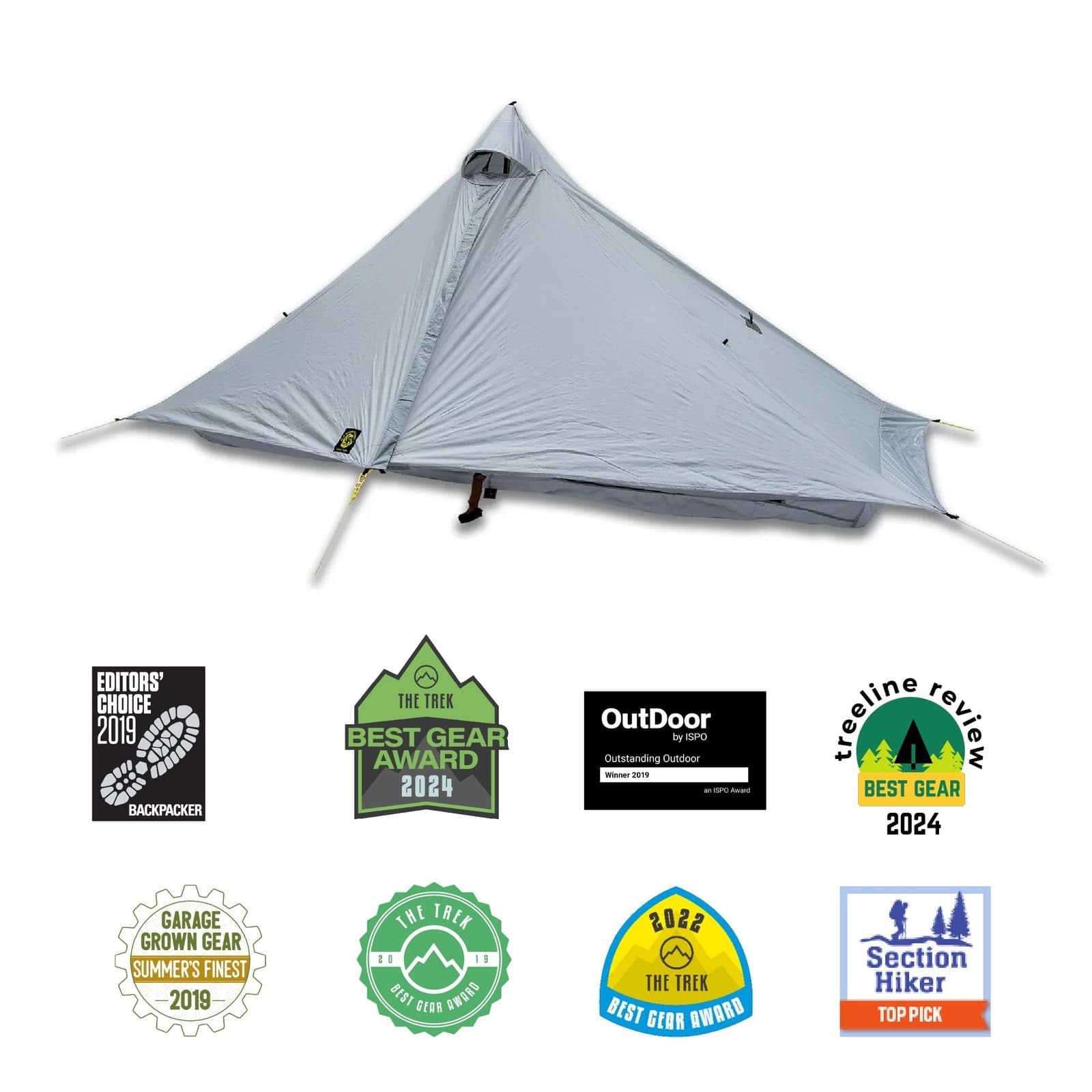
Six Moon Designs Lunar Solo
Best Backpacking Tents

Six Moon Designs Lunar Solo

$260

Gavler Score
8.3

The Verdict

“$260 for a single-wall trekking-pole shelter that thru-hikers have leaned on for two decades. The credibility-purchase entry to ultralight without the DCF tax.”

Trail Weight26 oz (737 g)
Floor Area26 sq ft
Peak Height49 in
Doors1
27 Jury Votes
Full Review
Community Consensus
Consensus

12% STABLE

Best Value
08
Gossamer Gear The Two
Best Backpacking Tents

Gossamer Gear The Two

$349

Gavler Score
8.1

The Verdict

“Trekking-pole-supported double-wall shelter at $349 — the most accessible price point for a true 2-person UL tent. Silnylon construction is forgiving for newer ultralighters.”

Trail Weight25 oz (709 g)
Floor Area27.5 sq ft
Peak Height46 in
Doors2
18 Jury Votes
Full Review
Community Consensus
Consensus

8% STABLE

09
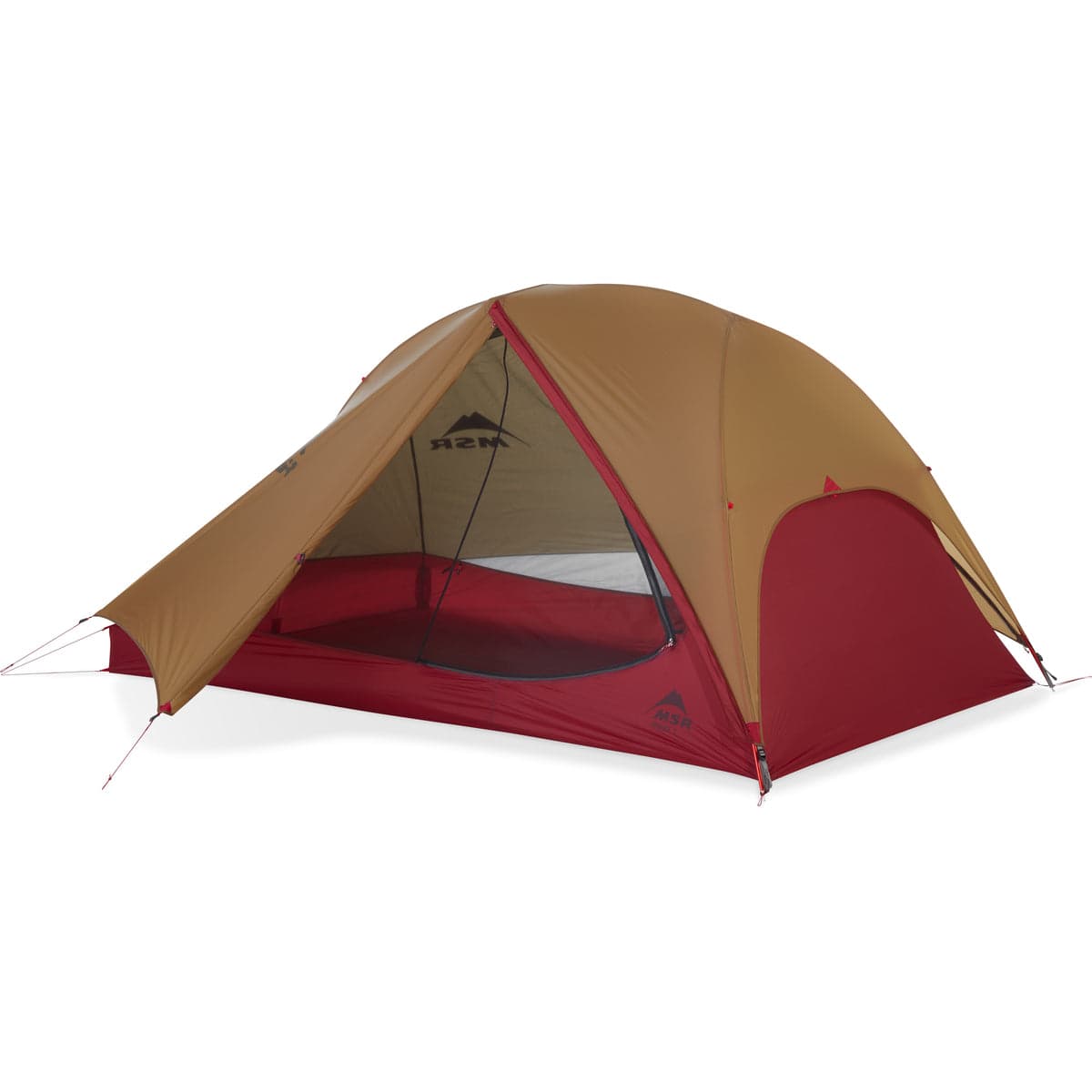
MSR FreeLite 2
Best Backpacking Tents

MSR FreeLite 2

$520

Gavler Score
7.9

The Verdict

“MSR's UL semi-freestanding answer to the Tiger Wall. 2 lb 5 oz with the storm-shedding pole geometry MSR is built on — the right pick if you've been burned by trekking-pole pitches.”

Trail Weight2 lb 1 oz (936 g)
Floor Area29 sq ft
Peak Height38 in
Doors2
21 Jury Votes
Full Review
Community Consensus
Consensus

9% STABLE

10
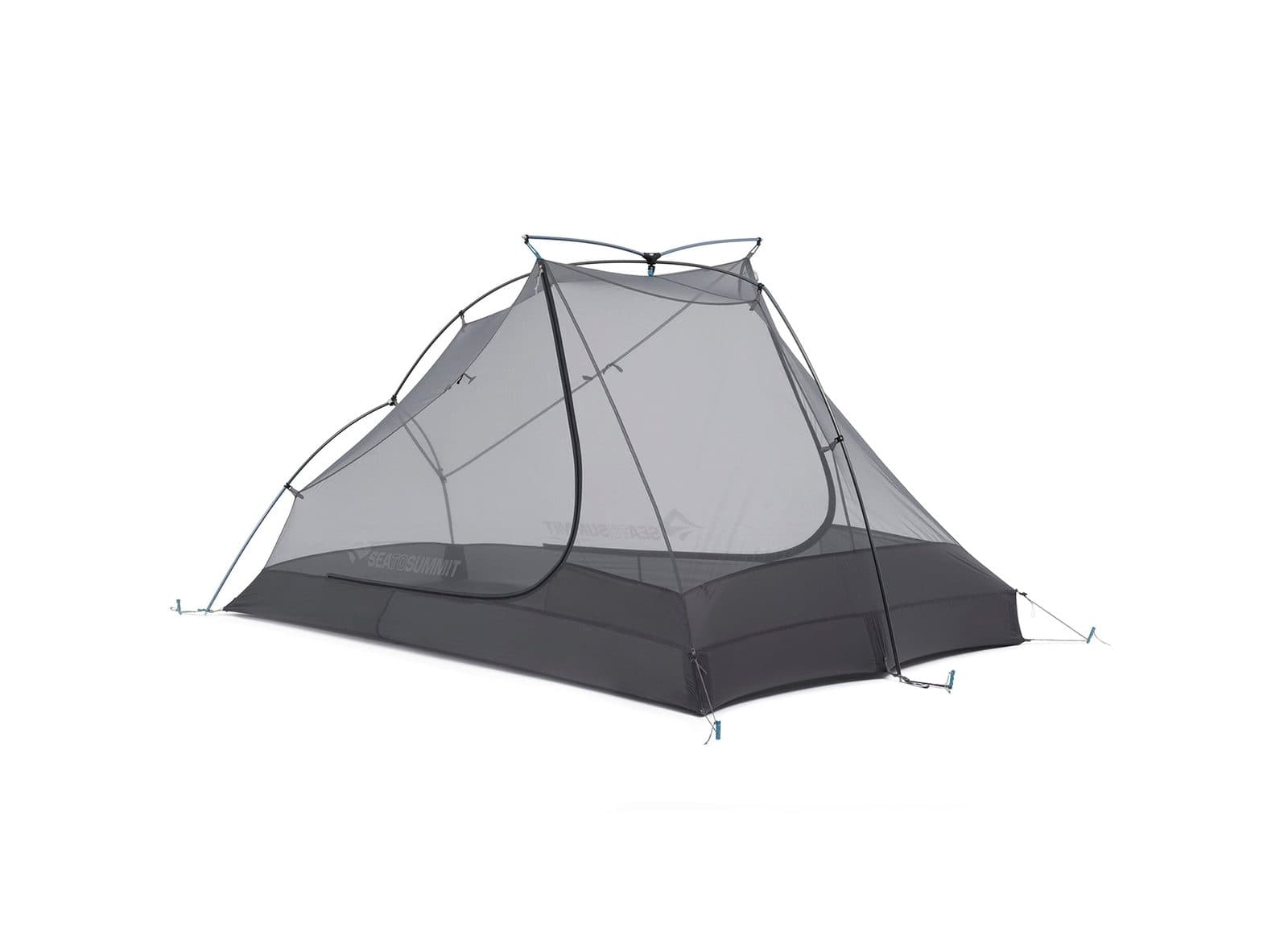
Sea to Summit Alto TR2
Best Backpacking Tents

Sea to Summit Alto TR2

$549

Gavler Score
7.7

The Verdict

“Tension Ridge architecture creates near-vertical interior walls in a 2 lb 14 oz freestanding package. The newcomer that earns its place on a list dominated by cottage brands.”

Trail Weight2 lb 9 oz (1,162 g)
Floor Area28 sq ft
Peak Height42.5 in
Doors2
26 Jury Votes
Full Review
Community Consensus
Consensus

11% STABLE

Common Questions

Best Backpacking Tents — FAQ

Freestanding tents pitch with their own dedicated poles — they stand up without stakes and can be lifted to relocate. Semi-freestanding tents (Big Agnes Tiger Wall UL2, Nemo Hornet Osmo 2P, MSR FreeLite 2) need a few stakes to fully tension but pitch close to a freestanding profile. Trekking-pole-supported tents (Zpacks Duplex Pro, Durston X-Mid Pro 2, Six Moon Designs Lunar Solo) use your hiking poles as the structure, saving 8-12 oz of dedicated tent poles — the trade-off is a steeper learning curve and the need for stakes to keep the tent upright. For thru-hikers carrying trekking poles anyway, the weight savings are significant; for first-time UL buyers, freestanding designs are more forgiving.

For thru-hikes and weight-critical trips, yes. Dyneema Composite Fabric (DCF) is waterproof out of the box (no DWR re-treatment needed), doesn't stretch when wet (silnylon stretches 1-3% and requires midnight re-tensioning in heavy rain), and weighs significantly less per square yard. The premium is real — DCF tents like the Zpacks Duplex Pro cost $700-800 versus $260-350 for silnylon options. For buyers running fewer than 30 nights a year or anyone new to ultralight, silnylon tents like the Six Moon Designs Lunar Solo and Gossamer Gear The Two deliver 80% of the experience at 35% of the price. The Pacific Crest Trail thru-hiker community has decades of evidence that DCF earns its premium for long-trail use specifically.

Double-wall tents (separate inner mesh body and outer rain fly) manage condensation dramatically better than single-wall tents in humid conditions — Pacific Northwest summers, Appalachian Trail spring, anywhere the air stays saturated overnight. Single-wall tents (Zpacks Duplex Pro, HMG Mid 1) are lighter and pitch faster but can deposit overnight condensation directly onto your sleeping bag in humid conditions. The Tarptent Double Rainbow Li and Durston X-Mid Pro 2 are the exception cases — single-wall designs with engineered ventilation that solves most of the condensation problem. For dry-climate and high-altitude use, single-wall is fine; for humid summer use, double-wall designs like Gossamer Gear The Two are the better pick.

For DCF tents (Duplex Pro, X-Mid Pro 2, HMG Mid 1, Tarptent Double Rainbow Li): no — DCF is durable enough that footprints are optional and most ultralighters don't carry them. For silnylon tents (Lunar Solo, The Two): a footprint is recommended for rocky or abrasive sites, but not strictly necessary on most trail conditions. For nylon tents with traditional poles (Big Agnes Tiger Wall, Nemo Hornet Osmo, MSR FreeLite, Sea to Summit Alto): a footprint extends the floor lifespan meaningfully and is worth the 4-6 oz weight penalty for buyers who plan to keep the tent for 5+ years. Footprints typically run $40-80 — Big Agnes, Nemo, and MSR all sell tent-specific options.

The traditional UL benchmark is sub-3 lbs trail weight for a 2-person tent — every tent on this list meets that bar. For ultralight (UL) status: under 2.5 lbs. For super-ultralight (SUL) status: under 2 lbs. The Zpacks Duplex Pro (1.25 lbs trail weight) and HMG Mid 1 (1.03 lbs) are deep into SUL territory. For most backpackers, sub-3-pounds is the right target — the weight savings compound across a multi-day trip without forcing the trade-offs (tight interior, learning curve) that come with sub-2-pound shelters. Pacific Crest Trail thru-hikers tend to push toward sub-2-pound setups; weekend backpackers are well-served at the sub-3-pound mark.

Rankings combine expert review aggregation with community voting. Each tent receives a Gavler Score (out of 10) based on professional reviews evaluating trail weight, livability, weather performance, durability, and price-to-performance ratio. Community members cast one vote per list, so rankings reflect genuine thru-hiker and weekend-backpacker preferences across cottage DCF builders, established UL brands, and budget alternatives.

Something Missing?

Think a product deserves a spot on this list? Submit a formal proposal with documented specs and the community will review it.

Submit for Jury Review