Zpacks Duplex Pro.
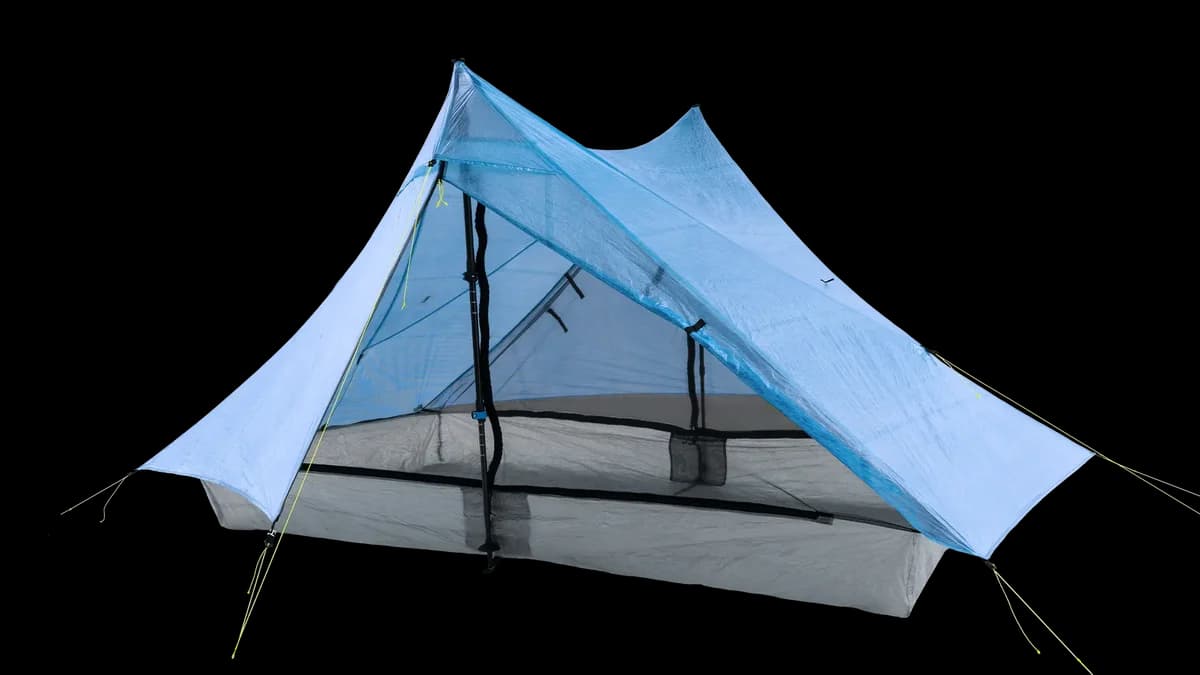
20.1 oz DCF two-person shelter with redesigned doors, improved venting, and the cottage-industry pedigree that made the original a thru-hike default.
The Verdict.
Gavler Meta-Score
“The thru-hiker default for a reason. The Pro refresh fixes the small annoyances of the original without bloating the weight. If you're committing to ultralight and willing to learn the trekking-pole pitch, this is the tent.”
The Gavler Verdict
The Gavler Review.
Zpacks Duplex Pro Review: The Thru-Hiker Default, Refined
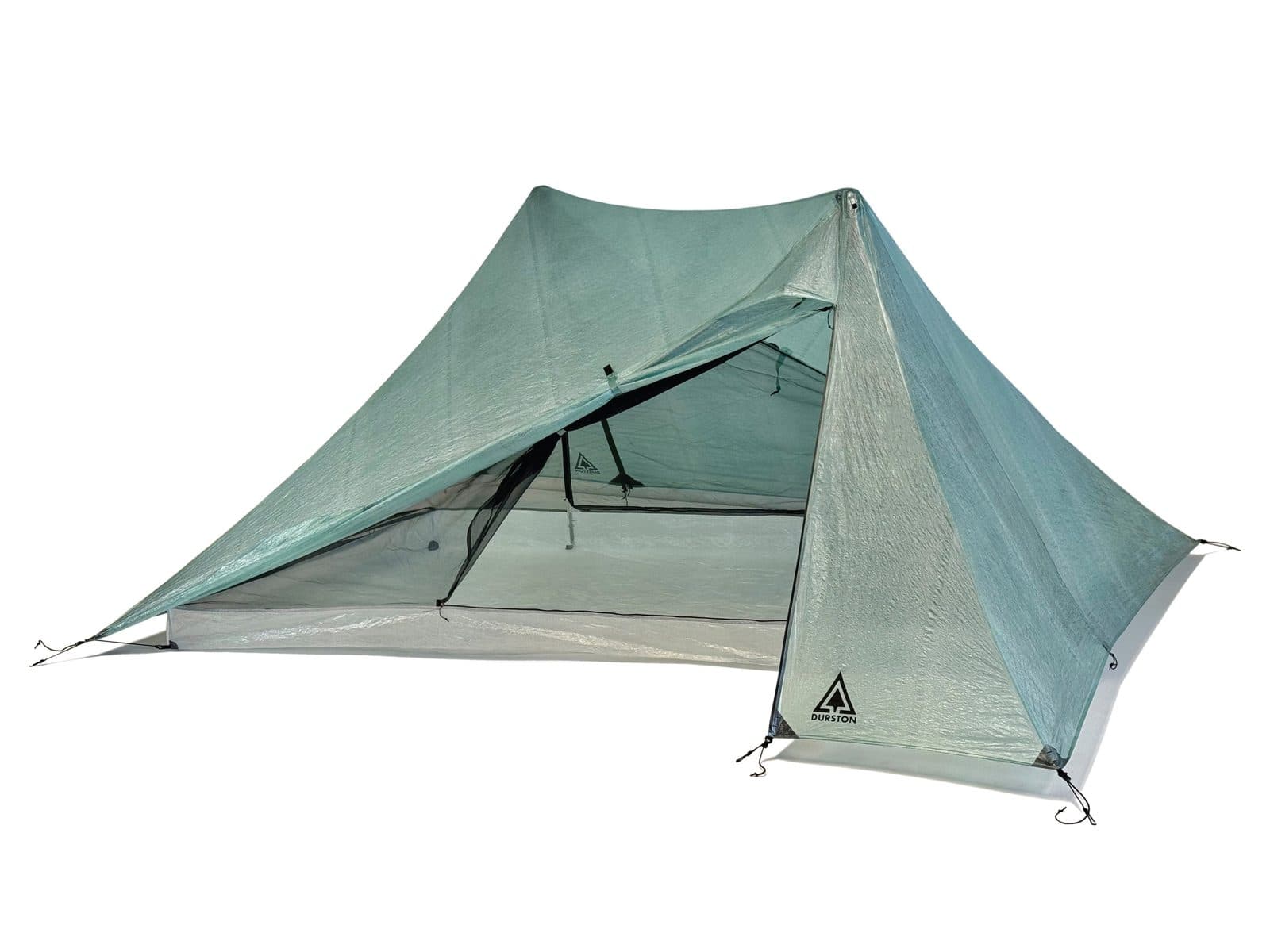
The Zpacks Duplex Pro sits at number one on our Best Backpacking Tents list with a 9.5, and it holds that spot as the tent that effectively created the modern ultralight cottage industry. At 20.1 ounces, this is a two-person shelter that weighs less than half what a flagship freestanding tent weighs, built from Dyneema Composite Fabric that stays taut and fully waterproof through conditions that leave silnylon competitors sagging and re-tensioned at 2 a.m. Buy it if you're committing to ultralight backpacking and willing to learn the trekking-pole pitch — for a Pacific Crest Trail or Continental Divide thru-hike, this is genuinely what most experienced hikers carry. Skip it if you want a faster-shipping, more livable two-person interior at a lower price; the Durston X-Mid Pro 2 at rank two is the specific, credible alternative.
What it actually is
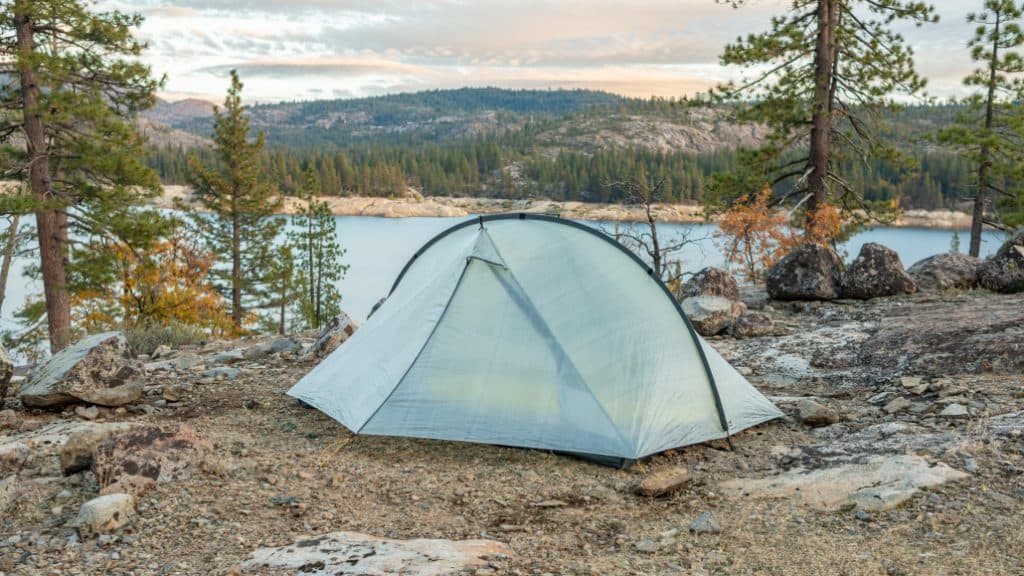
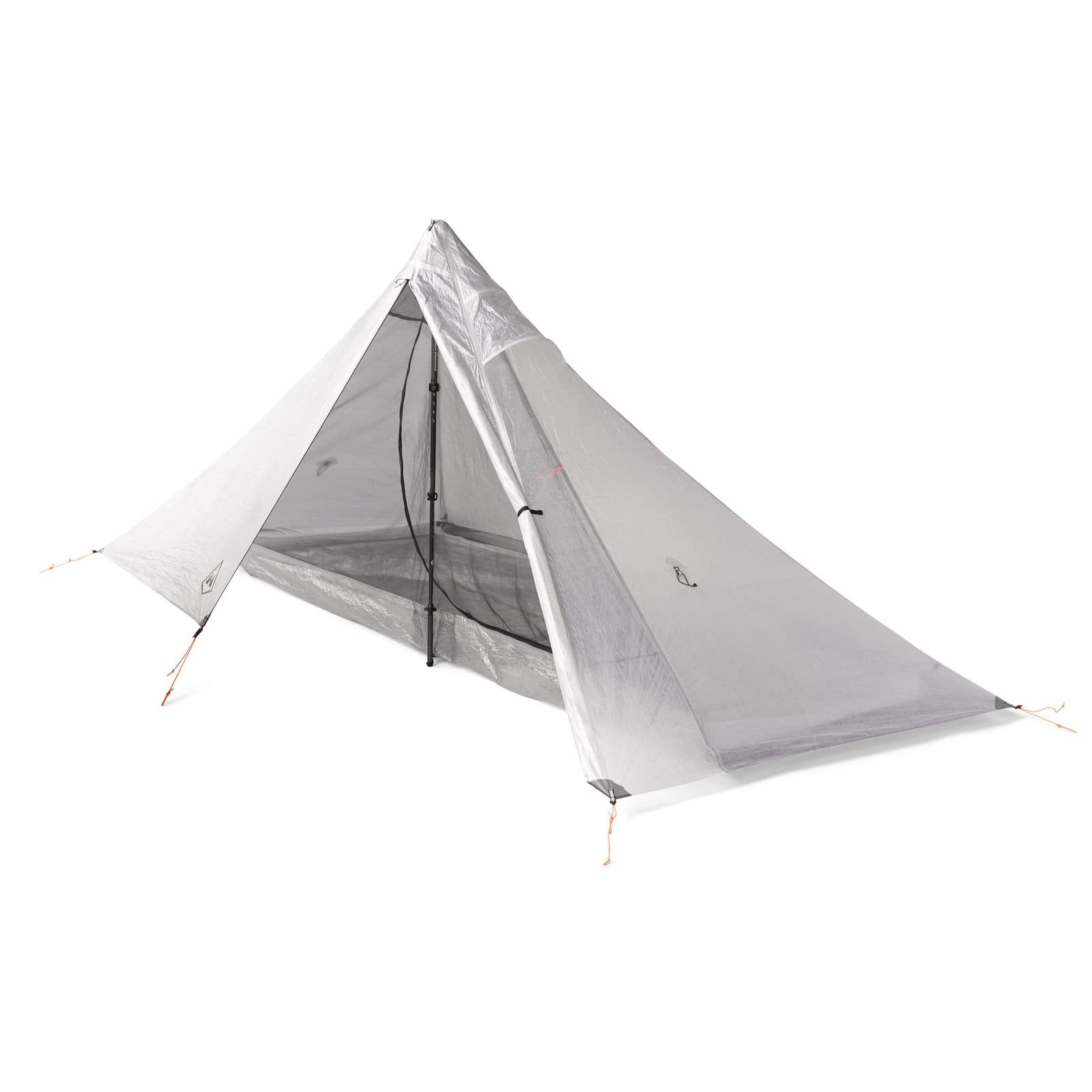
The Duplex Pro is the 2025 refresh of the Zpacks Duplex, a trekking-pole-supported, single-wall shelter made from 0.55 oz/yd² DCF — a fabric that is impossibly light, completely waterproof (not just water-resistant), and famously stretch-free. That last property is the whole reason DCF tents dominate the ultralight thru-hiking scene: a Duplex Pro pitched taut in a downpour stays taut all night, while a silnylon tent absorbs moisture, stretches under load, and sags into contact with your sleeping bag by morning unless you get up and re-tension it.
The Pro refresh is an evolution of an already-dominant design: tightened door geometry, improved ridge ventilation, and a small weight increase from the original's 19 ounces to 20.1 ounces, in exchange for measurable durability gains. At $799, it's expensive in absolute terms for a tent with 28 square feet of floor area and no poles included — but the price buys a fabric and a design pedigree that has been field-tested by thru-hikers for over a decade.
In use
The Duplex Pro is not an easy tent, and being upfront about that is central to reviewing it honestly. It's a trekking-pole-supported shelter, which means it requires careful site selection and correct stake angles to pitch properly — there's no pole architecture doing the structural work for you. Beginners genuinely struggle with the first dozen pitches, fighting saggy pitches and misaligned guylines before the technique clicks. Once it does click, the Duplex Pro actually pitches faster than most freestanding tents, because there's less hardware to assemble in the first place.
The tradeoff for that stretch-free DCF performance is puncture resistance. The fabric is less forgiving of a sharp branch or rock on a poorly cleared site than silnylon, which can take a scrape or two without failing. Site selection — actually clearing the ground before laying out the tent — is a real, non-optional step with this shelter in a way it isn't with more forgiving fabrics.
CleverHiker, whose gear testing carries significant weight in the ultralight community, frames the Pro refresh precisely: "still the gold standard for thru-hiker tents — the Pro refresh just makes it slightly more bulletproof." The Trek, a publication run largely by and for long-distance hikers, calls it "the cottage tent every other UL maker is benchmarked against" — which is a useful way to understand the Duplex Pro's role in the category: it isn't just competing with other tents, it's the reference point other tents get built to beat.
Where it shines
- DCF that performs when it matters most. Stretch-free, fully waterproof construction means the Duplex Pro doesn't degrade in exactly the conditions — sustained rain — where a tent's performance matters most.
- Weight that compounds over thousands of miles. At 20.1 ounces, the Duplex Pro is less than half the weight of a flagship freestanding 2P tent. On a 2,650-mile thru-hike, that weight difference is carried every single day, which is why it dominates thru-hiker gear lists specifically rather than general backpacking lists.
- A decade-plus of field validation. This isn't a new cottage product hoping to earn trust — it's the tent the modern ultralight movement was built around, with a community knowledge base covering nearly every use case and failure mode.
The trade-offs — who should skip it
This is the thru-hiker default for a reason, not a beginner-friendly all-rounder, and the honest reasons to consider something else are specific:
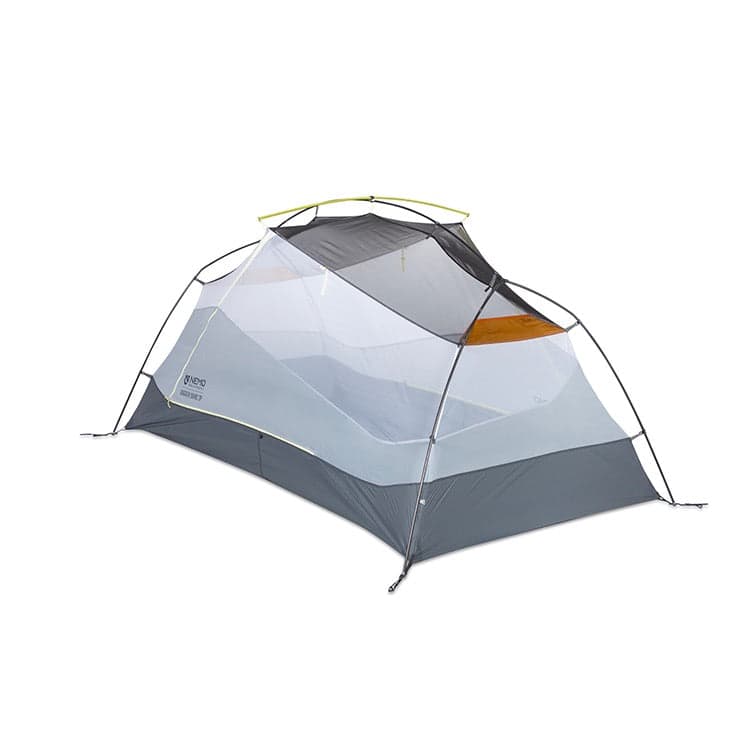
- You're new to trekking-pole shelters. The learning curve is real — expect a frustrating first few pitches before the technique clicks. If you want a conventional, foolproof pitch out of the box, a semi-freestanding tent like the Nemo Hornet Osmo 2P is a gentler entry point into ultralight camping.
- You want the best possible two-person livability. The Duplex Pro is roomy for a UL tent, but the Durston X-Mid Pro 2's offset-pole geometry is specifically engineered to fit two adults sleeping side-by-side without foot brush at the door — a real advantage for couples who actually share a tent every night.
- You need it fast. As an established, high-volume cottage manufacturer, Zpacks generally ships faster than smaller one-person operations, but if timing is critical, confirm current lead times before ordering either DCF tent.
How it compares
Within its own list, the Duplex Pro's most direct rival sits right behind it. The Durston X-Mid Pro 2 undercuts the Duplex Pro by $200 and offers arguably better two-person livability thanks to its offset-pole pyramid geometry, but Durston is a one-person operation with lead times that can stretch to 8-12 weeks during peak season — a real tradeoff against Zpacks' brand recognition and faster ship-out. Further down the list, the Nemo Hornet Osmo 2P offers a fundamentally different pitch experience — semi-freestanding, conventional poles, 90-second setup — for hikers who want ultralight weight savings without learning DCF and trekking-pole technique, at the cost of a genuinely tight interior for two.
The Duplex Pro's case isn't that it wins every category outright — the X-Mid Pro 2 arguably beats it on livability and price — it's that it remains the most proven, most broadly trusted choice in a category where trust, built over a decade of thru-hiker miles, is worth real money.
The Gavler verdict
A 9.5, anchored by strong expert consensus (96) with a community rating (91) that reflects the genuine learning curve rather than any flaw in the tent itself. The Zpacks Duplex Pro is the thru-hiker default because it has earned that position the hard way — over a decade of field use on the trails where tent failure has real consequences. Buy it if you're committing to ultralight backpacking and willing to learn the pitch; if two-person comfort or price is the deciding factor, give the Durston X-Mid Pro 2 serious consideration first. For most solo or paired thru-hikers asking "what tent should I actually carry," this is still the answer.
Common Questions
For committed ultralight backpackers, yes. It ranks first on Gavler's Best Backpacking Tents list with a 9.5, and it earns that spot as the tent that effectively created the modern ultralight cottage industry. At 799 dollars for 20.1 ounces of stretch-free, waterproof DCF, it's expensive on a per-ounce basis but genuinely transformative for anyone carrying it across a 2,000-plus-mile thru-hike. The real caveat isn't the price — it's the learning curve. Beginners struggle with the first dozen trekking-pole pitches.
The Pro refresh tightens the door geometry, improves ridge ventilation, and bumps the weight slightly, from the original's 19 ounces to 20.1 ounces, in exchange for measurable durability gains. It's an evolution, not a reinvention — the core trekking-pole-supported, single-wall DCF design that made the original Duplex the thru-hiking default is unchanged. If you already own an original Duplex in good condition, the Pro isn't an urgent upgrade; if you're buying new, the Pro's small weight penalty buys real improvements.
In the specific ways that matter for a trekking-pole shelter, yes. DCF is stretch-free, so a Duplex Pro pitched in a downpour stays taut all night, while silnylon tents absorb water, stretch, sag, and often need a midnight re-tension. DCF is also fully waterproof rather than water-resistant. The tradeoff is puncture resistance — DCF is less forgiving of sharp sticks or rocks on a poorly cleared site than silnylon, which can take more abuse before failing.
Buy the Duplex Pro for brand pedigree, a slightly lighter build, and faster ship-out from an established, high-volume cottage manufacturer. Buy the X-Mid Pro 2 if two-person livability and price are the priority — its offset-pole geometry genuinely fits two adults sleeping side-by-side better, and at 599 dollars it undercuts the Duplex Pro by 200 dollars. The tradeoff with Durston is lead time, which can stretch to 8 to 12 weeks during peak season since it's largely a one-person operation.
Where to Buy.
Prices checked regularly
90-day price history
Price History
Steady at $799 for the entire 90-day tracking window — no increases, no discounts, across 91 tracked days.
Tracked daily across retailers. Vote Want itabove and we’ll alert you the moment the price drops.
Some links are affiliate links — Gavler may earn a commission. This never affects rankings or scores. Learn more.
Precision Engineering
DCF Construction
Dyneema Composite Fabric — waterproof, stretch-free, and the lightest tent fabric in production.
20.1 oz Trail Weight
Less than half the weight of flagship freestanding 2P tents.
Trekking-Pole Supported
Pitches with two trekking poles — no separate tent poles to carry.
Technical Specifications
The Scoreboard
Thru-hiker community consensus pick. Casual backpacker community ratings drop because of the learning curve on first pitches.
Cast Your Vote
Do you think Zpacks Duplex Pro deserves the #1 spot in Best Backpacking Tents?
Global Critique
“Still the gold standard for thru-hiker tents — the Pro refresh just makes it slightly more bulletproof.”
“The cottage tent every other UL maker is benchmarked against.”
More from Best Backpacking Tents.
See how other top picks compare in this category.