The Best Gaming Handhelds in 2026: A Price Hike Just Reshuffled the Whole Field
Steam Deck OLED, ROG Xbox Ally X, Switch 2, Legion Go 2. Gavler ranks the best gaming handhelds of 2026 — and a May price hike just reshuffled the value math.
Published June 2026 — Amazon Prime Day is live now (June 23-26) and Independence Day is T-11 (July 4). Below: the handhelds from Gavler's Best Gaming Handhelds list worth buying right now, re-evaluated after a May price hike reshuffled the whole field.
The gaming handheld is no longer a niche. In a little over three years it went from a single quirky Valve experiment to a genuine product category with flagship tiers, value tiers, and a Nintendo juggernaut sitting in the middle of it. And in May 2026, the whole field got reshuffled by something most buying guides ignore: price. Valve raised the Steam Deck OLED by up to $300, the same AI-driven memory shortage that is squeezing the entire electronics industry, and in doing so it narrowed the single biggest advantage the category leader ever had. The Deck is still the smartest buy for most players. But "most" is doing more work than it was six months ago.
What's Changed in 2026
Three shifts worth knowing before you buy:
- The memory shortage made handhelds more expensive across the board. On May 27, 2026, Valve pushed the 512GB Steam Deck OLED from $549 to $789 and the 1TB model from $649 to $949 — increases of 43 to 46 percent — citing the DRAM and NAND flash crunch driven by AI data-center demand. Sony and Microsoft raised console prices in the same window. The upshot: the Deck's old role as the obvious value pick is weaker, and the gap between it and the $999 ROG Xbox Ally X is now small enough to make the Ally X a real consideration for buyers who want power.
- Windows handhelds finally feel handheld-native. The Ally X ships with the Xbox full-screen experience — a console-style interface that boots instead of the Windows desktop — which fixes the single biggest complaint about Windows handhelds: that they felt like laptops with the screen ripped off. Combined with the Ryzen AI Z2 Extreme silicon, it is the first Windows handheld that competes with the Deck on experience, not just on a spec sheet.
- The premium tier got a SteamOS option. The Lenovo Legion Go 2, already the most lavish Windows handheld going, arrived in a SteamOS variant in June 2026 from $1,199. For the first time, players who want Valve's software no longer have to accept Valve's hardware ceiling — you can now get an 8.8-inch 144Hz OLED running SteamOS, if you are willing to pay roughly double the cost of a Deck.
The Three That Define the Decision
Most people choosing a handheld in 2026 are really choosing between three devices, and the choice comes down to which library you want, not which benchmark wins.
The Smart Default — Steam Deck OLED ($789)
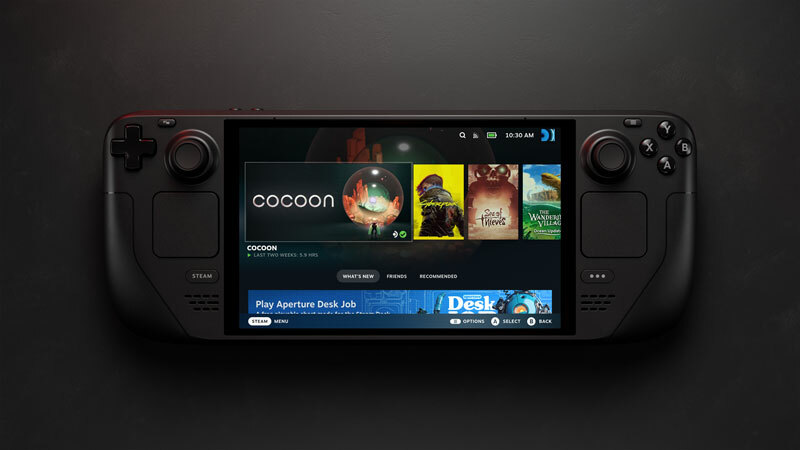
Steam Deck OLED
Valve's handheld PC with a gorgeous 7.4-inch HDR OLED screen and the polished SteamOS experience.
Amazon affiliate · price subject to change
The Steam Deck OLED tops Gavler's list with a 9.3, and even after the price hike it remains the handheld most players should buy. Its 7.4-inch HDR OLED screen is still the benchmark the rest of the category is measured against, SteamOS is the most polished handheld software by a wide margin — it boots straight into your library and stays out of the way — and battery life on demanding games leads the Windows competition. Tom's Hardware calls it the consensus best-value handheld of 2026, praised above all for its screen and software.
What changed is the price, and it matters. At $549 the Deck OLED was a runaway value; at $789 it is merely a strong one, and the gap to the more powerful Ally X has closed to the point where power-focused buyers should genuinely weigh both. It is still the right call for anyone with a large Steam library who wants the best screen and the least friction — just go in knowing the value argument is narrower than it was last year.
The Power Pick — ROG Xbox Ally X ($999)
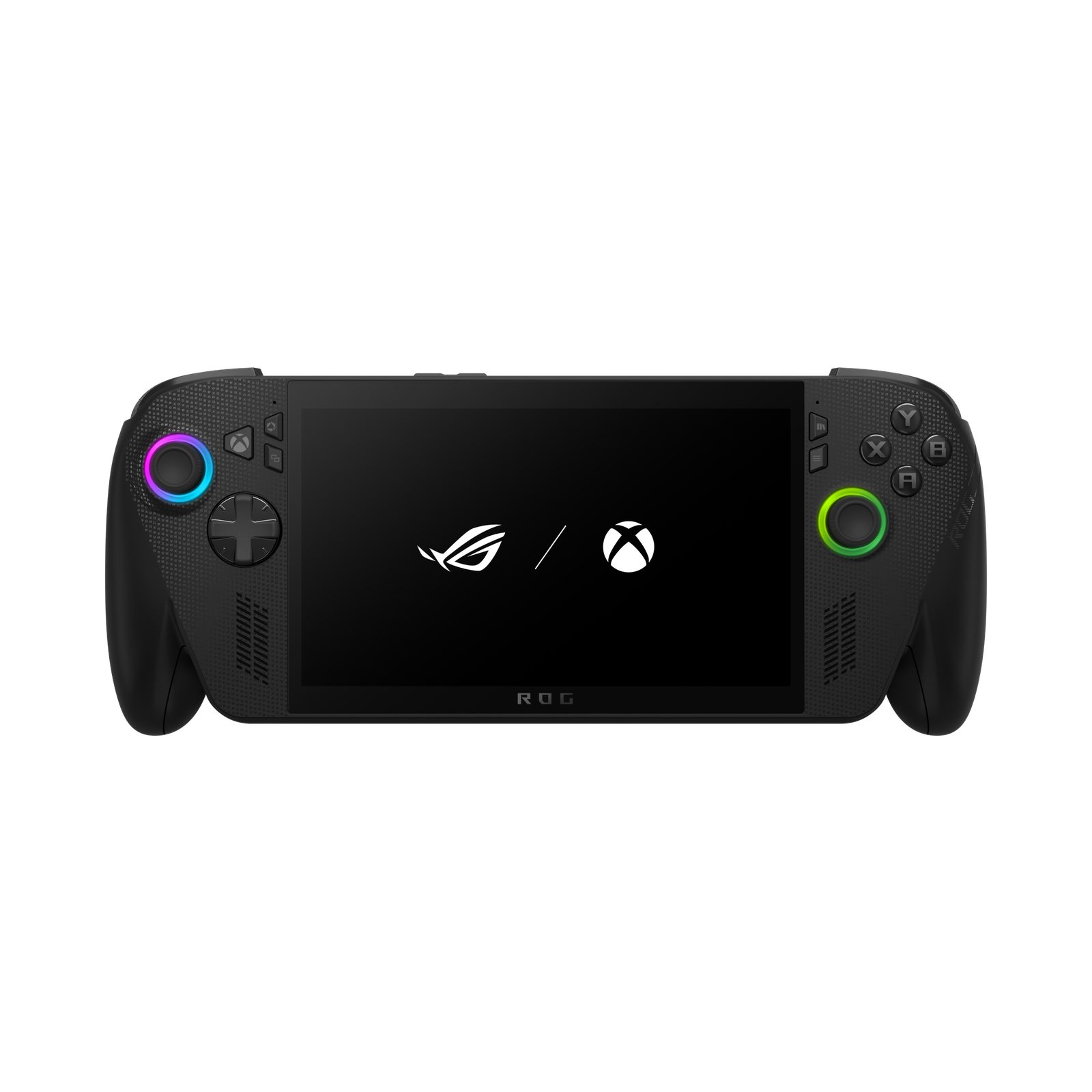
ROG Xbox Ally X
Asus and Xbox's premium handheld — Ryzen AI Z2 Extreme silicon and an Xbox full-screen interface.
Amazon affiliate · price subject to change
The ROG Xbox Ally X at 9.0 is the handheld to buy if you live in Game Pass or want to play demanding AAA games at native 1080p. Asus and Microsoft's collaboration pairs the AMD Ryzen AI Z2 Extreme with 24GB of RAM and a 7-inch 1080p 120Hz display, and crucially it boots the Xbox full-screen interface rather than the Windows desktop — the change that finally makes a Windows handheld feel built for the hand, not adapted to it. Windows Central rates it the best overall balance of performance and features in the 2026 field.
You pay for it, both in dollars and in endurance. At $999 it is $210 more than the Deck OLED, and like every powerful Windows handheld it runs hotter and shorter under load — figure roughly 3.5 hours in a demanding RPG versus the Deck's 2.5, but well short of the Switch 2 in light games. For players who want maximum performance and the full Windows software universe, it earns the premium. (Note for the spec-chasers: Asus also showed a halo ROG Xbox Ally X20 with an OLED screen at Computex 2026, but with a bundle price expected well above $2,000, it is a showcase product, not the one to buy.)
The Nintendo-Only Pick — Nintendo Switch 2 ($449)
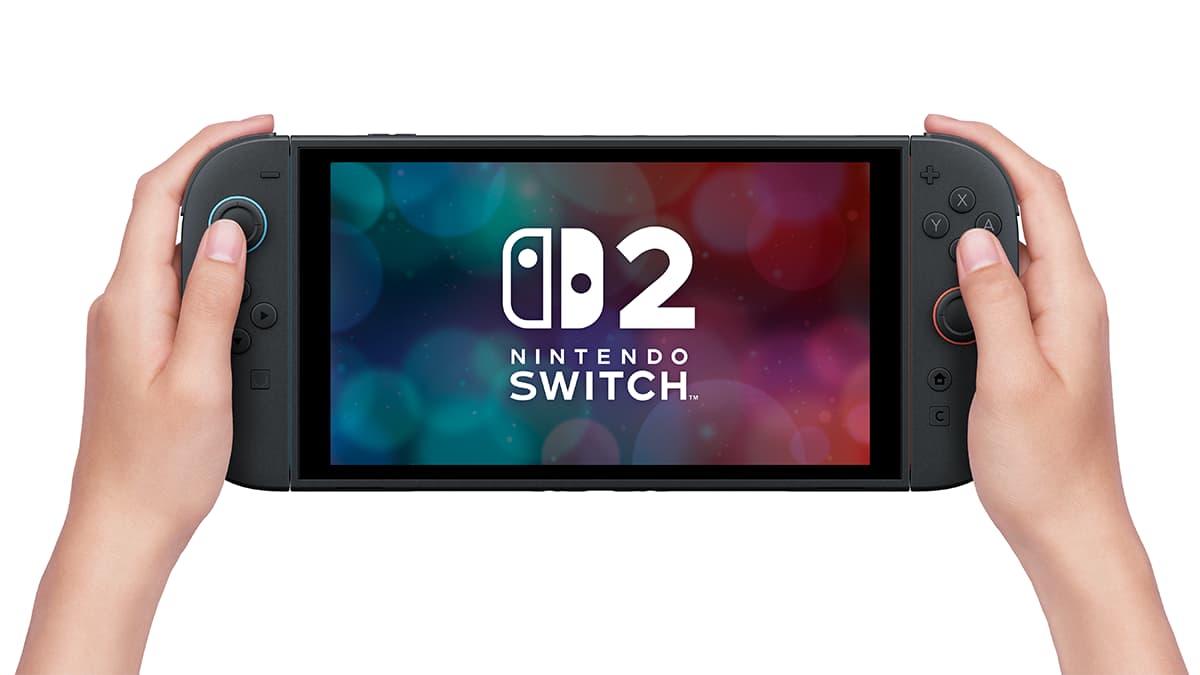
Nintendo Switch 2
Nintendo's hybrid console-handheld sequel with a 7.9-inch 1080p/120Hz screen and a major power jump.
Amazon affiliate · price subject to change
The Nintendo Switch 2 at 9.1 is on this list because it is a handheld, but its real category is "the only way to play Nintendo." A year after its June 2025 launch it has sold more than 19 million units, and it pairs a vivid 7.9-inch 1080p 120Hz HDR screen with the genuine TV-docking hybrid design no PC handheld matches and an exclusive library — Mario, Zelda, Metroid — that no amount of handheld horsepower can replicate.
It is roughly ten times more powerful than the original Switch, but raw power is not why you buy it; the exclusives are. At $449 it is also the most affordable device in the top three. The honest caveat is that it is a closed ecosystem — it will not play your Steam library, mods, or emulators — and Nintendo's game pricing runs high. But for the player who wants Nintendo's catalog, there is no decision to make: this is the device, and it is the easiest recommendation in the category.
The Premium Tier — Lenovo Legion Go 2 ($1,199)
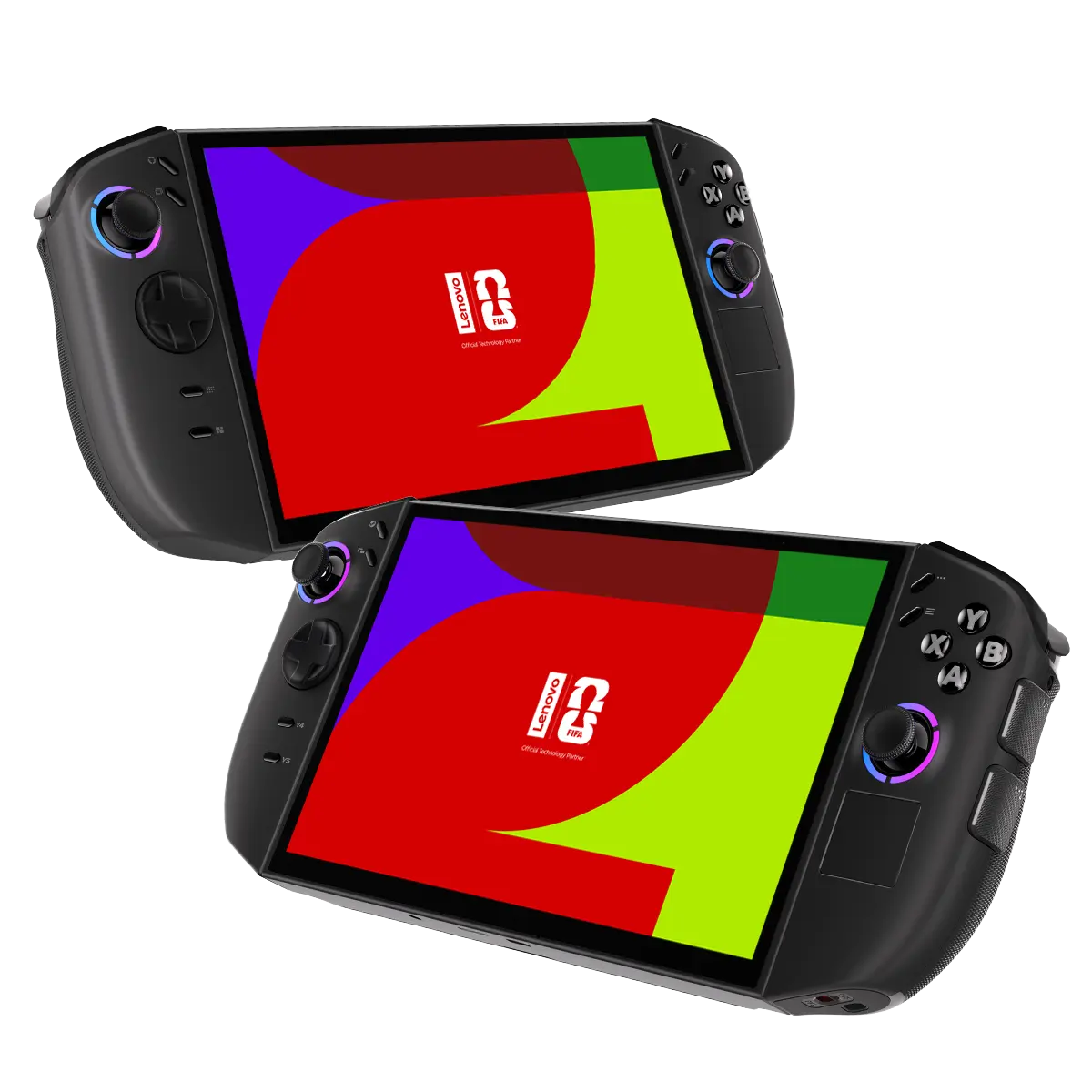
Lenovo Legion Go 2
A premium 8.8-inch OLED 144Hz Windows handheld with detachable controllers.
Amazon affiliate · price subject to change
The Lenovo Legion Go 2 at 8.6 is the maximalist's handheld. Its 8.8-inch 1920x1200 OLED runs at 144Hz with variable refresh — the most impressive display on any handheld — and it keeps the line's signature tricks: detachable Switch-style controllers, an integrated kickstand, a right-controller FPS mouse mode, and up to 32GB of fast memory. The SteamOS variant that arrived in June 2026 from $1,199 means you can now get this hardware without Windows, a first for the premium tier.
The catch is obvious from the price. Tested configurations run as high as $1,349.99, making it one of the most expensive handhelds on the market, and at that price it competes less with other handhelds than with a gaming laptop. It ranks below cheaper devices on Gavler precisely because value is part of the ranking — but if you want the best screen and the most hardware in a portable, and price is not the constraint, nothing else here matches it.
The Value Alternatives
If the flagships are more than you need, two older or simpler devices deliver most of the experience for meaningfully less.
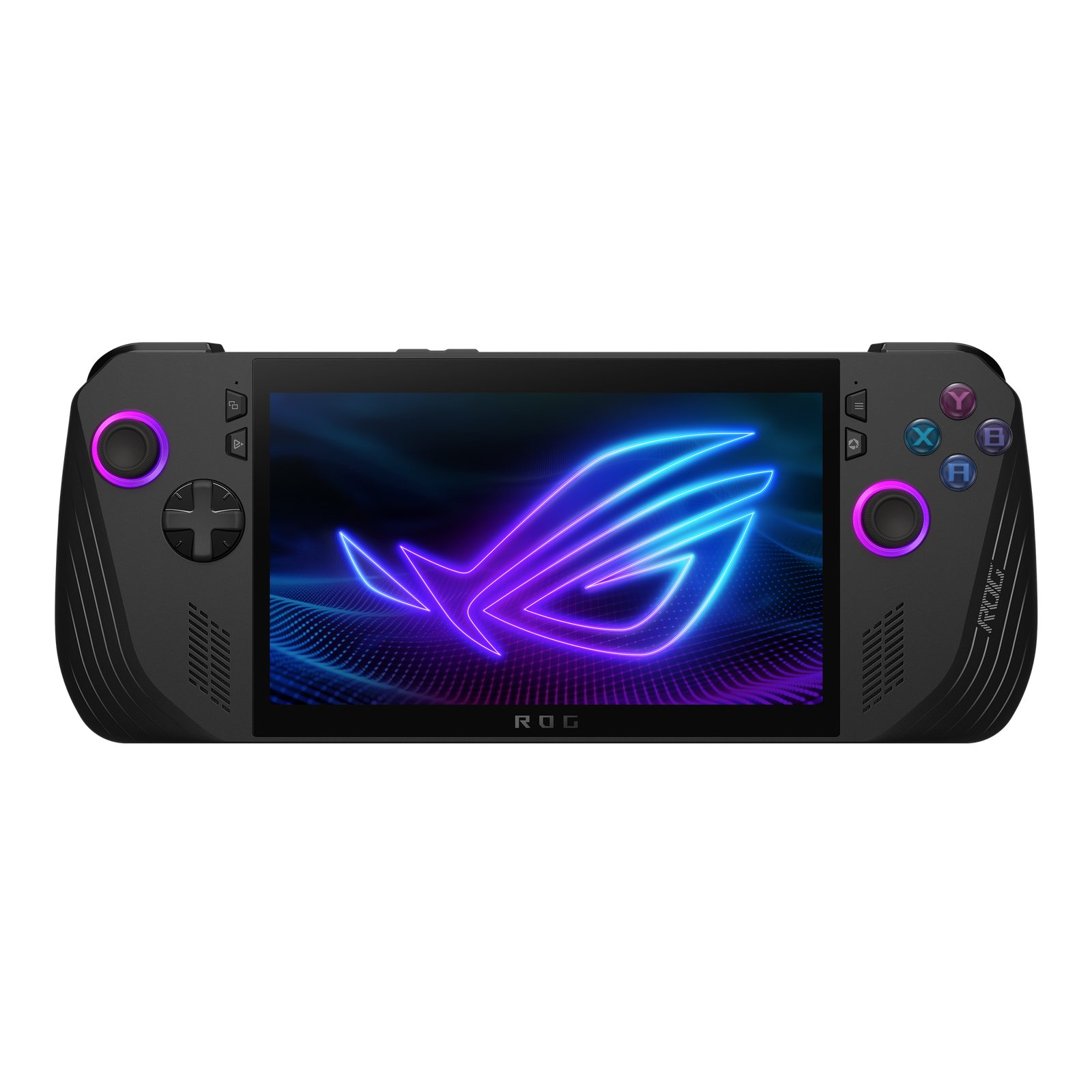
Asus ROG Ally X
An upgraded ROG Ally with an 80Wh battery, 24GB RAM, and the Z1 Extreme chip.
Amazon affiliate · price subject to change
The Asus ROG Ally X at 8.7 is the 2024 Windows handheld that has aged into a value pick. Its 80Wh battery is still among the largest in the category, it carries 24GB of RAM, and now that newer models exist its price has come down. You lose the Xbox full-screen interface and the newest silicon, but you keep strong 1080p performance and all-day endurance — a smart buy for a Windows-curious player who does not want to pay flagship money.
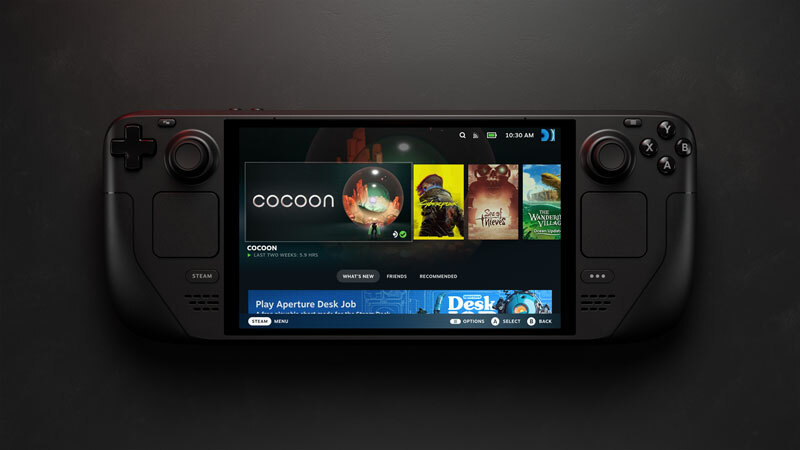
Steam Deck (LCD)
The original LCD Steam Deck, which Valve discontinued new in late 2025; now sold refurbished and used only.
Amazon affiliate · price subject to change
The Steam Deck LCD at 8.8 is the cheapest way into SteamOS at around $399. You trade the OLED screen and some battery for the lowest price of entry, but the thing that makes the Deck great — Valve's software and your Steam library in your hands — is fully intact. For a first handheld, or for a player who wants SteamOS without the OLED premium, it is still a brilliant value entry point even as the OLED model has climbed in price.
The Specialists
Two more handhelds round out the list for specific buyers.
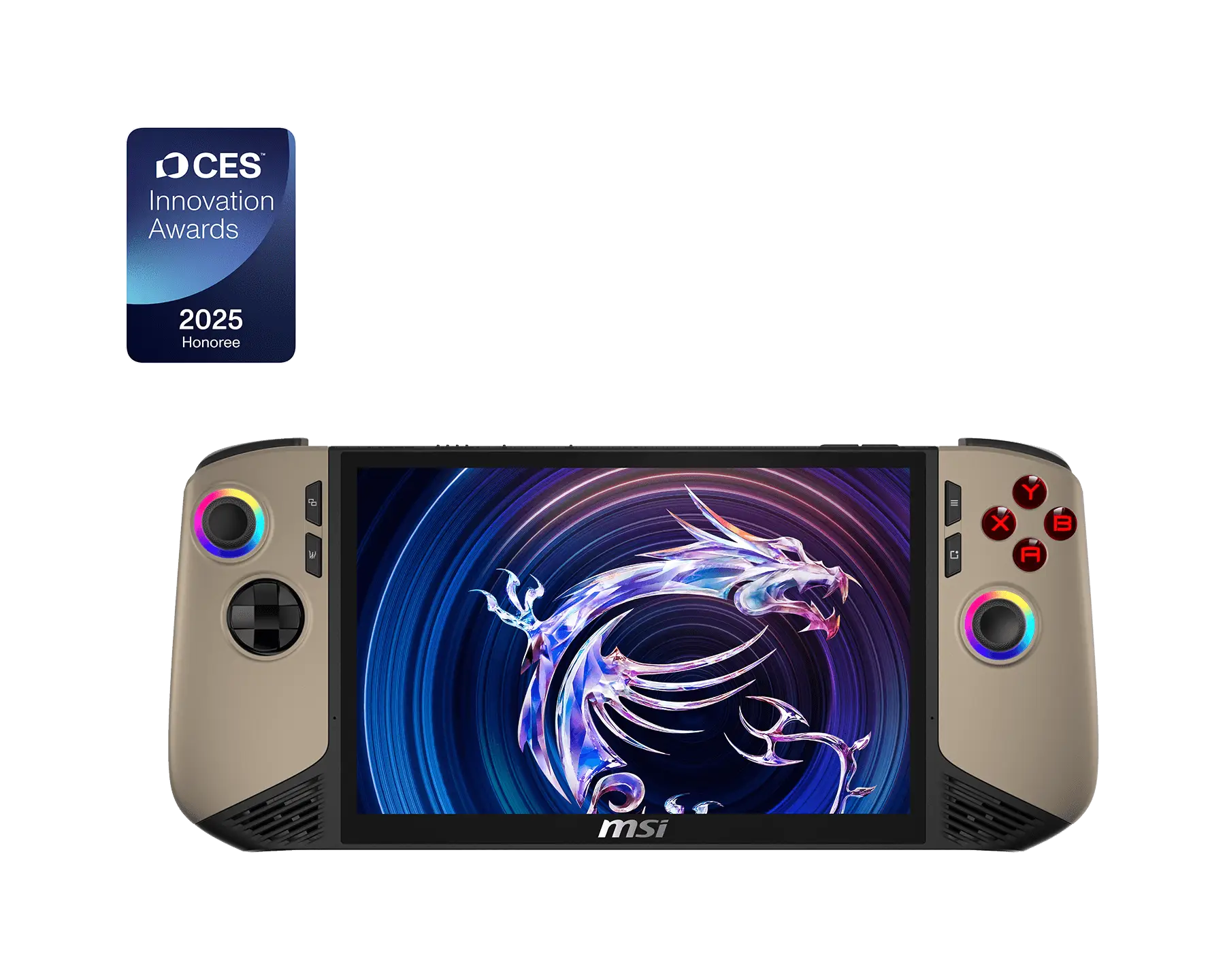
MSI Claw 8 AI+
An 8-inch Windows handheld powered by Intel Lunar Lake silicon and a large 80Wh battery.
Amazon affiliate · price subject to change
The MSI Claw 8 AI+ at 8.3 is the strongest showing yet for Intel silicon in a handheld. Its 8-inch screen and large battery make it a credible Windows alternative for buyers who specifically want Intel's platform, with performance that finally competes with the AMD field rather than trailing it. It is a niche pick, but a genuinely improved one.
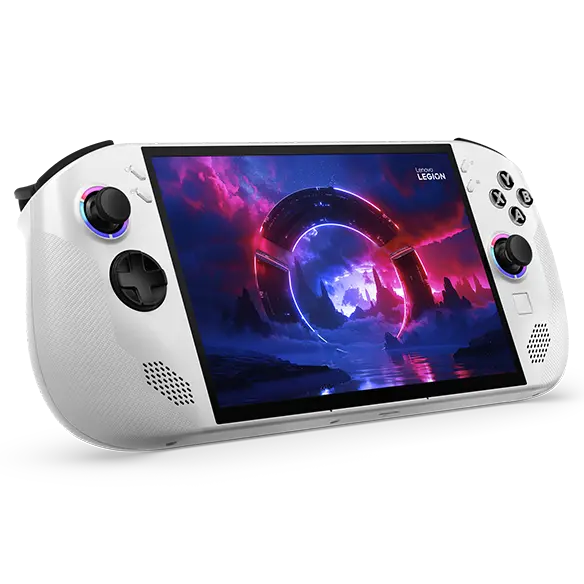
Lenovo Legion Go S
A more affordable 8-inch Legion Go available in SteamOS or Windows configurations.
Amazon affiliate · price subject to change
The Lenovo Legion Go S at 8.4 is the more affordable Legion, with an 8-inch 120Hz screen available in either SteamOS or Windows flavors at around $599. It splits the difference between the value tier and the premium Legion Go 2 — a good fit for a player who wants a bigger screen and the Legion build without the flagship's price.
Prime Day and the Buying Window
This is an unusual Prime Day for handhelds, and the reason is the same shortage driving prices up everywhere. Do not expect a Steam Deck discount — Valve just raised prices and rarely discounts its hardware — and the Switch 2 remains supply-constrained enough that real markdowns are scarce. The cuts that do appear during the June 23-26 window tend to land on Windows handhelds with inventory to move: the Asus ROG Ally X, the MSI Claw 8 AI+, and the Lenovo Legion Go S are the likeliest to drop. If a flagship Deck or Switch 2 is what you want, buy it when you need it — waiting on a Prime Day price that probably will not come is the wrong bet in a year when memory costs are pushing the whole category higher.
The Gavler Connection
The community has ranked all eight handhelds on Gavler's Best Gaming Handhelds list — from the Steam Deck OLED at the top through the Legion Go S — and it is one of the launch lists in Gavler's new Gaming category. Architecture first — SteamOS vs Windows vs a Nintendo hybrid — is the gaming-handheld buying guide. The May price hikes have genuinely changed the value math across the field, so the ranking is in motion right now: cast your vote for the handheld you actually game on, and watch the order shift as more players weigh in.
See all 8 products ranked by the community
Best Gaming Handhelds
See Full Rankings →247 community votes cast
Common Questions
It depends on which ecosystem you live in, and that is the honest answer rather than a dodge. For the largest number of players, the Steam Deck OLED is still the smartest buy — it ranks first on Gavler with a 9.3 on the strength of the best screen and the most polished software in the category. But Valve raised its price sharply in May 2026, so its old value advantage has narrowed, and two rivals are now genuinely competitive. If you live in Game Pass or want to play demanding AAA games at native 1080p, the ROG Xbox Ally X is the performance pick. If you want first-party Nintendo games, the Switch 2 is the only device that plays them, full stop. Pick the library first, then the hardware.
Buy the Steam Deck OLED if you want the best handheld display, the longest battery life on demanding games, and the simplest software — SteamOS boots straight into your Steam library and gets out of the way. Buy the ROG Xbox Ally X if you need raw power, native Game Pass, and the ability to run anything Windows runs, including launchers SteamOS does not officially support. The Ally X delivers roughly 1080p 60 fps in titles where the Deck targets 800p, and it carries the new Xbox full-screen interface that finally makes Windows feel handheld-native. The trade-offs are price and battery: the Ally X is $999 versus the Deck's $789, and Windows handhelds historically run hotter and shorter under load. Power versus polish is the whole decision.
They are not really the same product, which is why both can be a correct answer. The Nintendo Switch 2 at $449 is the only place to play Mario, Zelda, Metroid, and the rest of Nintendo's first-party catalog, and it pairs a gorgeous 7.9-inch 1080p 120Hz HDR screen with a true TV-docking hybrid design and the best exclusive library in gaming. The Steam Deck OLED is an open PC: it plays your existing Steam library, supports mods and emulation, and gives you a desktop when you want one — but it will never play a Nintendo exclusive. If you want Mario, buy the Switch 2. If you want your PC library in your hands, buy the Deck. Plenty of people end up owning both because they solve different problems.
Yes, and significantly. On May 27, 2026, Valve raised Steam Deck OLED pricing by up to $300 — the 512GB model went from $549 to $789, and the 1TB model jumped from $649 to $949, increases of roughly 43 to 46 percent. Valve attributed the hike to rising component costs, specifically the global DRAM and NAND flash shortage created by AI data-center demand. This is not unique to Valve: Sony raised the PS5 and Microsoft raised the Xbox Series X in the same window. The practical effect for buyers is that the Deck's signature advantage — being the cheap, high-value option — has shrunk, which is exactly why the category is worth re-evaluating right now rather than assuming last year's rankings still hold.
For the right buyer, yes. The ROG Xbox Ally X launched in October 2025 at $999.99 with an AMD Ryzen AI Z2 Extreme processor, 24GB of RAM, 1TB of storage, and a 7-inch 1080p 120Hz display, and it ships with the Xbox full-screen experience that boots into a console-like interface instead of the Windows desktop. Tom's Hardware and Windows Central both single it out as the best overall balance of performance and features among 2026 handhelds. It earns the premium if you want native Game Pass, the strongest mainstream handheld performance, and full Windows compatibility. It is overkill if you mostly play indies and older games, where the cheaper Steam Deck or a 2024 ROG Ally X gives you most of the experience for far less.
The Steam Deck LCD at around $399 is the cheapest genuinely good handheld, and it is the cheapest way into SteamOS. You give up the OLED screen, some battery life, and a bit of polish versus the Deck OLED, but the core experience — your Steam library, in your hands, on Valve's excellent software — is intact. The other value play is the 2024 Asus ROG Ally X, which has dropped in price now that newer models exist and still offers excellent Windows performance and an 80Wh battery. Between the two, choose SteamOS simplicity (Steam Deck LCD) or Windows flexibility (ROG Ally X) — both deliver most of the flagship experience for several hundred dollars less.
Some do, but this is a weak Prime Day for handhelds specifically, and the reason is the same shortage driving prices up everywhere: the AI-driven memory crunch is pushing handheld costs higher, not lower. Do not expect Steam Deck discounts — Valve just raised prices and almost never discounts its hardware — and the Switch 2 remains supply-constrained enough that real markdowns are rare. The discounts that do appear during Prime Day 2026 (June 23-26) tend to land on Windows handhelds with inventory to move: the 2024 Asus ROG Ally X, the MSI Claw 8 AI+, and the Lenovo Legion Go S are the models most likely to see genuine cuts. If you want a Steam Deck or a Switch 2, buy it when you need it; waiting for a Prime Day price that probably is not coming is the wrong bet this year.
Gavler's Best Gaming Handhelds list is ranked by community vote, weighted toward real-world buying value rather than spec-sheet maximums. That is why the Steam Deck OLED sits at the top despite not being the most powerful device on the list, and why a $1,199 Legion Go 2 with the best screen ranks below a $449 Switch 2 — the ranking reflects what most players actually get the most out of, not which device wins a benchmark. You can vote on the list yourself and watch the order shift as more players weigh in, which is especially worth doing right now while the May price hikes are still reshaping the value calculus across the whole category.
Products Mentioned
Jump to the full ranking and community verdict for each pick named above.
- Steam Deck OLEDGaming · Best Gaming Handhelds
- ROG Xbox Ally XGaming · Best Gaming Handhelds
- Lenovo Legion Go 2Gaming · Best Gaming Handhelds
- Nintendo Switch 2Gaming · Best Gaming Handhelds
- Asus ROG Ally XGaming · Best Gaming Handhelds
- MSI Claw 8 AI+Gaming · Best Gaming Handhelds
- Lenovo Legion Go SGaming · Best Gaming Handhelds