Excellent Repairability: Steam Machine Tear-Down and Accessing RAM & SSD
Gamers Nexus
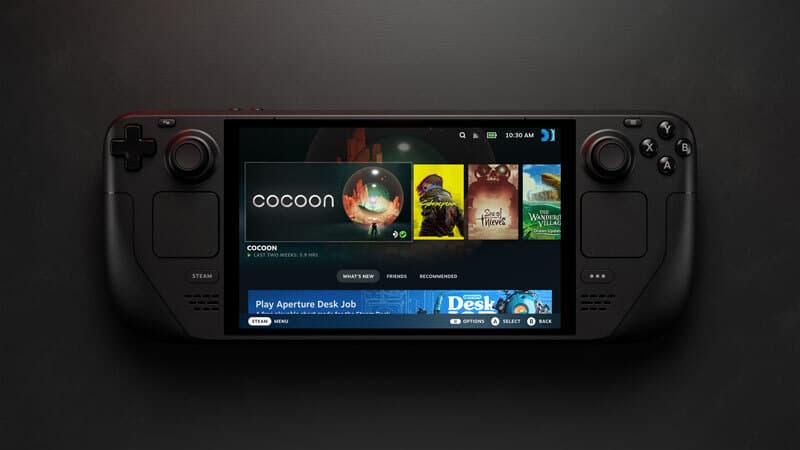
Valve's handheld PC with a gorgeous 7.4-inch HDR OLED screen and the polished SteamOS experience.
Lowest price in 90 days
Gavler Meta-Score
“The best display on any handheld and the best software — but after Valve's May 2026 price hike it's no longer the outright value pick. Buy it for the OLED screen and SteamOS; weigh the cheaper, more powerful Windows rivals if value is the priority.”
The Gavler Verdict
Steam Deck OLED Review: Still the Best Screen and Software in Handhelds
The Steam Deck OLED ranks number 2 on Gavler's Best Gaming Handhelds list with a 9.1, and for most of its life it held a stronger claim than that — the default recommendation for anyone asking "which handheld should I buy." A vivid 7.4-inch HDR OLED screen, a 90Hz refresh rate, and SteamOS, which Tom's Hardware still calls "the best operating system on a gaming handheld," made it both the best-feeling and the best-value option in the category. That value case narrowed considerably in May 2026, when Valve raised prices to absorb a global memory-chip shortage. It's still the handheld most people should buy for the screen and the software. It's no longer the automatic value pick it was for three straight years.
Valve's Steam Deck redefined what a handheld gaming PC could be when it launched in 2022, and the OLED revision, released in late 2023, fixed nearly everything about the original LCD model in one pass: a genuinely gorgeous 7.4-inch HDR OLED panel that peaks around 1,000 nits, a jump to 90Hz refresh, meaningfully longer battery life, and a lighter, more comfortable chassis. Under the hood it's the same AMD Zen 2 + RDNA 2 APU as the original, so the performance ceiling hasn't changed — what changed is how good the experience of using it feels, hour after hour.
The other half of the pitch is software. SteamOS boots directly into your Steam library, is built from the ground up for controller navigation, and avoids the friction that still defines Windows-based handhelds. That combination — best screen, best software — was, for a long time, paired with the best price in the category. In May 2026, Valve raised the OLED line's pricing significantly to absorb the industry-wide DRAM and NAND shortage that hit the entire PC hardware market, and that repricing is the single biggest thing that's changed about the Deck's value proposition this year.
Tom's Hardware's ongoing coverage captures both halves of the story well. On the software side, its verdict remains unambiguous: "SteamOS is still, in my opinion, the best operating system on a gaming handheld, and the Deck still does a ton right." That's not faint praise — it's a direct comparison against every Windows handheld Tom's Hardware has tested since, including newer, more powerful rivals.
But the same outlet is equally direct about the price shift: "The Steam Deck used to be our top handheld gaming PC. But after Valve raised the price significantly to deal with the cost of memory and storage, it's just not a deal anymore." That's the honest crux of where the Deck stands in mid-2026 — the hardware and software experience haven't gotten worse, but the price-to-performance calculation that made it the default recommendation has shifted meaningfully in favor of competitors.
On the screen specifically, Windows Central's assessment lines up with Tom's Hardware: "The newer Steam Deck OLED boasts a far more impressive OLED screen that supports a higher refresh rate of 90Hz and can make colors come through far more vividly." Day to day, that screen quality is still the thing that separates the Deck from every IPS-panel Windows handheld on the market, including pricier ones.
The Deck OLED is still an excellent handheld, but the honest 2026 caveats are specific:
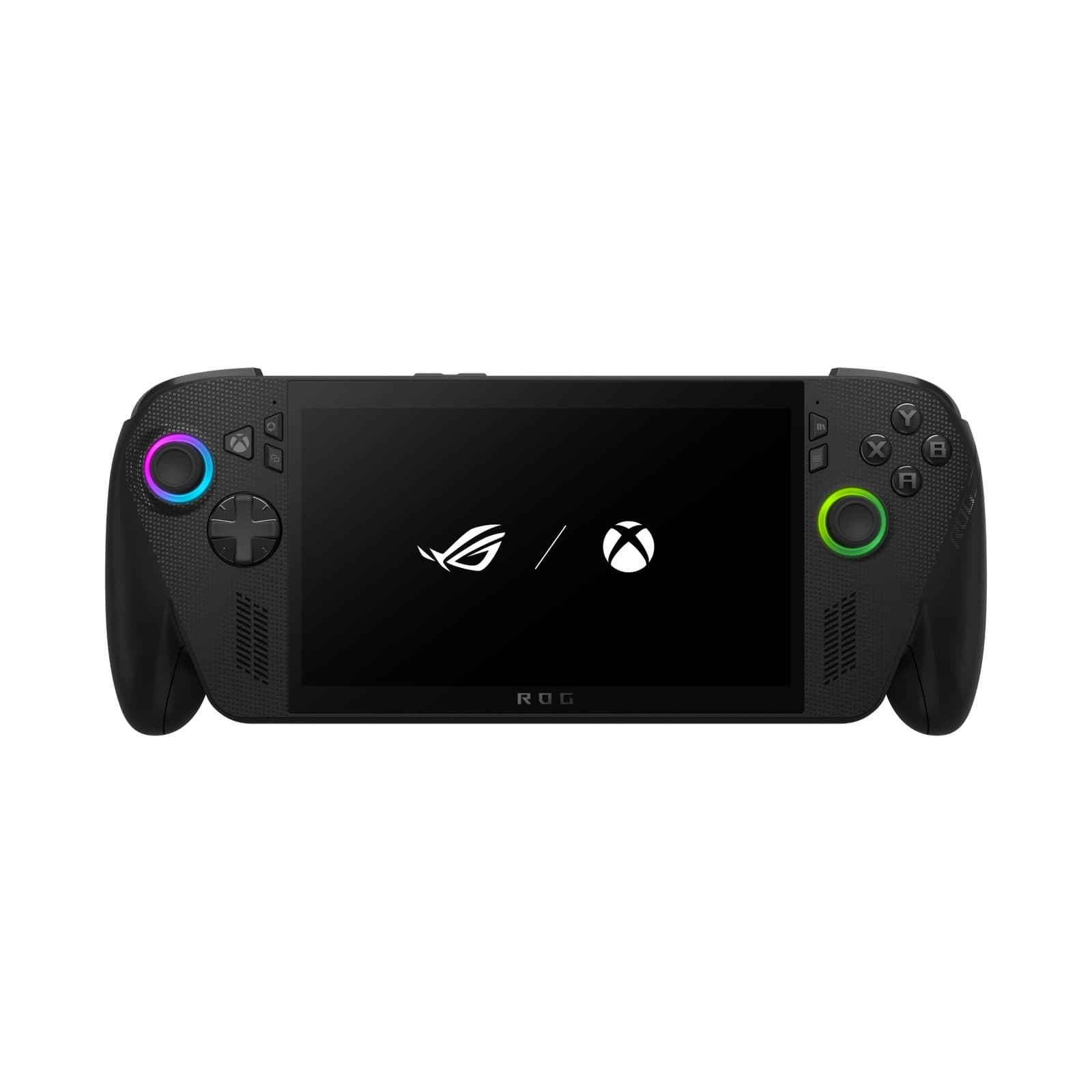
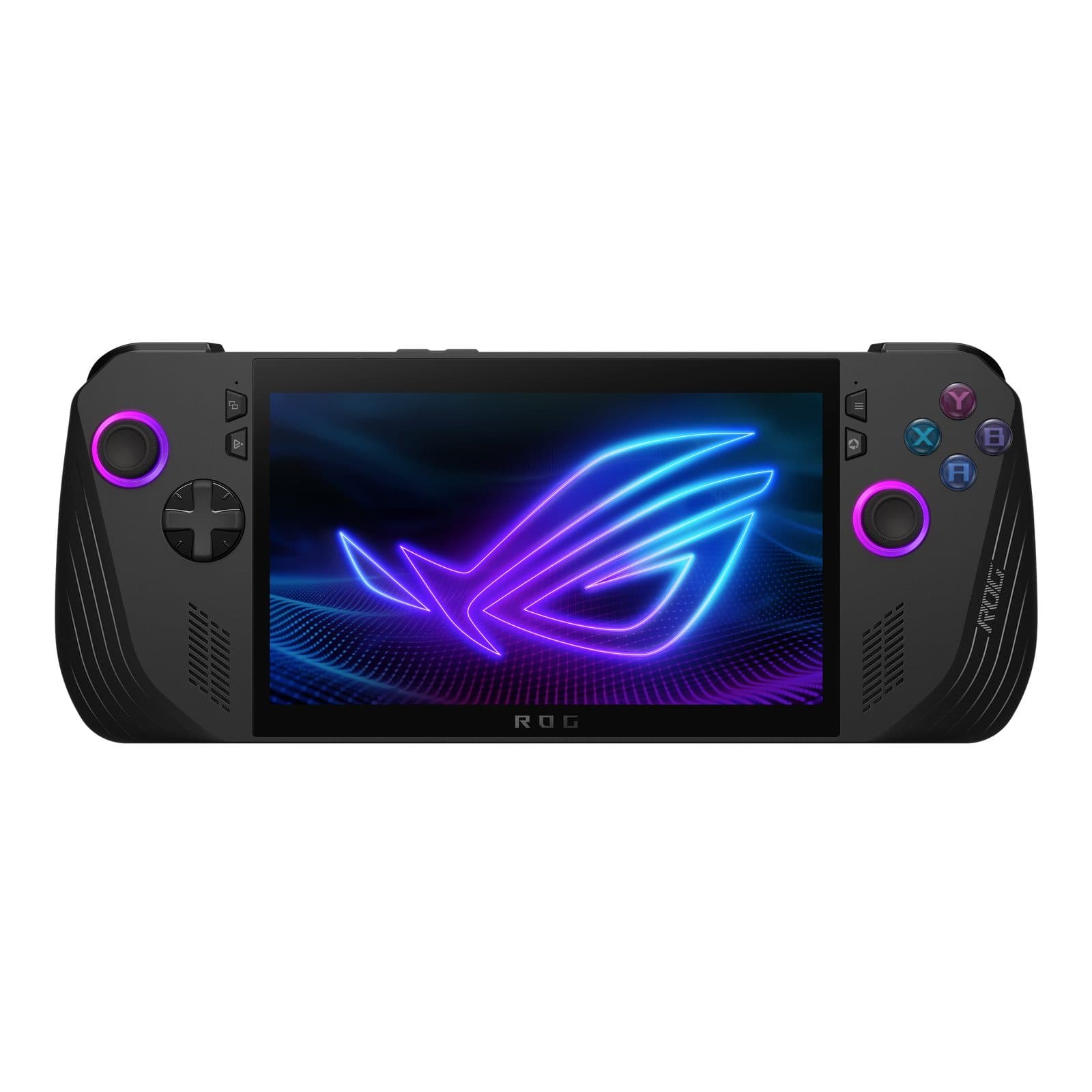
The clearest comparison on its own list sits directly above it: the ROG Xbox Ally X at rank 1, which both Tom's Hardware and Windows Central now name the best overall handheld of 2026 specifically because of the price shift described above. It costs more at $999 and trades the Deck's beloved OLED for an IPS panel, but it outpaces the Deck in demanding AAA titles and adds native Game Pass through the Xbox full-screen interface.
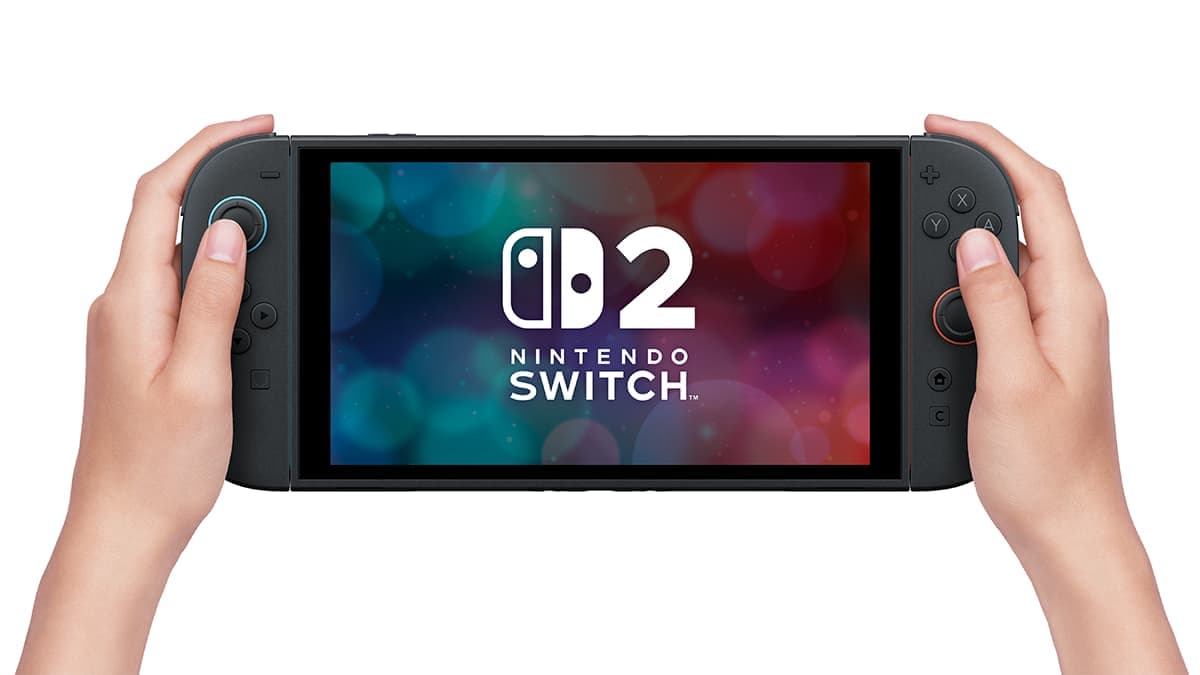
For Nintendo-first buyers weighing a second handheld, the Nintendo Switch 2 at rank 3 on this same list is worth a look too — it plays a completely different, closed-ecosystem library, but it's the natural complement to a Deck rather than a replacement for one, since neither device can play the other's exclusive catalog.
A 9.1 — still a very strong score, and still a genuine recommendation for the screen and the software. The Steam Deck OLED hasn't gotten worse; the ground shifted under it. If the best display and the smoothest software in the category are what matter most to you, it remains the right buy. If raw performance and value-for-money are your priority after Valve's 2026 price hike, put the ROG Xbox Ally X on your shortlist before you commit.
Yes, but it's a narrower case than it used to be. It ranks number 2 on Gavler's Best Gaming Handhelds list with a 9.1 — the OLED screen and SteamOS software are still the best combination in the category. But after Valve raised prices in May 2026 to absorb rising memory costs, Tom's Hardware no longer calls it the outright value pick, so weigh it against the ROG Xbox Ally X if raw performance matters more to you than screen quality.
Valve raised prices significantly in May 2026 to offset the industry-wide DRAM and NAND memory shortage. Tom's Hardware specifically noted the Deck 'used to be our top handheld gaming PC,' but after the price increase 'it's just not a deal anymore' relative to competitors.
Buy the Steam Deck OLED if screen quality and SteamOS's ease of use matter most to you — its 7.4-inch OLED panel and frictionless software remain the category benchmark. Buy the ROG Xbox Ally X if raw AAA performance and native Game Pass integration matter more; Tom's Hardware and Windows Central both now name it the best overall handheld following the Deck's price hike.
Valve rates it from roughly 3 hours in demanding AAA games up to about 12 hours in lighter titles, which still leads most Windows-based handhelds on endurance, according to Tom's Hardware.
Prices checked regularly
90-day price history
90-Day Low
$549
90-Day High
$789
Current
$549
Tracked daily across retailers. Vote Want it above and we’ll alert you the moment the price drops.
Some links are affiliate links — Gavler may earn a commission. This never affects rankings or scores. Learn more.
A roughly 1,000-nit OLED panel that remains the best display on any mainstream handheld — deeper blacks and smoother motion than the LCD competition.
Boots straight into your Steam library and is far easier to drive with a controller than Windows; Tom's Hardware calls it the best OS on a gaming handheld.
The OLED-era battery stretches from about 3 hours in demanding titles to 12 in lighter ones, leading Windows rivals on endurance.
Long the consensus best-value handheld for its OLED screen and SteamOS. After Valve's May 2026 price hike, Tom's Hardware no longer rates it the outright value pick — but its screen and software keep it a top community recommendation.
Do you think Steam Deck OLED deserves the #2 spot in Best Gaming Handhelds?
“SteamOS is still, in my opinion, the best operating system on a gaming handheld, and the Deck still does a ton right.”
“The Steam Deck used to be our top handheld gaming PC. But after Valve raised the price significantly to deal with the cost of memory and storage, it's just not a deal anymore.”
“The newer Steam Deck OLED boasts a far more impressive OLED screen that supports a higher refresh rate of 90Hz and can make colors come through far more vividly.”
Watch
Hand-picked from creators we trust — playable inline.
Excellent Repairability: Steam Machine Tear-Down and Accessing RAM & SSD
See how other top picks compare in this category.
A teraflop hangtag is the wrong first question. SteamOS, Windows Game Pass, or Nintendo first-party is the library. Then shop Gavler's live community ranking.
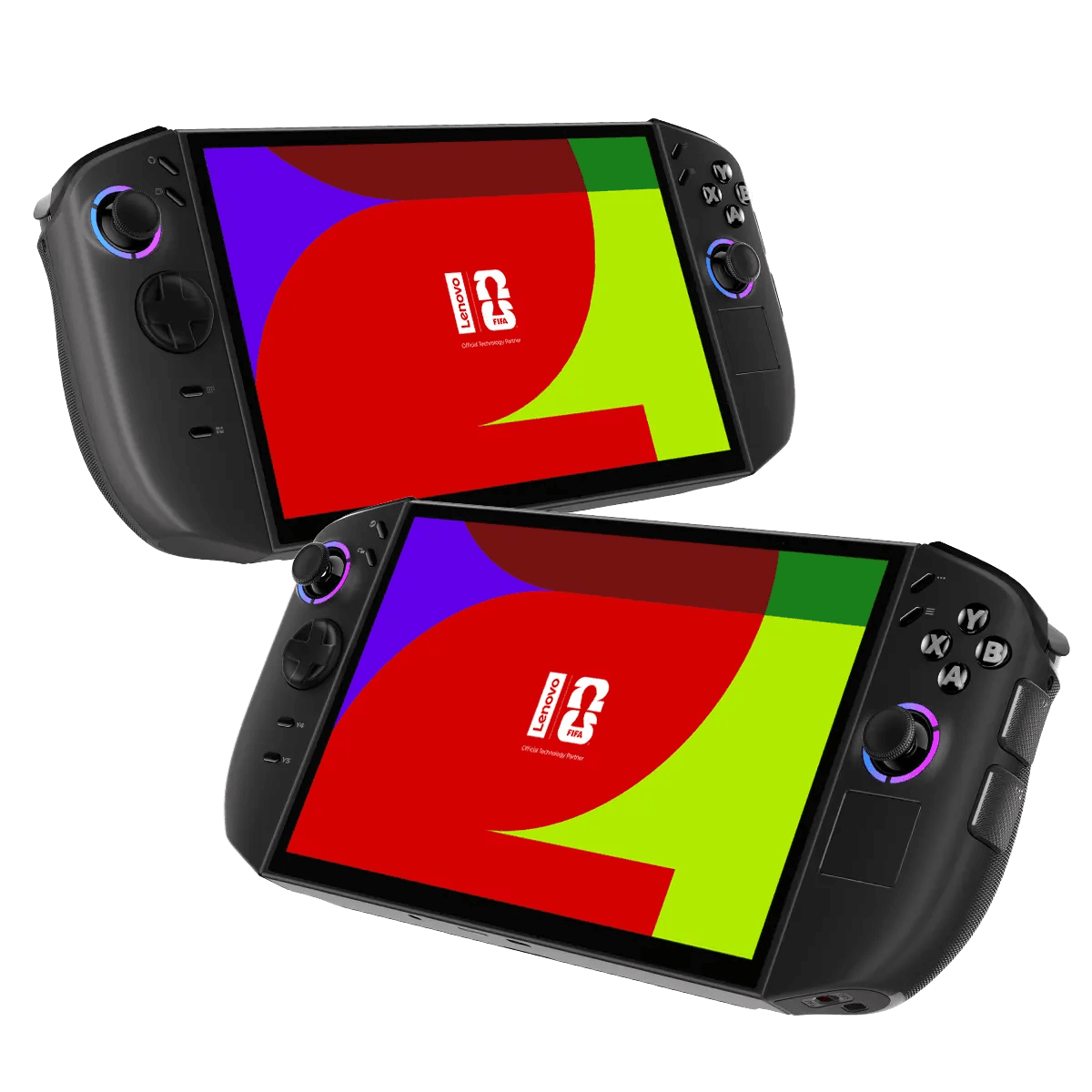
A 2TB Legion Go 2 now runs $2,849. The AI memory shortage wrecked handheld pricing — here's how to buy a great one in 2026 without overpaying.
Steam Deck OLED, ROG Xbox Ally X, Switch 2, Legion Go 2. Gavler ranks the best gaming handhelds of 2026 — and a May price hike just reshuffled the value math.