The Lenovo Legion 5i Gen 11 Has A Brand New Feature
ShortCircuit
A premium 8.8-inch OLED 144Hz Windows handheld with detachable controllers.
Gavler Meta-Score
“Overkill for most, perfect for the enthusiast who wants the biggest, best screen and modular controllers. Bring your wallet.”
The Gavler Verdict
Lenovo Legion Go 2 Review: The Best Handheld Screen, at a Serious Cost
The Lenovo Legion Go 2 ranks fourth on Gavler's Best Gaming Handhelds list with an 8.6 — a strong score that comes with an unusually large asterisk. PCWorld's Chris Hoffman, who tested the top-spec configuration, put it plainly: "The Lenovo Legion Go 2 is an awesome handheld gaming PC with the best display you'll find on a handheld gaming PC. The hardware is excellent, but the high price and the Windows 11 experience are huge drawbacks." At a tested price of $1,349.99, this is a handheld that costs more than a lot of full gaming laptops, and reviewers are unanimous that Windows 11 still isn't built for a device you hold in two hands. If you want the single best screen in this category and have the budget to match, it delivers. Everyone else should think hard before buying in.
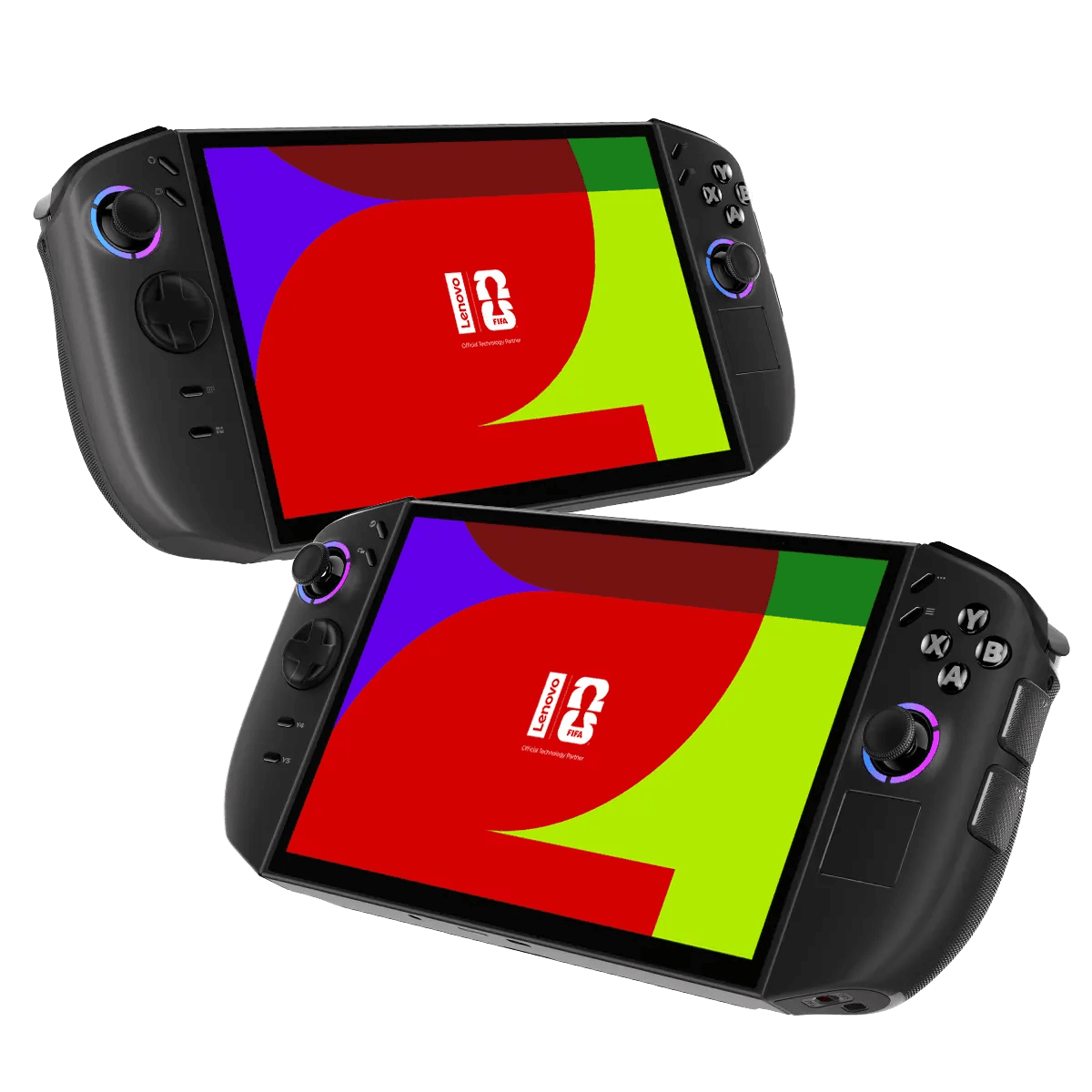
The Legion Go 2 is Lenovo's flagship Windows gaming handheld, built around an 8.8-inch, 1920x1200 OLED display running at up to 144Hz with variable refresh. Per Gavler's verified spec data, it pairs an AMD Ryzen Z2 Extreme processor with up to 32GB of LPDDR5X memory, runs either Windows 11 or SteamOS depending on configuration, and weighs in at roughly 920 grams with its Switch-style detachable controllers attached. PCWorld's tested unit ran the top spec — Ryzen Z2 Extreme, 32GB RAM, 1TB SSD — and listed it at $1,349, well above the $1,099 starting price for the base Ryzen Z2 model with 16GB of RAM.
The signature hardware idea, carried over from the original Legion Go, is the detachable controller system: pull the side controllers free like Joy-Cons, use the built-in kickstand for tabletop play, or flip the right controller into an "FPS Mode" that turns it into a handheld mouse for aiming. It's a more ambitious, more modular design than the Steam Deck's fixed-controller approach, and it comes with the weight and complexity trade-offs you'd expect.
Start with the screen, because it's genuinely the headline feature. PCWorld's reviewer didn't hedge: "I'm not sure I'd even want a larger screen than this one when I'm holding it this close to my face." With HDR support and up to 1,100 nits of peak brightness, it's the kind of display that makes older handhelds look dim and washed out by comparison — and both PCWorld and Windows Central independently landed on "best (and largest) screen on a gaming handheld" as their top-line takeaway. The glossy finish does introduce real glare outdoors or near windows, per PCWorld, and Windows automatically disables HDR while the device is unplugged "to save battery life" — a setting most users won't know to hunt down and re-enable.
Performance is a genuine step up from Lenovo's own prior handhelds. PCWorld's benchmarks showed the Ryzen Z2 Extreme configuration running "nearly twice as fast" as the Legion Go S's lower-end Ryzen Z2 Go chip across CPU-heavy workloads, and the handheld handled Shadow of the Tomb Raider at 40 fps on its highest settings — playable numbers that the Legion Go S couldn't hit. Battery life was a pleasant surprise too: PCWorld's standard video-playback test clocked over 13 hours, beating even a business laptop in the same test suite, though real gaming sessions will drain much faster depending on thermal mode.
The controllers themselves earn consistent praise — Hall-effect joysticks with no drift, a properly sized trackpad (a real upgrade over the tiny one on the Legion Go S), and a fingerprint reader built into the power button that speeds up Windows Hello sign-in meaningfully. The FPS Mouse Mode is a more mixed bag; PCWorld's reviewer wasn't sold on its ergonomics after some experimentation, though noted it might click with players willing to put in practice time.
The recurring frustration across every review, though, is Windows 11 itself. PCWorld catalogued specific annoyances: the on-screen keyboard's gamepad-navigation mode isn't on by default and is buried in settings most people will never find, and HDR quietly disabling itself unprompted is the kind of small papercut that adds up. Lenovo has promised handheld-specific UI improvements via a "Spring 2026" software update — but that means early buyers are stuck with the rough edges until then, while rivals like the ROG Xbox Ally ship with a more purpose-built interface out of the box.
This is a handheld built for enthusiasts with a specific set of priorities, and Gavler's own scoring notes are blunt about who it's for:
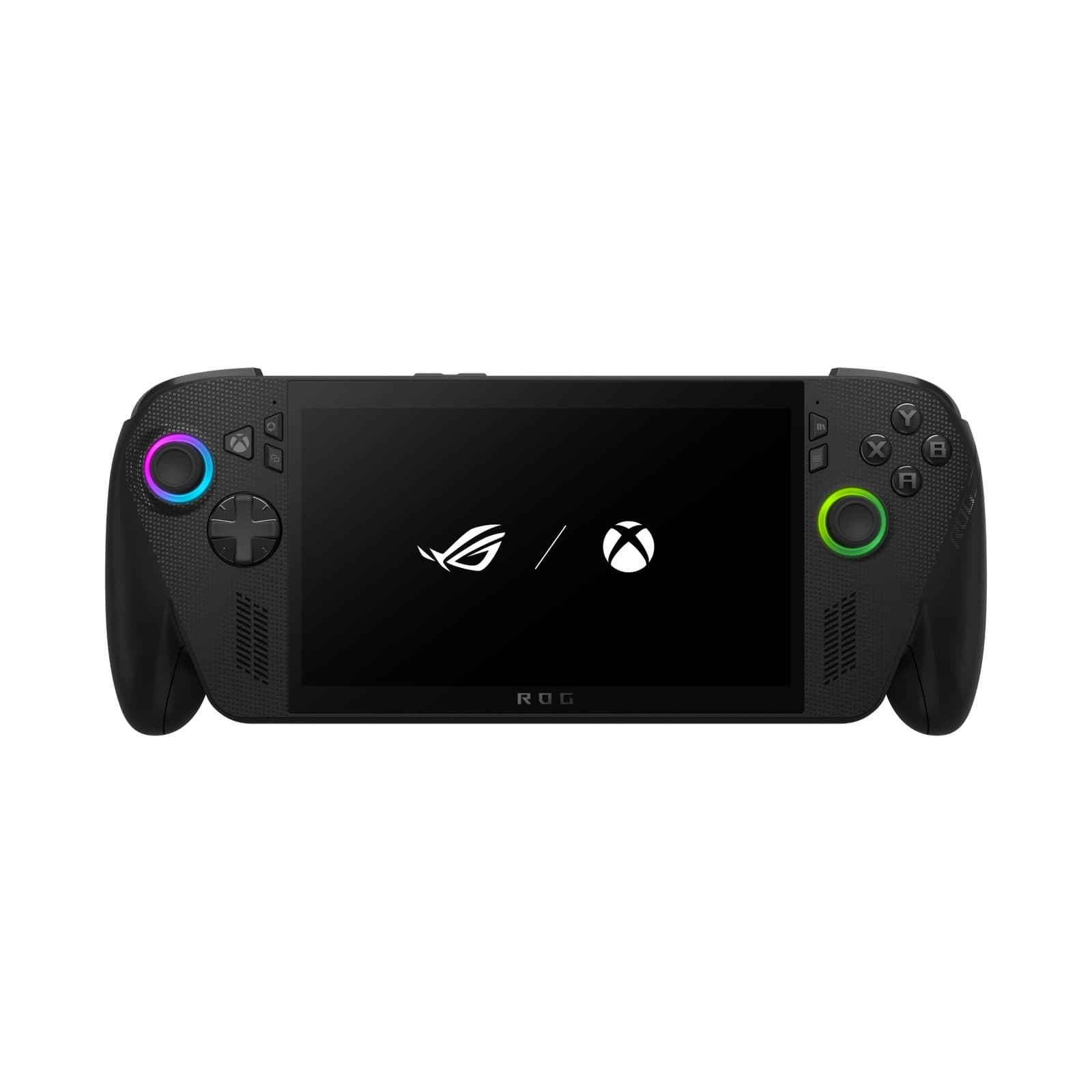
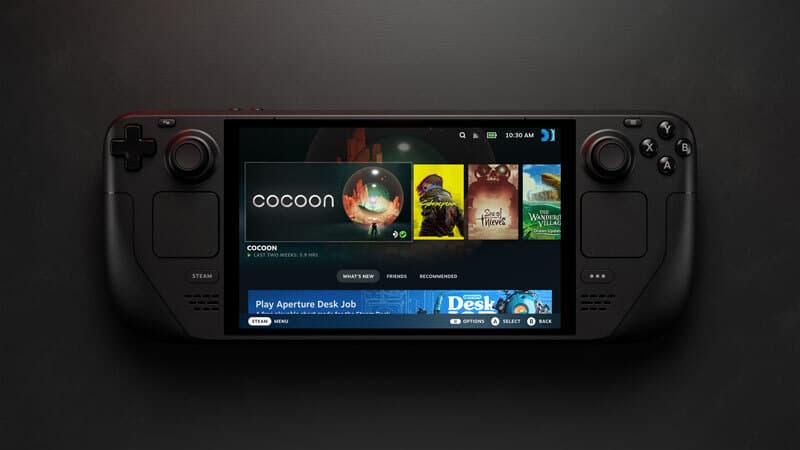
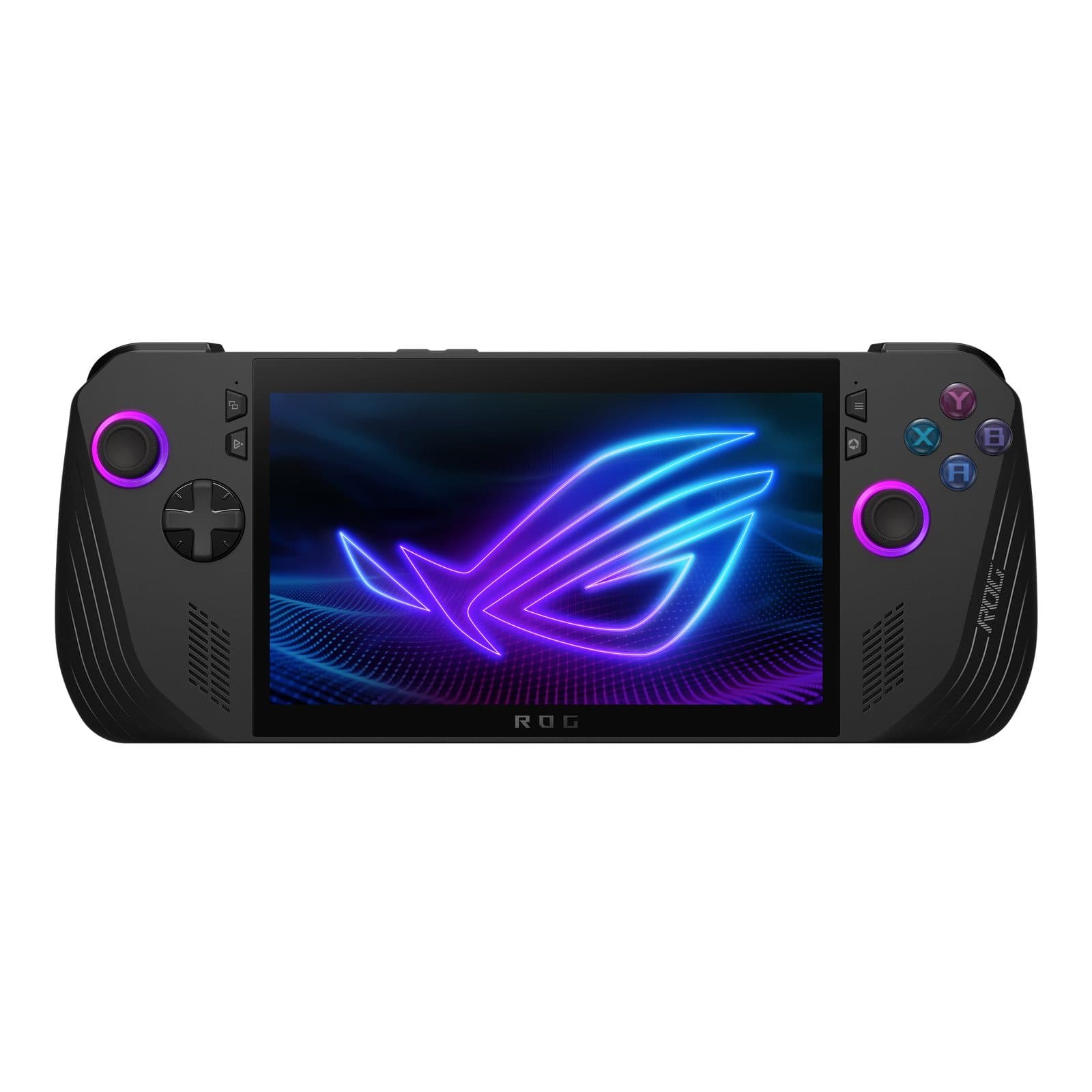
On the same Best Gaming Handhelds list, the Steam Deck OLED sits two spots higher at number two and is the value counterpoint to everything the Legion Go 2 represents — a smaller, dimmer-but-still-excellent OLED screen, SteamOS instead of Windows 11 friction, and a price that's a fraction of Lenovo's flagship. The ROG Xbox Ally X at number one splits the difference: comparable Ryzen Z2 Extreme power to the Legion Go 2, but with a native Xbox full-screen interface that sidesteps much of the raw Windows 11 handheld friction PCWorld documented here.
An 8.6 that reflects genuinely excellent hardware wrapped around a genuinely frustrating software experience. The Legion Go 2's screen is, without real argument, the best you can get on a handheld right now, and its performance and battery efficiency back that up with real benchmark numbers. But at $1,349.99 and still waiting on the Windows 11 improvements Lenovo has promised, this is a purchase for the enthusiast who specifically wants the biggest, best screen and modular hardware and isn't counting dollars. For most players, the value case points elsewhere on this list.
Only if you specifically want the best handheld screen on the market and don't mind paying for it. It ranks fourth on Gavler's Best Gaming Handhelds list with an 8.6, and PCWorld called it 'an awesome handheld gaming PC with the best display you'll find on a handheld gaming PC' — while also warning that 'the high price and the Windows 11 experience are huge drawbacks.'
It starts at $1,099 for the base Ryzen Z2 configuration with 16GB RAM, but the higher-end Ryzen Z2 Extreme model with 32GB RAM that most reviewers tested — including PCWorld — rang up at $1,349.99. That's more than many complete gaming laptops.
Yes, according to every major reviewer. PCWorld's Chris Hoffman found Windows 11 buries basic handheld settings, like a gamepad-navigable on-screen keyboard, in menus that aren't enabled by default, and even disables HDR automatically while unplugged 'to save battery life.' Lenovo has promised a better handheld UI via update, but as of review it hadn't shipped.
For most people, the Steam Deck OLED. It costs a fraction of the Legion Go 2's price, runs the friction-free SteamOS instead of Windows 11, and remains Gavler's highest-value handheld pick. Choose the Legion Go 2 only if the biggest, best screen and top-tier raw performance matter more to you than price or software polish.
Prices checked regularly
90-day price history
Steady at $1,099 for the entire 90-day tracking window — no increases, no discounts, across 91 tracked days.
Tracked daily across retailers. Vote Want itabove and we’ll alert you the moment the price drops.
Some links are affiliate links — Gavler may earn a commission. This never affects rankings or scores. Learn more.
The largest and best handheld display going, per Tom's Hardware and Windows Central — a 1920x1200 OLED with variable refresh up to 144Hz.
Switch-style removable controllers, a right-controller FPS mouse mode, and an integrated kickstand for tabletop play.
AMD's current handheld flagship silicon paired with up to 32GB of fast memory for strong performance across demanding titles.
Praised for the best handheld OLED screen and modular controllers by Tom's Hardware and Windows Central; the price (tested up to $1,349.99), weight, and outdoor glare keep it a niche enthusiast pick.
Do you think Lenovo Legion Go 2 deserves the #4 spot in Best Gaming Handhelds?
“The Lenovo Legion Go 2 is about as full-featured a handheld as we've seen, with a fast, 144 Hz OLED display, detachable controllers, and the latest AMD Ryzen Z2 Extreme processor.”
“At $1,349.99, this is one of the most expensive PC gaming handhelds that we've tested so far.”
“The only downside is that it is very susceptible to glare, which isn't great for playing games outside or near windows.”
“The best (and largest) screen on a gaming handheld.”
Watch
Hand-picked from creators we trust — playable inline.
The Lenovo Legion 5i Gen 11 Has A Brand New Feature
Lenovo Legion 5i - Strong enough for GTA 6... if it ever comes out on PC 😭
See how other top picks compare in this category.
A teraflop hangtag is the wrong first question. SteamOS, Windows Game Pass, or Nintendo first-party is the library. Then shop Gavler's live community ranking.
A 2TB Legion Go 2 now runs $2,849. The AI memory shortage wrecked handheld pricing — here's how to buy a great one in 2026 without overpaying.
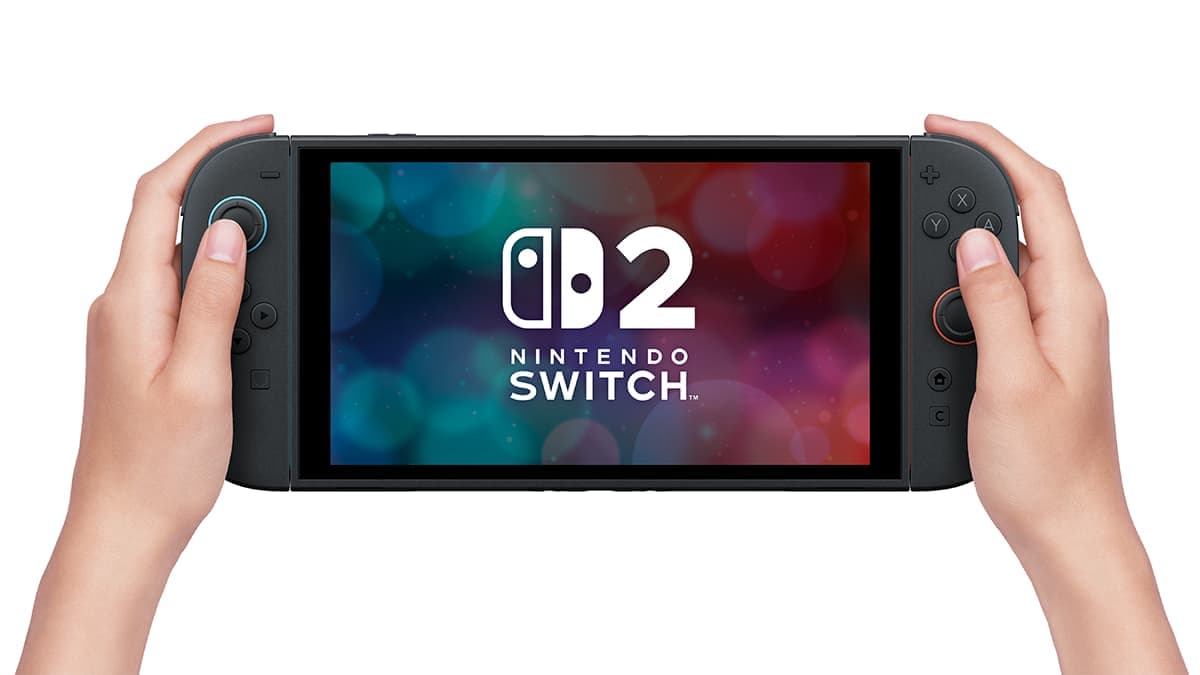
Steam Deck OLED, ROG Xbox Ally X, Switch 2, Legion Go 2. Gavler ranks the best gaming handhelds of 2026 — and a May price hike just reshuffled the value math.