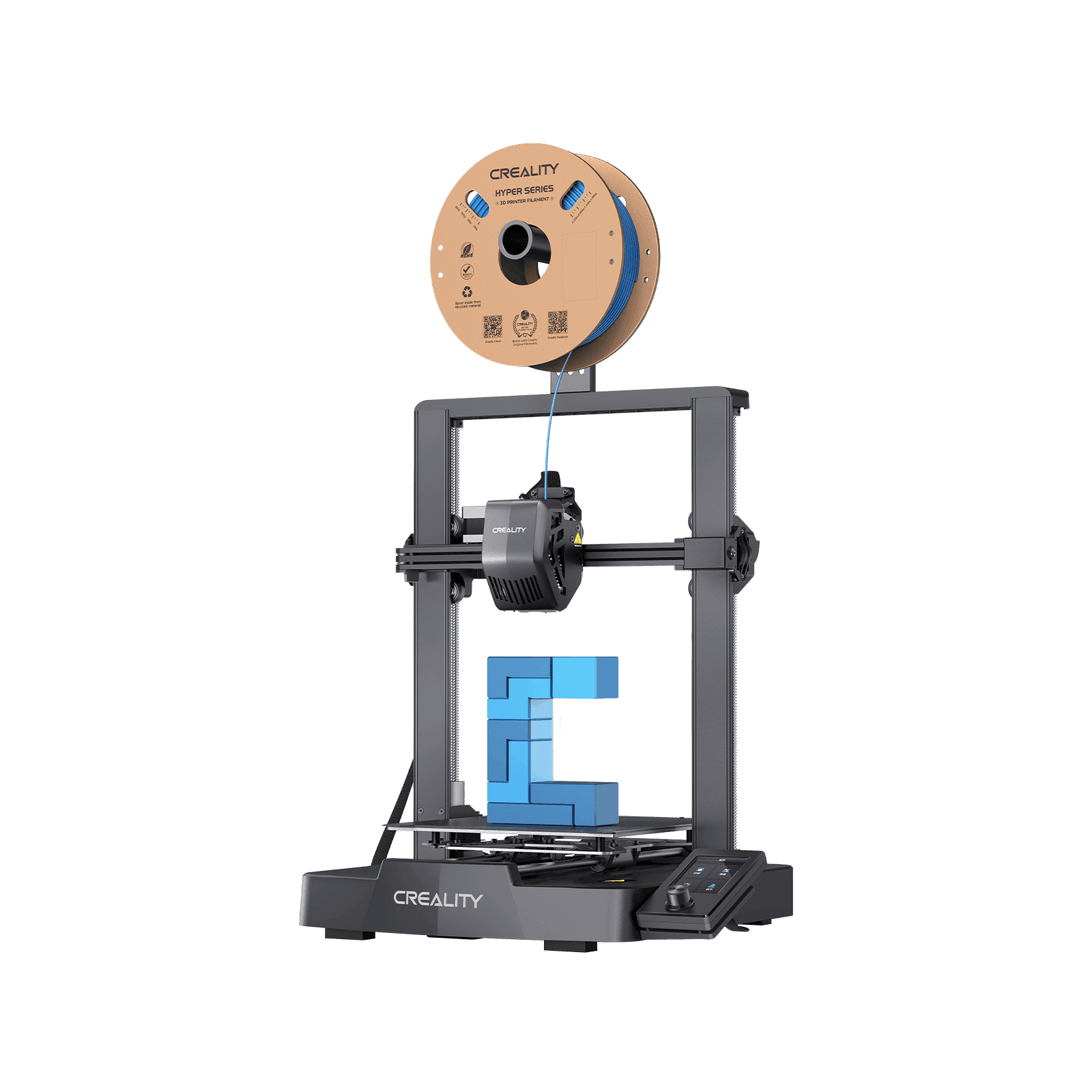
Creality Ender 3 V3 SE.
Direct-drive Sprite extruder, CR Touch auto-leveling, strain-gauge Z-offset, and PLA/PETG/TPU material support — all under $200.
The Verdict.
Gavler Meta-Score
“The V3 SE delivers genuinely competent 3D printing at $199 — auto-leveling, direct drive, fast PLA prints out of the box. Don't expect engineering filaments or oversized builds; do expect a printer that actually prints when you press start.”
The Gavler Verdict
The Gavler Review.
Creality Ender 3 V3 SE Review: The Cheapest Printer Actually Worth Buying
The Creality Ender 3 V3 SE ranks number 10 on Gavler's Best 3D Printers list with a 7.8, and it earns its spot by finally dragging the Ender line into "works out of the box" territory. Tom's Hardware's verdict was direct: "Over 200 mm/s for less than $200 — the V3 SE is the strongest beginner-tier Ender Creality has shipped, and a legitimate gateway into the hobby." Buy it if you want a sub-$200 printer that produces clean PLA prints on day one without a learning curve. Skip it if your ambitions stretch to engineering filaments or oversized builds — this machine was never built for either.
What it is
The V3 SE replaces every pain point that defined earlier Enders. CR Touch auto-leveling now probes the bed and builds a 16-point compensation mesh automatically — no more manual four-corner leveling with a sheet of paper. A strain-gauge Z-offset sensor sets nozzle-to-bed distance without the shimming ritual that frustrated a decade of first-time Ender owners. And the bundled direct-drive "Sprite" extruder feeds PLA, PETG, and flexible TPU equally well — something a Bowden-fed Ender simply couldn't do reliably.
The assembly experience is the story most reviewers lead with, and for good reason: it takes about fifteen minutes, the gantry arrives pre-aligned, and the tool head is pre-mounted. That's the entire pitch for the printer's target buyer — first-time owners, families with curious kids, classroom teachers, or makers who just want a cheap second machine — and it removes what had become the historic "spend two weekends learning the printer" tax that the Ender name used to carry.
In use
All3DP's take gets directly at why this matters for beginners specifically: "The auto-leveling and direct-drive combination at this price is the reason this is the printer to recommend to first-time buyers in 2026." How To Mechatronics framed it even more pointedly, saying the V3 SE "solves the parts of 3D printing that actually stop beginners from enjoying the hobby — leveling, setup friction, limited material flexibility." Hackaday backed up the material claim specifically: "Direct extrusion makes PLA, PETG, and TPU all viable from day one — that's a meaningful spec at the entry-level price tier."
The trade-offs are predictable and proportional to the price. The 220×220×250mm build volume is fine for hobbyist work but limiting for prop-making or helmet-scale projects. There's no enclosure, no chamber heating, and the hotend caps below the temperatures needed for ABS or Nylon — this is a PLA, PETG, and occasional TPU machine, full stop. And the long-term reliability question — does the Sprite extruder hold up cleanly after 1,000-plus hours of use — is still being written by the broader owner community rather than settled by early reviews.
Strengths
- CR Touch auto-leveling with a 16-point bed mesh eliminates the single biggest beginner failure mode in FDM printing, with zero manual calibration required.
- Direct-drive Sprite extruder handles PLA, PETG, and TPU — flexible-filament support is part of the design intent at this price, not an afterthought bolted on later.
- Roughly fifteen-minute assembly with a pre-aligned gantry and pre-mounted tool head — the fastest path from unboxing to first print in the budget tier.
The trade-offs — who should skip it
- You need engineering filaments. ABS and Nylon require temperatures and chamber control this open-frame, unenclosed machine doesn't offer — this simply isn't that printer.
- You're planning large-format prints. The 220×220×250mm build volume is standard for the price tier but a real limit for props, helmets, or oversized functional parts.
- You want proven long-term reliability data. The Sprite extruder's durability past 1,000-plus hours is still an open question in the broader owner community — early results are encouraging, but this is a newer design without the track record of Creality's older Bowden extruders.
How it compares
One rank up on the list, the Creality Ender-3 V4 Combo is the V3 SE's more capable sibling — the same pre-aligned build philosophy, but at roughly double the price in exchange for the bundled Creality Filament System and 16-color multicolor printing. It's the upgrade path if multicolor turns out to matter to you after starting on the V3 SE.
Further up the same list, the Anycubic Mono Photon M7 Pro represents a different printing technology entirely — 14K resin rather than FDM — worth knowing about if your interest shifts toward high-detail miniatures rather than functional PLA parts.
The Gavler verdict
A 7.8, with a notably wide gap between the 78 expert consensus and the 86 community rating — the scoreNote explains it plainly: "reviewers tend to dock for material limits, while owners consistently call out how much Creality has reduced beginner friction at this price." That gap is the whole story of this printer. It isn't trying to compete with $600 machines on material breadth, and reviewers correctly note where its ceiling sits. But for the specific job of getting a first-time buyer from unboxing to a clean PLA print in under an hour, the V3 SE delivers better than anything else near $200.
Common Questions
For first-time buyers, yes — with clear expectations. It ranks 10th on Gavler's Best 3D Printers list with a 7.8, and Tom's Hardware reported 'over 200 mm/s for less than $200 — the strongest beginner-tier Ender Creality has shipped, and a legitimate gateway into the hobby.' The community rating of 86 runs notably above the 78 expert consensus, which reflects material limits reviewers dock for but owners rarely mind at this price.
CR Touch auto-leveling now probes the bed and builds a 16-point compensation mesh automatically, a strain-gauge Z-offset sensor sets nozzle-to-bed distance without paper-shimming, and the bundled direct-drive Sprite extruder feeds PLA, PETG, and TPU reliably. How To Mechatronics summarized it as solving 'the parts of 3D printing that actually stop beginners from enjoying the hobby.'
Buy the V3 SE if you want the lowest-cost reliable single-color printer and don't need multicolor capability. Buy the V4 Combo, at roughly double the price, if 16-color printing via the bundled Creality Filament System is genuinely part of your plan — it's the entire reason to pay the difference.
Where to Buy.
Prices checked regularly
90-day price history
Price History
Steady at $199 for the entire 90-day tracking window — no increases, no discounts, across 91 tracked days.
Tracked daily across retailers. Vote Want itabove and we’ll alert you the moment the price drops.
Some links are affiliate links — Gavler may earn a commission. This never affects rankings or scores. Learn more.
Precision Engineering
Direct-Drive Sprite Extruder
Smooth feed for PLA, PETG, and flexible TPU — flexibles are part of the design intent, not an afterthought.
CR Touch Auto-Leveling + Strain-Gauge Z-Offset
16-point bed mesh and automatic nozzle-to-bed calibration eliminate the biggest beginner failure mode.
15-Minute Assembly
Pre-aligned gantry and pre-mounted tool head — three screws per side, on-screen setup wizard, ready to print same-day.
Technical Specifications
The Scoreboard
Community ratings are notably higher than expert ratings — reviewers tend to dock for material limits, while owners consistently call out how much Creality has reduced beginner friction at this price.
Cast Your Vote
Do you think Creality Ender 3 V3 SE deserves the #10 spot in Best 3D Printers?
Global Critique
“Over 200 mm/s for less than $200 — the V3 SE is the strongest beginner-tier Ender Creality has shipped, and a legitimate gateway into the hobby.”
“The auto-leveling and direct-drive combination at this price is the reason this is the printer to recommend to first-time buyers in 2026.”
“Solves the parts of 3D printing that actually stop beginners from enjoying the hobby — leveling, setup friction, limited material flexibility.”
“Direct extrusion makes PLA, PETG, and TPU all viable from day one — that's a meaningful spec at the entry-level price tier.”
More from Best 3D Printers.
See how other top picks compare in this category.
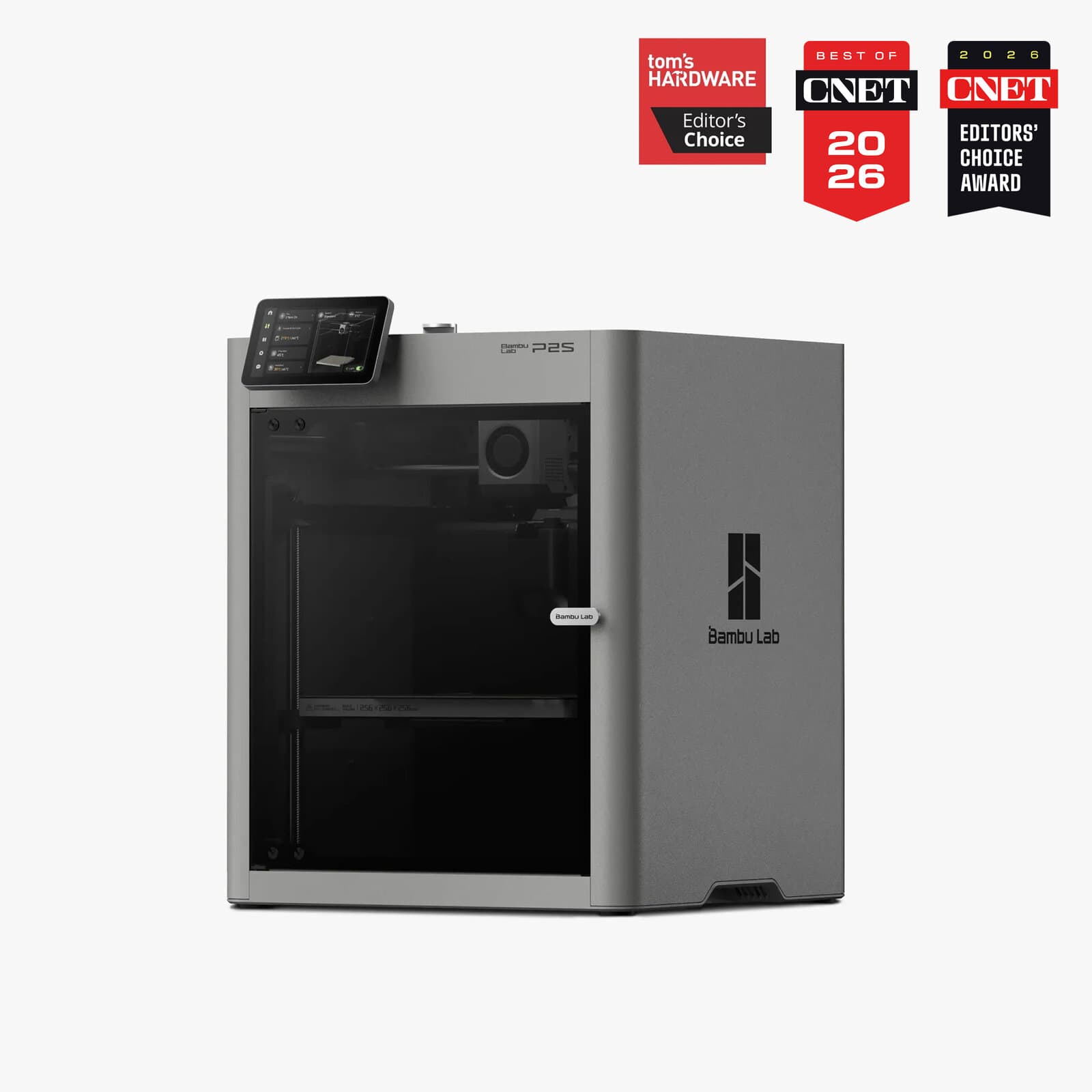
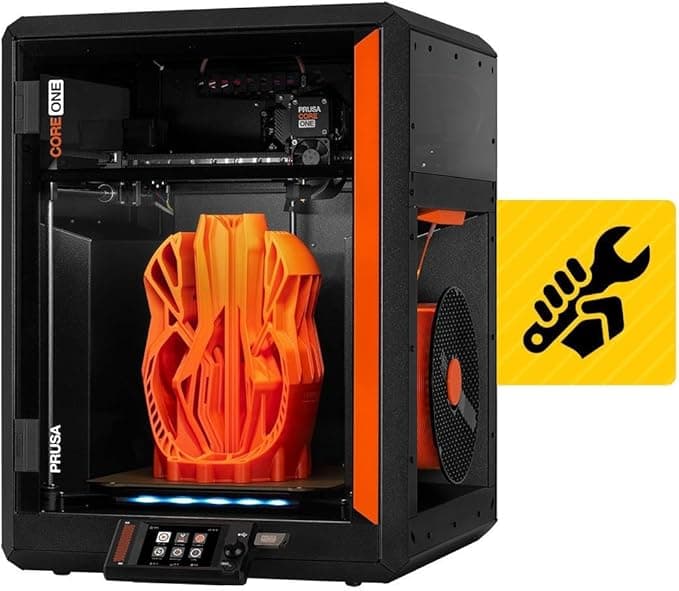
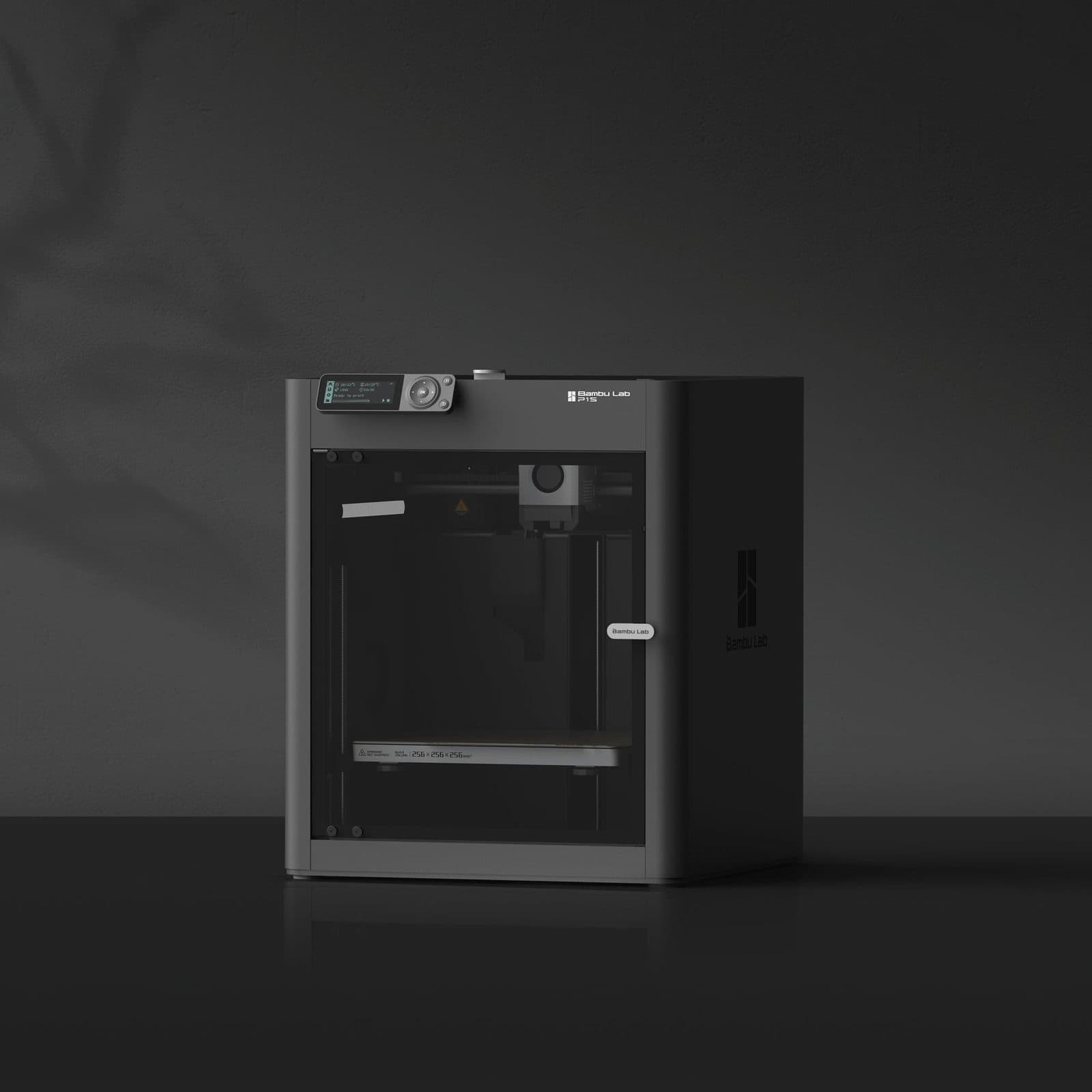
Filament Appliance, Resin Vat, or a $199 Kit?
A 500 mm/s hangtag is the wrong first question. Enclosed FDM vs heated-chamber vs resin vat vs a $199 kit comes first. Then shop Gavler's live ranking.
The Best 3D Printers in 2026, Ranked by People Who Actually Print
Bambu Lab vs Prusa vs Creality. Gavler's makers have voted on the printers worth buying in 2026 — ranked by real-world reliability, not spec sheets.