The Best Portable Power Stations in 2026, Ranked by People Who Actually Rely on Them
Anker Solix, EcoFlow Delta, Bluetti, Jackery. Gavler's community ranks the power stations worth packing — campers, vans, and home-backup buyers.
Updated June 25, 2026: This is the best buying window of the year. Amazon Prime Day is live (June 23-26) and the July 4 sales follow right behind it, and power stations are one of the categories that genuinely discount hard during both — the Anker Solix F3800 has been spotted around $1,599 (from $2,299) and the Anker C1000 Gen 2 near half off. Heading into peak summer camping and storm season, the community's top three hold: the Anker Solix F3800 for whole-home backup, the Bluetti AC180P for the right-sized sweet spot, and the EcoFlow Delta 2 Max for the ecosystem play. On the product front, LiFePO4 chemistry is now standard across every major brand (3,000-4,000-plus cycle ratings, sub-one-hour fast charging), and the newest flagships — the EcoFlow Delta 3 Plus and Bluetti's Apex 300 — keep pushing capacity and 240V home-backup capability further. Our top three remain the go-to picks for most buyers.
Portable power stations used to be niche gear for van-lifers and preppers. Now they're mainstream — and the market is flooded with options making wild capacity claims and publishing misleading output specs. Sorting genuine capability from marketing fiction takes real-world experience.
That's why we asked the people who depend on them. Gavler's power station rankings come from users who've tested these units through actual outages, camping trips, and off-grid living. No sponsored placements. Just votes.
How the Rankings Work
One vote per person on the Best Portable Power Stations list. Pick the unit you'd recommend if someone asked you — just one. Upgraded your setup? Move your vote. The result is a ranking that reflects what real users stand behind right now.
The Top Picks: What the Community Stands Behind
Anker Solix F3800 — The Whole-Home Backup Beast
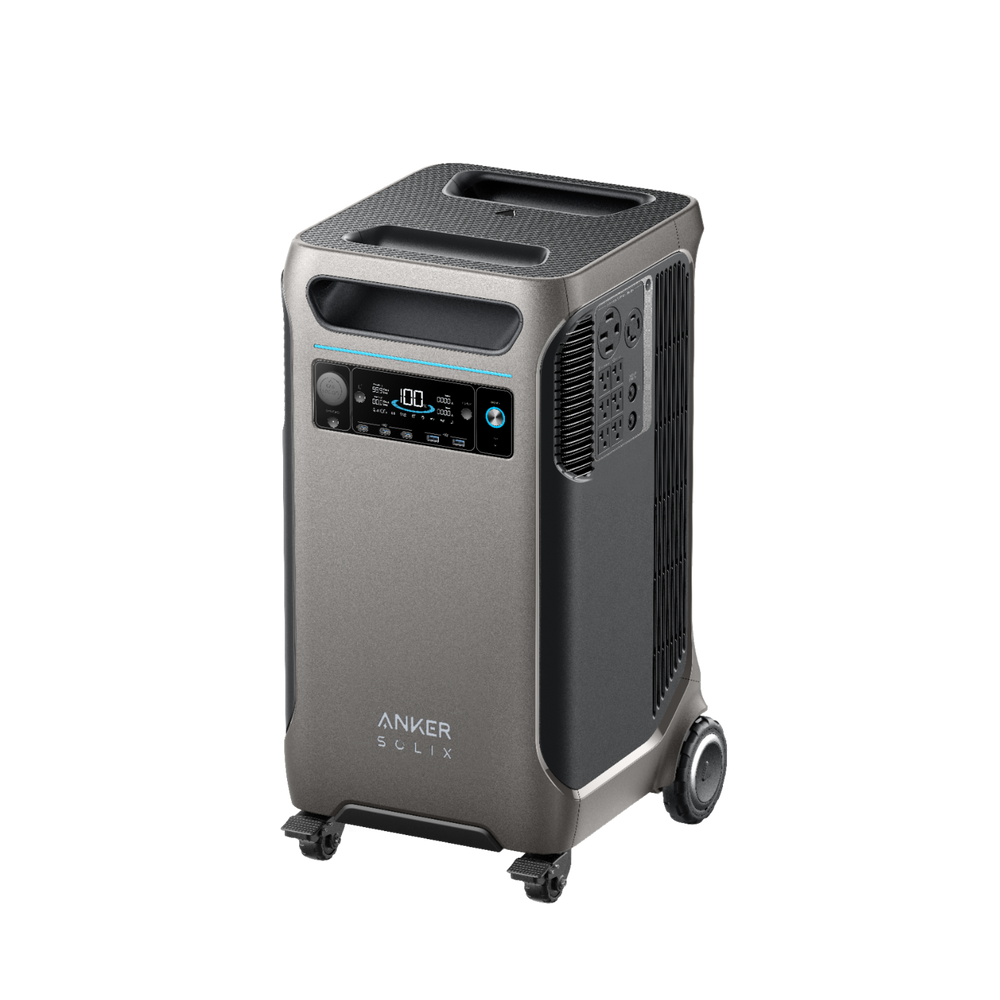
Anker Solix F3800
Expandable 3,840Wh whole-home backup with 6,000W output and dual voltage support. The premium option for serious power needs and extended independence.
The F3800 doesn't play around. 3,840Wh of LiFePO4 capacity. 6,000W surge output. Direct home panel integration. This is the power station that made people stop buying gas generators — and at a 9.3 score, the community's conviction is clear.
What separates it from competitors isn't just raw capacity. It's the build quality, the app integration, and the fact that it genuinely delivers on its specs. When the power goes out, you need reliability, not marketing claims.
Bluetti AC180P — The Sweet Spot
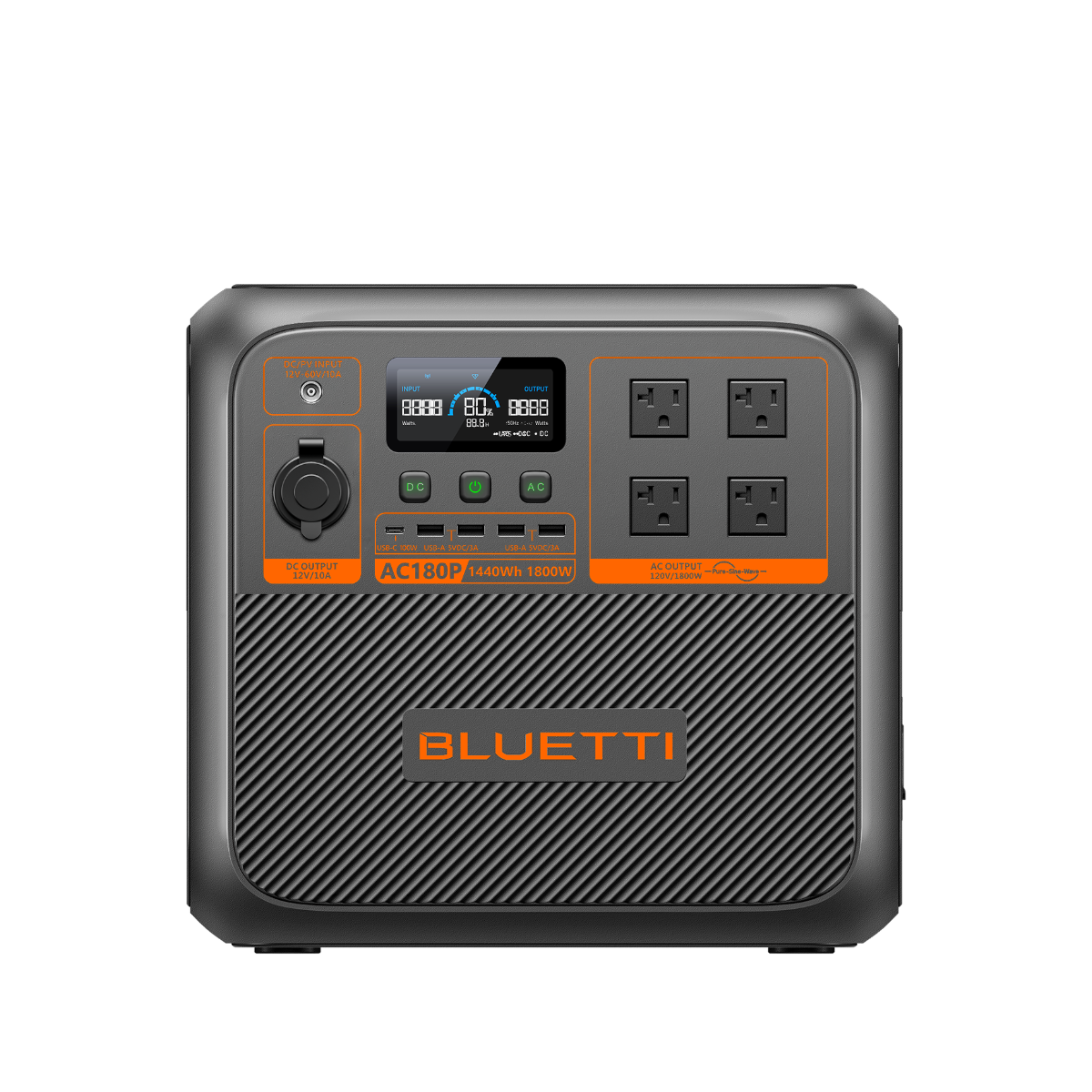
Bluetti AC180P
Enhanced 1,440Wh station with 2,700W peak capacity and integrated UPS functionality. Best premium small-to-mid capacity option.
Amazon affiliate · price subject to change
Not everyone needs 3,800Wh. The AC180P hits a specific sweet spot: 1,440Wh of LiFePO4 capacity, 1,800W continuous output, and a price point that doesn't require a second mortgage. It's enough to run a mini-fridge, charge laptops, and keep lights on during a short outage — or power a comfortable campsite for a weekend.
The 9.1 score reflects the community's appreciation for right-sizing. More power isn't always better if you can't carry it.
EcoFlow Delta 2 Max — The Ecosystem Play
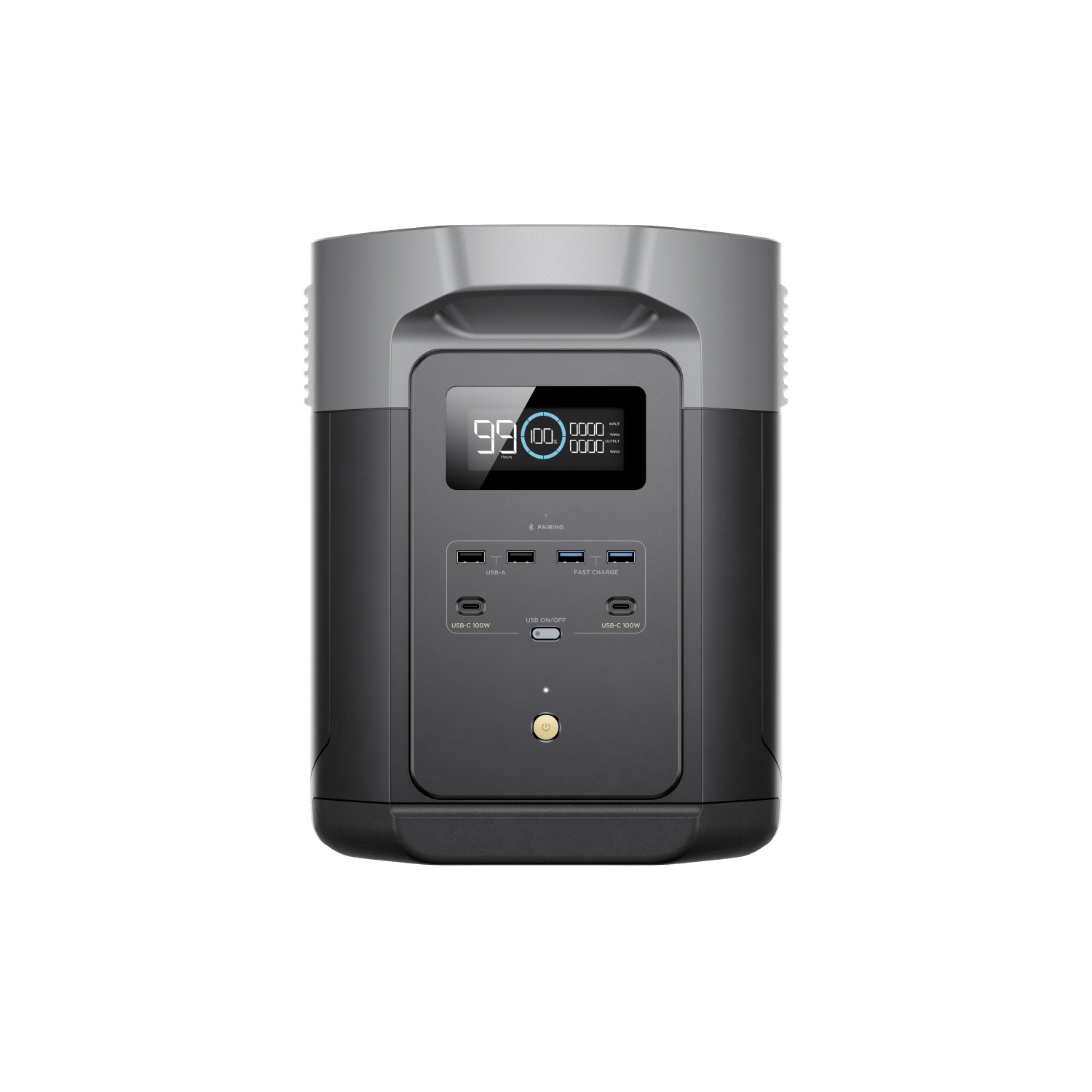
EcoFlow Delta 2 Max
2,048Wh LFP system with expandable architecture and 2,400W output. Serious power for extended off-grid work and home backup.
Amazon affiliate · price subject to change
EcoFlow built its reputation on fast charging and the Delta 2 Max continues that tradition — 0 to 80% in 43 minutes on AC power. The 2,048Wh LiFePO4 battery is expandable to 6,144Wh with extra batteries. And the EcoFlow ecosystem of smart panels, solar trackers, and companion batteries gives it an expansion path nobody else matches.
At 9.0, the community respects the versatility even if the ecosystem lock-in gives some voters pause.
The Capacity Trap
Here's what the community has learned the hard way: buying the biggest power station you can afford isn't always the right move. A 5,000Wh unit sitting in your garage loses charge over months. A 1,500Wh unit you actually take camping gets used. The rankings show a strong middle tier of stations in the 1,000-2,000Wh range that real people actually deploy regularly.
Buying Guide: What to Consider
Define your use case first. Emergency whole-home backup? You need 3,000Wh+. Weekend camping? 1,000-2,000Wh is the sweet spot. Charging devices on day trips? 500Wh is plenty. Overbuying means overpaying and carrying unnecessary weight.
LiFePO4 is the only chemistry worth buying in 2026. Standard lithium-ion stations are cheaper upfront but degrade faster, handle heat worse, and carry slightly higher fire risk. Every top-ranked station on Gavler uses LiFePO4. The community has spoken.
Solar charging changes the math entirely. A 2,000Wh station with 400W of solar panels becomes effectively unlimited for moderate use. Budget for panels — they transform a power station from a large battery into a genuine off-grid power system.
See all 11 products ranked by the community
Best Portable Power Stations
See Full Rankings →364 community votes cast
Common Questions
The Anker Solix F3800 leads the community rankings for whole-home backup. Its 3,840Wh capacity and 6,000W surge output can run essential appliances during outages. It supports 240V output with a companion unit and integrates directly into home panels. For lighter backup needs, the EcoFlow Delta 2 Max offers excellent value at lower capacity.
Yes, and the community has largely settled this debate. LiFePO4 batteries last 3,000+ charge cycles versus 500-800 for standard lithium-ion, are more thermally stable, and hold their capacity longer. All three top-ranked stations on Gavler use LiFePO4. The higher upfront cost pays for itself in longevity.
A typical fridge draws 100-400W with compressor cycling averaging around 150W per hour. A 2,000Wh station will run a standard fridge for roughly 10-13 hours accounting for inverter losses. The Anker Solix F3800 at 3,840Wh can keep a fridge running for over 24 hours — longer with solar panels connected.
Every station in Gavler's top rankings supports solar charging. Input rates vary dramatically — the Anker F3800 accepts up to 2,400W solar input for fast charging, while smaller units like the Bluetti AC180P accept up to 500W. Match your panel wattage to the station's maximum input for optimal charging speed.
Rankings are determined entirely by community votes. Each user gets one vote on the Best Portable Power Stations list — pick the one unit you'd recommend above all others. No affiliate commissions or sponsorships influence the rankings.
Products Mentioned
Jump to the full ranking and community verdict for each pick named above.