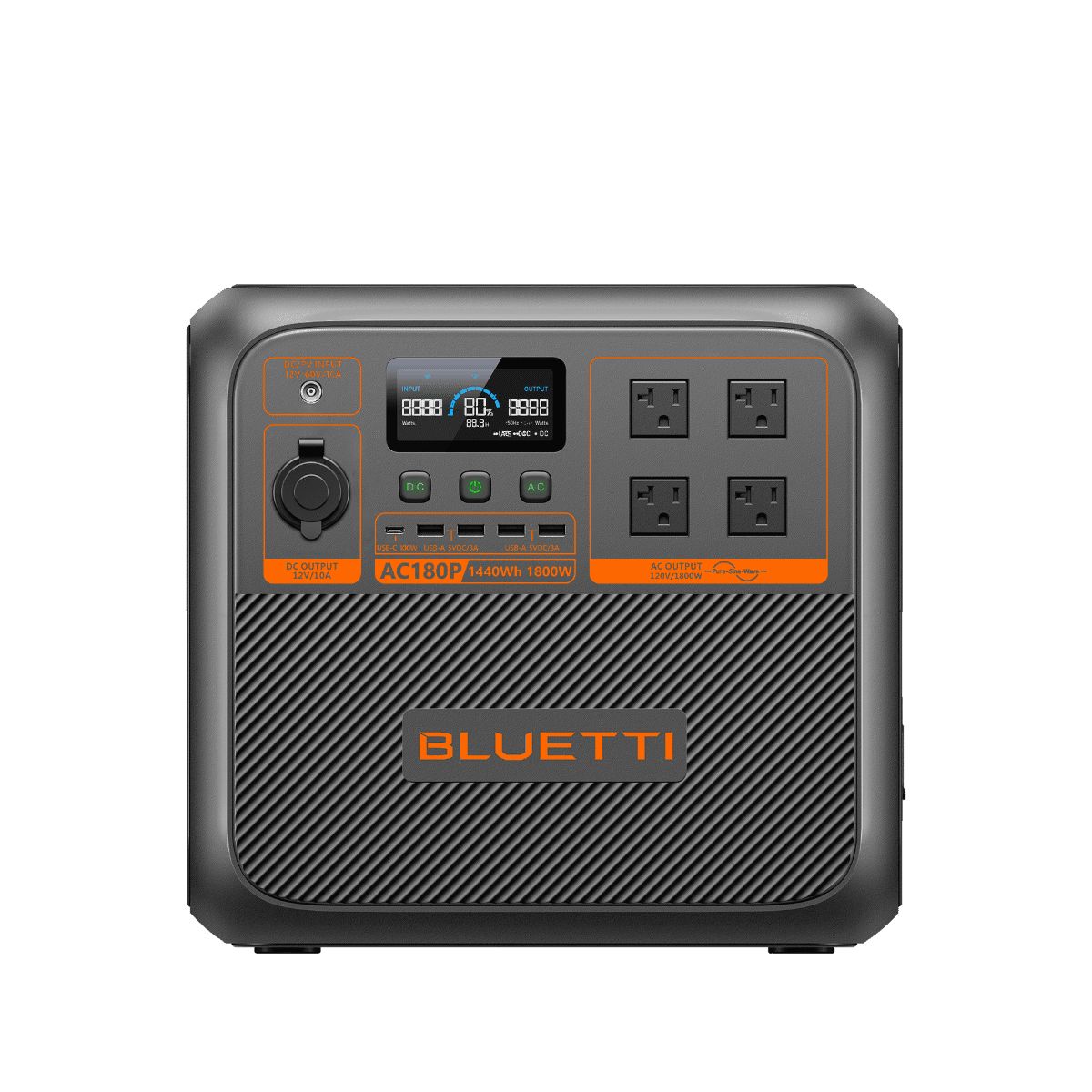
Bluetti AC180P.
Enhanced 1,440Wh station with 2,700W peak capacity and integrated UPS functionality. Best premium small-to-mid capacity option.
The Verdict.
Gavler Meta-Score
“Pick the AC180P if the UPS feature matters to you — most other stations in this tier have UPS, but Bluetti's switchover is the tightest in the sub-20ms range and a router or workstation stays online through brownouts you would not even notice. Skip if you need 2kWh-plus capacity or solar input above 500W.”
The Gavler Verdict
The Gavler Review.
Bluetti AC180P Review: The Portable UPS That Doesn't Skip a Beat
The Bluetti AC180P sits at number three on our Best Portable Power Stations list with a 9.1, and it earns that spot with a feature most buyers don't realize they need until they need it: a UPS switchover fast enough that connected electronics never notice the handoff. Buy it if you specifically want backup power for sensitive gear — a router, a home workstation, medical equipment — through brief brownouts and outages. Skip it if you just need general-purpose camping or emergency power without that specific reliability requirement, where the cheaper Anker Solix C1000 Gen 2 covers similar ground for less money.
What it actually is
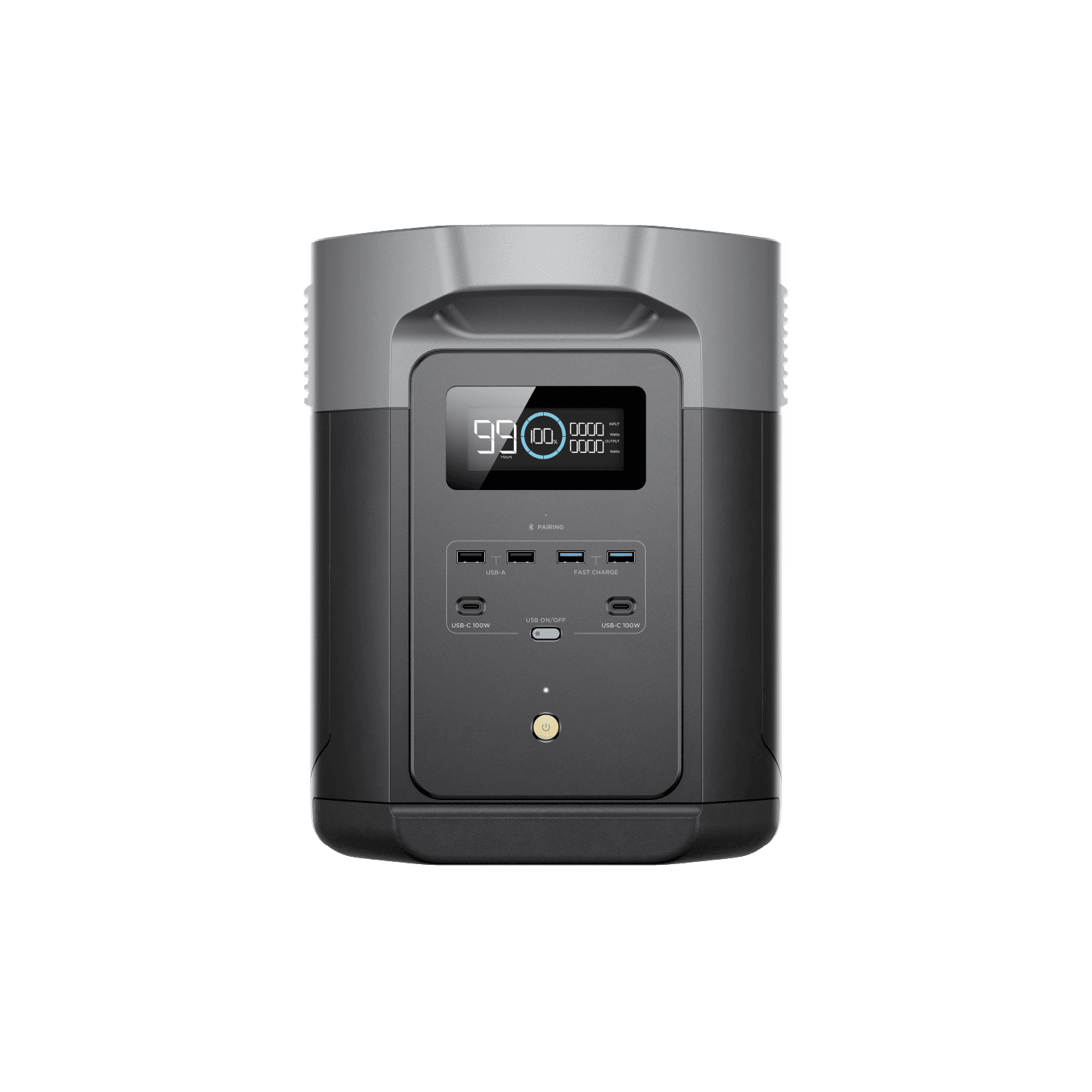
The AC180P is the enhanced revision of the original Bluetti AC180. The upgrade path is straightforward: capacity moved from 1,152Wh to 1,440Wh, continuous output held steady at 1,800W (with 2,700W available via Power Lifting mode for high-draw appliance starts), and UPS switchover tightened into the under-20ms range. That places it in a specific niche between the 1kWh mainstream tier — where the Anker Solix C1000 Gen 2 sits at rank two — and the full 2kWh tier represented by the EcoFlow Delta 2 Max at rank four.
The LiFePO4 battery chemistry is rated for 3,000-plus cycles to 80% capacity, over a decade of regular use. Solar input tops out at 500W, slower than the EcoFlow's 1,000W-plus capability but enough for a reliable overnight refill in good summer conditions. What actually differentiates the AC180P from the rest of the field isn't capacity or output — it's the UPS function, engineered specifically to keep connected loads running with no visible interruption when grid power drops.
In use
Outdoor Gear Lab's framing of the AC180P gets right to the point of why this station exists: "The AC180P is the easiest UPS-style portable battery to live with in the sub-$1,500 segment — Bluetti's switchover is tight enough that connected electronics never notice the handoff." That's a specific and testable claim, and it's the kind of detail that matters enormously to a narrow but real use case: anyone who's had a router reboot or a workstation crash during a four-second utility blip knows exactly what problem this solves.
TechRadar's take places the 1,440Wh capacity in useful real-world context: "The 1,440Wh capacity hits a useful middle slot for a home office plus a small fridge during a 12-hour outage — a real use case the 1kWh tier just misses." That's a meaningful distinction from the C1000 Gen 2 one rank up — the AC180P's extra 400Wh-plus of capacity is the difference between covering a short outage and covering a genuinely inconvenient one. On the buying-timing side, Family Handyman's tracking is useful for anyone comparison shopping: "Bluetti's seasonal pricing cadence on the AC180P has been more aggressive than Goal Zero through 2026 but less reliable than EcoFlow — Prime Day and Black Friday are the windows to wait for."
Real-world runtime lines up with the spec sheet: the AC180P can run a refrigerator for 12-14 hours, power a CPAP for several nights, or keep a remote-work setup running for a full day on a single charge.
Where it shines
- The tightest UPS switchover in this capacity tier. Under-20ms switchover is a genuine, testable differentiator for anyone protecting sensitive electronics from brief outages.
- A useful capacity middle-ground. At 1,440Wh, it covers use cases the 1kWh tier can't — like running a home office and a small fridge through a half-day outage.
- LiFePO4 longevity. 3,000-plus cycles to 80% capacity means over a decade of regular use before meaningful degradation.
The trade-offs — who should skip it
The honest limitations of the AC180P are specific:
- Output ceiling limits simultaneous high-draw appliances. At 1,800W continuous, it cannot run a microwave and a space heater at the same time — Power Lifting mode is a surge feature for appliance starts, not sustained heavy output.
- Solar input is slower than the tier above. At 500W max, it recharges from solar meaningfully slower than the EcoFlow Delta 2 Max's 1,000W-plus capability.
- The LCD screen brightness is a recurring owner complaint. Community feedback flags this as the main hardware annoyance — a minor but real usability gripe.
- It costs roughly three times the C1000 Gen 2 for capability that most buyers, outside the specific UPS use case, may not fully use.
How it compares
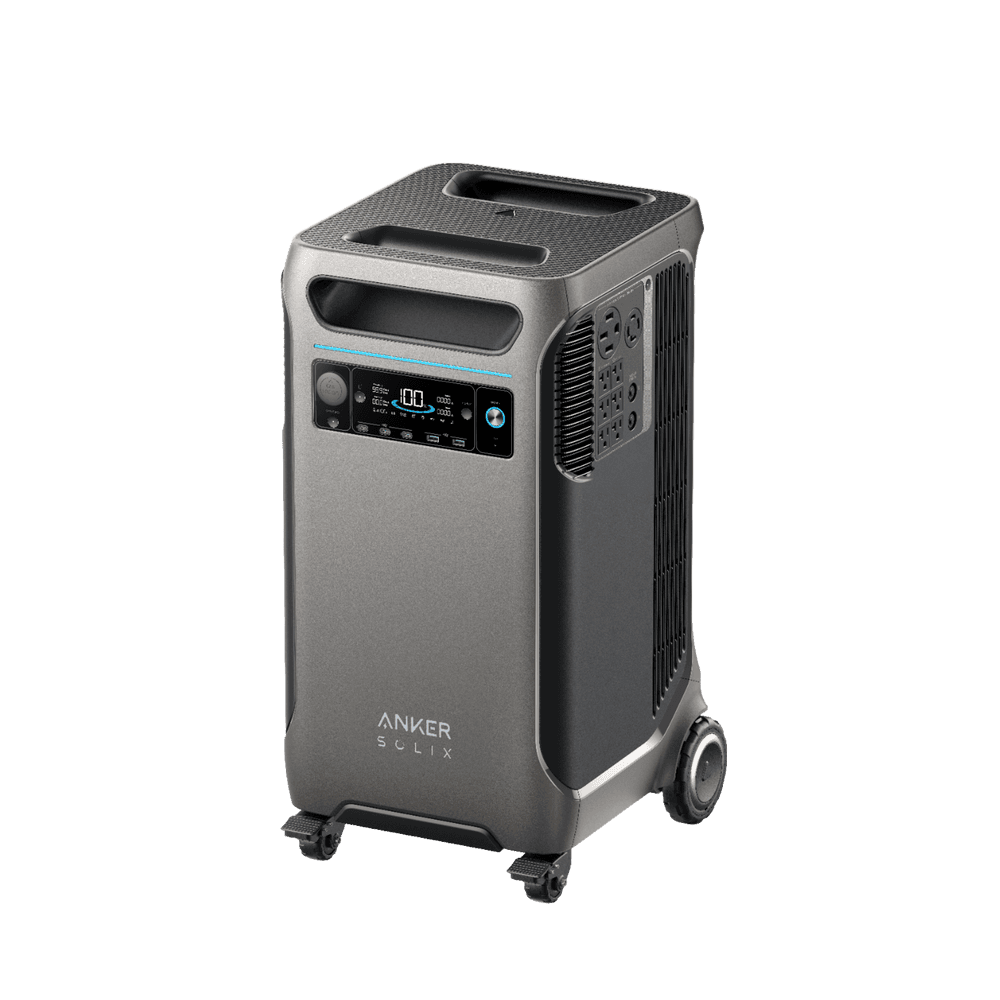
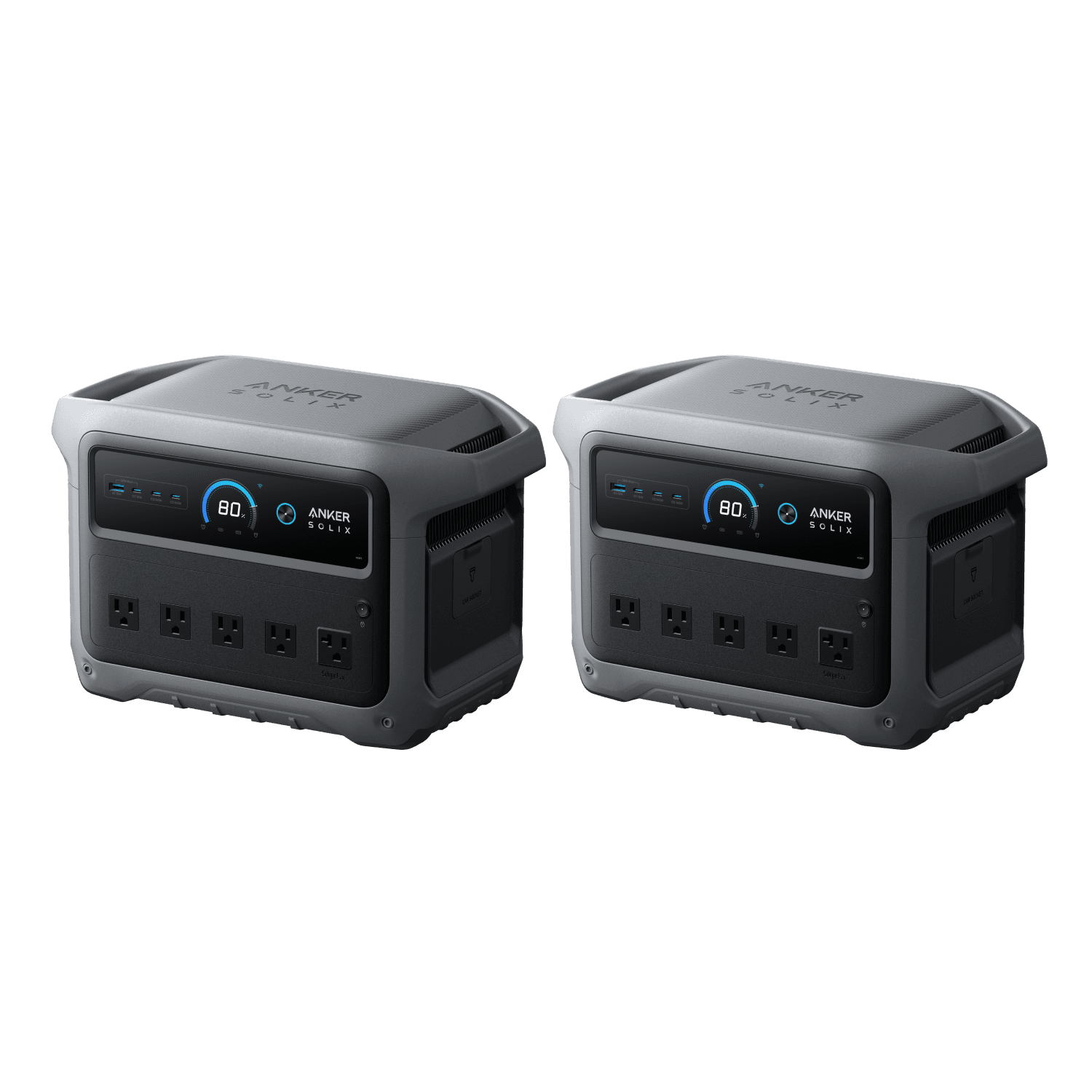
One rank up on the same list, the Anker Solix C1000 Gen 2 is the better default for most buyers — a Guinness-certified 49-minute recharge, 10 output ports, and a much lower street price around $470, with a UPS switchover (10ms) that's already fast, just not quite as tight as the AC180P's. The AC180P's case rests specifically on that extra switchover margin and the 1,440Wh capacity bump. Rank one on the list, the Anker Solix F3800, is a different tier of product entirely — a 132-lb, 3,840Wh semi-portable system built for whole-home backup rather than the AC180P's targeted UPS-plus-portability niche.
The Gavler verdict
A 9.1, with expert consensus (91) and community rating (89) reasonably close together — reviewers and owners largely agree on what this station does well. The AC180P isn't the best value in the category and it isn't trying to be; it's the station built specifically for buyers who need sensitive electronics to survive a power blip without a visible hiccup, and on that narrow but real requirement, it delivers better than anything else in this price range.
Common Questions
For buyers who specifically want UPS-grade backup for sensitive electronics — a home office, a router, a workstation — yes. It ranks third on Gavler's Best Portable Power Stations list with a 9.1, and Outdoor Gear Lab calls it "the easiest UPS-style portable battery to live with" in the sub-$1,500 segment. If you just need general camping and outage power without needing the tightest switchover speed, the cheaper Anker Solix C1000 Gen 2 covers most of the same ground for less money.
Under 20 milliseconds — tight enough that Outdoor Gear Lab reports connected electronics never notice the handoff during a grid outage or brownout. That's the AC180P's core differentiator: it's built specifically to keep sensitive devices like routers and workstations running through brief power interruptions without a visible interruption.
Family Handyman tracks Bluetti's discount cadence as more aggressive than Goal Zero but less consistent than EcoFlow's — Prime Day and Black Friday are specifically called out as the best windows to buy, when pricing typically drops meaningfully below the $1,399 MSRP.
Buy the AC180P if the tightest UPS switchover and the extra headroom of 1,440Wh capacity matter to you — TechRadar notes that capacity hits a useful middle slot for running a home office plus a small fridge through a 12-hour outage. Buy the C1000 Gen 2, ranked one spot above it, if you want the fastest recharge in the category and better overall value at roughly a third of the price.
Where to Buy.
Prices checked regularly
90-day price history
Price History
Steady at $1,399 for the entire 90-day tracking window — no increases, no discounts, across 91 tracked days.
Tracked daily across retailers. Vote Want itabove and we’ll alert you the moment the price drops.
Some links are affiliate links — Gavler may earn a commission. This never affects rankings or scores. Learn more.
Precision Engineering
Under-20ms UPS switchover
Integrated battery backup carries connected loads through brief brownouts and short outages with no visible interruption — routers, workstations, and sensitive electronics stay online.
1,440Wh LFP / 3,000+ cycles to 80%
Lithium iron phosphate chemistry rated for over a decade of regular use at the price-per-watt-hour sweet spot between 1kWh and 2kWh stations.
1,800W continuous / 2,700W Power Lifting
Runs a refrigerator, CPAP, lights, and electronics for a full work day. Power Lifting mode lifts the surge ceiling for high-draw appliance starts.
Technical Specifications
The Scoreboard
Outdoor Gear Lab notes the AC180P as 'the easiest UPS-style portable battery to live with' for home-office buyers; Family Handyman tracks Bluetti's seasonal discount cadence as more aggressive than Goal Zero but less reliable than EcoFlow. Community feedback flags the LCD screen brightness as the main hardware annoyance.
Cast Your Vote
Do you think Bluetti AC180P deserves the #3 spot in Best Portable Power Stations?
Global Critique
“The AC180P is the easiest UPS-style portable battery to live with in the sub-$1,500 segment — Bluetti's switchover is tight enough that connected electronics never notice the handoff.”
“Bluetti's seasonal pricing cadence on the AC180P has been more aggressive than Goal Zero through 2026 but less reliable than EcoFlow — Prime Day and Black Friday are the windows to wait for.”
“The 1,440Wh capacity hits a useful middle slot for a home office plus a small fridge during a 12-hour outage — a real use case the 1kWh tier just misses.”
More from Best Portable Power Stations.
See how other top picks compare in this category.
How to Choose a Portable Power Station by the Load
Watt-hour hangtags are the wrong first question. Whole-home 240V vs a 1–2 kWh station you can carry vs a day-trip compact is the kit. Shop Gavler's live ranking.
A Brand-New 2,000Wh Jackery Just Hit $849. The Big-Battery Price Floor Is Falling.
Jackery's HomePower 2000 Plus v2 launched in June at $1,799. Six weeks later it's $849 — matching the EcoFlow Delta 2 Max on our list. The price war, explained.
The Best Portable Power Station Deals to Watch for Prime Big Deal Days 2026
Prime Big Deal Days runs October 6-7, 2026. The Anker Solix, EcoFlow, and Bluetti power stations worth watching, and which discounts are most likely to land.
Anker Solix F3800 vs EcoFlow Delta 2 Max: How Much Backup Power Do You Actually Need?
Anker's whole-home Solix F3800 vs EcoFlow's Delta 2 Max, refreshed for Prime Day 2026. Which station fits your outage plan, your camping trip, and your budget.
The Best Portable Power Stations in 2026, Ranked by People Who Actually Rely on Them
Anker Solix, EcoFlow Delta, Bluetti, Jackery. Gavler's community ranks the power stations worth packing — campers, vans, and home-backup buyers.