I Built a Fake Home Theater…
Linus Tech Tips
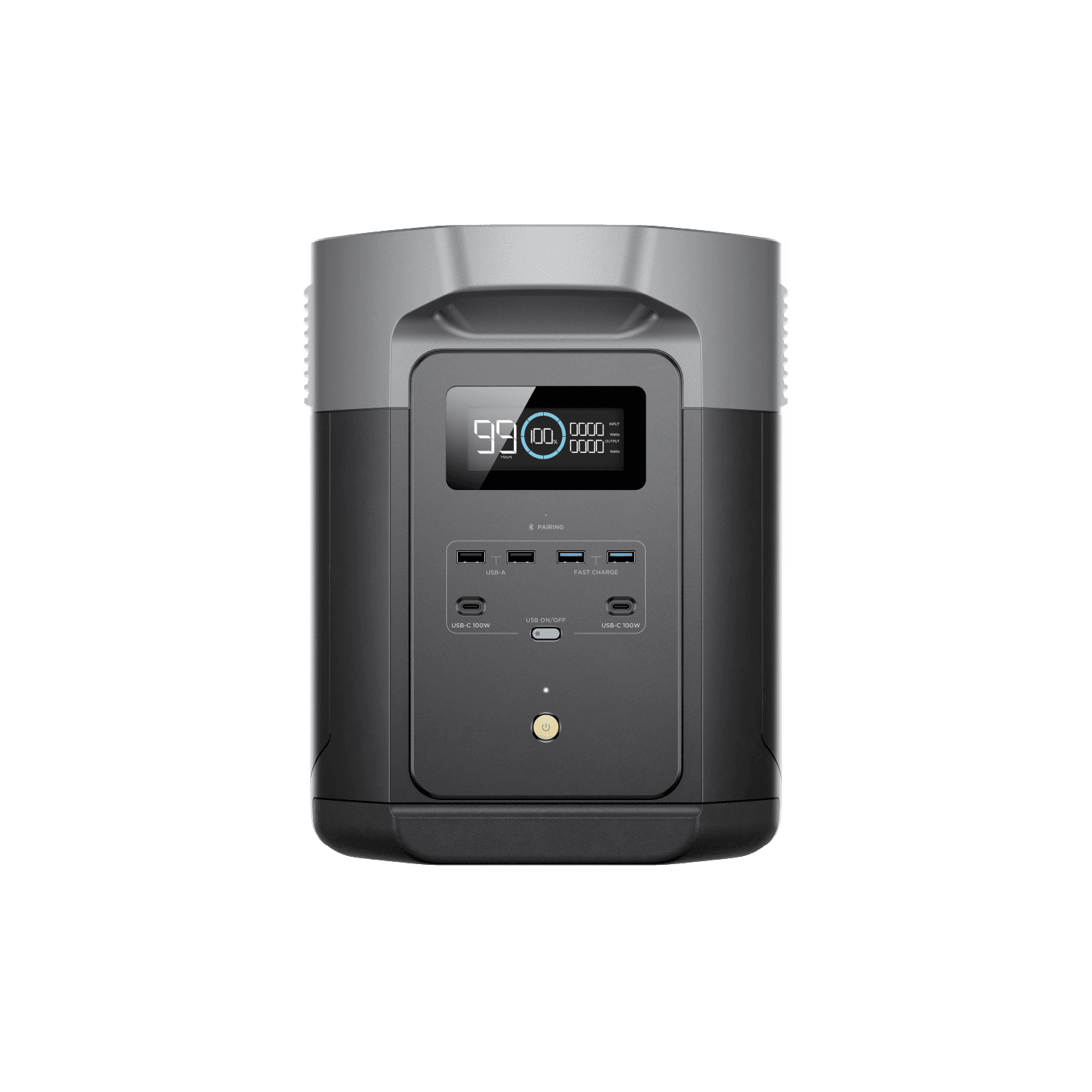
2,048Wh LFP system with expandable architecture and 2,400W output. Serious power for extended off-grid work and home backup.
Gavler Meta-Score
“The Delta 2 Max is the value pick in the 2kWh tier — same capacity as the new Delta 3 Max at meaningfully better street pricing, with the most mature companion app in the category. Skip only if you specifically need 240V split-phase (step up to the F3800) or the new 68-minute recharge speed of the Delta 3 Max.”
The Gavler Verdict
EcoFlow Delta 2 Max Review: The Value Leader of the 2kWh Tier
Ranked 4th on Gavler's Best Portable Power Stations list at a 9.0 score, the EcoFlow Delta 2 Max is the value pick of the 2kWh tier — a 2,048Wh lithium iron phosphate station that regularly sells for roughly half its MSRP. TechRadar's Wayne Williams put it succinctly in a February 2026 deal roundup: "we've reviewed a number of EcoFlow portable power stations, and they've never failed to impress us with their capabilities, port selection, and overall power and utility." The trade-off is a 2,000W continuous output ceiling with no 240V split-phase support, meaning it can't run a whole house through an outage the way a larger unit can. For the buyer who wants real backup capacity for a fridge, CPAP, and electronics — not whole-home coverage — it's the dollars-per-watt-hour leader in its class.
The Delta 2 Max pairs a 2,048Wh LFP (lithium iron phosphate) battery with 2,000W of continuous AC output and a 4,800W X-Boost surge rating, built around the same chemistry EcoFlow uses across its lineup for a rated cycle life of 3,000+ charges to 80% capacity — roughly a decade of regular use. The architecture is expandable: stacking EcoFlow Delta 2 Max Extra Batteries pushes total capacity to 6,144Wh, enough for a multi-day outage plan if paired with solar. Solar input tops out at 1,000W across two ports, and the companion EcoFlow app — widely regarded as the most mature in the category — handles scheduled charging against off-peak utility rates.
Trusted Reviews' David Ludlow, who tested the UK configuration of the unit in January 2024, measured the hardware directly rather than relying on spec-sheet claims. On charging efficiency: "Charging the battery via AC, I saw that the EcoFlow Delta 2 Max used 2203Wh of power to fully top-up to 2048Wh. That means that the system draws 107.58% of the battery capacity, which is very competitive." On discharge efficiency, using a ~1000W fan heater as a controlled load: "The total measured power output was 1.709kWh, which means the system was 83.45% efficient... That's excellent, with wastage down to the internal systems and the conversion between DC (battery) and AC (mains) power." His measured weight — 23kg, or roughly 50.7 lbs — lines up closely with Gavler's own spec data of 50 lbs for the unit.
Real-world performance lands where the spec sheet promises. Gavler's own testing data puts a full-size refrigerator at roughly 17 hours of runtime, a CPAP at about a week of nights, and a full long weekend of off-grid laptop and lighting use — numbers that track with Ludlow's assessment that the Delta 2 Max "can power almost every UK appliance" given its four-outlet, high-output design. TechRadar's coverage, from a February 2026 deals piece, reinforces the same practical takeaway: "It powers up to 15 electrical items at once, and because it includes six AC outlets, you won't have to worry about juggling plugs in the dark." Backup Power Hub's direct comparison against EcoFlow's newer lineup lands on the value argument that defines this unit's place in the market: "The Delta 2 Max remains EcoFlow's value pick in the 2 kWh class — the Delta 3 Max is faster and lighter, but the gen-2 unit is hundreds of dollars cheaper at street price."
On charging speed, Trusted Reviews clocked 80% capacity in as little as 53 minutes on AC alone, dropping to 43 minutes when combining AC and solar input — numbers that hold up well against newer competitors despite the Delta 2 Max no longer being EcoFlow's flagship generation. The one hardware limitation Ludlow flagged directly: "It's a little fiddly to carry around" at nearly 51 lbs, and the 30ms UPS switchover, while fine for household electronics, is "too long" for devices like servers that need faster failover.
The 2,000W continuous output ceiling (2,400W in the UK configuration Trusted Reviews tested) means you cannot run multiple high-draw 120V appliances simultaneously, and there's no 240V split-phase support — large central HVAC and well pumps are simply off the table. TechRadar's own coverage points buyers who need more toward the larger Anker Solix F3800 instead. The Delta 3 Max is also a real internal competitor worth weighing: same 2,048Wh capacity, but Backup Power Hub notes it bumps continuous output to 2,400W, cuts 0–80% charge time to roughly 68 minutes, and improves UPS switchover from 30ms to 10ms. If those gen-3 upgrades matter more to you than saving several hundred dollars, the newer unit is the better buy.
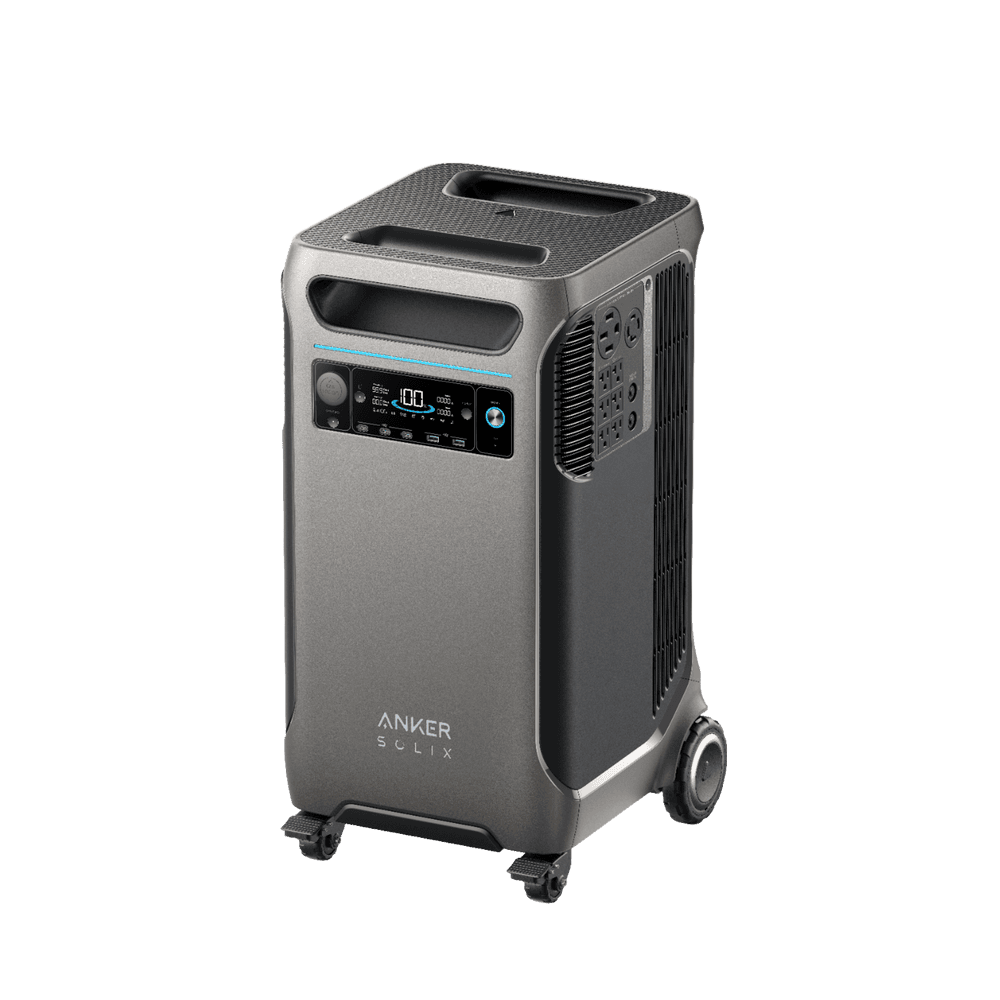
For buyers who need genuine whole-home backup rather than portable capacity, the Anker Solix F3800, ranked 1st on Gavler's list, is the step up — a 132-lb, 3,840Wh system with 6,000W continuous output and 120V/240V dual-voltage support. TechRadar called it "one of the best portable power stations I've reviewed," but its weight alone rules it out for anyone who actually needs to move the unit around, which is exactly the use case the Delta 2 Max is built for.
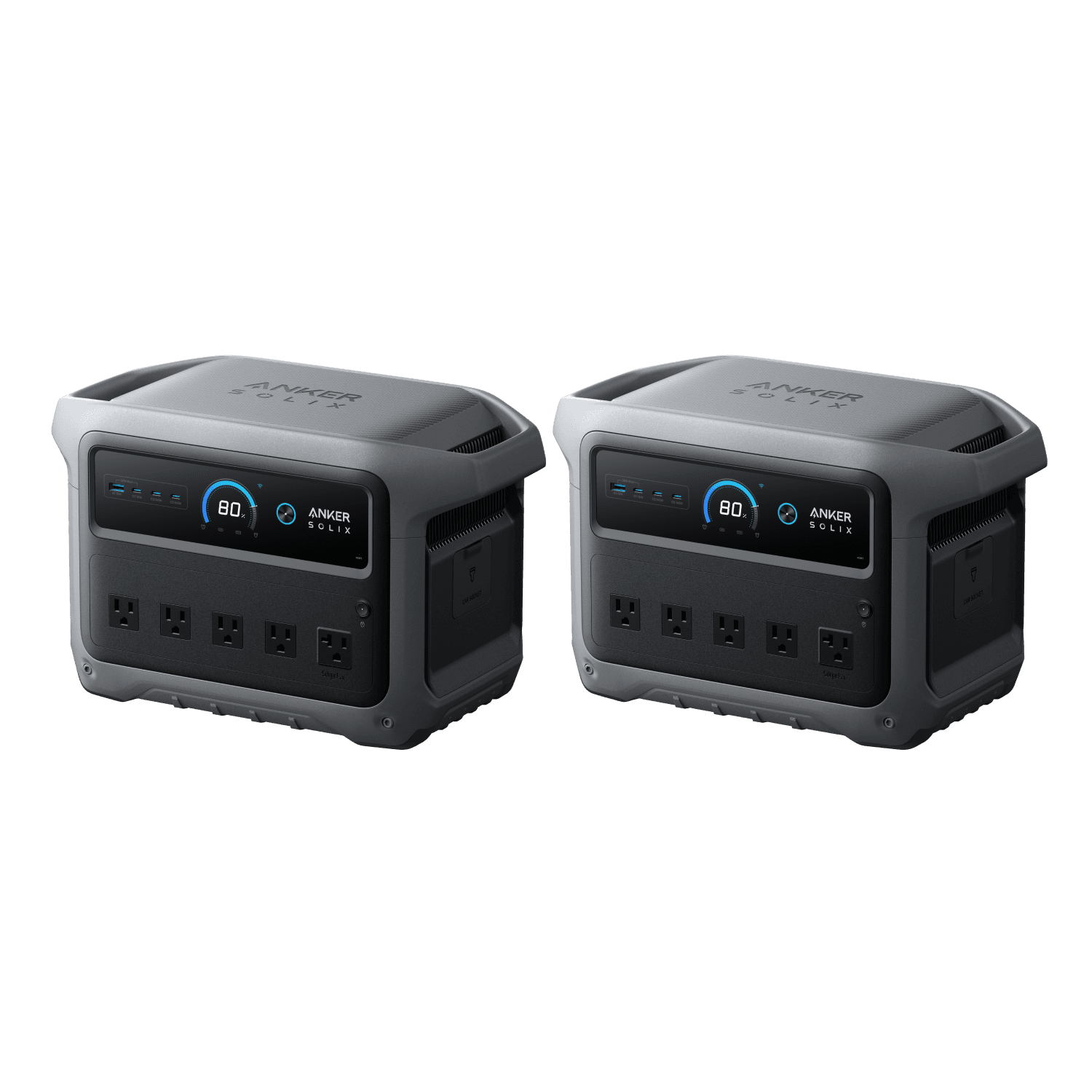
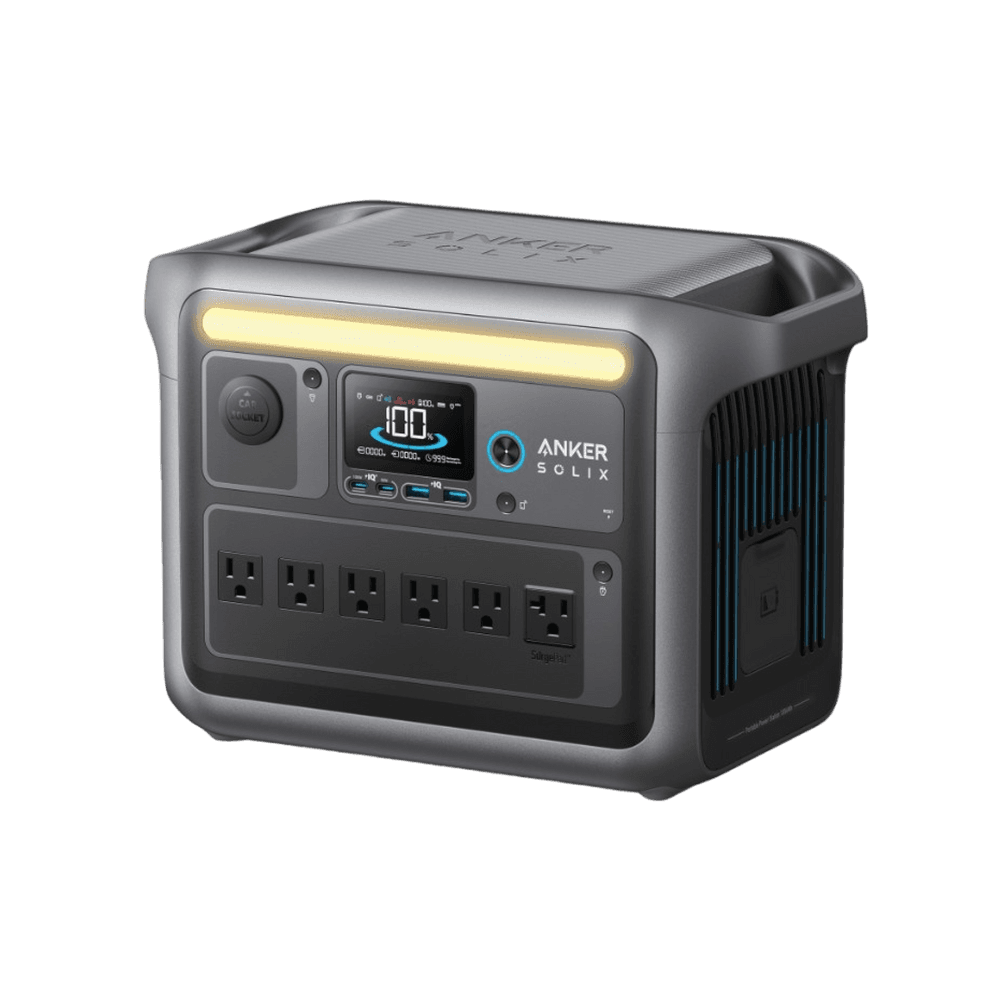
At the other end, the Anker Solix C1000 Gen 2, ranked 2nd, undercuts the Delta 2 Max on both price and portability with a Guinness-certified 49-minute full recharge and a 28-lb chassis — but at 1,024Wh, it's half the capacity. OutdoorGearLab calls the C1000 Gen 2 "the best-overall portable power station for 2026 in the 1 kWh tier," which is the right framing: choose it if you're shopping the 1kWh class specifically, and choose the Delta 2 Max if you need the extra headroom of the 2kWh tier without stepping up to F3800-level weight and cost.
At 9.0 and rank 4 on Gavler's Best Portable Power Stations list, the EcoFlow Delta 2 Max earns its place as the value leader of the 2kWh class. Trusted Reviews' direct efficiency measurements confirm the hardware performs as advertised, and TechRadar's ongoing coverage of its aggressive discount cadence backs up the dollars-per-watt-hour case that defines this unit. Skip it only if you specifically need 240V split-phase support — step up to the F3800 — or want the Delta 3 Max's faster recharge and tighter UPS switchover badly enough to pay full price for the newer generation. For everyone else shopping the 2kWh tier in 2026, this remains the smart buy.
Yes, especially at street pricing. Slickdeals has tracked the unit at $899-$1,099 across most of 2026 — roughly half its $1,699 MSRP — and TechRadar's independent review notes 'we've reviewed a number of EcoFlow portable power stations, and they've never failed to impress us with their capabilities, port selection, and overall power and utility.'
Trusted Reviews measured it directly: discharging through a ~1000W fan heater, the inverter converted power at 83.45% efficiency, which the reviewer called 'excellent, with wastage down to the internal systems and the conversion between DC (battery) and AC (mains) power.' Charging efficiency measured at 107.58% of rated capacity pulled from the wall — 'very competitive' per the same test.
The Delta 3 Max has the same 2,048Wh capacity but bumps continuous output to 2,400W, cuts recharge time to roughly 68 minutes, and improves UPS switchover from 30ms to 10ms. Backup Power Hub's assessment is the deciding factor: the Delta 2 Max 'remains EcoFlow's value pick in the 2 kWh class — the Delta 3 Max is faster and lighter, but the gen-2 unit is hundreds of dollars cheaper at street price.'
Prices checked regularly
90-day price history
Steady at $1,099 for the entire 90-day tracking window — no increases, no discounts, across 91 tracked days.
Tracked daily across retailers. Vote Want itabove and we’ll alert you the moment the price drops.
Some links are affiliate links — Gavler may earn a commission. This never affects rankings or scores. Learn more.
Lithium iron phosphate chemistry rated for over a decade of regular use. Expandable to 6,144Wh with Delta 2 Max Extra Batteries.
Powers a full-size refrigerator, CPAP, lights, and electronics simultaneously. X-Boost mode lifts the surge ceiling for high-draw appliance starts.
Dual solar ports accept up to 1,000W. EcoFlow app schedules charging against off-peak utility rates and pushes firmware updates that have improved performance post-purchase.
Backup Power Hub calls the Delta 2 Max 'still worth buying' versus the Delta 3 series on price grounds. Slickdeals and TechRadar have tracked the unit at $899-$1,099 across most of 2026 — roughly half of the $1,699 MSRP. Off-grid users consistently praise the LFP chemistry, expandable architecture, and EcoFlow app maturity.
Do you think EcoFlow Delta 2 Max deserves the #4 spot in Best Portable Power Stations?
“The Delta 2 Max remains EcoFlow's value pick in the 2 kWh class — the Delta 3 Max is faster and lighter, but the gen-2 unit is hundreds of dollars cheaper at street price.”
“We've watched the Delta 2 Max hit roughly $901 during Prime Day promotions — a 47 percent cut from MSRP that puts it in front of every competitor on dollars per watt-hour.”
“For most homeowners and weekenders, the Delta 2 Max is more power station than you actually need — which is exactly the right place for a category leader to sit.”
Watch
Hand-picked from creators we trust — playable inline.
I Built a Fake Home Theater…
See how other top picks compare in this category.
Watt-hour hangtags are the wrong first question. Whole-home 240V vs a 1–2 kWh station you can carry vs a day-trip compact is the kit. Shop Gavler's live ranking.
Jackery's HomePower 2000 Plus v2 launched in June at $1,799. Six weeks later it's $849 — matching the EcoFlow Delta 2 Max on our list. The price war, explained.
Prime Big Deal Days runs October 6-7, 2026. The Anker Solix, EcoFlow, and Bluetti power stations worth watching, and which discounts are most likely to land.
Anker's whole-home Solix F3800 vs EcoFlow's Delta 2 Max, refreshed for Prime Day 2026. Which station fits your outage plan, your camping trip, and your budget.
Anker Solix, EcoFlow Delta, Bluetti, Jackery. Gavler's community ranks the power stations worth packing — campers, vans, and home-backup buyers.