The Best Electric Vehicles in 2026, Ranked by People Who Actually Drive Them
Tesla, Hyundai, Rivian, Polestar, Lucid. Gavler's drivers rank the EVs worth buying in 2026 — across sedans, SUVs, trucks, and price tiers.
The electric vehicle market has matured past the hype phase and into something more useful: real choice. You can buy a $35,000 EV that genuinely works as your only car, or a six-figure performance machine that embarrasses supercars. The problem isn't finding an EV — it's finding the right one.
We'd suggest asking the people who charge at home every night and have driven through real winters. Gavler's EV rankings are built on votes from owners who've lived with their cars through software updates, road trips, and cold-weather range drops. No dealer incentives. No sponsored placements. Just votes.
How the Rankings Work
One vote per person on the Best Electric Vehicles list. Pick the EV you'd recommend if a friend asked — just one. Sold your car? Move your vote. The result is a ranking that reflects what real owners stand behind right now.
What Changed for 2026 Buyers: The Incentive Picture
The single biggest change to EV buying since these rankings began is not a new model — it is the end of the federal subsidy era. The $7,500 Clean Vehicle Credit that anchored EV pricing for years was repealed under the One Big Beautiful Bill Act and expired September 30, 2025, so no new EV qualifies for it in 2026. The OBBBA replaced it with an auto-loan-interest deduction: eligible buyers can deduct up to $10,000 a year in interest on a loan for a new, U.S.-assembled vehicle through 2028, phasing out above $100,000 modified AGI for single filers and $200,000 for joint. Because eligibility now hinges on U.S. final assembly, where a car is built matters more than ever — Tesla, Rivian, Lucid, and several U.S.-built Hyundai, Kia, Cadillac, and Volvo models can qualify, while many imports do not. Confirm final assembly for the exact trim you are considering.
The practical effect has been a price-cut wave. With the purchase credit gone, automakers and dealers have leaned on their own discounts, cheap lease-money, and loyalty cash to keep EVs moving, and those incentives often offset much of the lost $7,500. Some state programs survive (California, Colorado, and New Jersey among them), and the 30C home-charger credit still covers 30% of a charger plus installation up to $1,000 through June 30, 2026. For 2026 EV shoppers across every segment below — sedans, SUVs and crossovers, trucks, and three-row family SUVs — the playbook is the same: do not count on a federal purchase credit, do ask the dealer about loan-interest deductibility and current incentives, and check your state.
The Top Picks: What the Community Stands Behind
Porsche Taycan Turbo S — The Driver's EV
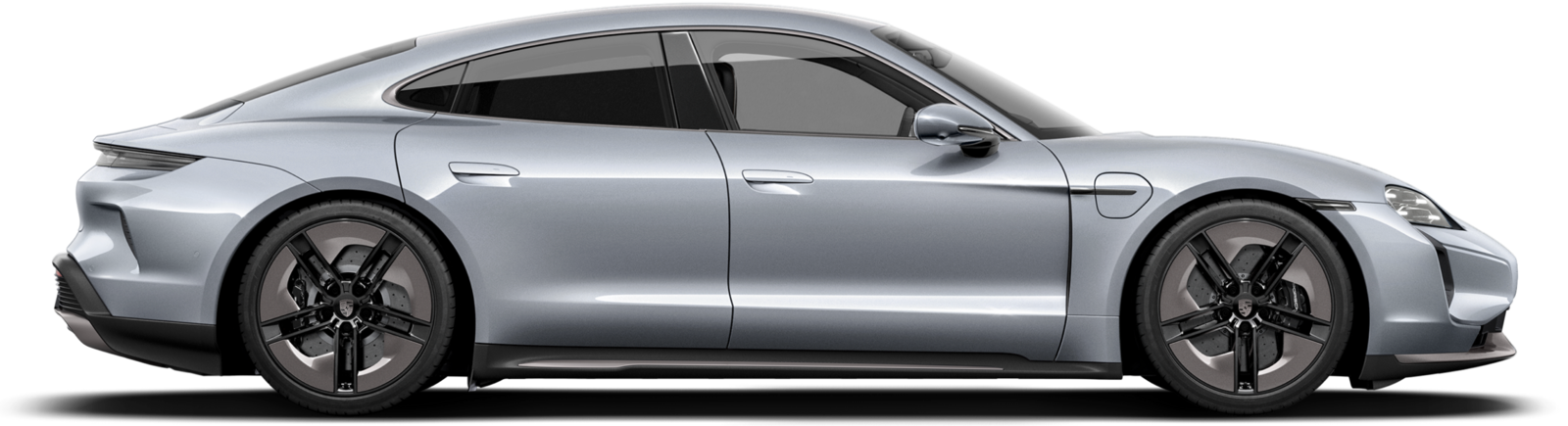
Porsche Taycan Turbo S
750 hp, 2.4s 0-60, and handling that redefines what an electric vehicle can do on a circuit.
The Taycan Turbo S doesn't win on range or value. It wins because it's the only EV that makes you want to take the long way home. The two-speed rear transmission, the 800-volt architecture enabling blistering charge speeds, and the chassis tuning that actually communicates with you through the steering wheel — this is what happens when a company that understands driving builds an EV.
At a 9.6 score, the community's verdict is emphatic: if money isn't the constraint, this is the electric car. The interior quality alone justifies half the premium over the competition.
Tesla Model 3 Performance — The Rational Choice
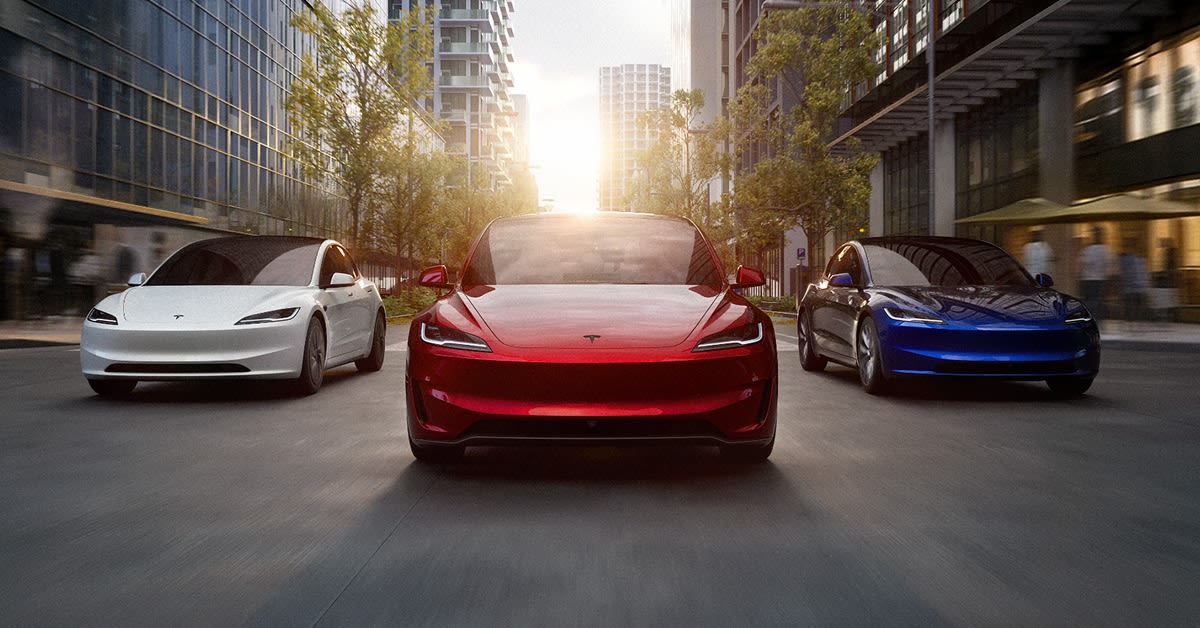
Tesla Model 3 Performance
Quick, efficient, and backed by the largest charging network — the EV that proved electric could be exciting and practical.
Amazon affiliate · price subject to change
The Model 3 Performance is the EV that most people should actually buy. The Supercharger network alone is worth the price of admission — no other manufacturer comes close to that level of charging reliability and coverage. Add sub-4-second acceleration, over 300 miles of range, and a minimalist interior that ages well, and you have the most complete package in the segment.
It scores 9.3 because the community recognizes what matters most in daily EV ownership: the car just works, every day, without compromise.
BMW iX M70 — The Luxury Cruiser
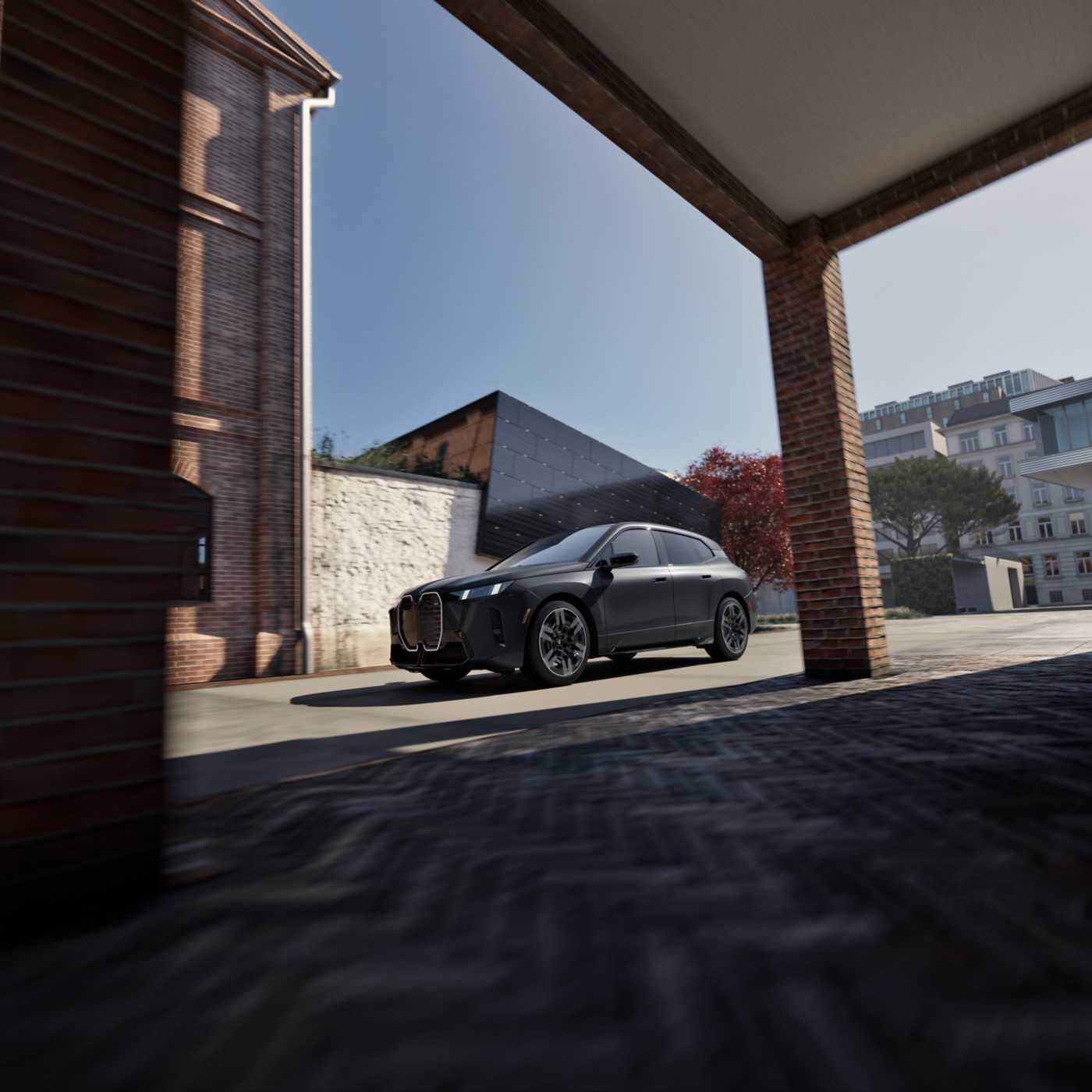
BMW iX M70
Effortless performance meets premium luxury — 650 hp, up to 303-mile EPA range, and BMW's finest interior.
Amazon affiliate · price subject to change
The iX M70 is a fundamentally different proposition from the Taycan or Model 3. This is a luxury living room that happens to produce 650 horsepower. The ride quality is phenomenal. The interior materials — crystal controls, sustainable textiles, real wood — make the Tesla cabin feel like a tech demo by comparison.
It scores 9.0 because the community respects what it does differently. The iX M70 isn't trying to be a sports car. It's trying to be the most comfortable way to travel electrically, and it succeeds.
What's Changed Heading Into Summer 2026
Two structural shifts have moved the calculus since this article first ran in March. First, NACS — Tesla's charging connector — is now effectively the North American standard. Most new EVs from Ford, GM, Hyundai-Kia, Rivian, and Polestar either ship with a native NACS port or come with adapter access to the Supercharger network. The "Tesla charging premium" that defined ownership satisfaction for years is narrowing fast.
Second, the public network is no longer just Tesla's. There are now well over 185,000 public charging ports operational across North America, and Electrify America and EVgo have hardened their reliability stories meaningfully. The road-trip gap between a Tesla and a non-Tesla in 2026 is real but smaller than it was in 2024.
The implication for buyers: shop on the car, not just the network. The argument for choosing a Model 3 Performance over a Hyundai Ioniq 6 or a Kia EV9 is weaker than it was 18 months ago, and the rankings on Gavler increasingly reflect that.
The Charging Reality
What the rankings don't show directly is how heavily charging infrastructure influences satisfaction. Tesla owners still rate their ownership experience highly partly because Supercharger access removes friction — but with NACS adoption complete, most new EVs get that same access. If you're buying a non-Tesla EV, confirm whether your specific model and trim ship with a NACS port or require an adapter before signing.
The Efficiency Play
Tesla Model 3 Performance
Quick, efficient, and backed by the largest charging network — the EV that proved electric could be exciting and practical.
Amazon affiliate · price subject to change
Worth noting: the community doesn't punish efficiency-focused EVs. The votes reward cars that deliver on their promises, whether that promise is track-day performance or 4-mile-per-kWh efficiency. The Model 3 Performance sits in the sweet spot — genuinely quick and genuinely efficient.
Buying Guide: What to Consider
Home charging changes everything. If you can install a Level 2 charger at home, range anxiety evaporates for daily driving. You wake up full every morning. If you can't charge at home, factor in the nearest fast-charging station and how often you'll need it.
Real-world range is not EPA range. Expect 15-25% less range than advertised in cold weather, at highway speeds, or with aggressive driving. Buy for your worst-case scenario, not your best. A 300-mile EPA rating is really a 230-mile winter highway car.
Software updates matter more than you think. Tesla and BMW push over-the-air updates that genuinely improve the car over time — new features, better efficiency, refined driving dynamics. This is a real ownership benefit that doesn't show up on a spec sheet.
Total cost of ownership favors EVs — but only if you keep them. The fuel and maintenance savings are real, but depreciation remains the wildcard. Buy an EV you plan to keep for at least 4-5 years to fully realize the cost advantage.
See all 7 products ranked by the community
Best Electric Sedans
See Full Rankings →164 community votes cast
Common Questions
The Tesla Model 3 Performance offers the best combination of range, charging network access, and daily livability. With over 300 miles of real-world range and access to the Supercharger network, it's the EV that removes the most friction from everyday ownership.
For most buyers, no. The top-ranked EVs all deliver 250+ miles of real-world range, and the charging network has expanded dramatically. The bigger factor is charging speed — how fast you can add miles at a stop matters more than total range for road trips.
The $40,000-55,000 range offers the best value with vehicles like the Tesla Model 3 Performance. Above $80,000 you're paying for luxury materials, sharper dynamics, and brand cachet — the Porsche Taycan Turbo S and BMW iX M70 live here. Both tiers deliver excellent EVs; the difference is refinement.
It depends on what you value. The Porsche Taycan Turbo S delivers driving dynamics and interior quality that no Tesla matches. The BMW iX M70 offers a serene luxury experience. But the Tesla Model 3 Performance offers 90% of the performance at half the price with the best charging network. The community ranks all three highly for different reasons.
Rankings are determined entirely by community votes. Each user gets one vote on the Best Electric Vehicles list — pick the one EV you'd recommend above all others. No affiliate commissions or sponsorships influence the rankings.
Products Mentioned
Jump to the full ranking and community verdict for each pick named above.