I'm Selling My Porsche 993 Turbo on Cars & Bids!
Doug DeMuro
750 hp, 2.4s 0-60, and handling that redefines what an electric vehicle can do on a circuit.
Gavler Meta-Score
“The Taycan Turbo S ended the debate about whether EVs can be driver's cars. It handles, brakes, and communicates with the precision Porsche has spent 75 years perfecting. At $187,600 it's not cheap, but nothing else in the EV market delivers this combination of repeatable performance and chassis involvement — and it's cheaper than any combustion Porsche that performs this well.”
The Gavler Verdict
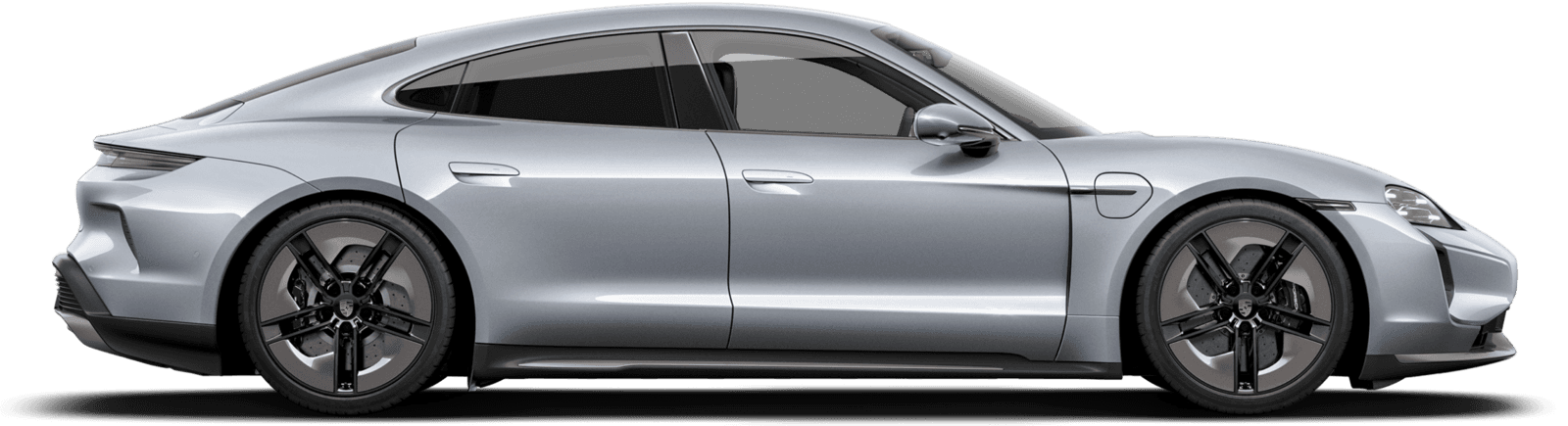
Porsche Taycan Turbo S Review: The EV That Ended the Driver's-Car Debate
The Porsche Taycan Turbo S sits at number one on our Best Electric Sedans list with a 9.6, and it earns that spot by settling an argument electric cars had been losing for years: can an EV actually be a driver's car, not just a fast one? Porsche's answer is a two-speed transmission, 800V architecture, and a chassis tuned by the same engineers who built the 911 — and the result makes combustion-engine sports cars feel imprecise by comparison. Buy it if you want the best-handling electric sedan money can buy and the price doesn't scare you. Skip it if range tops your list — at around 260 EPA miles, it trails nearly everything else in the segment, and that's the one honest trade-off standing between this car and a perfect score.
The Taycan Turbo S produces 750 horsepower in standard mode, rising to 938 hp with launch control engaged, delivered through Porsche's signature two-speed rear transmission — a feature no other production EV offers. Low gear provides the explosive off-the-line acceleration; high gear keeps the motor spinning efficiently at highway speed instead of redlining pointlessly the way most single-speed EVs do. Porsche's engineers built the 800V electrical architecture specifically so performance doesn't degrade across repeated hard launches, which is a real engineering distinction: most EVs get noticeably slower on their fifth or sixth launch as the battery heats up. The Taycan's tenth launch is designed to feel like the first.
At $187,600, it is not a car you buy by accident, and it's worth being honest about what that money buys. It is cheaper than any combustion Porsche that performs anywhere near this level, and the interior build quality is unmistakably Porsche — tight panel gaps, real switchgear, a cabin that feels engineered rather than assembled. The trade for that price and pedigree is range: at roughly 260 EPA miles, the Turbo S asks you to plan road trips a Tesla or Lucid owner wouldn't have to think about.
The number that matters most here isn't the 2.4-second 0-60 time — it's what happens after. Car and Driver's independent testing put the Taycan among the quickest production cars ever measured to 60 mph, writing that it was "the first production car to hit 60 mph in under 2 seconds" in their launch-control testing. But the more telling praise from testers is about consistency: the 800V system and two-speed transmission mean the car performs the same on lap ten as lap one, a repeatability problem that has dogged high-performance EVs since the category began.
The chassis is where the Taycan separates itself from being merely quick to being genuinely great to drive. The adaptive air suspension with Porsche Active Ride actively counteracts body roll in real time — not just dampening it, but working to keep the car flat through a corner. Top Gear's testers put it bluntly: "The suspension system doesn't just counteract body roll — it erases it entirely and actually leans the car into a corner." At 5,100 pounds, a Taycan has no business changing direction the way it does, and that contradiction between mass and agility is the car's defining trick. Car Magazine's assessment sums up where that leaves the segment: it's "still the EV benchmark" against which every performance EV gets measured.
Charging is the practical counterweight to the range number. The 800V architecture accepts up to 320kW DC, taking the battery from 10 to 80 percent in about 18 minutes — fast enough that the shorter range is a manageable inconvenience on a road trip rather than a dealbreaker, provided you're near a capable fast charger.
This is the best-driving electric sedan on the market, not the most practical one, and the honest reasons to look elsewhere are specific:
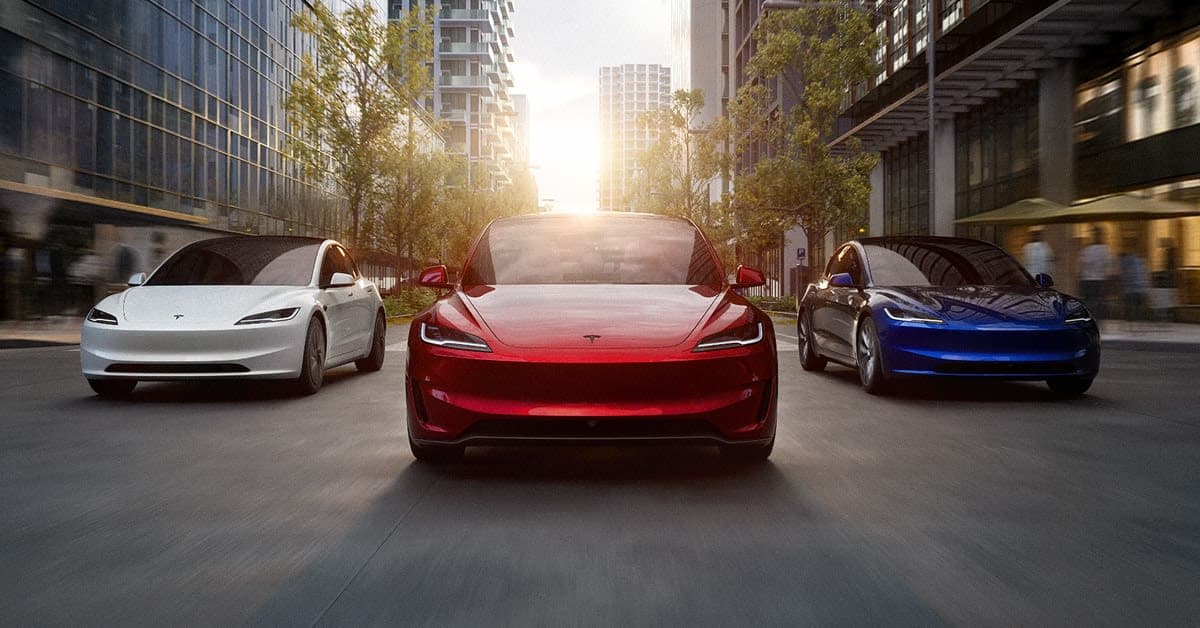
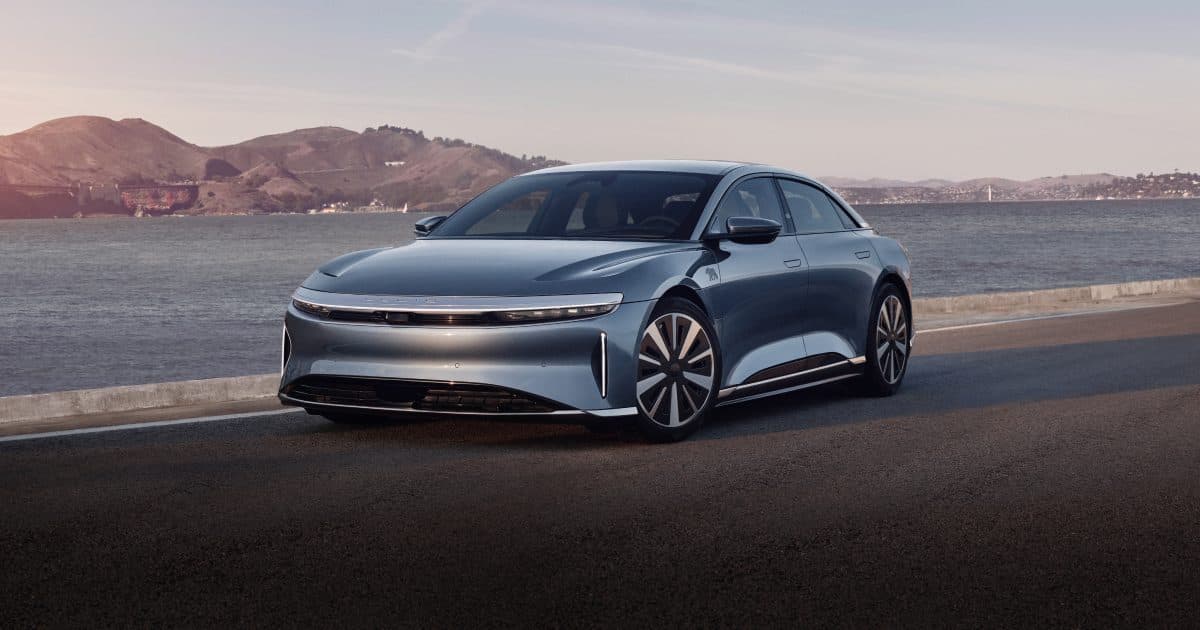
Within its own list, the Taycan's closest rivals sit directly behind it. The Tesla Model 3 Performance at number two is the value cross-shop — 510 hp, a 3.1-second 0-60, 315 miles of range, and access to the largest fast-charging network in existence, all for $54,990. It gives up the Porsche's chassis sophistication and cabin quality but delivers genuine excitement at a third of the price. The Lucid Air Pure at number three takes the opposite trade: 420 miles of range and a whisper-quiet luxury cabin for $70,900, prioritizing efficiency and comfort over outright cornering ability.
The Taycan's case isn't that it wins on range or value — it doesn't, and doesn't pretend to. Its case is that no other EV drives like it, and for the buyer who cross-shops it against a 911 or an AMG sedan rather than a Model 3, that's the entire point.
A 9.6, reflecting a near-unanimous critical consensus (96 expert score against 93 from owners) that this is the best-driving electric car available. The Porsche Taycan Turbo S didn't just prove EVs could be quick — it proved they could communicate with a driver the way a great combustion sports car does, through repeatable launches, a chassis that erases body roll, and controls that reward being pushed. The range gap versus the Model 3 and Lucid Air Pure is real and worth taking seriously if road trips are part of your life. But for the buyer whose priority is how a car feels in a corner, not how far it goes between charges, nothing else in the segment comes close.
If you value driving dynamics over spreadsheet efficiency, yes. It ranks first on Gavler's Best Electric Sedans list with a 9.6, built on a two-speed transmission and 800V architecture that no rival has matched for repeatable launch performance. The honest caveat is range: at roughly 260 EPA miles, it trails the Tesla Model 3 Performance and Lucid Air Pure by a wide margin, and that gap is the main reason the community score sits a few points below the near-universal critical praise.
Buy the Taycan if chassis feel, braking precision, and repeatable performance on a track day matter to you, and if the price gap doesn't. Buy the Model 3 Performance if you want 90 percent of the excitement, 315 miles of range, and access to Tesla's Supercharger network for a fraction of the cost. The Taycan is the driver's choice; the Model 3 is the value and range choice.
Porsche quotes 2.4 seconds to 60 mph in standard mode, and up to 938 horsepower is available with launch control engaged. Car and Driver's independent testing measured it among the quickest production cars ever tested to 60 mph, and — unlike many rivals — Porsche specifically engineered the 800V system so the tenth launch in a row performs identically to the first, rather than tapering off as the battery heats up.
For most daily driving, yes; for road trips, it's the car's real weakness. Around 260 EPA miles is well behind the Model 3 Performance's 315 miles and far behind the Lucid Air Pure's 420 miles. Porsche's 320kW DC fast charging (10-80% in 18 minutes) mitigates the gap on the road, but if long-distance range is your top priority, this is not the car built for it.
Prices checked regularly
90-day price history
Steady at $187,600 for the entire 90-day tracking window — no increases, no discounts, across 91 tracked days.
Tracked daily across retailers. Vote Want itabove and we’ll alert you the moment the price drops.
Some links are affiliate links — Gavler may earn a commission. This never affects rankings or scores. Learn more.
Industry-leading 800-volt electrical system enables 320kW DC fast charging (10-80% in 18 minutes) and consistent performance with zero degradation across repeated launches.
Porsche's unique two-speed rear transmission provides explosive first-gear acceleration and efficient high-speed cruising — no other EV has this.
Adaptive air suspension, rear-axle steering, and Porsche Torque Vectoring Plus deliver handling precision that defies the car's 5,100 lb weight.
Near-universal praise for driving dynamics and build quality. Community notes the range (approximately 260 miles) trails competitors, and the infotainment system has a learning curve.
Do you think Porsche Taycan Turbo S deserves the #1 spot in Best Electric Sedans?
“Still the EV benchmark.”
“The suspension system doesn't just counteract body roll — it erases it entirely and actually leans the car into a corner.”
“The first production car to hit 60 mph in under 2 seconds.”
“Bump up to the Turbo trims, and you're treated to brutally quick acceleration.”
Watch
Hand-picked from creators we trust — playable inline.
I'm Selling My Porsche 993 Turbo on Cars & Bids!
I'm Selling My Porsche 993 Turbo on Cars & Bids!
Porsche Cayenne S Electric Is The Drivetrain To Choose! First Drive & Coupe First Look
Is It Time To Buy a "Cheap" Porsche Taycan Turbo S?! (750 HP)
2020 Porsche Taycan Turbo S POV Test Drive & Review
2021 Porsche Taycan Turbo S Review 0-100km/h in 2 secs - Fastest EV in the World
2020 Porsche Taycan Turbo S Review // $250,000 Silent Supercar Killer
2020 Porsche Taycan Turbo Review
See how other top picks compare in this category.
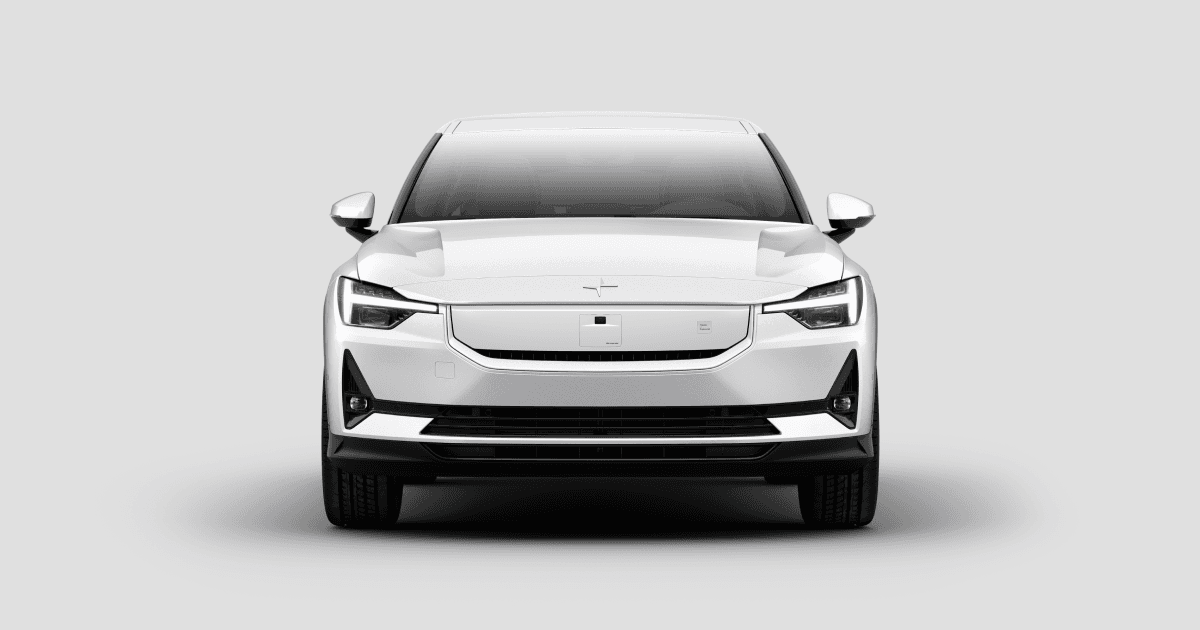
Tesla Model 3, Lucid Air, Polestar 2, BMW i4. Gavler's drivers rank the EV sedans worth buying — for range, charging, and how they actually drive.
Tesla, Hyundai, Rivian, Polestar, Lucid. Gavler's drivers rank the EVs worth buying in 2026 — across sedans, SUVs, trucks, and price tiers.