Rivian R2 DC Fast Charging Analysis - 500A vs 600A
Out of Spec Reviews
Quick, efficient, and backed by the largest charging network — the EV that proved electric could be exciting and practical.
Gavler Meta-Score
“Nothing within $50,000 of the Model 3 Performance accelerates like it does — a genuine 3.0-second EV for the price of a loaded family crossover. The catch is livability: everything lives in the touchscreen, there is no CarPlay, and the styling barely whispers 'performance.' Buy it if the stoplight thrill and Supercharger access matter more to you than knobs and badges.”
The Gavler Verdict
Tesla Model 3 Performance Review: Blistering Speed, Compromised Feel
The Tesla Model 3 Performance is the fastest way into an EV that still looks and lives like a normal sedan, and that combination is still the whole pitch. Tesla's own claim for the current car is 0-60 mph in 2.9 seconds; Edmunds clocked its own test car at 3.0 seconds flat on an actual track, a number that puts it in company with a Porsche 911 Carrera 4 GTS at a third of the price. At $54,990, nothing else in this segment sells this much straight-line speed for this little money. But "fastest" and "best to drive" aren't the same claim, and reviewers who've spent real time behind the wheel are split on whether the chassis underneath that speed is actually good — which makes this a car you should buy for exactly what it's great at, not for what the spec sheet implies it might also be.
The Model 3 Performance is the range-topping trim of Tesla's smallest, cheapest sedan — the car most responsible for making EVs a mainstream purchase rather than an early-adopter statement. Underneath the same "Highland"-generation bodywork as the regular Model 3, the Performance trim adds a stronger dual-motor powertrain, adaptive dampers, a lower ride height, bigger brakes, 20-inch forged wheels, and a track-tuned driving mode. It's aimed squarely at the segment Tesla likes to invoke by comparison — BMW M3, Mercedes-AMG C63, Cadillac CT4-V Blackwing — while undercutting all three on price by tens of thousands of dollars.
Where it sits on Gavler's Best Electric Sedans list matters, too. It ranks second, just behind the Porsche Taycan Turbo S, which spends roughly three times the money to buy a more finished, more communicative driving experience. The Model 3 Performance is the value argument on that list — the car that gets you 80% of the speed and 100% of the daily usability for a fraction of the price.
The straight-line numbers check out under scrutiny. Edmunds' independent testing team put the Performance through its test track and measured a 0-60 mph run of 3.0 seconds, writing that it "matches vehicles like the Porsche 911 Carrera 4 GTS and the Lamborghini Huracan STO — cars that cost several times more," and noting the power "pours on suddenly but is delivered smoothly." Braking, by contrast, drew a more mixed note: Edmunds measured a 60-0 mph stop of 109 feet, calling it "good but not great," and found the brakes "get very hot very quickly when you're pushing the sedan on a track."
Where the reviews genuinely diverge is handling feel. The Drive's Nico DeMattia, who spent three days in a U.S.-spec 2025 car, was blunt: the steering has "among the least feel and the most artificially fast self-centering I've ever experienced," and he scored the car 7 out of 10 overall, concluding it's "a straight-line, one-trick performance pony." InsideEVs' Andrei Nedelea, testing a Euro-spec version back to back with a BMW M4 Competition, came away with the opposite read, writing that the Model 3 Performance "never felt cumbersome or unpredictable around the corners" and that its steering "felt better compared to the aforementioned BMW M4," concluding it's "still the best value on the high-performance EV market." Both testers agree on the seats (genuinely excellent, with heavy bolstering) and on the acceleration; they simply don't agree on whether the rest of the chassis lives up to it. That split is worth taking seriously rather than picking whichever verdict you like better — it suggests the car rewards some driving styles and frustrates others, so a real test drive matters more here than usual.
The interior is the same minimalist cabin as the base Model 3, and Edmunds flags the tradeoffs directly in its own pros/cons breakdown: "the touchscreen interface controls nearly everything and is distracting to use," and there's "no Android Auto and Apple CarPlay smartphone integration." If you want a cockpit that feels distinct from a $40,000 Model 3, or you rely on CarPlay, this will bother you daily. The stock audio system also drew specific criticism from The Drive as "horrid." Buyers cross-shopping combustion sports sedans for driving feel — an M3, a Blackwing, an Alfa Quadrifoglio — should test-drive before assuming the Tesla's straight-line speed translates to backroad enjoyment; The Drive's verdict was that it would be "dead last choice out of every car in the segment when choosing one for a twisty backroad," even acknowledging the Tesla is by far the cheapest option there. And Edmunds' compiled owner-review data (3.7 out of 5 stars across 31 reviews) shows a real, if minority, pattern of build-quality inconsistencies and slow service experiences alongside the praise for the ride and OTA updates — worth asking your local delivery/service center about before you buy.
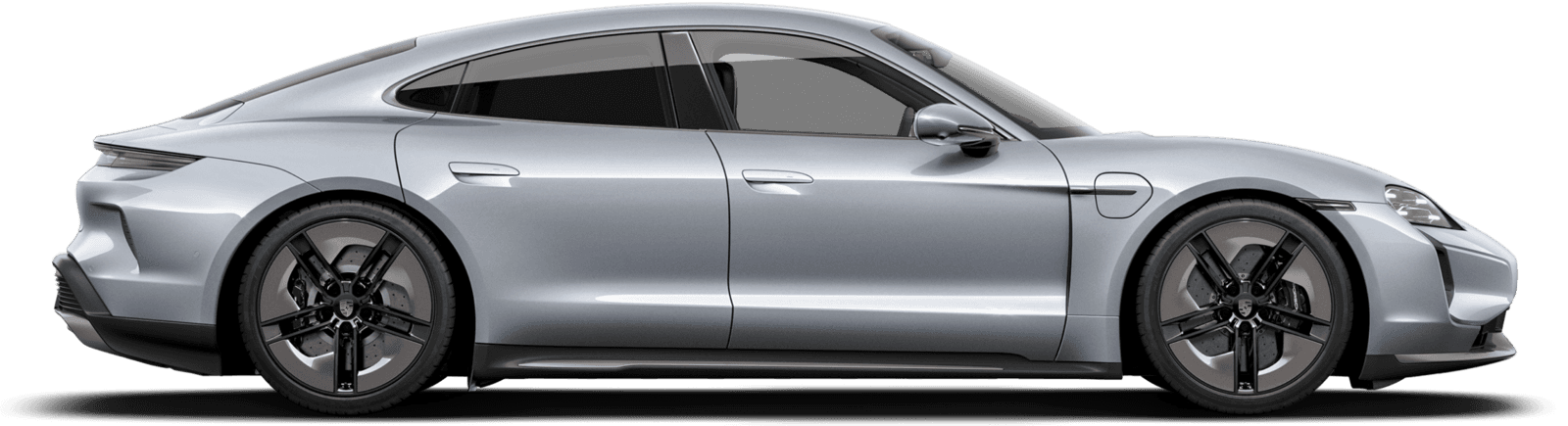
Against the Porsche Taycan Turbo S at the top of this list, the comparison is mostly about what you're willing to pay for polish. The Taycan is the more resolved, more communicative car by every account, but it costs roughly three times as much. The Model 3 Performance gets you into the same 0-60 territory for a fraction of the price, at the cost of interior material quality and — per The Drive and others — outright driving engagement.
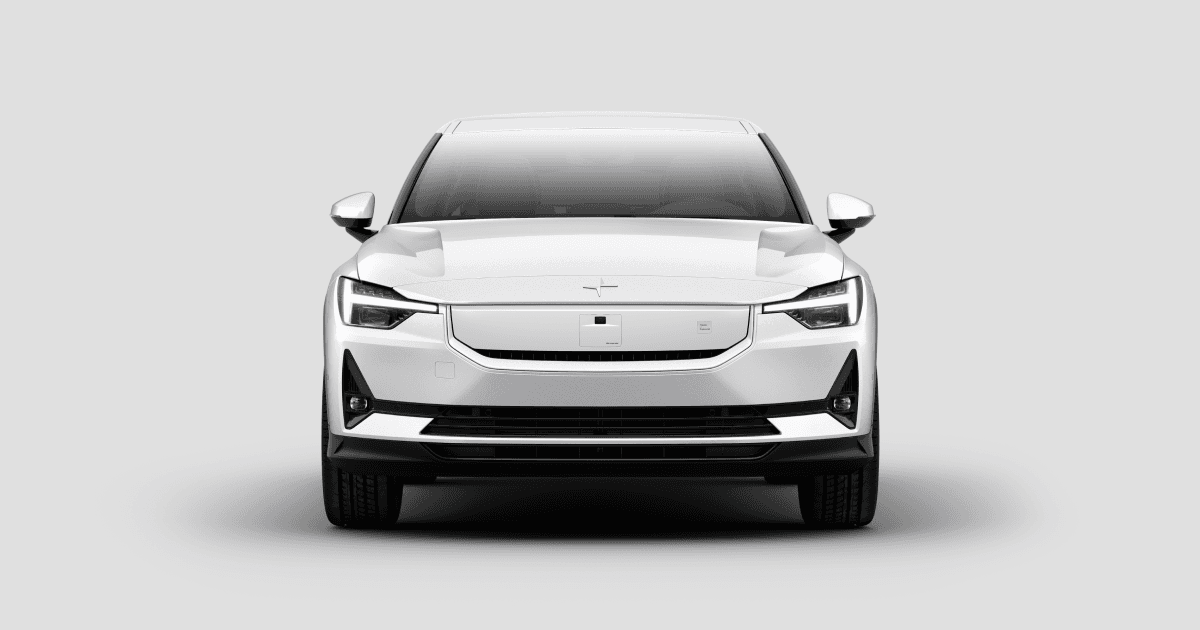
Against the Polestar 2, ranked fourth on this list, the trade runs the other direction. The Polestar is slower and doesn't have anything close to Tesla's charging network, but it wraps its performance in a calmer, more conventional cabin with physical controls the Model 3 simply doesn't offer, and several reviewers across the EV segment describe it as the more relaxing daily driver of the two. If straight-line speed and charging convenience are the priority, the Tesla wins outright; if cabin feel and a quieter ownership experience matter more, the Polestar is the one to cross-shop.
The Model 3 Performance earns its spot at number two on our Best Electric Sedans list by being unmatched at the one thing it's built to do: convert a $54,990 price tag into supercar-adjacent acceleration, backed by independently verified test numbers and the best fast-charging network in the business. Where it's more polarizing is everything else — the cabin materials, the CarPlay-less infotainment, and a chassis that one respected reviewer found artificial and another found genuinely engaging. Buy it for the speed, the range, and the Supercharger network; go in with clear eyes about the interior and take it on a real back-road test drive before you assume the numbers alone tell the whole story.
Tesla's official claim for the current U.S.-spec car is 2.9 seconds. Edmunds' own independent test-track run measured 3.0 seconds flat, which still matches cars like the Porsche 911 Carrera 4 GTS. Either number is quicker than some older published specs suggest, so don't be surprised if you see a range of figures across sources.
Edmunds' current listing shows an EPA-rated 314 miles, with 292 miles achieved in Edmunds' own range test. Other outlets and state emissions databases have listed the same generation at closer to 298 miles, so treat any single number as an estimate and confirm the figure on your specific build's window sticker before buying.
No. Like every Tesla, it runs its own in-house infotainment system with no CarPlay or Android Auto integration, a point Edmunds specifically dings in its review. If seamless phone mirroring is a dealbreaker for you, factor that in before you buy.
Reviewers disagree. The Drive found the steering artificially numb and rated it 7/10, calling it 'a straight-line, one-trick performance pony.' InsideEVs, testing a Euro-spec car, called it 'a proper corner carver' and preferred its steering feel to a BMW M4 Competition. Both agree it's blisteringly quick in a straight line; they diverge sharply on whether the chassis rewards being pushed.
The Model 3 Performance is quicker, has access to Tesla's much larger Supercharger network, and starts cheaper. The Polestar 2 trades some of that speed and charging convenience for a more conventional, less polarizing interior and a driving character several reviewers find more communicative. See both ranked on our Best Electric Sedans list.
Edmunds' compiled owner-review data (3.7 out of 5 stars across 31 reviews) shows a split: owners consistently praise the quick, quiet ride and over-the-air software updates, but a recurring minority flags build-quality inconsistencies, screen or software glitches, and slow or frustrating service and repair experiences.
Prices checked regularly
90-day price history
Tracked at $42,000 across 91 tracked days — currently $54,990 at the retailers above.
Tracked daily across retailers. Vote Want itabove and we’ll alert you the moment the price drops.
Some links are affiliate links — Gavler may earn a commission. This never affects rankings or scores. Learn more.
Dual-motor AWD delivers acceleration Edmunds clocked at 3.0 seconds to 60 mph — matching a Porsche 911 Carrera 4 GTS that costs several times more.
Native access to Tesla's Supercharger network added roughly 100 miles in under 16 minutes of Edmunds charging tests, with an adapter for non-Tesla stations.
A deep trunk well, a 3.1-cu-ft frunk, and flat-folding rear seats give this sedan more usable space than many compact SUVs.
Experts rate acceleration and value near the top of the class; the range/efficiency score is the weak spot, and both Edmunds and owners flag the touchscreen-only controls and missing Apple CarPlay/Android Auto.
Do you think Tesla Model 3 Performance deserves the #2 spot in Best Electric Sedans?
“Spend all the time you want scouring MotorTrend test results, but you won't find another car that quick for anywhere close to the price.”
“At our test track, the Model 3 Performance ripped from 0 to 60 mph in just 3.0 seconds.”
“Our Real World Road-Trip Range test returned just 265 miles at a constant 70 mph, 16 percent off the EPA rating.”
“You could also view this car as an ideal sleeper sport sedan.”
Watch
Hand-picked from creators we trust — playable inline.
Rivian R2 DC Fast Charging Analysis - 500A vs 600A
Our Rivian R2 Range Test Caused Quite The Controversy
Rivian R2 vs Tesla Model Y 70-MPH Highway Range Test! How Is This Even Possible?
Rivian Claims R2 Matches Model Y Efficiency… Let’s See About That
Tesla Makes Up For Poor Charging w/ Insane Efficiency! Model Y Performance 10% Road Trip Challenge
2026 Tesla Model Y Performance, Performance Review
See how other top picks compare in this category.
Tesla Model 3, Lucid Air, Polestar 2, BMW i4. Gavler's drivers rank the EV sedans worth buying — for range, charging, and how they actually drive.
Tesla, Hyundai, Rivian, Polestar, Lucid. Gavler's drivers rank the EVs worth buying in 2026 — across sedans, SUVs, trucks, and price tiers.