DJI Neo 2.
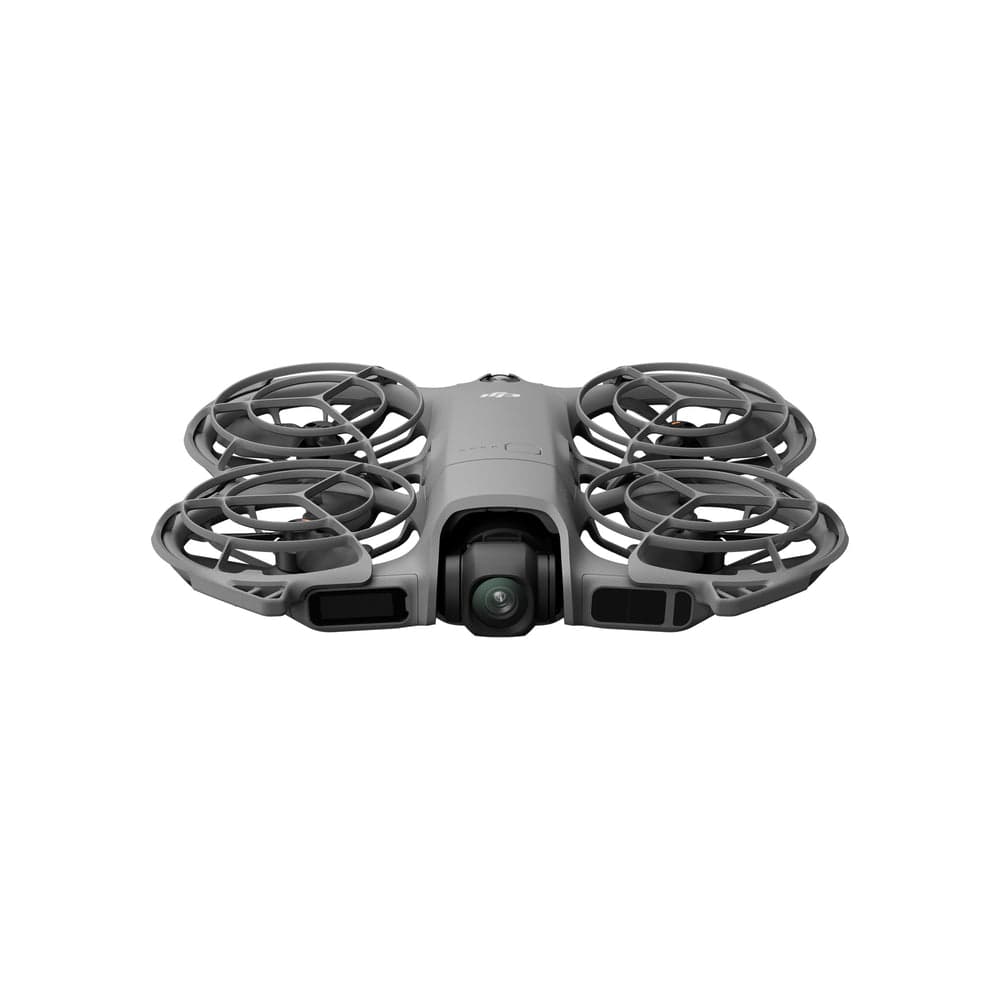
A palm-sized 151g drone that adds omnidirectional obstacle sensing and 4K/60 video to DJI's smallest body — the sub-$300 pick for beginners who want tracking and crash-avoidance without bulk.
The Verdict.
Gavler Meta-Score
“The Neo 2 is the easiest recommendation for a first drone that won't immediately fly into a tree — obstacle sensing plus DJI's tracking and palm launch make it forgiving in a way the $149 original Neo isn't, and $259 keeps it firmly in beginner territory. If you want a registration-free camera drone with better image quality and far longer flight time, step up to the Mini 3.”
The Gavler Verdict
The Gavler Review.
DJI Neo 2 Review: The Safer, Faster Palm-Launch Drone
The DJI Neo 2 ranks number 11 on Gavler's Best Drones list with a 8.2. At 151 grams and launchable straight from your palm, it's built for the nervous first-time pilot who wants a real safety net — and it delivers one the original Neo never had. Engadget's review didn't hedge: DJI's Neo 2 "performs that rare trick of doing much more than I expected — for a lot less money," calling it "not just the best personal drone; it's the best tech product I've seen in a while, period."
What it is
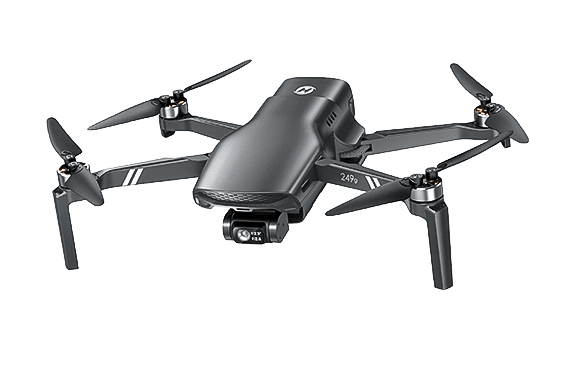
The Neo 2 is DJI's second-generation palm-sized drone, and the headline addition is omnidirectional obstacle sensing plus a forward LiDAR sensor — features the original $149 Neo simply didn't have. It shoots 4K video at up to 60fps (100fps in slow-motion mode), up from the original's 30fps ceiling, through an upgraded 12MP, 1/2-inch sensor with an f/2.0 aperture. It launches controller-free from your palm with gesture control, tracks subjects with DJI's ActiveTrack system, and stores footage on 49GB of built-in memory — more than double the original Neo's 22GB.
At $259 drone-only, it sits just above the original Neo ($149) and well below the Mini 3 ($419), occupying a specific niche: meaningfully safer than the cheapest DJI option, meaningfully cheaper than the drones with real obstacle avoidance and longer flight times.
In use
The most immediately noticeable upgrade over the original isn't a spec-sheet number — it's how the drone sounds and moves. Engadget's Steve Dent, who'd flown the original Neo extensively, put it memorably: "I likened the Neo's prop noise to a banshee howl, but the Neo 2 is maybe a... banshee purr. Both the decibel level and pitch are now tolerable, even indoors." That matters more than it sounds; drone noise is a genuine social friction point when flying around other people, and a quieter drone gets flown more.
Speed is the other real-world improvement. The original Neo topped out around 18 mph and struggled to keep pace with anything faster than a slow walk. Testing the Neo 2's new Bicycle Tracking mode on an e-bike, Engadget found it "easily kept up with me while easily avoiding obstacles in the forward direction" at speeds up to 27 mph — a genuine step up in what the drone can actually be used for, not just a number that looks better on a spec chart.
The LiDAR and obstacle sensors work as advertised in the direction that matters most: forward flight around trees and obstacles was reliable in testing, "swooping cinematically around trees and branches." The caveat is coverage — with only two omnidirectional sensors rather than a full sensor suite, side and rear obstacle avoidance is noticeably weaker, which matters if you're using the drone to follow yourself while walking or biking through tight spaces.
Strengths
- Real obstacle sensing, finally. The original Neo had none; the Neo 2's LiDAR and omnidirectional sensors are a genuine safety upgrade for nervous or beginner pilots.
- Much quieter. Reviewers consistently describe the prop noise as dramatically improved — usable even indoors without the original's shriek.
- Faster and more capable tracking. Up to 27 mph in follow mode with a dedicated Bicycle Tracking mode makes it usable for action, not just static selfies.
- 4K/60fps, up from 4K/30. A meaningful video quality jump alongside the safety improvements.
The trade-offs — who should skip it
Image quality is the honest limitation, and it's a function of physics as much as engineering — a drone this small can't carry a large sensor. Engadget's testing found "mediocre low-light capability, with pronounced grain at the maximum ISO 12,800 rating that's even noticeable at ISO 3,200," and the drone lacks 10-bit D-LogM color grading that even the cheaper $400 DJI Flip includes, making it harder to rescue over- or underexposed footage in post. The verdict there is blunt but fair: "video and photos from the Neo 2 aren't quite good enough for professional work," though "excellent for social media users, hobbyists and content creators."
Obstacle sensing coverage is also incomplete. With sensing concentrated forward rather than truly omnidirectional in practice, side and rear collision risk remains real, particularly for vloggers flying the drone alongside themselves while moving. And while the prop noise is dramatically improved at ground level, Engadget noted "a high-pitched sound, a noise that carries even across high altitudes" — quieter up close doesn't mean silent from a distance.
How it compares
The original DJI Neo sits at rank 7 on the same list and remains the cheaper option at $149 — but it's the drone the Neo 2 was built to replace for anyone who can stretch the extra $110. It has no obstacle avoidance at all and caps out at 4K/30, exactly the two gaps the Neo 2 closes. If budget is the only constraint and you're comfortable flying carefully, the original Neo is still on the list for a reason; for nearly everyone else, the Neo 2's safety features are worth the price step.
For pilots who want to go further, the DJI Mini 3 at rank 10 is the natural step-up: a larger 1/1.3-inch sensor, 4K HDR video, and up to 51 minutes of flight time with the Plus battery, all while staying under the 249g FAA registration threshold. It trades the Neo 2's palm-launch simplicity and obstacle sensing for meaningfully better image quality and far longer flights.
The Gavler verdict
The Neo 2 is the easiest recommendation for a first drone that won't immediately fly into a tree — obstacle sensing plus DJI's tracking and palm launch make it forgiving in a way the $149 original Neo isn't, and $259 keeps it firmly in beginner territory. Image quality in low light and the incomplete side/rear obstacle coverage are the honest costs of that price and size. If you want a registration-free camera drone with better image quality and far longer flight time, step up to the Mini 3; if you want the safest, easiest way into flying at all, the Neo 2 is it.
Common Questions
For a first drone, yes. Engadget called it 'not just the best personal drone; it's the best tech product I've seen in a while, period,' crediting the new LiDAR obstacle detection and quieter props. At $259 it's the easiest recommendation for a beginner who wants safety features without stepping up to a registered drone.
The Neo 2 fixes the original's two biggest gaps: no obstacle avoidance and a 4K/30 ceiling. It now shoots 4K up to 60fps (100fps in slow motion) and adds omnidirectional and LiDAR sensing the original Neo lacked entirely, at $259 versus the original's $149.
No, and reviewers are candid about that. Engadget found 'the small sensor means the Neo 2 has mediocre low-light capability, with pronounced grain at the maximum ISO 12,800 rating that's even noticeable at ISO 3,200,' and it lacks 10-bit D-LogM color grading. It's built for social content and hobbyist use, not commercial video work.
Where to Buy.
Prices checked regularly
90-day price history
Price History
Steady at $199 for the entire 90-day tracking window — no increases, no discounts, across 91 tracked days.
Tracked daily across retailers. Vote Want itabove and we’ll alert you the moment the price drops.
Some links are affiliate links — Gavler may earn a commission. This never affects rankings or scores. Learn more.
Precision Engineering
4K/60fps Gimbal Camera
Stabilized video at high frame rates in a pocket-sized package.
Omnidirectional Obstacle Sensing
Collision avoidance the original Neo lacked — the headline upgrade for new pilots.
Ultra-Portable Design
151g and palm takeoff/landing make it the easiest DJI drone to launch anywhere.
Technical Specifications
The Scoreboard
Expert consensus values the capability-to-price ratio at entry level.
Cast Your Vote
Do you think DJI Neo 2 deserves the #11 spot in Best Drones?
Global Critique
“The Neo 2 adds the obstacle sensing the first Neo was missing — a much safer first drone for $259.”
More from Best Drones.
See how other top picks compare in this category.
Buy the Drone You'll Actually Fly
6K hangtags are the wrong first question. Under-250g travel vs pro cine is the weight class to pick. Then shop Gavler's live ranking.
A 25% Drone Tariff Lands September 3 — If You Want a DJI Mini, the Clock Is Running
A 25% tariff on imported drones lands September 3, and DJI's US supply is already thin. Here's which sub-250g Mini to buy before the window closes.
DJI Avata 360: The First 360° FPV Drone Is Better Than It Has Any Right to Be
The first FPV drone with a 360° camera changes what cinematic FPV means. Here's the spec sheet, the price, and what it actually fixes.
DJI Mini 4 Pro vs DJI Flip: The Sub-250g Drone That's Actually Worth Your Money
Two sub-250g DJI drones, two very different jobs. Here's which fits your shooting style — and where each one falls short.
DJI Mavic 4 Pro, Nine Months Later: The Drone Everyone Keeps Choosing
Nine months in, the Mavic 4 Pro is the most-flown drone in Gavler's community. Here's what holds up and what we'd flag before you buy.
The 10 Best Drones in 2026, From Cinematic Flagships to Pocket Flyers
DJI dominates, but Autel and Skydio still matter. Gavler's pilots rank the drones worth flying — for cinema, mapping, and weekend hobby use.