You Can't Buy Airless MTB Tires—So I Made Them!
Berm Peak
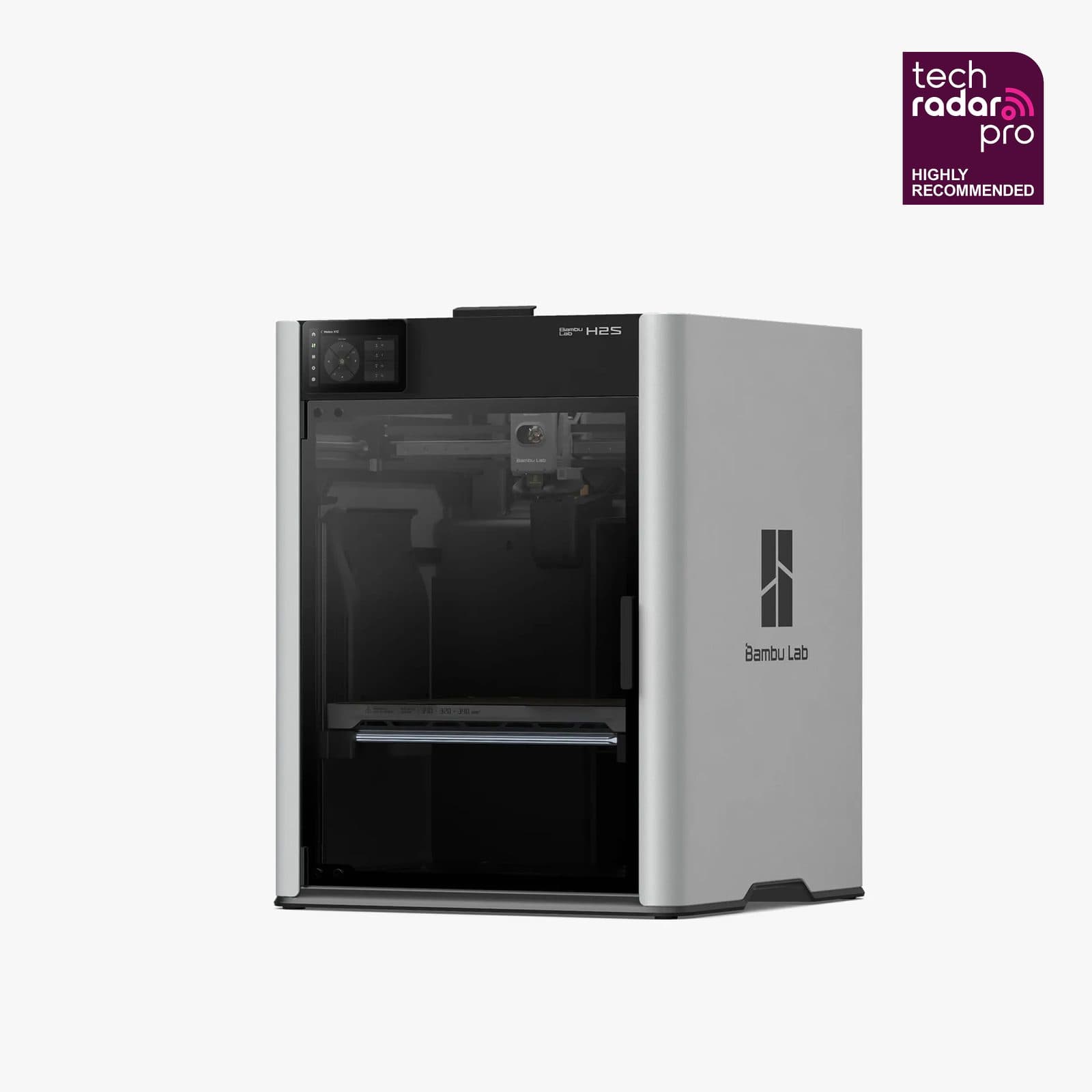
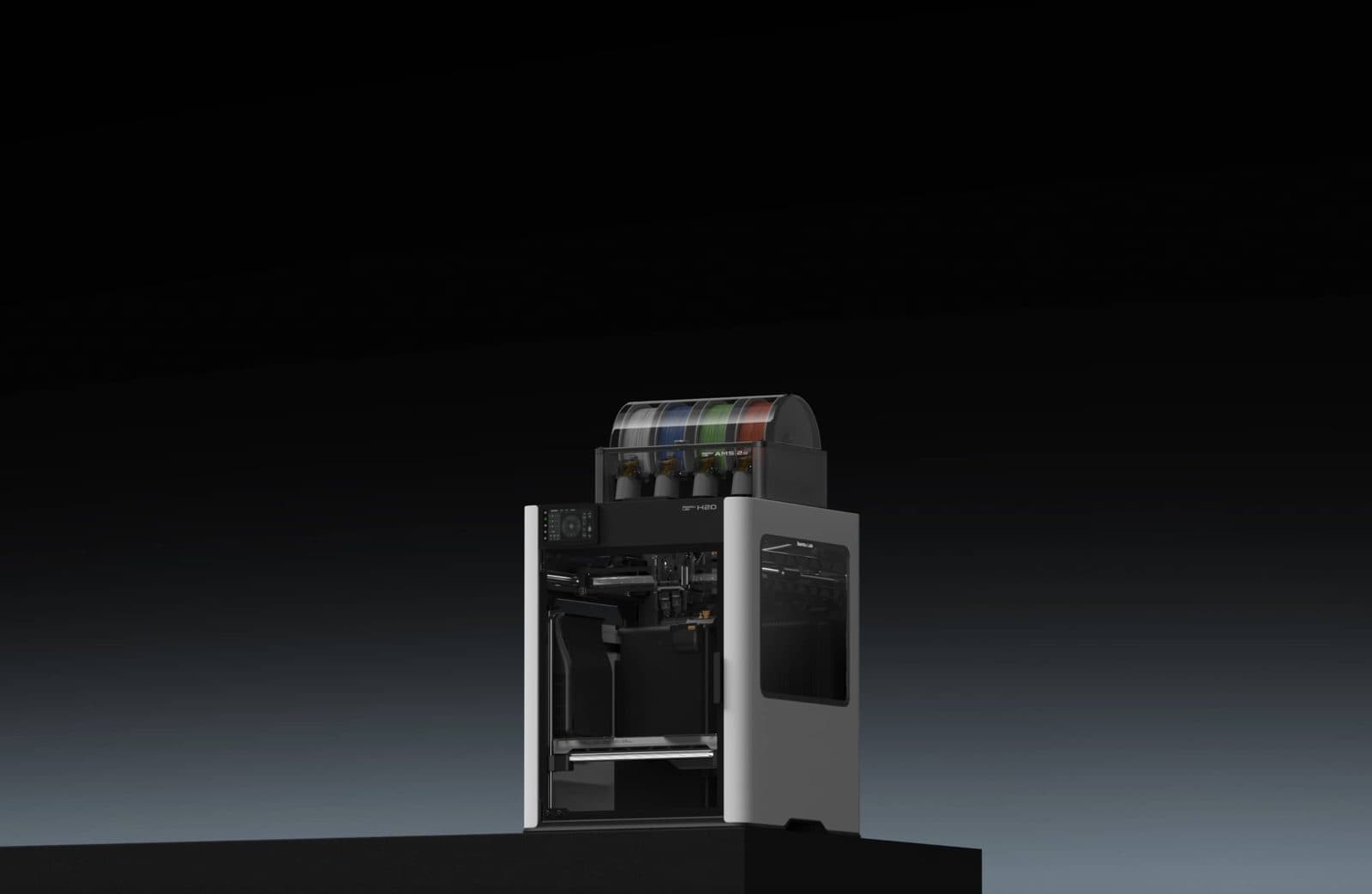
Two nozzles on one hotend, a 320×320×325mm build envelope, and the option to convert to a laser cutter — Bambu's first genuinely dual-extrusion machine.
Gavler Meta-Score
“Buy the H2D only if your workflow legitimately needs two-material printing or the larger build volume — for everything else, the P2S at half the price prints as cleanly. The laser combo is a real productivity tool for maker spaces, decorative for everyone else.”
The Gavler Verdict
Bambu Lab H2D Review: True Dual-Nozzle Printing, If You Actually Need It
The Bambu Lab H2D ranks number 6 on Gavler's Best 3D Printers list with a 9.3, and Gavler's own verdict on it is unusually blunt for a nearly-$1,750 machine: "Buy the H2D only if your workflow legitimately needs two-material printing or the larger build volume — for everything else, the P2S at half the price prints as cleanly." Buy it if soluble-support pairings, true two-material engineering parts, or helmet-scale build volume are real requirements. Skip it if you print single-material parts most of the time, in which case the Bambu Lab P2S covers the same quality for $599.
The H2D is Bambu's first machine with two physically distinct nozzles on a shared hotend, capable of printing two materials or two colors in parallel without the AMS purge-tower waste that defines the X1 and P1 lineups. The engineering trade-off is real: the dual-nozzle hotend is heavier, motion is slightly slower than a single-nozzle Bambu printer, and each nozzle still feeds from its own AMS, so genuinely complex 16-color prints require a second AMS unit. But for makers who actually need two materials in one print — dissolvable PVA support on demanding geometries, two-material engineering parts — the H2D is the first sub-$2,000 machine that delivers it cleanly.
The 320 x 320 x 325mm build volume is the second story, roughly 70 percent more usable space than the P2S and large enough to cross into helmet-scale and prop-scale work without stepping up to an oversized printer like the Anycubic Kobra Max. A 350°C hotend, hardened steel nozzles, and an actively-controlled enclosure handle PETG-CF, PA-CF, and most of the engineering filament shelf — though for sustained chamber-heated printing on PEEK-class materials, the H2S sibling with active 65°C heating is still the better tool. The wildcard is the optional laser-cutter conversion: a 10W or 40W module that turns the printer into a multi-tool capable of cutting and engraving wood, leather, acrylic, and anodized aluminum in the same workspace.
All3DP's framing captures the H2D precisely: "The H2D is, fundamentally, two printers in one box. As a 3D printer it's excellent. As a laser cutter it's competent. As a value proposition for someone doing real multi-material work, it's hard to argue with." That's the honest shape of this machine — excellent at its specific job, not a universal upgrade over Bambu's simpler printers.
Tom's Hardware zeroed in on what actually changed structurally: "What separates the H2D from the X1 line isn't speed — it's that the second nozzle is finally a first-class citizen rather than a glorified backup." That's a meaningful distinction for anyone who's fought AMS purge waste on a single-nozzle multi-material setup — the H2D's dual hotend is a genuine architectural answer, not a software workaround. 3D Printing Industry called it "Bambu's first machine that meaningfully changes the multi-material workflow rather than just iterating on it," and Hackster.io's take on the laser combo is the fair framing for that add-on: "The laser combo is a real maker-space play. Whether you need it depends on whether you've ever wanted to cut and print in the same evening."
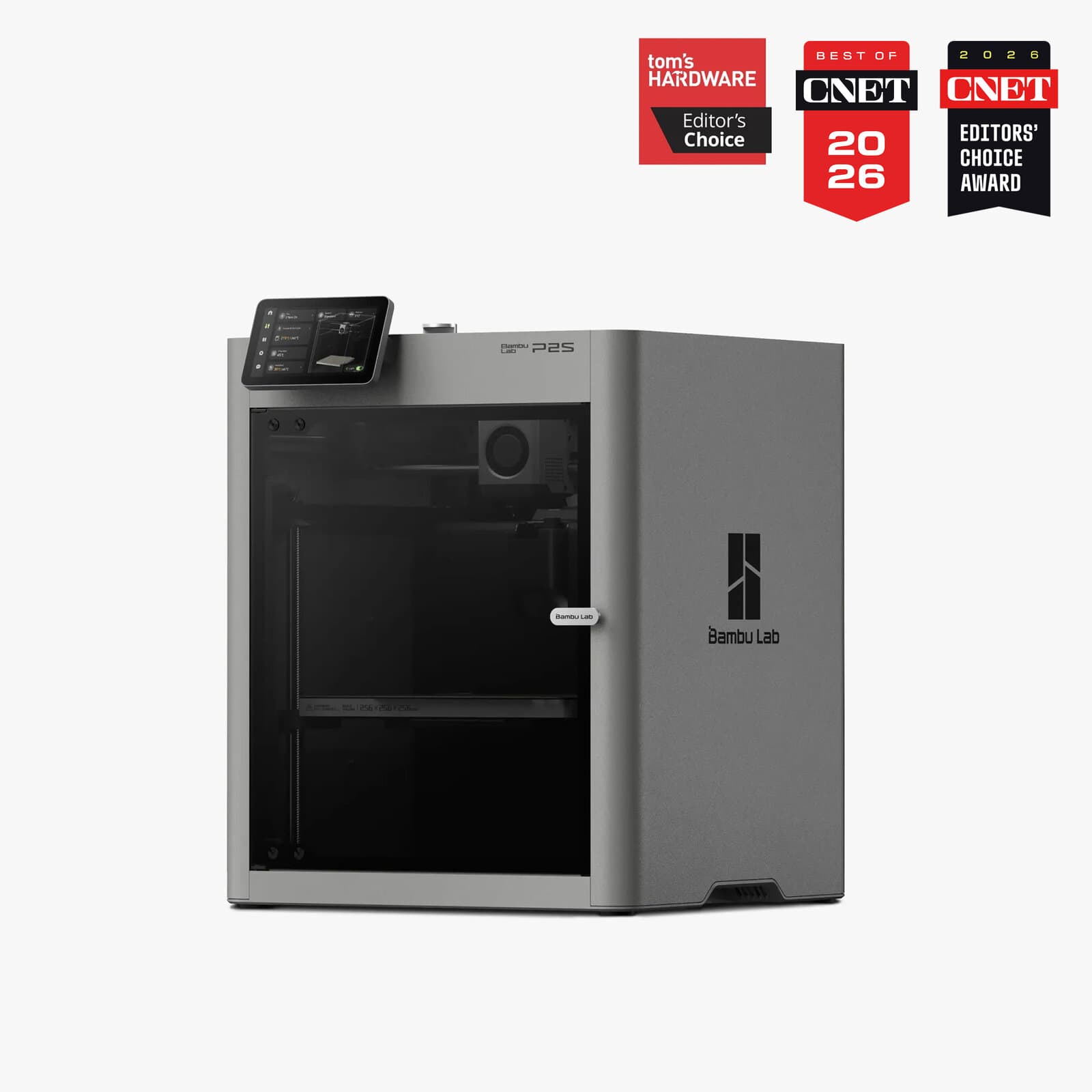
Within Bambu's own lineup, the Bambu Lab P2S sits at rank 1 with a 9.7 score and is the printer most buyers should actually default to — a servo extruder, enclosed chamber, and AMS 2 Pro support at $599, without the dual-nozzle or oversized build volume most hobbyists never need. The Bambu Lab H2S at rank 4 is the closer sibling to the H2D in spirit: same CoreXY DNA, but built around an actively heated 65°C chamber for engineering composites rather than dual-material parallel printing. Choosing between the three comes down to one honest question — does your actual print queue need two nozzles, a bigger chamber, or high-temperature engineering plastics? The H2D is the right answer only to the first two.
A 9.3, with a 93 expert consensus and a 91 community rating — reviewers consistently praise the dual-nozzle execution and build volume, but Gavler's own scoreNote flags that for single-material work, the P2S remains the better value, and the H2D "earns its premium only when you genuinely use the second nozzle." That's the correct way to evaluate this printer: not against a spec sheet, but against your actual print queue. If two-material work or oversized parts are a regular need, the H2D delivers on both cleanly. If not, buy the P2S and put the savings toward filament.
Only if your workflow genuinely needs two-material printing or the larger build volume. It ranks sixth on Gavler's Best 3D Printers list with a 9.3. Gavler's own verdict is direct: 'Buy the H2D only if your workflow legitimately needs two-material printing or the larger build volume — for everything else, the P2S at half the price prints as cleanly.'
Buy the P2S at $599 unless you specifically need true dual-nozzle printing or the H2D's 320 x 320 x 325mm build volume, which is roughly 70 percent larger. For single-material work — the vast majority of hobbyist printing — the P2S delivers comparable quality at just over a third of the H2D's $1,749 price.
Two physically separate nozzles on a shared hotend, letting the H2D print two materials or colors in parallel without the AMS purge-tower waste that defines Bambu's single-nozzle X1 and P1 lines. All3DP called it 'two printers in one box,' useful specifically for soluble-support pairings and two-material engineering parts.
Only for maker-space or small-batch product design use cases. Gavler's own verdict calls the laser combo 'a real productivity tool for maker spaces, decorative for everyone else.' If you'll never use a laser cutter, the cost premium buys a feature that sits unused.
Prices checked regularly
90-day price history
Steady at $1,749 for the entire 90-day tracking window — no increases, no discounts, across 90 tracked days.
Tracked daily across retailers. Vote Want itabove and we’ll alert you the moment the price drops.
Some links are affiliate links — Gavler may earn a commission. This never affects rankings or scores. Learn more.
Two physical nozzles share a single hotend — print two materials in parallel without AMS purge waste.
Roughly 70% larger than the P2S — accommodates helmet-scale, prop-scale, and large engineering parts in one piece.
10W or 40W laser combo converts the H2D into a full multi-tool for wood, leather, and acrylic in the same workspace.
Reviewers praise dual-nozzle execution and build volume. Some flag that for single-material work, the P2S is the better value — H2D earns its premium only when you genuinely use the second nozzle.
Do you think Bambu Lab H2D deserves the #6 spot in Best 3D Printers?
“The H2D is, fundamentally, two printers in one box. As a 3D printer it's excellent. As a laser cutter it's competent. As a value proposition for someone doing real multi-material work, it's hard to argue with.”
“What separates the H2D from the X1 line isn't speed — it's that the second nozzle is finally a first-class citizen rather than a glorified backup.”
“Bambu's first machine that meaningfully changes the multi-material workflow rather than just iterating on it.”
“The laser combo is a real maker-space play. Whether you need it depends on whether you've ever wanted to cut and print in the same evening.”
Watch
Hand-picked from creators we trust — playable inline.
You Can't Buy Airless MTB Tires—So I Made Them!
See how other top picks compare in this category.
A 500 mm/s hangtag is the wrong first question. Enclosed FDM vs heated-chamber vs resin vat vs a $199 kit comes first. Then shop Gavler's live ranking.
Bambu Lab vs Prusa vs Creality. Gavler's makers have voted on the printers worth buying in 2026 — ranked by real-world reliability, not spec sheets.