The Best Projectors in 2026, Ranked by People Who Actually Use Them
Epson, BenQ, LG, Hisense, Optoma. Gavler's home theater community ranks the projectors worth buying — long-throw laser, ultra-short-throw, and gaming.
Updated May 8, 2026 — what changed since February. This article was first published in early February when the long-throw laser tier (Epson LS12000, BenQ W5800, Epson LS11000) defined the category. Three months in, the picture has expanded. The ultra-short-throw tier — LG CineBeam S, Optoma GT4000UHD, Hisense PX3-Pro — has matured into a credible TV-replacement category for living rooms, not just bedrooms and dorms. The Hisense PX3-Pro in particular has pushed UST brightness to 3,000 ANSI lumens, the spec threshold where ambient-light viewing finally works. We've added a new Ultra-Short-Throw section below covering ranks 4-5 and 8 of the live list, and expanded the FAQ to address UST and brightness questions.
A great projector does something no TV can match: it fills your wall with a 100-plus-inch image that makes movies feel like events. The technology in 2026 has matured to the point where laser light sources last decades, 4K resolution is genuinely native (not pixel-shifted marketing), and HDR performance has closed much of the gap with direct-view displays.
But the projector market is also full of misleading specs, inflated lumen claims, and "4K" labels slapped on 1080p chips. Cutting through the noise requires trusting people who've actually built dark rooms around these machines. Gavler's projector rankings come from home theater enthusiasts who've calibrated, mounted, and watched thousands of hours on their setups. Their votes determine the rankings. Nothing else.
How We Rank: One Vote, One Projector
Every Gavler user gets a single vote on the Best Projectors list. Pick the projector you'd recommend above all others. Upgraded your setup? Move your vote. The result is a ranking shaped by the people who take projection seriously.
The Top 3: What the Community Chose
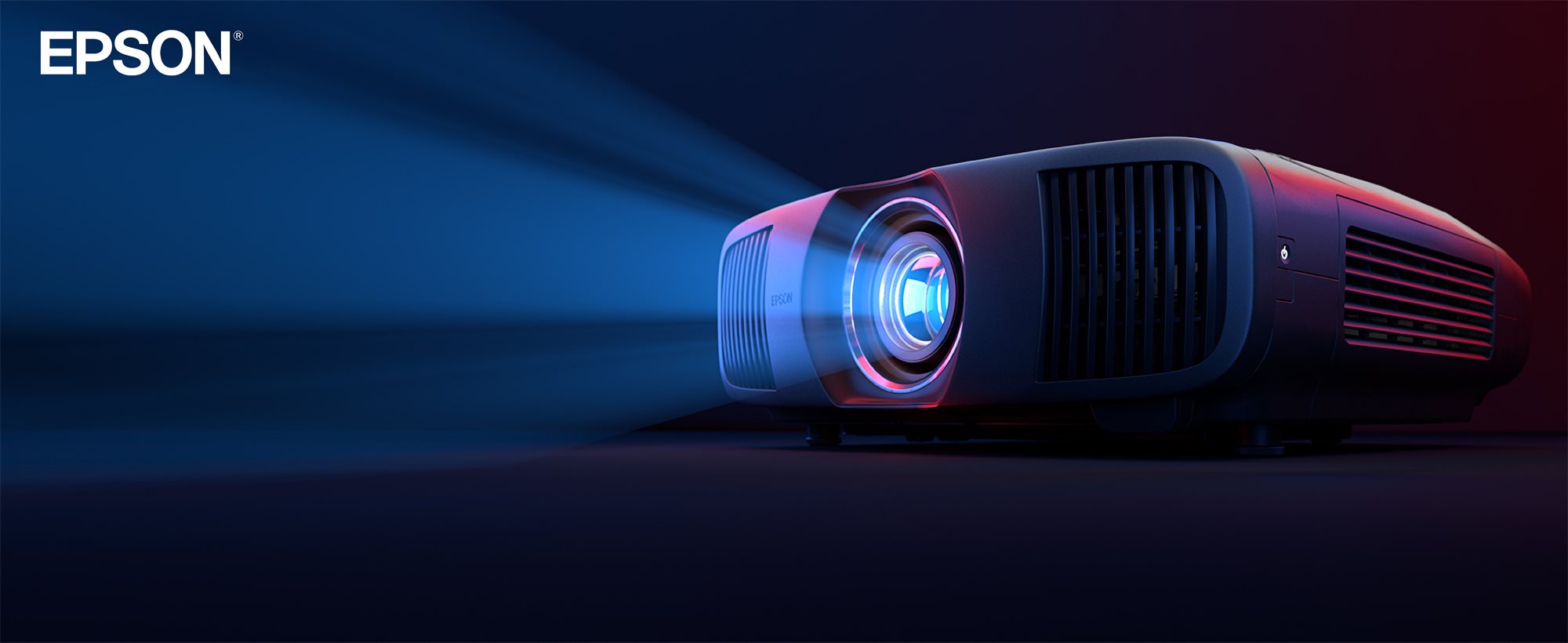
1. Epson Pro Cinema LS12000 — The Reference Standard
Epson Pro Cinema LS12000
Epson's flagship with 2,700 lumens and native 4K processing. The best picture quality available.
Amazon affiliate · price subject to change
A 9.8 score is the highest in the projector category, and the LS12000 earns it by being the projector that disappears. Not physically — it's a substantial unit — but experientially. You stop thinking about the projector and start thinking about the image. Native 4K resolution from a 3LCD laser engine. HDR10+ and HLG support with dynamic tone mapping that actually handles bright highlights without crushing shadow detail. A laser light source rated for 20,000 hours — that's a decade of heavy use without thinking about replacement.
The community votes for the LS12000 because it delivers a cinematic experience that rivals commercial theaters. Black levels are deep enough for dark scenes to feel genuinely dark. Color volume is wide enough for HDR to look like HDR, not just "slightly brighter SDR." It's the projector for people who built a dedicated room and want no compromises.
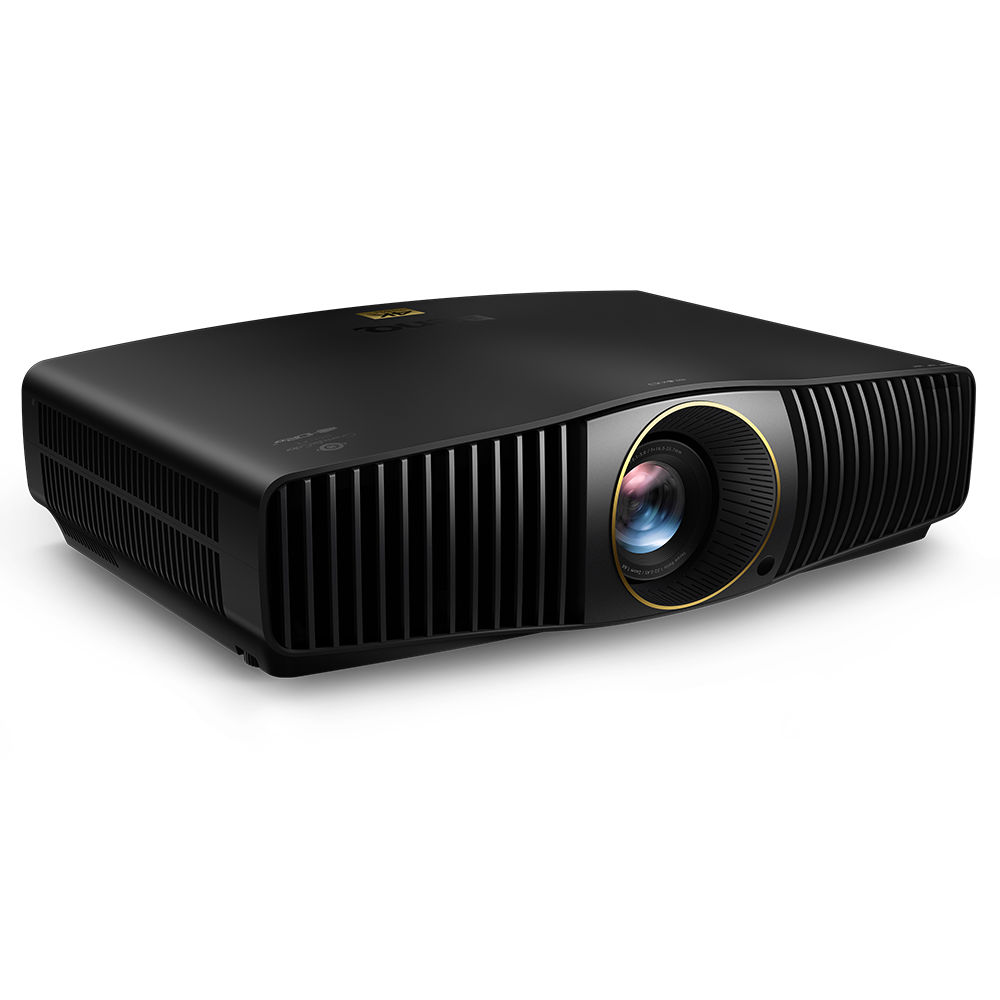
2. BenQ W5800 — The Enthusiast's Choice
BenQ W5800
Hand-tuned optics and meticulous color accuracy appeal to filmmakers and color-critical enthusiasts.
Amazon affiliate · price subject to change
BenQ scores 9.7 with the W5800 by hitting the sweet spot between reference performance and practical usability. The 4K laser DLP engine produces razor-sharp images with the pixel-level contrast that single-chip DLP is known for. BenQ's CinematicColor calibration delivers DCI-P3 coverage that satisfies the "I want it accurate" crowd without requiring a professional calibrator and a $500 colorimeter.
The lens shift range and 2x zoom make installation flexible — this projector accommodates imperfect room layouts that would frustrate more rigid competitors. And the built-in HDR-PRO tone mapping handles HDR content with less fiddling than most projectors demand. The community appreciates that the W5800 delivers outstanding results without requiring a PhD in video calibration.
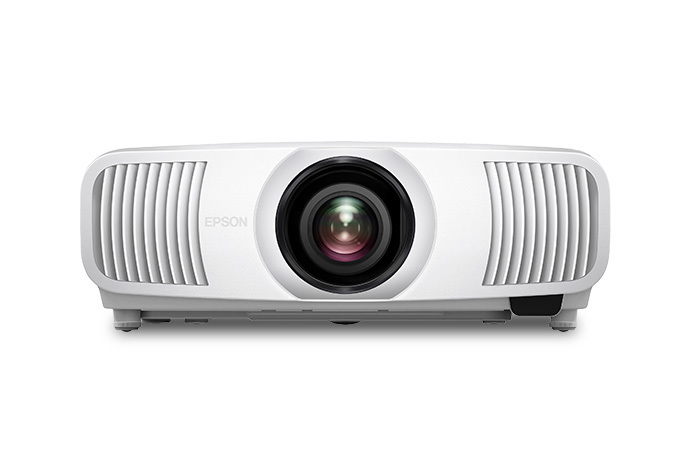
3. Epson Home Cinema LS11000 — The Smart Value
Epson Home Cinema LS11000
The laser projector sweet spot — true 4K at 2,500 lumens with exceptional contrast.
Amazon affiliate · price subject to change
The LS11000 at 9.6 is Epson's answer to the question "what if we built 90% of the LS12000 at a lower price?" Same laser light source technology. Same 3LCD engine architecture. Slightly lower native contrast and slightly less aggressive HDR tone mapping. For most content, in most rooms, the differences are subtle enough that only side-by-side comparisons reveal them.
The community positions the LS11000 as the projector for people building their first serious home theater. It's forgiving of imperfect room conditions, easy to set up with generous lens shift, and produces an image that makes visitors say "this looks incredible" on a 120-inch screen. At its price point, nothing else comes close.
The Ultra-Short-Throw Tier: When the Living Room Becomes the Theater
The biggest shift in the 2026 projector landscape is not at the top of the rankings — it is in the ultra-short-throw category that occupies ranks 4, 5, and 8 of the live list. UST projectors sit inches from the wall, project upward onto an ambient-light-rejection screen, and effectively replace a 100-inch TV without the price tag of a 100-inch TV.
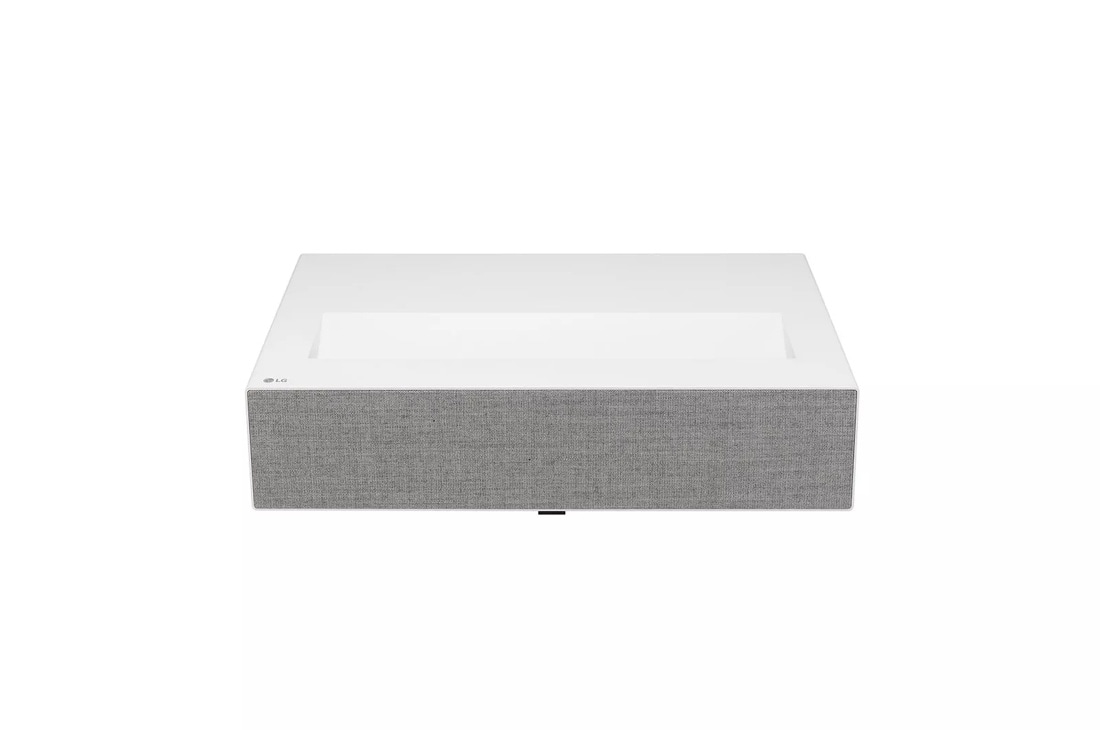
LG CineBeam S — The TV-Replacement Pick
LG CineBeam S
Ultra-short-throw 4K that sits 3.2 inches from the wall yet delivers 100-inch images.
Amazon affiliate · price subject to change
The CineBeam S sits 3.2 inches from the wall and produces a 100-inch image — geometry that lets it occupy the same console footprint as a soundbar. The triple-laser RGB engine covers 154% of DCI-P3, which is genuinely cinema-grade color in a living-room form factor. At $1,299 it has come down from the $2,500-3,000 range that defined UST in 2024, putting the technology within reach of buyers who would otherwise be shopping a 75-inch OLED. With an ALR screen the LG produces an image that is genuinely indistinguishable from a large TV in normal lighting.
Hisense PX3-Pro — The UST Brightness Standard
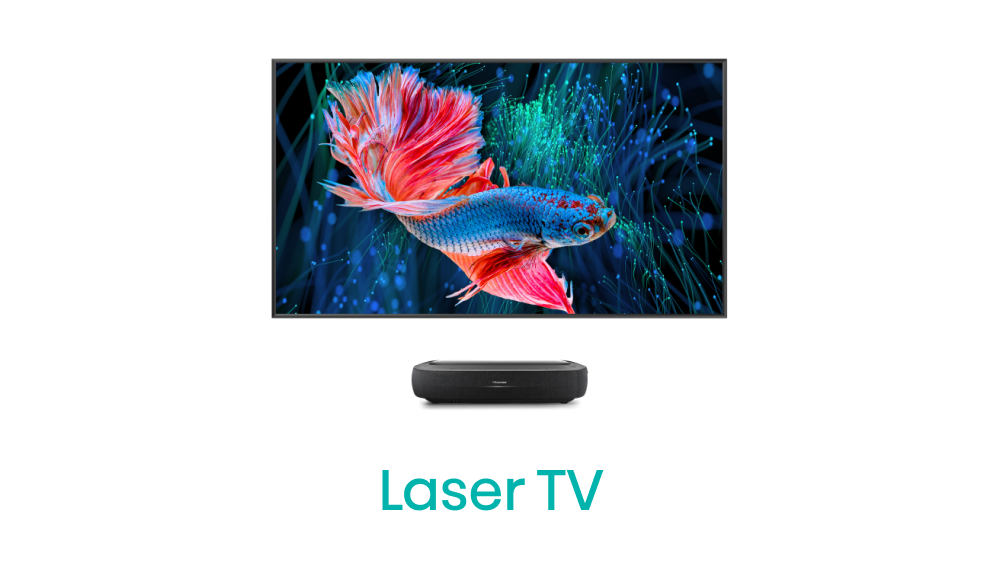
Hisense PX3-Pro
Triple-laser ultra-short-throw that's blindingly bright at 3,000 ANSI lumens with 4K at 120Hz.
Amazon affiliate · price subject to change
The Hisense PX3-Pro is the brightness-and-gaming pick of the UST tier, and the projector that finally pushes ultra-short-throw into bright-room viability. 3,000 ANSI lumens is roughly twice the brightness most UST projectors deliver, and the 4K-at-120Hz panel makes it the obvious choice for sports and gaming rooms where the projector has to compete with daylight or unshaded windows. The TriChroma triple-laser engine covers 110% of BT.2020, and the Filmmaker Mode preset is calibrated tightly enough out of the box that most owners skip professional calibration entirely.
The trade-off versus a long-throw cinema laser like the LS12000 is contrast. UST geometry inherently struggles with deep blacks because some of the projected light bounces off the screen and back into the room before the ALR layer can absorb it. For dedicated dark-room cinema, the LS12000 still wins. For a living room where the projector replaces the TV and pulls double duty for Sunday football and Friday-night gaming, the PX3-Pro is the right answer.
Optoma GT4000UHD — The Bright-Room Alternative
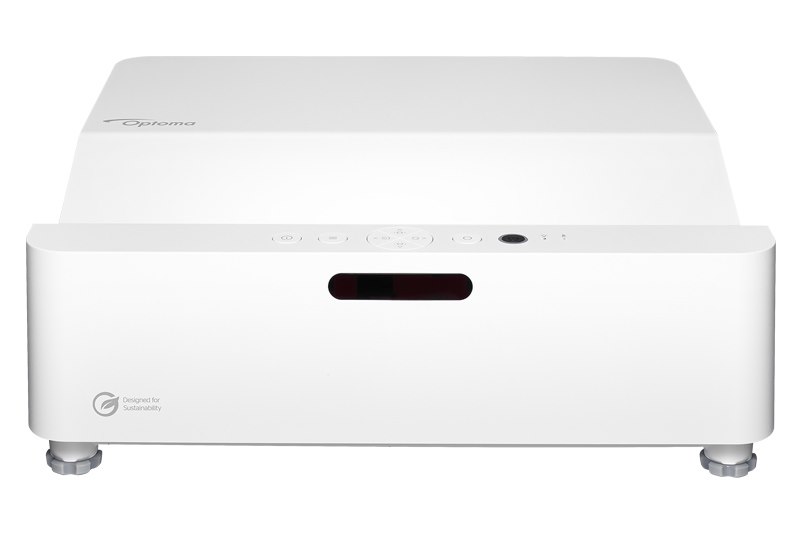
Optoma GT4000UHD
Ultra-short-throw 4K UHD with 4,000 lumens — a rare combination.
Amazon affiliate · price subject to change
The Optoma GT4000UHD splits the difference between UST and standard short-throw — 4,000 lumens of brightness from a three-foot throw distance, which makes it the right pick for bonus rooms and finished basements where a true UST mount is impractical but a long-throw projector would require a structural ceiling install. The DLP single-chip engine produces sharper edge contrast than 3LCD competitors, and the gaming-mode input lag is competitive with mid-tier dedicated gaming displays. At $2,799 it is the most expensive of the bright-room picks, but the brightness-plus-throw-flexibility combination is genuinely rare in this price tier.
Laser vs. Lamp: The Debate Is Over
The community data is unambiguous: every top-ranked projector uses a laser light source. Lamp-based projectors still exist at lower price points, but the advantages of laser — 20,000+ hour lifespan, instant on/off, consistent brightness over time, wider color gamut — have made lamp technology obsolete for anyone building a serious setup.
The upfront cost premium for laser has also shrunk dramatically. Three years ago, laser 4K projectors started at $3,000+. Today the LS11000 brings the technology to a much broader audience. If you're buying a projector in 2026, buy laser.
Buying Guide: What Actually Matters
Room control is half the picture quality. The best projector in the world looks mediocre in a room with ambient light. Light-controlled environments — blackout curtains, dark walls and ceiling, no light leaks — transform the viewing experience more than any projector upgrade. Budget for room treatment, not just the projector.
Native 4K vs. pixel-shifting is a real distinction. Many projectors marketed as "4K" use pixel-shifting technology to simulate 4K from a lower-resolution chip. Native 4K projectors resolve finer detail, especially in text and high-contrast edges. All three top-ranked projectors deliver true 4K resolution.
Throw distance determines your options. Measure the distance from your projector mount to the screen. Standard throw projectors need 10-16 feet for a 100-120 inch image. Short-throw models work from 4-6 feet. Ultra-short-throw units sit inches from the wall. Your room dictates which category you're shopping in.
Audio is the forgotten half. Most projectors have speakers that range from "barely functional" to "why did they bother." Budget for a proper sound system — even a $300 soundbar massively improves the experience. A dedicated home theater deserves at least a 5.1 system. The image gets you 50% of the way to cinema. The audio completes it.
See the Full Ranking
The picks above cover the strongest entries in three structural tiers — long-throw cinema laser (ranks 1-3), ultra-short-throw living-room replacements (ranks 4, 5, 8), and bright-room UST/short-throw hybrids. The full community-ranked list also covers the budget Optoma laser pair (ranks 6-7), the Samsung Freestyle+ portable, and the XGIMI Halo+ for buyers prioritizing portability over outright performance. Architecture first — long-throw vs ultra-short-throw vs portable — lives in the projector buying guide. For current prices, vote counts, and the live ranking, head to Gavler's Best Projectors list.
See all 10 products ranked by the community
Best Projectors
See Full Rankings →300 community votes cast
Common Questions
According to Gavler's community of home theater enthusiasts, the Epson Pro Cinema LS12000 is the top-ranked projector in 2026 with a 9.8 score. Its laser light source, native 4K resolution, and exceptional HDR handling make it the projector serious home theater builders recommend above all others.
For most buyers, yes. Laser projectors offer 20,000+ hour light source life (vs 3,000-5,000 for lamps), instant on/off, consistent brightness over time, and no costly lamp replacements. The upfront cost is higher, but the total cost of ownership is often lower. All three of Gavler's top-ranked projectors use laser light sources.
Technically no — you can project on a white wall. But a proper screen dramatically improves contrast, color accuracy, and uniformity. Even a $200 fixed-frame screen makes a visible difference. For dedicated home theaters, the screen is not optional — it's essential. The community considers it a required part of the setup.
Most modern projectors with lens shift and zoom can fill a 100-120 inch screen from 10-15 feet. Short-throw projectors work from as close as 4-6 feet. The Epson LS12000 and BenQ W5800 both have generous zoom ranges that accommodate a wide variety of room sizes. Measure your space, but don't assume you need a massive room.
Rankings are determined entirely by community votes. Each user gets one vote on the Best Projectors list — pick the one projector you'd recommend above all others. No affiliate commissions or sponsorships influence the rankings.
Ultra-short-throw projectors sit inches from the wall and project upward, replacing a TV in a normal living room without ceiling mounts or long throws. The LG CineBeam S sits 3.2 inches from the wall and produces a 100-inch image; the Hisense PX3-Pro at 3,000 ANSI lumens makes ultra-short-throw genuinely viable for bright rooms with sports and gaming. They are the right pick for buyers who want projector image size without a dedicated theater room. The trade-offs: ambient-light rejection screens are essentially required for daytime viewing, and the contrast in dark scenes is meaningfully behind a long-throw laser like the LS12000.
Among the top picks on Gavler's list, the Hisense PX3-Pro leads at 3,000 ANSI lumens, followed by the Optoma UHZ36 and UHZ35 at 3,500 lumens of marketing brightness (which translates to roughly 1,800-2,200 ANSI). The Epson LS12000 and LS11000 are 2,700 and 2,500 lumens respectively. For dark-room viewing, anything above 2,000 lumens is plenty. For living rooms with ambient light, the Hisense PX3-Pro or an UST with an ALR screen is the realistic choice.
Products Mentioned
Jump to the full ranking and community verdict for each pick named above.
- BenQ W5800Electronics · Best Projectors
- LG CineBeam SElectronics · Best Projectors
- Optoma GT4000UHDElectronics · Best Projectors
- Hisense PX3-ProElectronics · Best Projectors
- Epson Pro Cinema LS12000Electronics · Best Projectors
- Epson Home Cinema LS11000Electronics · Best Projectors
- Samsung Freestyle+Electronics · Best Projectors
- XGIMI Halo+Electronics · Best Projectors