The Best Camping Tents in 2026, Ranked by People Who Actually Sleep in Them
Big Agnes, MSR, Hilleberg, REI. Gavler's campers rank the tents worth pitching — backpacking ultralights to family palace shelters.
Updated June 2026: We're now in peak summer camping season, and the rankings are holding. Big Agnes's 2026 fabric overhaul is the story worth knowing — its new HyperBead coating is thinner than a standard DWR finish yet runs roughly 6% lighter, notably stronger, and more waterproof, and it drops intentionally added PFAS. The 2026 Copper Spur UL and Tiger Wall UL Bikepack models carry it, alongside a thoughtful oversized helmet pocket. MSR's lineup is steady. If you're shopping the overlapping Amazon Prime Day (June 23–26) and Fourth of July sales, tents rarely see deep cuts from premium brands — so chase a real discount on the model you already want rather than buying down to a number. Our top three are unchanged: the Copper Spur HV UL2 still earns the most votes for the best blend of weight, livability, and reliability.
Your tent is the difference between waking up rested and waking up damp, cramped, and questioning your life choices. It's the one piece of gear that directly determines whether you sleep well in the backcountry — and sleep quality dictates whether the rest of the trip is enjoyable or an endurance exercise.
The problem is that tent specs are misleading. "Two-person" can mean anything from "two people lying perfectly still" to "two people and their gear with room to spare." So Gavler's community cuts through the marketing: votes from campers and backpackers who've actually weathered storms, fought condensation, and set up camp in the dark. Here's what they chose.
How the Rankings Work
One vote per person on the Best Camping Tents list. Pick the tent you'd recommend to a friend planning their first backpacking trip — just one. Upgraded your shelter? Move your vote. The result is a ranking that reflects what real campers stand behind right now.
The Top Picks: What the Community Stands Behind
Big Agnes Copper Spur HV UL2 — The Backpacker's Gold Standard
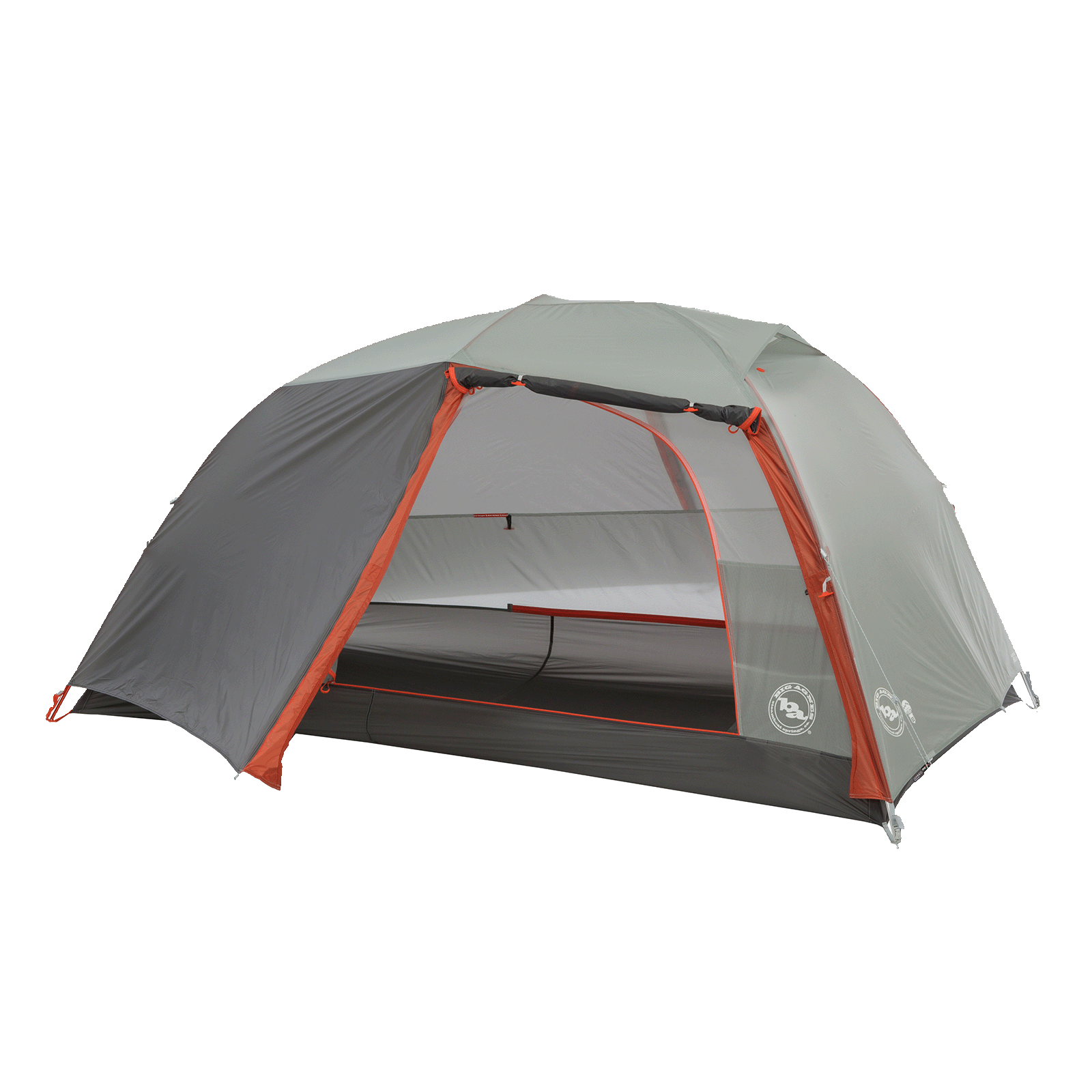
Big Agnes Copper Spur HV UL2
2 lbs 10 oz of freestanding shelter with near-vertical walls and massive vestibule.
Amazon affiliate · price subject to change
The Copper Spur HV UL2 has earned its reputation through relentless refinement. The "HV" stands for high volume — Big Agnes maximized interior space without adding weight. At roughly 2 pounds 10 ounces trail weight, it's light enough for thru-hiking but livable enough that you don't feel like you're sleeping in a coffin. The near-vertical walls, two doors, and two vestibules mean two people can coexist comfortably.
At a 9.7 score, the community's verdict is overwhelming. Setup takes under three minutes with the DAC Featherlite NFL poles. Ventilation manages condensation effectively. The materials are lighter than they have any right to be while remaining durable season after season. This is the tent that backpackers recommend to other backpackers.
Hilleberg Niak 1.5 — The Storm Fortress
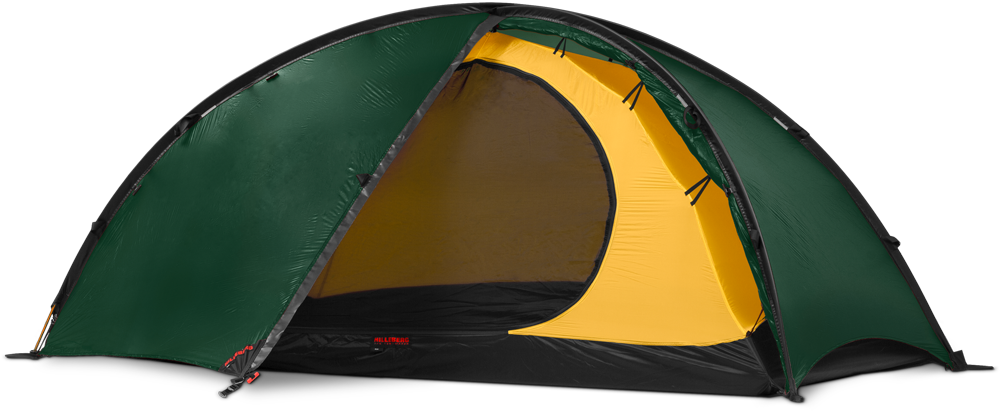
Hilleberg Niak 1.5
Kerlon 1000 fabric and a tunnel architecture that trades setup flexibility for bombproof storm performance.
Amazon affiliate · price subject to change
Hilleberg builds tents for people who camp in conditions that send others home. The Niak 1.5 is their lightweight option, but "lightweight for Hilleberg" still means overbuilt compared to the competition. The Kerlon 1000 fabric, the 9mm DAC poles, and the integrated inner-and-outer pitch mean this tent goes up fast and stays up in wind that would flatten lesser shelters.
It scores 9.4 because the community respects engineering that prioritizes reliability above all else. The Niak 1.5 weighs more than the Copper Spur and costs significantly more. But in foul weather — real foul weather — the difference is obvious. If you camp in exposed alpine terrain or Scandinavian conditions, this is the tent.
MSR Hubba Hubba NX 2 — The Trusted Workhorse
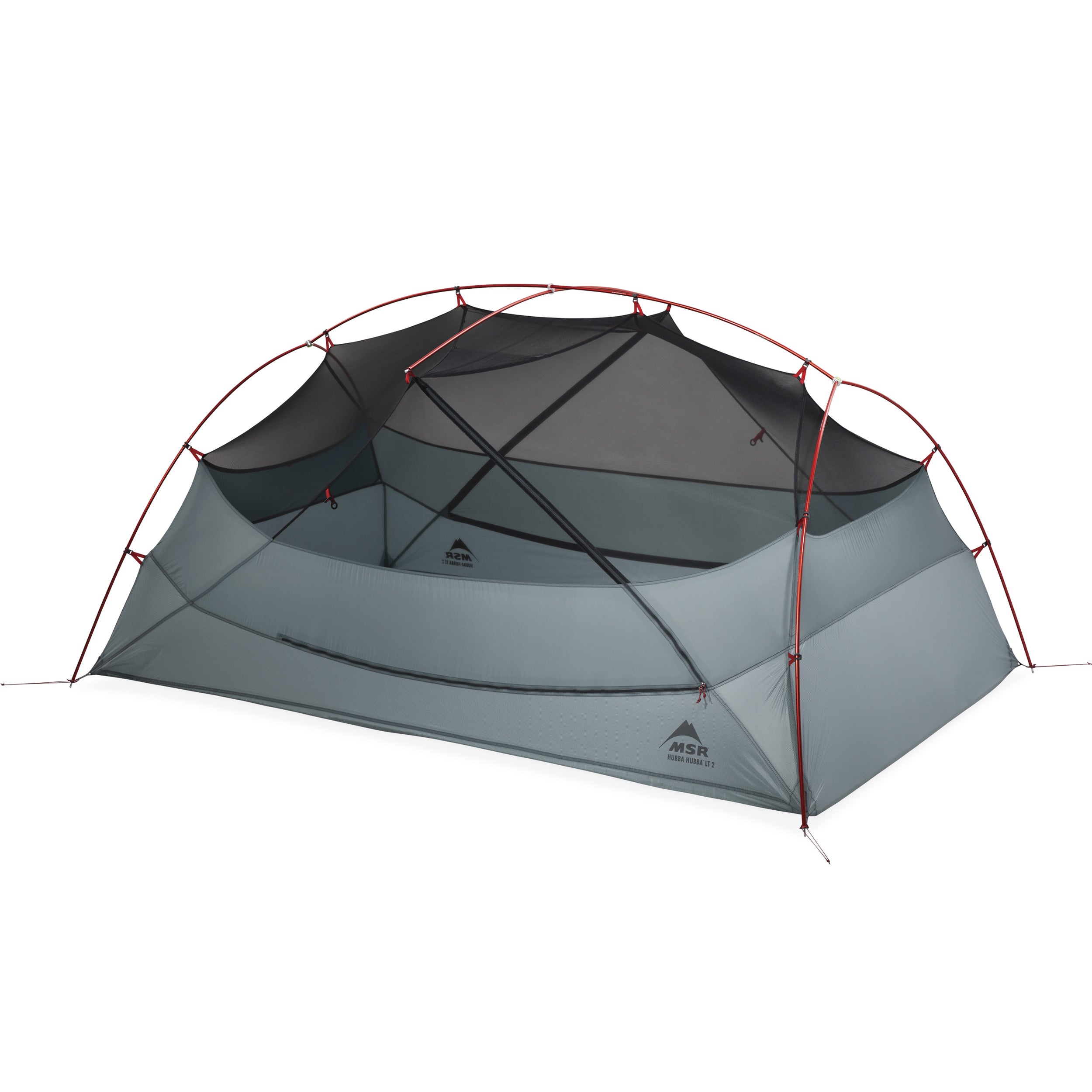
MSR Hubba Hubba NX 2
Hub-and-pole setup in under 3 minutes, Xtreme Shield waterproof coating.
Amazon affiliate · price subject to change
The Hubba Hubba has been a best-seller for good reason: it's the tent that does nothing wrong. Freestanding design makes it easy to pitch anywhere. Two doors and two vestibules give each person their own entrance and gear storage. The weight is competitive at around 2 pounds 14 ounces. And MSR's build quality means you'll get years of reliable use.
It scores 9.1 because the community values consistency. The Hubba Hubba NX 2 isn't the lightest, the roomiest, or the toughest — but it's in the top tier of all three categories simultaneously. It's the tent that works well for weekend warriors and experienced backpackers alike, trip after trip.
The Weight vs. Livability Tradeoff
Every ounce you save in a tent comes from somewhere — thinner fabric, smaller floor area, less headroom, fewer features. The community's top picks represent different positions on this spectrum. The Copper Spur pushes weight down while preserving livability. The Hilleberg prioritizes durability and weather protection. The MSR sits in the practical middle. Know what matters most to you before choosing.
Buying Guide: What to Consider
Size ratings lie — always go one size up for comfort. A "two-person" tent fits two people sleeping side by side with minimal gear storage. If you want room for gear inside, or if either person is broad-shouldered, a three-person tent for two people is a dramatically better experience. The weight penalty is typically 8-12 ounces.
Freestanding means freedom, but stakes still matter. A freestanding tent can be pitched on rock slabs and platforms where stakes won't penetrate. But always stake it down — an unstaked tent is a kite in a gust. Trekking pole tents like the Niak save weight but require stakes and your trekking poles, limiting setup flexibility.
Condensation is a design problem, not a defect. Every tent produces condensation when warm breath meets a cool fly. Double-wall tents (all three top picks) manage this far better than single-wall designs by separating the breathable inner from the waterproof outer. Good ventilation helps — look for adjustable vents near the top of the fly.
Don't buy a four-season tent for three-season camping. Four-season tents are heavier, less ventilated, and more expensive. If you camp spring through fall, a three-season tent is correct. Buy a four-season tent only when you genuinely plan to camp in snow or sustained high winds. The Copper Spur and Hubba Hubba are excellent three-season tents. The Hilleberg Niak bridges the gap.
See all 10 products ranked by the community
Best Camping Tents
See Full Rankings →338 community votes cast
Common Questions
According to Gavler's community, the Big Agnes Copper Spur HV UL2 is the top-rated camping tent in 2026 with a 9.7 score. It delivers the best balance of low weight, livable interior space, and ease of setup — the tent that makes the fewest compromises for backpackers.
Freestanding tents pitch without stakes (though you should always stake them out). They're easier to set up on rock, platforms, or hard ground, and you can pick them up and move them. Non-freestanding tents like the Hilleberg Niak require stakes and/or trekking poles but are typically lighter. If you camp on varied terrain, freestanding is more versatile.
Three-season tents handle spring, summer, and fall — rain, wind, and moderate conditions. They prioritize ventilation and weight. Four-season tents add structural strength for snow loading and high winds, with less mesh and burlier poles. Most backpackers need a 3-season tent. If you camp in winter or at high altitude, a 4-season tent is essential.
If you carry your tent on your back, absolutely. The difference between a 2-pound tent and a 4-pound tent is significant over a full day of hiking. The Big Agnes Copper Spur HV UL2 weighs just over 2.5 pounds for a two-person tent — that's remarkably light for the livability it provides. Car campers can save money with heavier tents since weight doesn't matter at the campsite.
Rankings are determined entirely by community votes. Each user gets one vote on the Best Camping Tents list — pick the one tent you'd recommend above all others. No affiliate commissions or sponsorships influence the rankings.
Products Mentioned
Jump to the full ranking and community verdict for each pick named above.