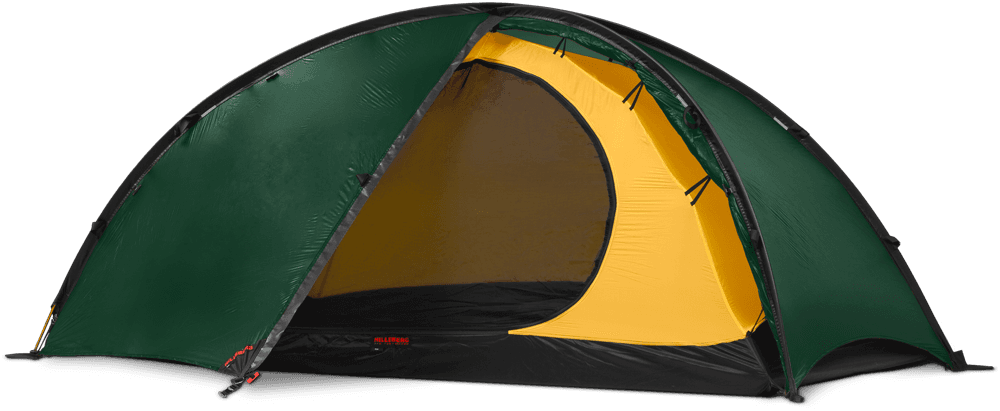
Hilleberg Niak 1.5.
Kerlon 1000 fabric and a tunnel architecture that trades setup flexibility for bombproof storm performance.
The Verdict.
Gavler Meta-Score
“Experts rate durability and weather performance as best-in-class for three-season use. Community notes the premium price, single entry, and tunnel-tent learning curve as real trade-offs.”
The Gavler Verdict
The Gavler Review.
Hilleberg Niak 1.5 Review: The Tunnel Tent Built to Outlast You
The Hilleberg Niak 1.5 sits at number two on our Best Camping Tents list with a 9.4, and it's there because it solves a problem most backpacking tents don't even try to solve: what happens when the forecast is wrong. Buy it if you're a solo-plus hiker who routinely camps into shoulder-season weather and wants a tent that treats sustained wind and rain as a non-event rather than a threat. Skip it if your trips are mostly fair-weather, you're sharing the tent with a partner, or $735 for a tunnel tent with a single entry is more commitment than your use case demands — the Big Agnes Copper Spur HV UL2 at rank one on the same list gets you a lighter, two-door, freestanding tent for a third of the price.
What it actually is
The Niak 1.5 is Hilleberg's Yellow Label three-season tent, positioned below the brand's Black Label expedition shelters (the Jannu, the Soulo) but built with the same design philosophy: durability first, weight second. The "1.5" designation is deliberate — it's a generous one-person tent or a snug two-person tent, not a true couples' shelter. At roughly 3 lbs 12 oz packed, it's light enough for extended backpacking without asking you to trust flimsy materials to survive real weather.
The defining material is Kerlon 1000, Hilleberg's proprietary triple-silicone-coated ripstop nylon with a tear strength north of 20 kg, paired with a 70-denier floor rated to a 12,000mm hydrostatic head and a fly rated to 5,000mm. Those are not marketing numbers — they're the reason Hilleberg tents show up in gear closets a decade after purchase still doing their job.
In use
The single detail that separates the Niak from nearly everything else in this weight class is one-pitch construction: the inner tent and fly attach together and go up as one unit, meaning you can pitch it fully waterproof in active rain without the inner ever getting wet. Backpacking Light called this out directly: "If you need absolute weather confidence without stepping up to a 4-season expedition tent, the Niak is the answer — and the tunnel layout is more comfortable inside than the weight suggests."
That tunnel geometry is a genuine trade-off in exchange for a genuine benefit. It isn't freestanding — you need stakes and a bit of technique to orient it into the wind — but once it's guyed out, the three-pole tunnel architecture is exceptionally wind-stable, holding a low, aerodynamic profile that sheds gusts a taller freestanding dome would struggle with. Adventure Alan's assessment sums up the trade cleanly: "A bomber, true three-season tent that packs small and handles sustained rain and wind like a much heavier shelter. Not cheap, but genuinely buy-it-for-life." Section Hiker frames the Niak's place in Hilleberg's lineup precisely: "Hilleberg's Yellow Label tents trade some of the Black Label's extreme-weather margin for weight savings, and the Niak hits the solo-plus segment better than anything else in their lineup."
Where it shines
- Kerlon 1000 fabric that's built to outlast the tent's replacement. A 20+ kg tear strength and a 5,000mm fly rating aren't spec-sheet flexing — they're the reason this tent handles storms that would flatten or soak a budget three-season shelter.
- One-pitch construction. Setting up fully waterproof in the rain, inner and fly together, is a small mechanical detail that pays off enormously the first time you're pitching camp in a downpour.
- Wind stability most freestanding tents can't touch. Switchback Travel calls it "one of the best three-season tents for solo backpackers who expect to encounter shoulder-season weather" — the tunnel architecture, once staked, shrugs off wind that would flex or collapse a taller dome tent.
The trade-offs — who should skip it
This is a specialist's tent, and the honest reasons to look elsewhere are specific:
- Price is a real barrier. At $735, it's roughly three times the cost of the Big Agnes Copper Spur HV UL2 — money that only pays off if you're camping in conditions demanding enough to need the extra weather margin.
- It's not freestanding. You need stakes and workable ground to pitch it properly, and there's a learning curve to orienting a tunnel tent into the wind that a freestanding tent simply doesn't require.
- Single entry is a real constraint for two people. If you're regularly sharing this tent, the one-door layout means someone is always climbing over someone else — the two-door Copper Spur is meaningfully more livable for a pair.
How it compares
The Niak's closest comparison on the same list is the rank-one Big Agnes Copper Spur HV UL2 — lighter at 2 lbs 11 oz, roomier with 29 square feet and two doors, freestanding, and priced at $500 versus the Niak's $735. The Copper Spur is the better all-around pick for typical three-season backpacking in fair-to-moderate weather. The Niak earns its rank-two spot and premium price specifically for the buyer whose trips regularly run into the kind of wind and rain that makes a freestanding tent feel like a liability. Rank three on the same list, the MSR Hubba Hubba NX 2, splits the difference — a trusted, hub-and-pole freestanding two-person tent that's slightly heavier than the Copper Spur but not built to the extreme-weather standard of the Niak.
The Gavler verdict
A 9.4, reflecting expert consensus (96) that's notably higher than community rating (88) — the kind of gap that tells you exactly what's going on: reviewers who test tents in genuinely bad weather rate the Niak's engineering as close to unbeatable, while everyday owners weigh the price, the single entry, and the tunnel-pitch learning curve more heavily in day-to-day satisfaction. Both reactions are correct. If your backpacking plans put you in weather where a tent failure is a real safety concern, the Niak 1.5 is worth every dollar of the premium over our top-ranked pick. If your trips are fair-weather and social, buy the Copper Spur and save $235.
Common Questions
If you're a solo hiker who expects to see real shoulder-season weather — sustained rain, wind above what a typical freestanding tent handles — yes. It ranks second on Gavler's Best Camping Tents list with a 9.4, and Kerlon 1000 fabric plus one-pitch construction are built to survive 15 years of hard use, which changes the math on the sticker price. If you mostly camp in mild, dry conditions or split a tent with a partner, the cheaper, roomier Big Agnes Copper Spur HV UL2 is the more sensible buy.
Functionally, it's a generous solo tent or a cozy two-person tent for people who don't mind close quarters. The "1.5" naming is Hilleberg's own acknowledgment of that in-between capacity — it's not sized like a true 2-person freestanding tent such as the Copper Spur HV UL2, which has a two-door, two-vestibule layout built for a couple.
It takes a little practice. Unlike a freestanding tent you can pitch anywhere and adjust after the fact, a tunnel tent needs to be staked out and oriented into the wind from the start — there's a real learning curve the first few times. Once you have the technique down, though, reviewers consistently note the Niak pitches fast and the payoff in storm stability is significant.
Buy the Niak if you're hiking solo, expect serious weather, and want a tent built to Hilleberg's buy-it-for-life standard — Kerlon 1000 fabric and one-pitch construction are difficult to match. Buy the Copper Spur if you want a lighter, roomier, two-door freestanding tent at roughly a third of the price, and your trips skew toward fair-weather three-season use. Both are excellent; they're built for different risk tolerances.
Where to Buy.
Prices checked regularly
90-day price history
Price History
Steady at $735 for the entire 90-day tracking window — no increases, no discounts, across 91 tracked days.
Tracked daily across retailers. Vote Want itabove and we’ll alert you the moment the price drops.
Some links are affiliate links — Gavler may earn a commission. This never affects rankings or scores. Learn more.
Precision Engineering
Kerlon 1000 Fabric
Hilleberg's Yellow Label silicone-coated ripstop nylon — 20+ kg tear strength with a 5,000mm hydrostatic head on the fly.
One-Pitch Construction
Inner and fly pitch together in one step, so the interior stays dry when setting up in the rain — Hilleberg's signature design detail.
Tunnel Architecture
Three-pole tunnel geometry is exceptionally wind-stable once staked and guyed; trade-off is it requires stakes, it isn't freestanding.
Technical Specifications
The Scoreboard
Experts rate durability and weather performance as best-in-class for three-season use. Community notes the premium price, single entry, and tunnel-tent learning curve.
Cast Your Vote
Do you think Hilleberg Niak 1.5 deserves the #2 spot in Best Camping Tents?
Global Critique
“One of the best three-season tents for solo backpackers who expect to encounter shoulder-season weather. The Kerlon 1000 fabric and integrated pitch design earn the premium.”
“Hilleberg's Yellow Label tents trade some of the Black Label's extreme-weather margin for weight savings, and the Niak hits the solo-plus segment better than anything else in their lineup.”
“A bomber, true three-season tent that packs small and handles sustained rain and wind like a much heavier shelter. Not cheap, but genuinely buy-it-for-life.”
“If you need absolute weather confidence without stepping up to a 4-season expedition tent, the Niak is the answer — and the tunnel layout is more comfortable inside than the weight suggests.”
More from Best Camping Tents.
See how other top picks compare in this category.
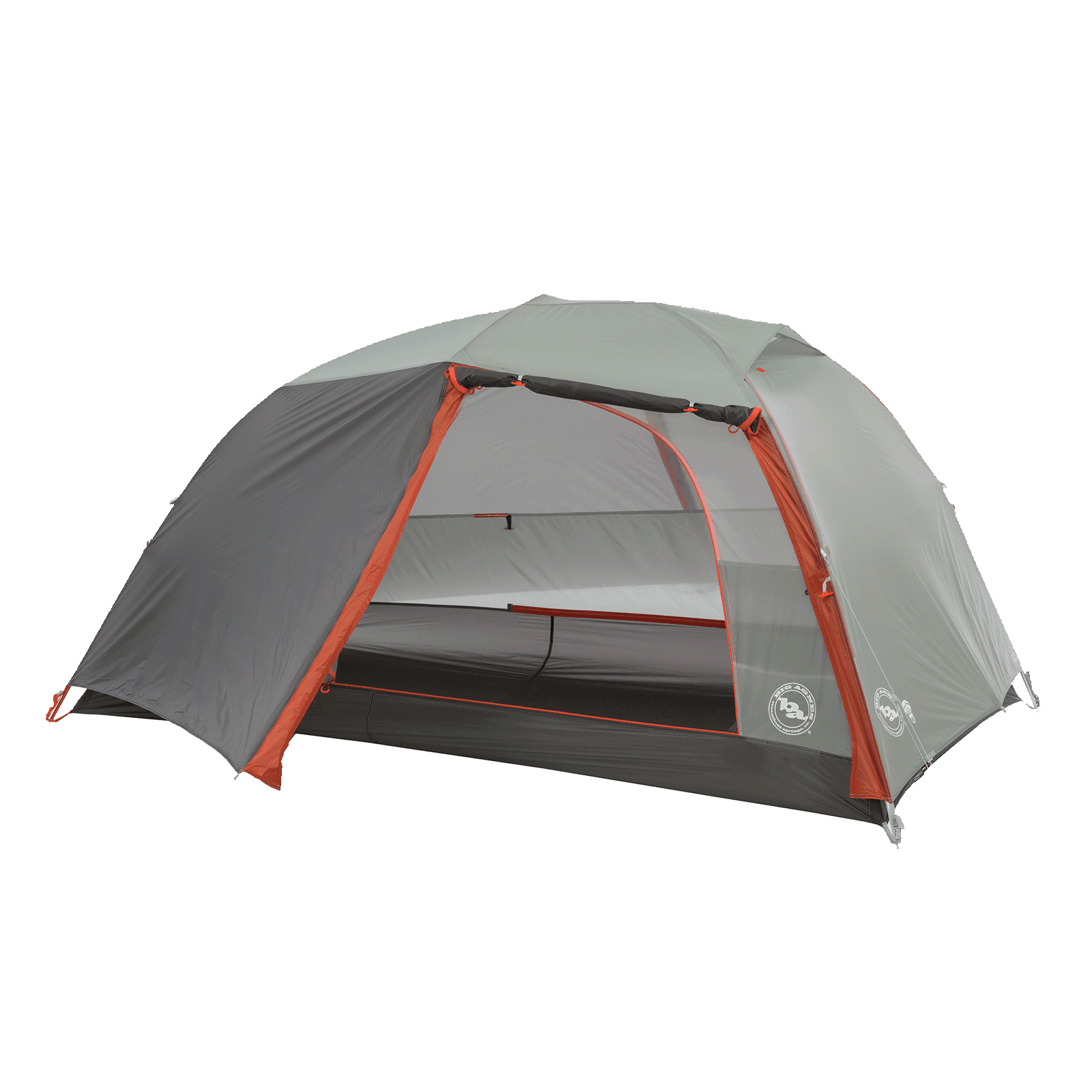
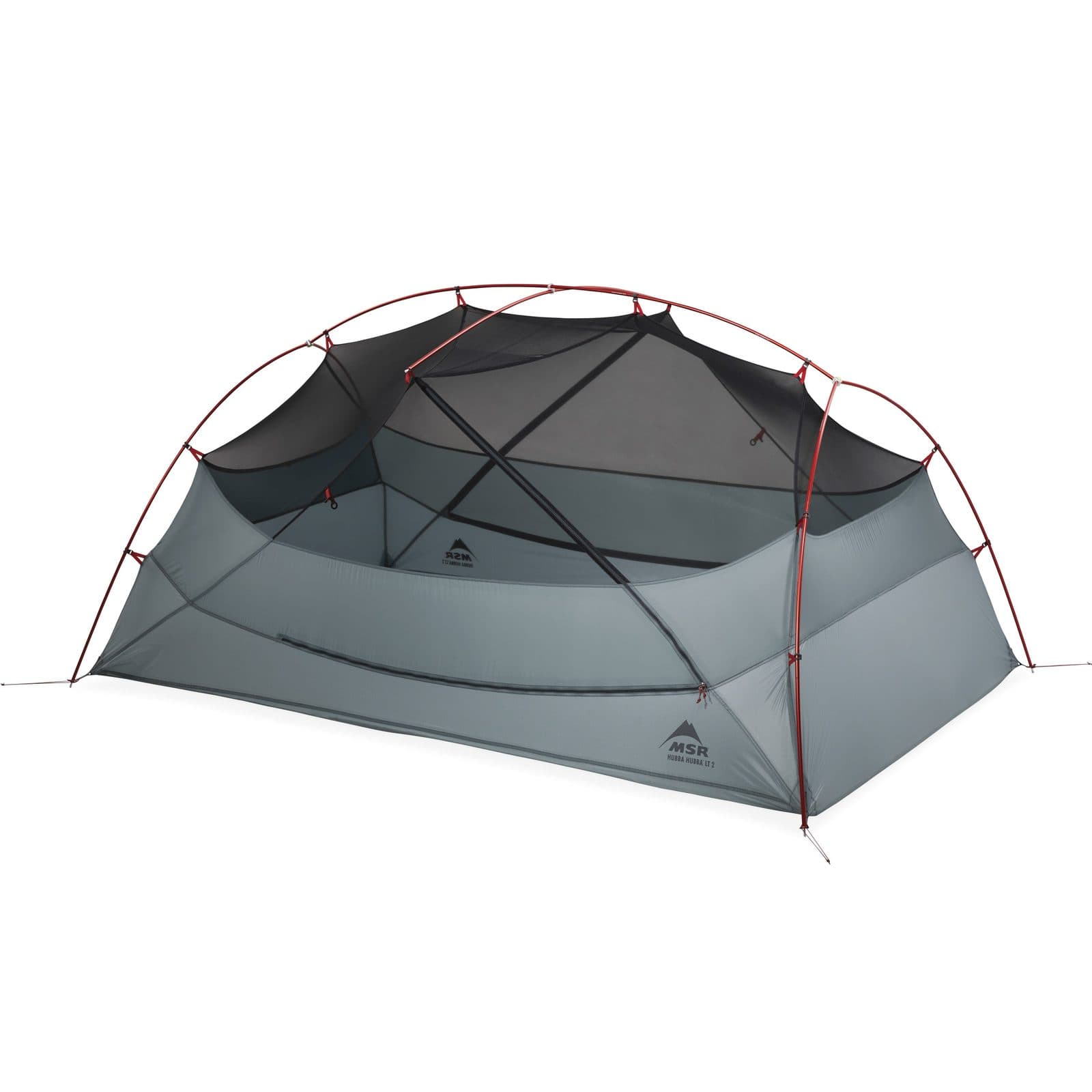
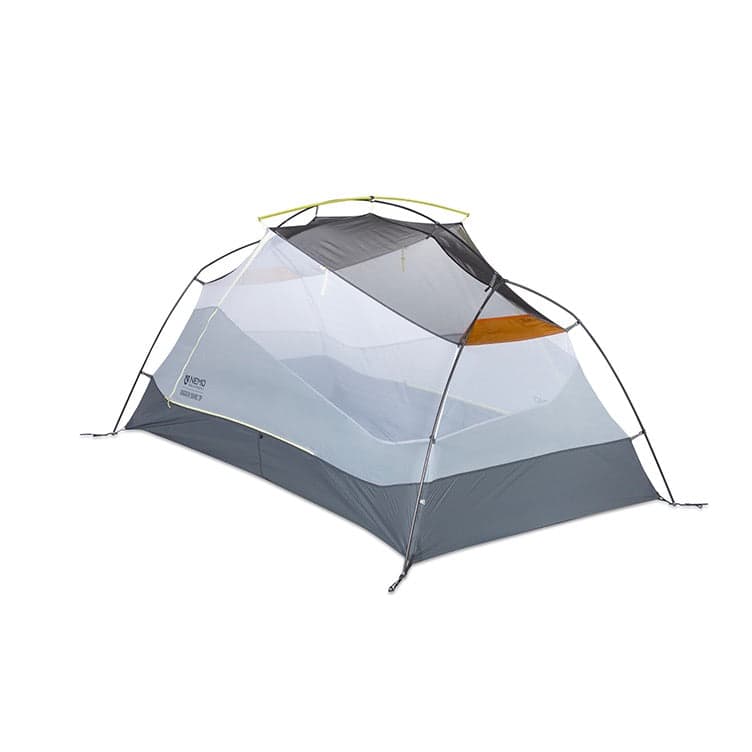
Pick a Tent for How You Camp, Not the Person Count
A two-person hangtag and an ultralight badge are the wrong first question. Freestanding vs trekking-pole UL vs tunnel vs family basecamp is the pitch. Shop Gavler's live ranking.
The Best Camping Gear in 2026: What to Buy Before Summer Starts
Tents, stoves, packs, power, footwear. The five Gavler lists that actually matter for summer 2026, ranked by people who sleep outside.
The Best Camping Tents in 2026, Ranked by People Who Actually Sleep in Them
Big Agnes, MSR, Hilleberg, REI. Gavler's campers rank the tents worth pitching — backpacking ultralights to family palace shelters.