Trangia Spirit Burner.
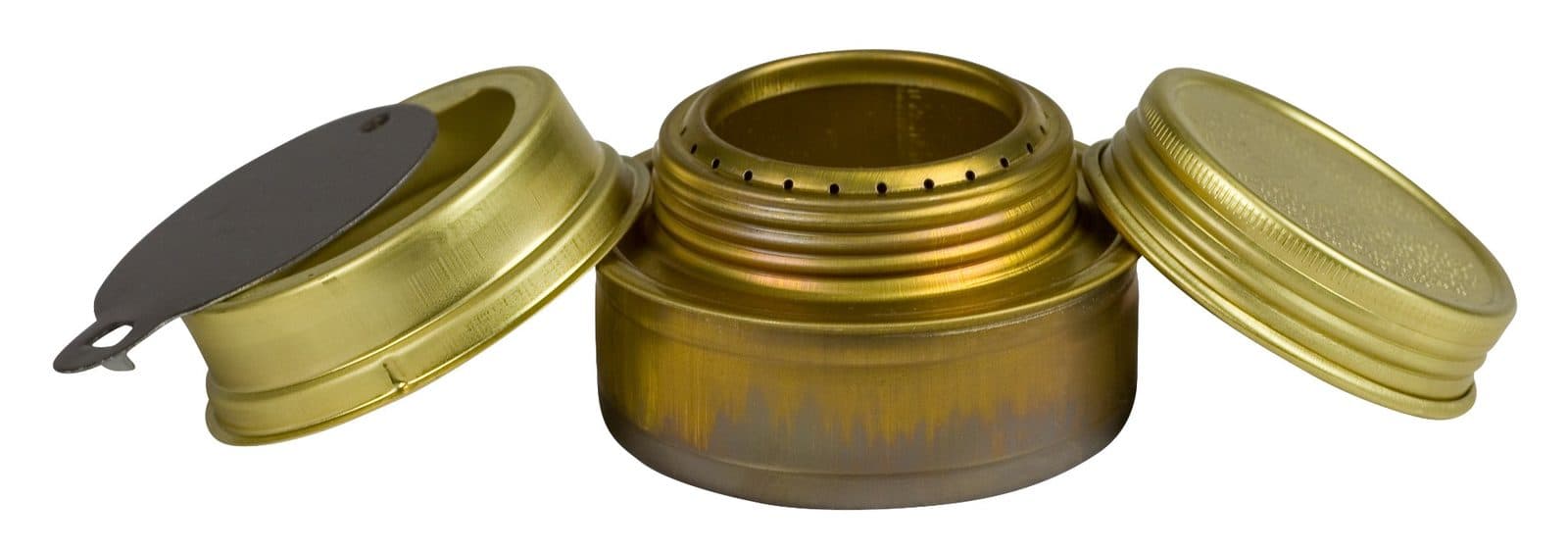
Swedish-made brass alcohol burner with a 50+ year production history. The simplest, most reliable stove on this list — no moving parts, nothing to break.
The Verdict.
Gavler Meta-Score
“The stove that cannot break. A brass burner with no jets, no valve, and no igniter — fill it, light it, cook. It's quiet, it seals unused fuel with a screw cap, and the included simmer ring gives real heat control, but you pay in speed: roughly 8 to 10 minutes to boil a liter. For minimalists, international travelers, and reliability-first hikers who don't mind waiting, nothing is simpler.”
The Gavler Verdict
The Gavler Review.
Trangia Spirit Burner Review: The Stove With Nothing Left to Break
The Trangia Spirit Burner ranks eighth on our Best Backpacking Stoves list with an 8.6, and its pitch is almost entirely about what it doesn't have. At $15, this brass burner has no valve, no jet, no pump, and no igniter — and after more than 50 years of production, that absence of moving parts is exactly the point.
What it actually is
Strip a stove down to its essentials and you get a brass cup with a perforated ring that vaporizes alcohol into a ring of blue flame. Pour in fuel, hold a match to it, and cook — there's genuinely nothing else to the operation. GearWeAre, which scored it 8.0 out of 10, sums up the appeal directly: it "gives ease of use and reliability while not requiring gas canisters, which means it is very easy to stow away for carrying in a backpack."
Trangia has built spirit burners in Sweden since 1925, and the current burner is the direct descendant of decades of the same basic design. There's a durability case here that newer stoves can't make: a brass body shrugs off abuse, and with nothing to clog or wear out, there's very little that can fail on a long trip.
In use
The screwcap version of the burner includes a simmer ring, which sets it apart from most alcohol stoves — you get real heat control, not just an on/off flame. That same screw cap does double duty: seal it over unused fuel at the end of a cook, and you can pour that fuel back into your bottle instead of burning it off unused, a small but genuinely useful feature for multi-day trips.
GearJunkie's testing highlights the burner's quiet operation directly: "This stove is incredibly quiet, unlike the roar you'll hear from a Jet Boil." That's a real, if underrated, advantage for anyone who's shared a campsite with a jet-engine-loud canister stove at 6 a.m. GearJunkie also measured the burn time on a single fill at 20 to 30 minutes, depending on fuel and weather — plenty for cooking an actual meal, not just boiling water.
Strengths
- Nothing to break. No valve, jet, pump, or igniter — GearWeAre's reliability praise centers on this simplicity, and it's the reason Trangia burners show up in survival kits and international travel packs decades after purchase.
- Genuinely quiet operation, a specific, direct point of comparison GearJunkie draws against roaring canister stoves like the Jetboil.
- Real simmer control on the screwcap version — rare for an alcohol stove, and it lets you actually cook rather than just boil.
- Seals and saves unused fuel rather than wasting it, a small detail that adds up on longer trips.
The trade-offs — who should skip it
Speed is the real cost. GearJunkie clocked roughly 8 minutes to boil a liter, and GearWeAre's number runs even higher, up to 10 minutes, noting plainly: "It will not heat up as rapidly as a gas burner, the heat builds up gradually. Boiling a full liter of water will take up to 10 minutes." Anyone in a hurry at the end of a long day will feel that wait.
It's also wind-sensitive by nature — an open flame with no built-in windscreen — and the windscreen and pot are both sold separately, which adds to the real cost and weight beyond the $15 burner price. Hikers who want speed above all else, or who cook in consistently exposed, windy sites, should look toward a canister stove instead.
Who should actually buy this
The Trangia burner earns its keep on trips where reliability matters more than minutes: international travel where canister fuel availability is uncertain, emergency and bug-out kits that might sit unused for years, and long thru-hikes where a component failing hundreds of miles from a gear shop is a genuinely bigger problem than a slow boil. It's also a smart choice for budget-conscious hikers and cost-sensitive group trips, since a $15 burner that burns cheap, widely available denatured alcohol is hard to beat on total cost of ownership over a season of use.
It's the wrong choice for anyone who prioritizes speed — a weekend warrior squeezing dinner into a short window between hiking and dark, or anyone regularly cooking in exposed, breezy campsites without a dedicated windscreen. That hiker will spend more time frustrated at a slow, wind-buffeted flame than they'll ever save in dollars.
How it compares
One rank up, the Trail Designs Caldera Cone is worth knowing about specifically because it's built to solve the Trangia's biggest weakness — its custom-cut aluminum cone acts as a windscreen and pot stand tuned to alcohol-stove use, and pairing a Trangia-style burner with a Caldera Cone largely closes the wind-sensitivity gap this burner has on its own.
One rank down, the Snow Peak LiteMax is the pick for hikers who prioritize speed and don't mind carrying a canister — it boils meaningfully faster in calm conditions, though it gives up the Trangia's total reliability and reusable-fuel economics in the trade.
The Gavler verdict
An 8.6, with an 80 expert consensus reflecting exactly what this burner is built to deliver: total reliability and quiet, simmer-capable cooking, at the cost of speed. GearWeAre and GearJunkie both frame the trade-off the same way — nothing here fails, but nothing here is fast either. Buy it for international travel, emergency preparedness, or minimalist trips where reliability matters more than minutes; buy a canister stove instead if you're regularly cooking in wind or in a hurry.
Common Questions
Yes, for hikers who value reliability over speed. It ranks eighth on Gavler's Best Backpacking Stoves list with an 8.6, and GearWeAre scores it 8.0 out of 10, praising the reliability of a brass burner with no valve, jet, or igniter to fail — you fill it, light it, and cook.
It's slow. GearJunkie clocked roughly 8 minutes to boil a liter, and GearWeAre puts it at up to 10 minutes, noting the flame 'builds up gradually' rather than roaring to life. A windscreen and pot are also sold separately, and it's genuinely wind-sensitive without one.
Yes, on the screwcap version, which is unusual for an alcohol stove. The built-in simmer ring gives real heat control most alcohol burners can't match, and the screw cap lets you seal and save unused fuel instead of burning it off.
The Trangia burner is the more field-proven and versatile of the two — a brass design with a 50-plus-year production history, built-in simmer control, and reusable fuel. The Esbit Pocket Stove (rank 10 on this list) is lighter and cheaper but offers no flame control and burns disposable solid-fuel tablets. For minimalists prioritizing weight above all else, Esbit wins; for anyone who wants to actually cook, the Trangia does more.
Where to Buy.
Prices checked regularly
90-day price history
Price History
Steady at $15.00 for the entire 90-day tracking window — no increases, no discounts, across 91 tracked days.
Tracked daily across retailers. Vote Want itabove and we’ll alert you the moment the price drops.
Some links are affiliate links — Gavler may earn a commission. This never affects rankings or scores. Learn more.
Precision Engineering
No Moving Parts, No Igniter
A brass burner with nothing to clog or fail — light it with a match. GearWeAre notes the design avoids the electronic-ignition failures that plague other stoves.
Built-In Simmer Ring
The screwcap version includes a simmer ring for real heat control — rare on an alcohol stove — and seals unused fuel so you can pour it back, not dump it.
4 oz Brass Burner
Roughly 113 g on its own, and it burns 20 to 30 minutes on a fill (GearJunkie) — enough to cook, not just boil.
Technical Specifications
The Scoreboard
GearWeAre scores the Spirit Burner 8.0 out of 10 for reliability, durability, and simmer control; GearJunkie praises its quiet operation and long burn time. Deducted for slow boils (about 8 to 10 minutes per liter) and wind sensitivity — a windscreen is a separate purchase.
Cast Your Vote
Do you think Trangia Spirit Burner deserves the #8 spot in Best Backpacking Stoves?
Global Critique
“This stove is incredibly quiet, unlike the roar you'll hear from a Jet Boil.”
“One of the biggest perks of the Trangia is that it burns much longer than your typical backpacking stove. It can last 20-30 minutes, depending on the fuel you're using and the weather conditions.”
“The Trangia Spirit burner gives ease of use and reliability while not requiring gas canisters, which means it is very easy to stow away for carrying in a backpack.”
“It will not heat up as rapidly as a gas burner, the heat builds up gradually. Boiling a full liter of water will take up to 10 minutes.”
More from Best Backpacking Stoves.
See how other top picks compare in this category.
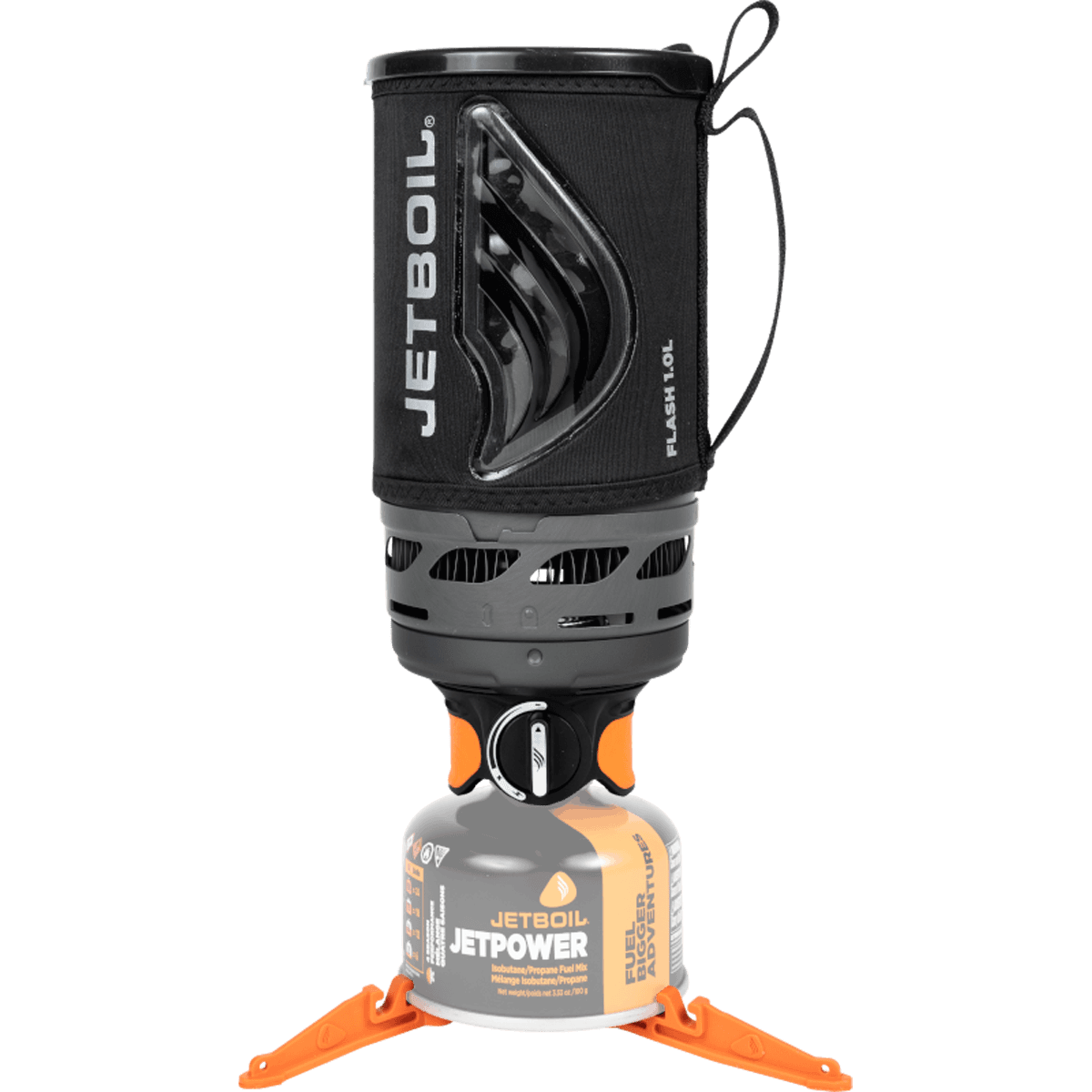
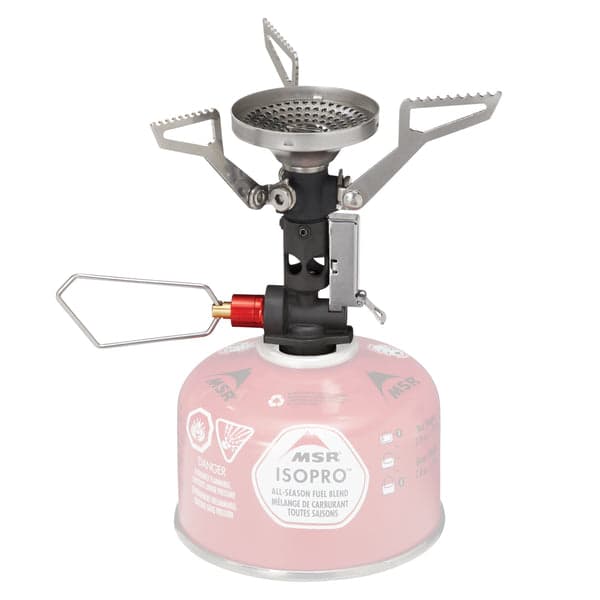
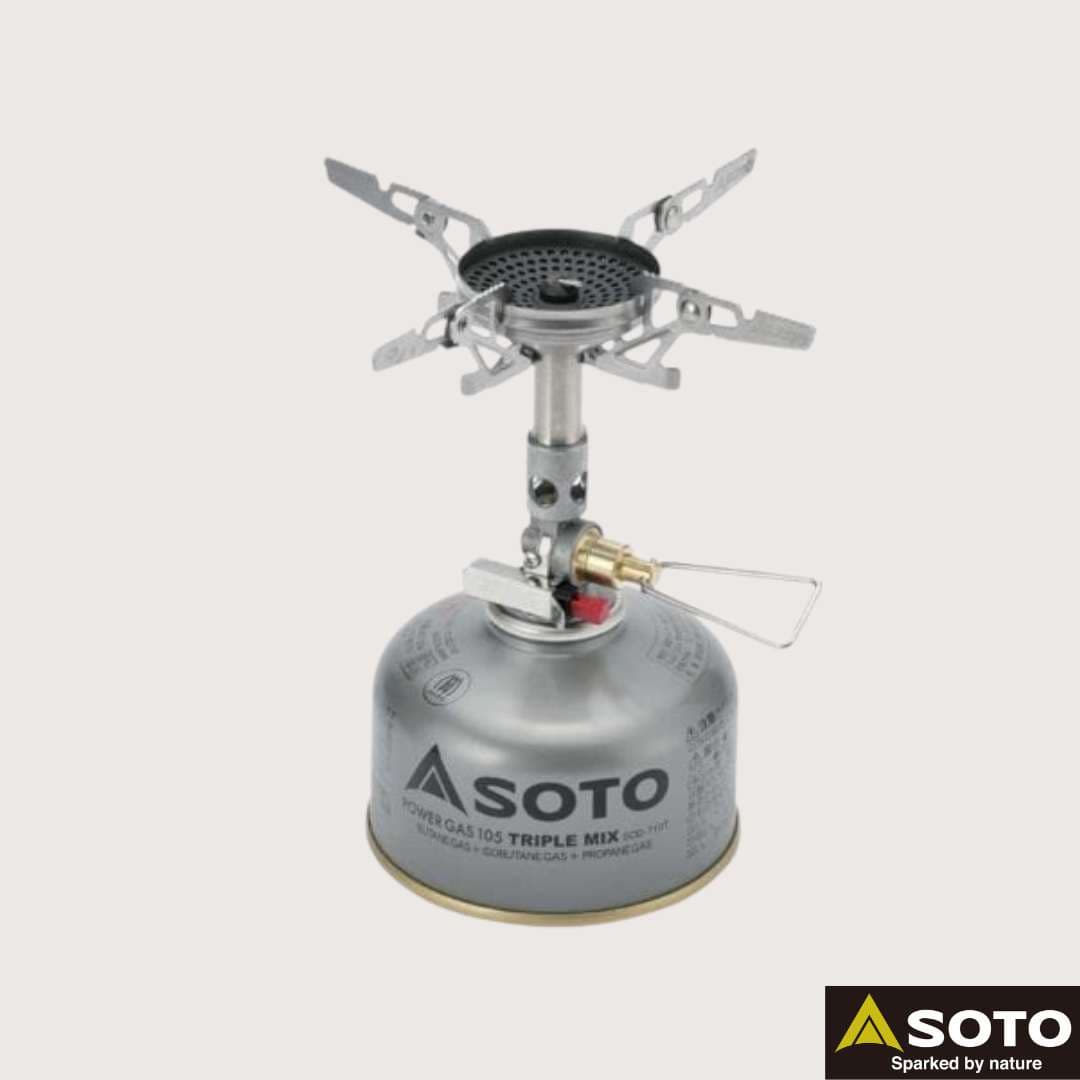
A Nested FluxRing Boil, a Standalone Canister, or Fuel Without a Canister?
A 100-second hangtag is the wrong first question. Nested FluxRing, standalone canister, or fuel without a canister is the stove. Then shop Gavler's ranking.
The Best Backpacking Stoves in 2026, Ranked by the Hikers Who Cook on Them
Jetboil, MSR, Soto, BRS, Trangia. Gavler's thru-hikers rank the stoves worth carrying in 2026 — by boil time, wind resistance, weight, and fuel reality.