Soto WindMaster.
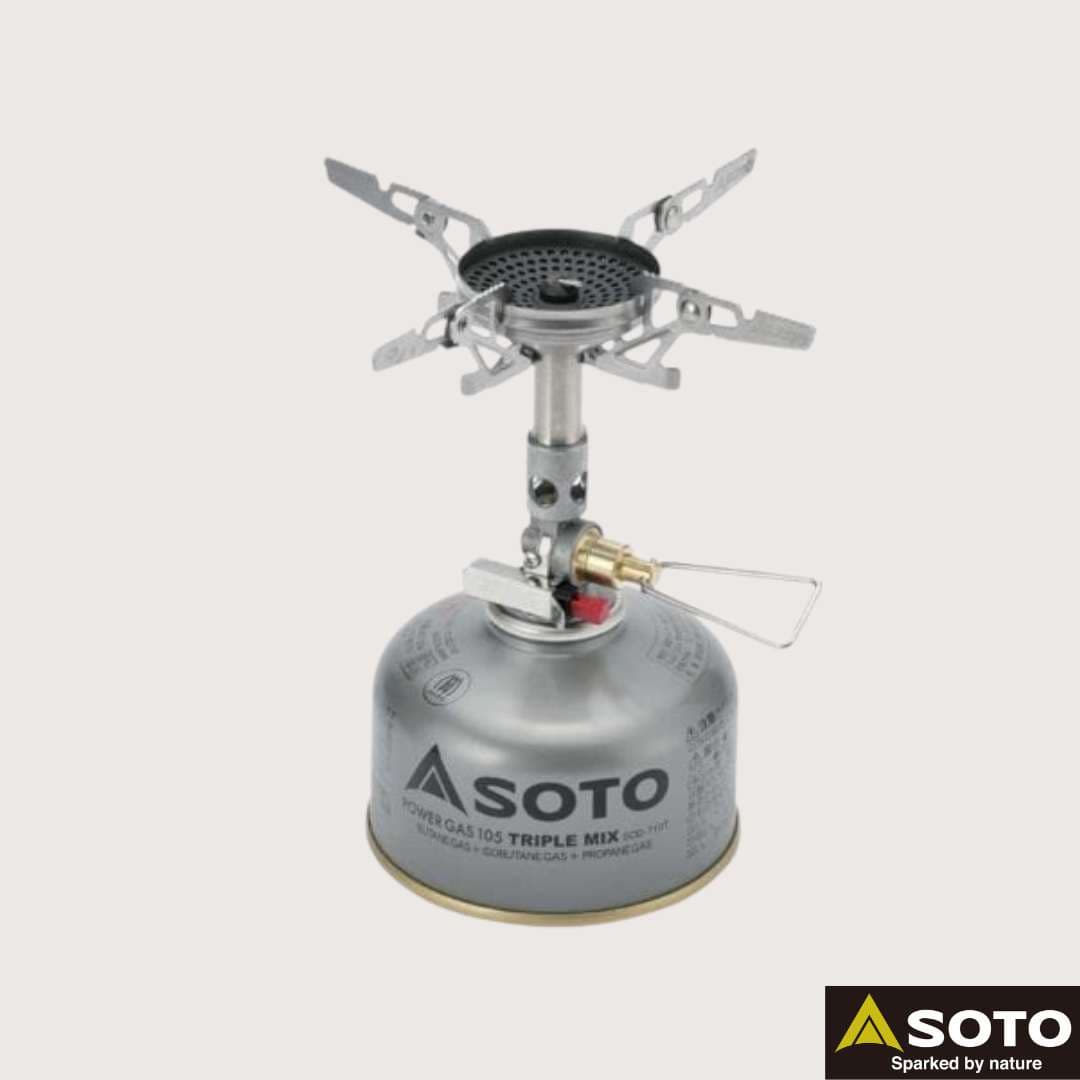
Micro-regulator technology delivers consistent output in wind and cold that defeat competing canister stoves. The stove that actually works above treeline.
The Verdict.
Gavler Meta-Score
“The canister stove that actually works in wind: the recessed burner head shrugs off gusts that leave open-burner stoves sputtering, and it still simmers and boils with the best of them. Two catches — the pot supports detach and can be fiddly to reseat, and it costs more than a PocketRocket. For anyone who cooks above treeline or in exposed sites, it's worth both.”
The Gavler Verdict
The Gavler Review.
Soto WindMaster Review: The Canister Stove That Actually Works in Wind
The Soto WindMaster ranks number 3 on Gavler's Best Backpacking Stoves list with a 9.3, and it wins its spot for the most literal reason possible: it's the canister stove that actually holds a flame when the wind picks up. Both OutdoorGearLab and Treeline Review rank it the best all-around backpacking stove they've tested, not for any single flashy feature but because it does the fundamental job — boiling and simmering water reliably — better than almost anything else in real conditions.
What it is
Ask a long-distance hiker which canister stove survives real mountain weather, and the answer is usually the WindMaster. Its burner head sits recessed inside a protective concave lip, so instead of a gust stripping the flame sideways off the pot, it stays centered and stable. Pair that with a micro-regulator that holds pressure steady down through roughly the last fifth of the canister and into cold temperatures, and you get a stove that keeps performing exactly when cheaper stoves start to falter.
In use
Treeline Review's Liz Thomas — who tested it across 5,000-plus trail miles — put the WindMaster's core advantage in stark, physical terms: she boiled water on a Cascades pass in 30 mph wind while a PocketRocket 2 set up beside it "never got past lukewarm." That's not a marginal edge; that's the difference between a working stove and a useless one in genuinely bad conditions. OutdoorGearLab's Zach Lovell, who made it his Editors' Choice pick and ranked it #1 of 16 stoves tested, backed up the same conclusion from a different angle: "This stove lives up to its name — it works efficiently in the wind."
It's not a one-trick wind stove, either. The 1.75-inch burner and 11,000-BTU output make it one of the hottest small canister stoves on the market, and OutdoorGearLab found it dials down cleanly too: "The WindMaster offers an excellent simmer relative to its size, allowing our backcountry chefs to cook a variety of meals in a wilderness setting." Swappable TriFlex and 4Flex pot supports stretch its range from a 500 mL solo pot up to a 3-liter group pot, so it scales from solo trips to small-group cooking without a separate stove.
Strengths
Wind resistance is the headline, and it's real — independently verified by two separate outlets running separate tests rather than a single glowing writeup. The micro-regulator adds the same benefit the PocketRocket Deluxe offers (steady output as the canister empties), and the 11,000-BTU burner gives it genuine cooking versatility beyond just boiling water fast. The swappable pot-support system is a smart touch few competitors match, letting one stove cover both solo and group-size pots.
The numbers back up the real-world testing, too. OutdoorGearLab measured 2 minutes 27 seconds to boil 0.5 liters, and Treeline Review clocked 4 minutes 2 seconds for a full liter — competitive times for a stove that's also winning on wind resistance rather than trading one advantage for the other. Weight stays reasonable at 2.3 ounces with the compact TriFlex support, or about 3.1 ounces if you swap to the larger 4Flex for bigger group pots, so none of this wind and heat performance comes at a meaningful weight penalty over its rivals.
The trade-offs — who should skip it
The gripes are minor but real. OutdoorGearLab called it out directly: "The pot supports are not permanently attached to the stove and can be finicky to put back on if they fall off." It's an annoyance rather than a functional failure, but it's the kind of detail that shows up in the field, not on a spec sheet. It also costs more than a basic upright stove — current retail hovers closer to $70 rather than the lower figures some listings show. For backpackers who cook exclusively in sheltered, three-season sites and never see real wind, a cheaper stove will do the job just as well, and that price difference is better spent elsewhere.
How it compares
The MSR PocketRocket Deluxe at rank 2 on this list is the natural comparison — it simmers just as well in calm conditions and costs less, but its open burner design is the one that struggles in exactly the wind the WindMaster is built to handle. For gram-counters who don't need a regulator at all, the ultralight BRS 3000T trades away both wind resistance and simmer control for a fraction of the weight and price — a reasonable swap only in calm, sheltered conditions.
The Gavler verdict
A 9.3 — the canister stove to buy if your trips ever put you above treeline, on an exposed ridge, or into a shoulder-season gust. The recessed burner head is a genuine engineering advantage that two independent outlets verified with real field tests, not just a marketing claim, and the 11,000-BTU output means it doesn't sacrifice cooking versatility to get there. The pot supports are a little fussy and it costs more than a basic upright stove, but for anyone who cooks in exposed or unpredictable conditions, nothing else on this list matches it.
Common Questions
Yes, if you cook above treeline, on exposed ridgelines, or anywhere wind is a regular factor. It ranks number 3 on Gavler's Best Backpacking Stoves list with a 9.3. Both OutdoorGearLab (Editors' Choice, #1 of 16 stoves) and Treeline Review (Best Overall, after 5,000+ trail miles of testing) rank it the best all-around canister stove available, largely because of how well it holds a flame in wind that defeats open-burner competitors.
Treeline Review tested it directly against an open-burner PocketRocket 2 on a Cascades pass in 30 mph wind: the WindMaster boiled water while the PocketRocket 2 never got past lukewarm. The recessed, concave burner head is the reason — instead of getting stripped sideways by gusts, the flame stays centered on the pot.
The pot supports (TriFlex and 4Flex) aren't permanently attached to the stove, so they can pop off and are genuinely fiddly to reseat — OutdoorGearLab flagged this directly in testing. It also costs more than a basic upright canister stove like the MSR PocketRocket Deluxe. Neither is a dealbreaker, but both are real trade-offs for the wind performance you're paying for.
If you cook mostly in sheltered campsites and value simmer quality, the PocketRocket Deluxe (rank 2 on this list) is cheaper and simmers just as well. If your trips regularly put you above treeline, on exposed ridgelines, or in shoulder-season wind, the WindMaster's recessed burner is worth the extra cost — it's the stove that keeps working when conditions turn.
Where to Buy.
Prices checked regularly
90-day price history
Price History
Steady at $64.95 for the entire 90-day tracking window — no increases, no discounts, across 91 tracked days.
Tracked daily across retailers. Vote Want itabove and we’ll alert you the moment the price drops.
Some links are affiliate links — Gavler may earn a commission. This never affects rankings or scores. Learn more.
Precision Engineering
Recessed Concave Burner Head
A protective lip shields the flame — Treeline Review boiled water in 30 mph Cascades wind that left an open-burner PocketRocket 2 at lukewarm.
Micro-Regulator
Holds output steady down to roughly the last 20% of the canister and into cold temperatures, unlike unregulated budget stoves.
11,000 BTU at 2.3 oz
One of the hottest small canister stoves made, yet weighs 2.3 oz with the TriFlex support — and still dials low enough to fry eggs.
Technical Specifications
The Scoreboard
Both OutdoorGearLab (Editors' Choice, #1 of 16) and Treeline Review (Best Overall, 5,000+ trail miles) rank it the best all-around canister stove. Marks come off only for detachable pot supports and a price above the PocketRocket — not for performance.
Cast Your Vote
Do you think Soto WindMaster deserves the #3 spot in Best Backpacking Stoves?
Global Critique
“We think the WindMaster is the best backpacking stove you can get.”
“This stove lives up to its name — it works efficiently in the wind.”
“The WindMaster offers an excellent simmer relative to its size, allowing our backcountry chefs to cook a variety of meals in a wilderness setting.”
“The pot supports are not permanently attached to the stove and can be finicky to put back on if they fall off.”
More from Best Backpacking Stoves.
See how other top picks compare in this category.
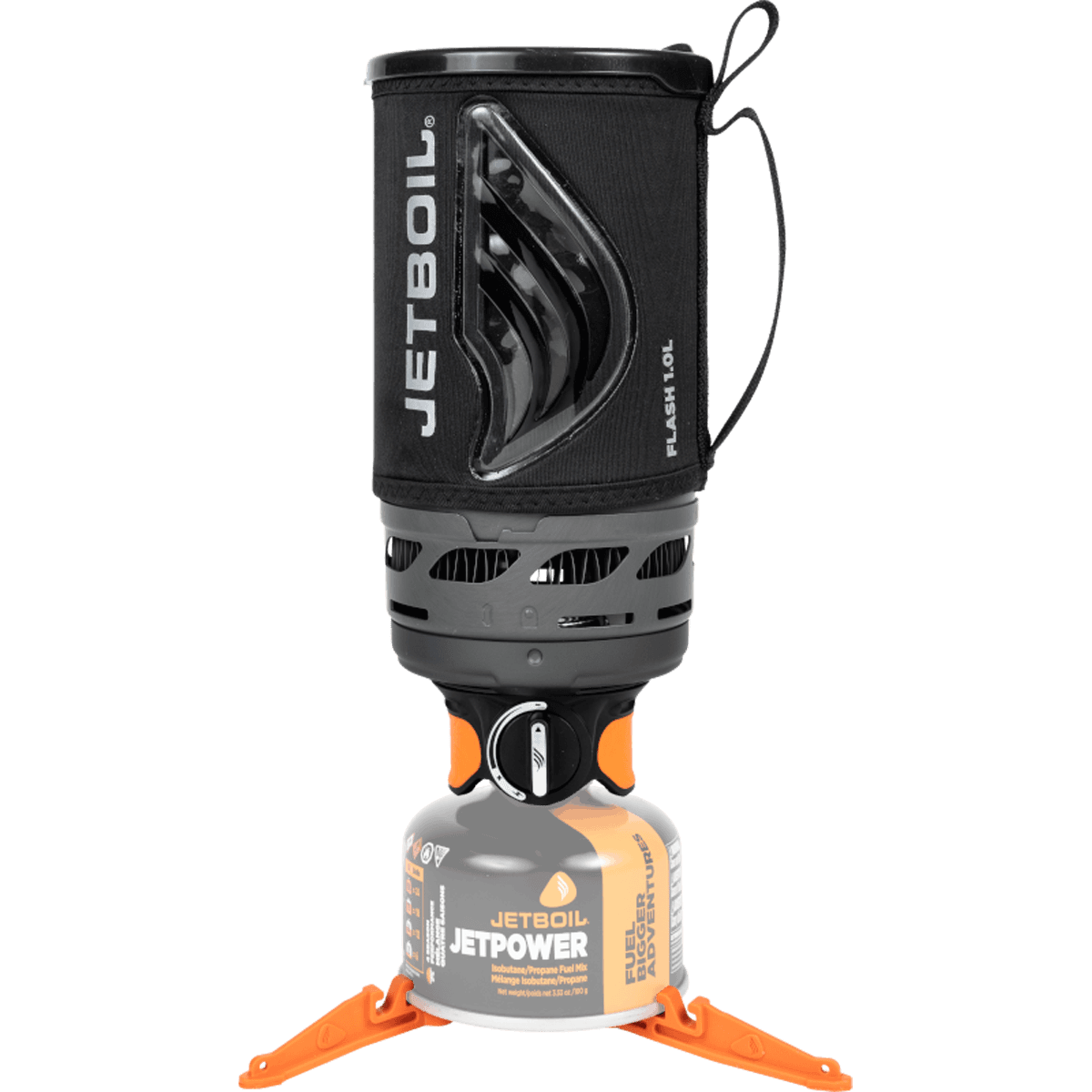
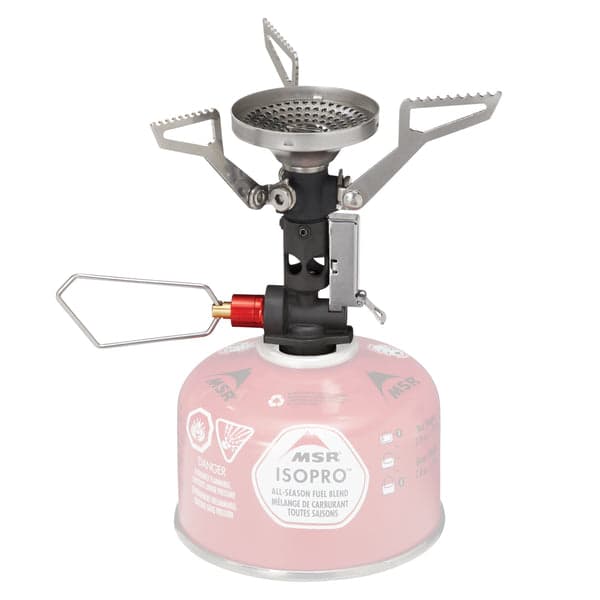
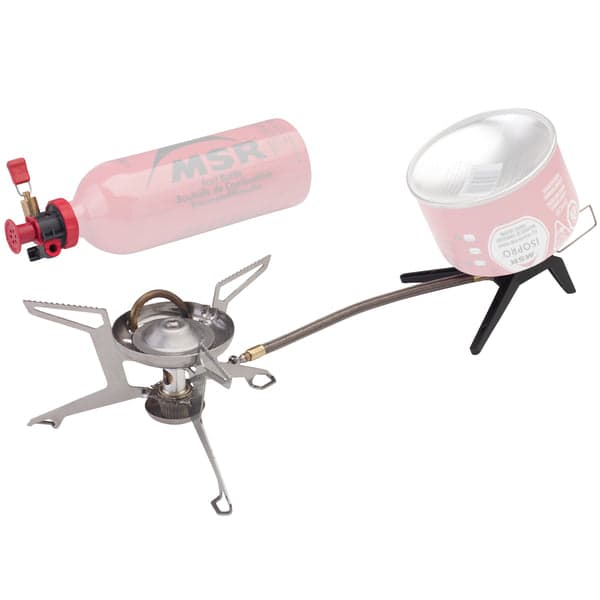
A Nested FluxRing Boil, a Standalone Canister, or Fuel Without a Canister?
A 100-second hangtag is the wrong first question. Nested FluxRing, standalone canister, or fuel without a canister is the stove. Then shop Gavler's ranking.
The Best Backpacking Stoves in 2026, Ranked by the Hikers Who Cook on Them
Jetboil, MSR, Soto, BRS, Trangia. Gavler's thru-hikers rank the stoves worth carrying in 2026 — by boil time, wind resistance, weight, and fuel reality.